Netanyahu dangles 'direct talks' with Lebanon after Trump call while bombs keep falling
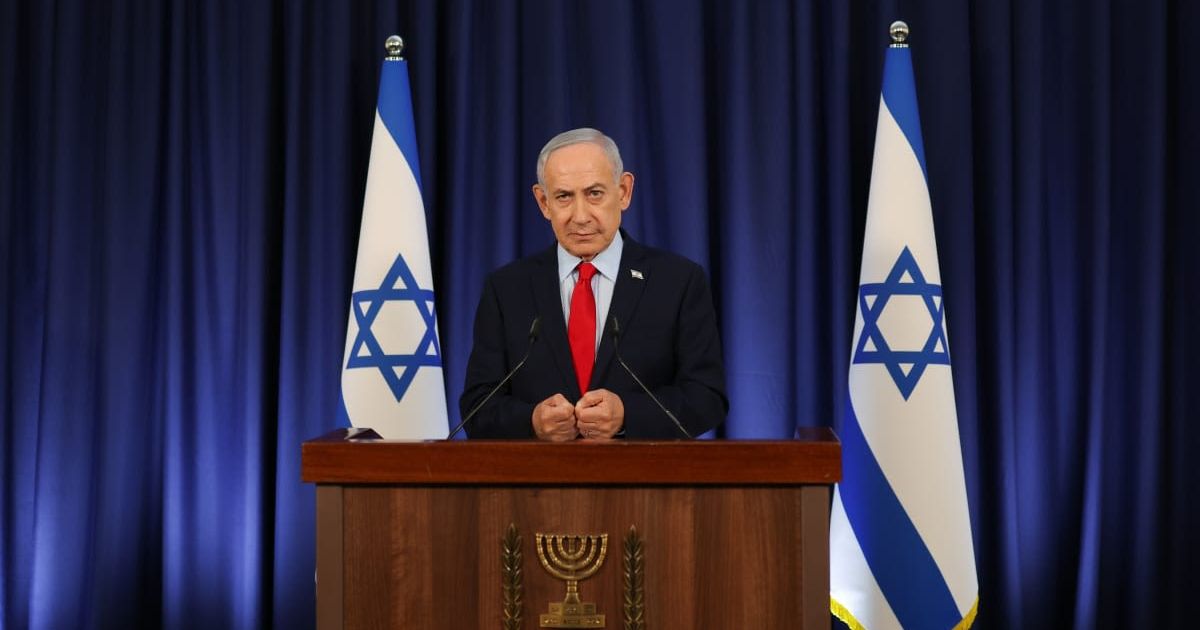
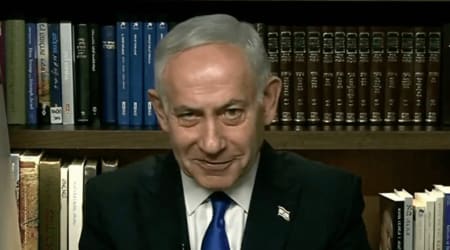
TEL AVIV, ISRAEL: Benjamin Netanyahu said on Thursday, April 9, that Israel will move to begin “direct negotiations” with Lebanon “as soon as possible,” following a phone call with Donald Trump.
In a statement, Netanyahu said he had instructed his cabinet to initiate talks, citing repeated requests from Lebanon to open dialogue.
The announcement marks a notable diplomatic signal from Israel even as the region remains gripped by escalating tensions linked to the broader Iran conflict.
Israeli officials suggested that opening a direct channel could help address long-standing security concerns along the northern border.

Benjamin Netanyahu says focus on Hezbollah disarmament
Netanyahu said the proposed negotiations would centre on disarming Hezbollah and establishing peaceful relations between the two countries.
He also welcomed remarks attributed to Lebanon’s leadership calling for the demilitarization of Beirut, framing it as a potential opening for diplomacy.
Analysts note that any agreement on Hezbollah’s disarmament would represent a major shift in the regional security architecture, though such an outcome remains highly contentious and difficult to achieve.
Beirut has yet to respond publicly to Israel’s proposal, reflecting the sensitivity of the issue within Lebanon’s domestic political landscape.
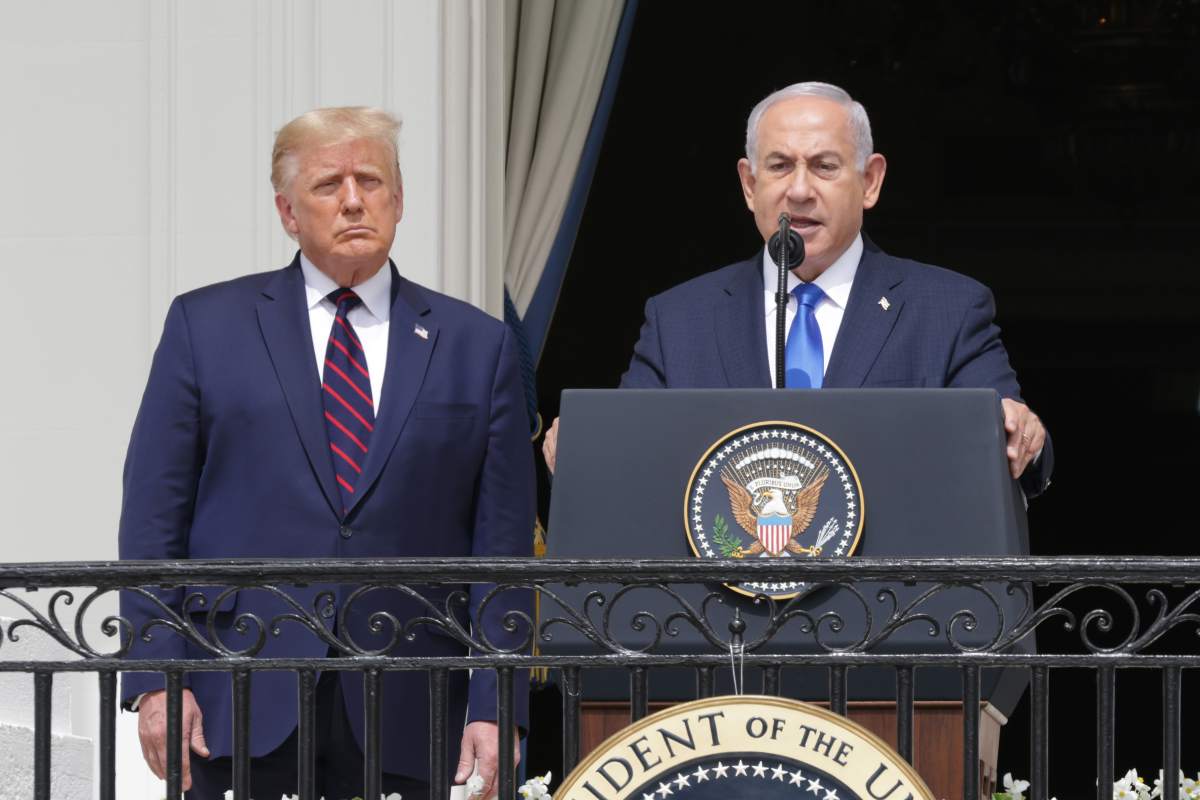
Diplomatic move after Trump pushes for de-escalation
The diplomatic move comes after Trump reportedly urged Netanyahu to scale back Israeli strikes on Lebanon to preserve a fragile ceasefire linked to the Iran conflict.
The request followed Netanyahu’s earlier public pledge to continue military operations, highlighting tensions between Washington and Jerusalem over the scope and intensity of the campaign.
US officials are believed to be concerned that continued strikes could undermine ongoing negotiations with Iran and risk widening the conflict further across the region.
Mixed signals on military restraint
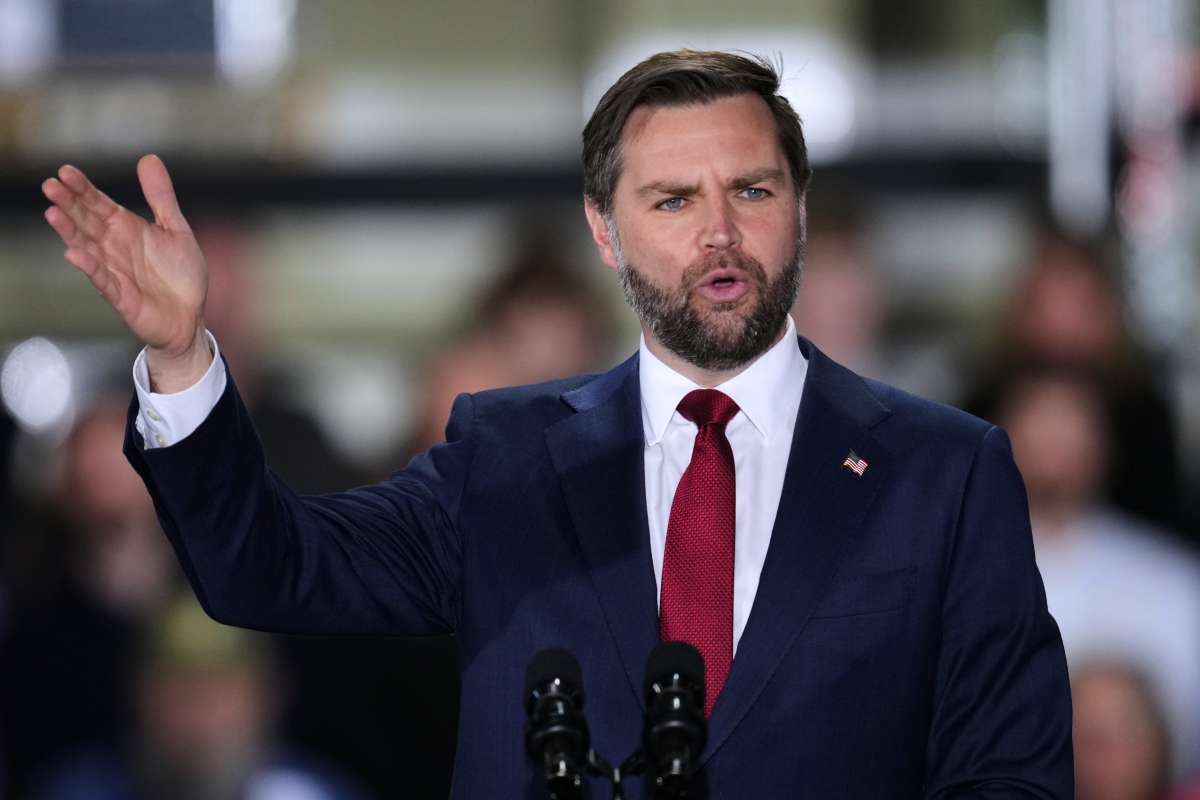
JD Vance said Israel had agreed to “check itself” in Lebanon to support broader negotiations with Iran.
However, Israel launched its largest bombing campaign in Lebanon since the start of the war shortly after, casting doubt on any immediate shift in strategy.
The scale of the strikes raised questions about the extent to which Israel is willing to align its military actions with diplomatic efforts led by the United States.
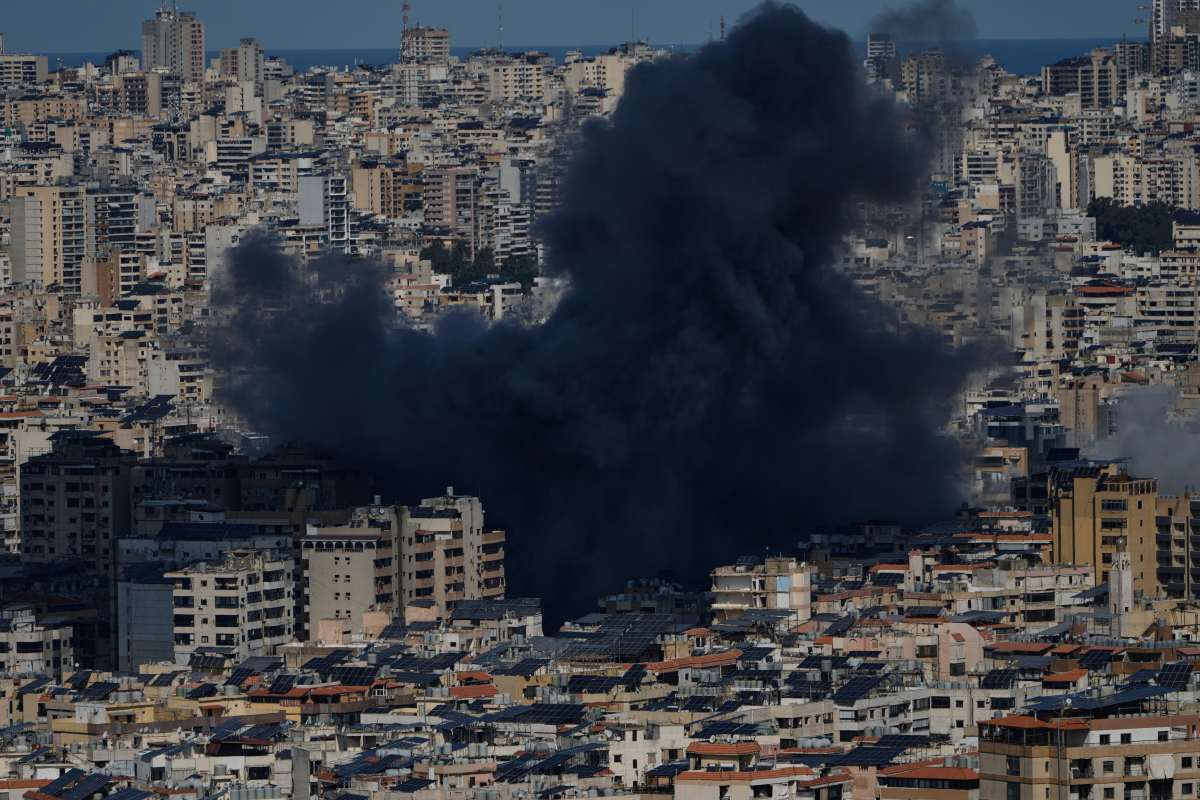
Strikes continue despite diplomatic overtures
Israeli airstrikes continued into Thursday, with the military targeting weapons depots, rocket launchers and Hezbollah positions in southern Lebanon.
While the intensity appeared slightly reduced compared to the previous day, there was no clear indication of a halt in operations.
The continuation of strikes points to Israel’s dual-track approach, maintaining military pressure on Hezbollah while signalling openness to negotiations. Observers say this strategy is aimed at strengthening Israel’s position ahead of any potential talks.