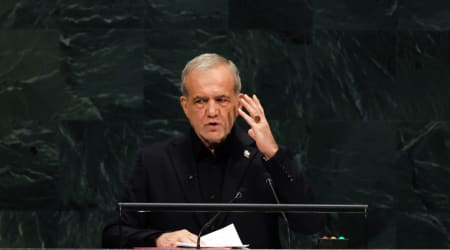
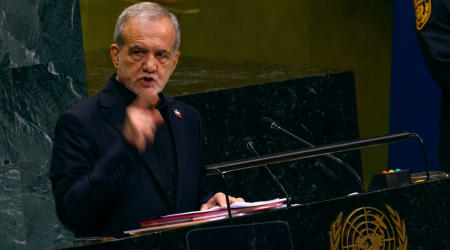
Iran forces US to choose 'war or ceasefire' as Vance cites 'points of agreement' before talks
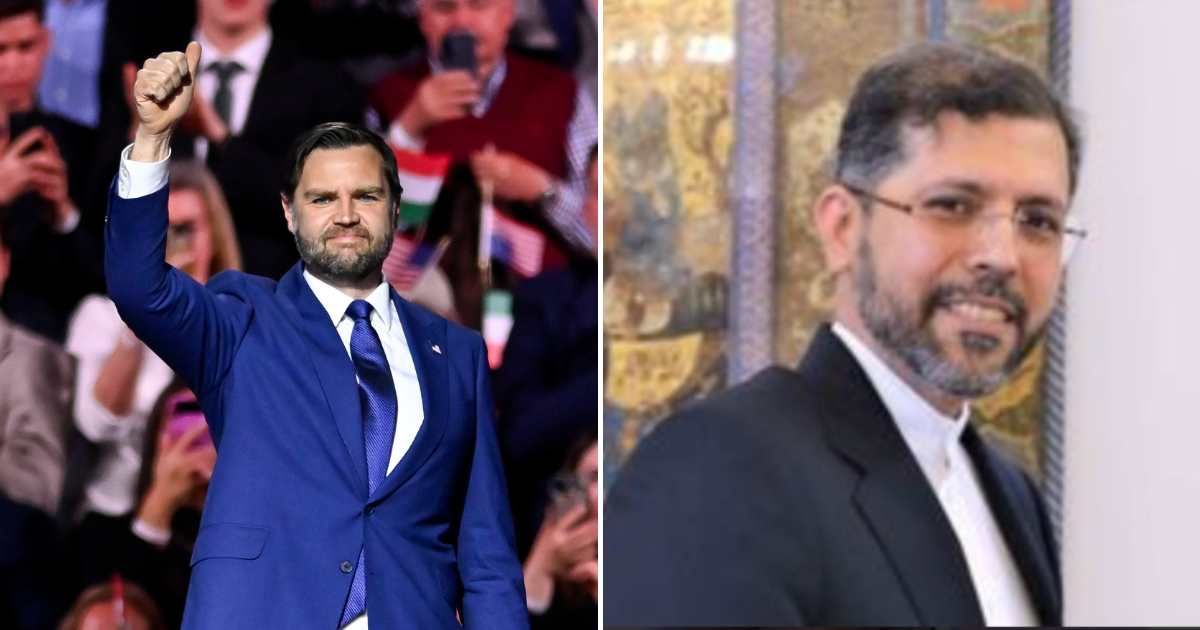
Khatibzadeh argued that Washington could not advocate peace while backing actions that undermined truce efforts, calling the stance contradictory
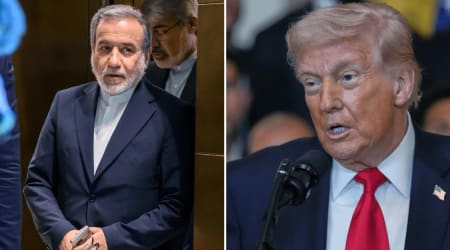
Iran's Deputy Foreign Minister Saeed Khatibzadeh criticized the US stance amid tensions, saying Washington could not pursue both ceasefire and escalation, as Vice President JD Vance cited areas of agreement (AP Images, @SKhatibzadeh/X)

TEHRAN, IRAN: Iran’s Deputy Foreign Minister Saeed Khatibzadeh on Thursday, April 9, said that the United States must choose “between war and ceasefire” as tensions continue in the Middle East ahead of planned negotiations.

His remarks come as Vice President JD Vance indicated there were “a lot of points of agreement” between Washington and Tehran before upcoming talks in Islamabad. 
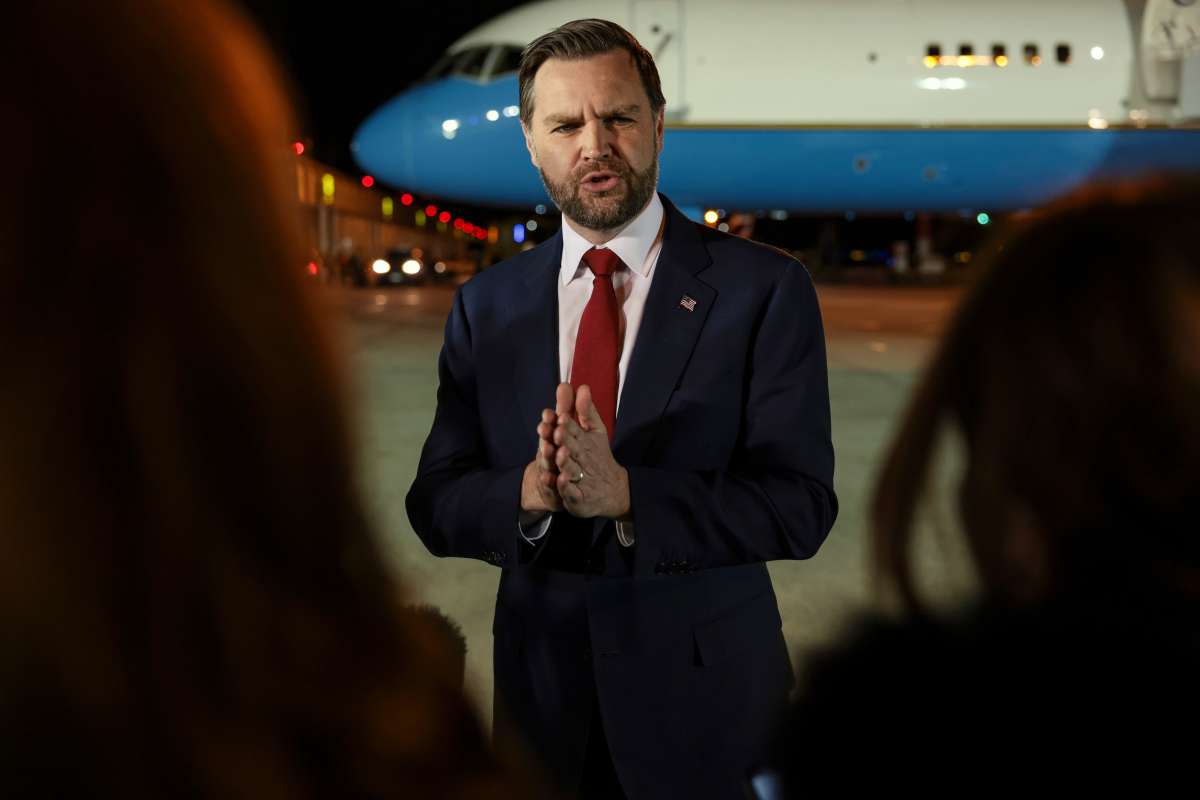
Vice President JD Vance speaks to reporters before boarding Air Force Two to return to Washington, at Budapest Ferenc Liszt International Airport in Budapest, Hungary, Wednesday, April 8, 2026. (Jonathan Ernst/Pool via AP)
Vice President JD Vance speaks to reporters before boarding Air Force Two to return to Washington, at Budapest Ferenc Liszt International Airport in Budapest, Hungary, Wednesday, April 8, 2026 (Jonathan Ernst/Pool via AP)

Saeed Khatibzadeh condemns Israeli strikes, calls ceasefire violation

Khatibzadeh told the BBC that recent Israeli attacks in Lebanon constituted “a grave violation” of a ceasefire agreement and criticized the US position in the conflict. 

He said Washington could not simultaneously advocate for a ceasefire while supporting actions that undermine it.

“You cannot ask for a ceasefire and then accept terms and conditions, accept areas the ceasefire is applied to, and name Lebanon, exactly Lebanon in that, and then your ally just start a massacre,” Khatibzadeh said.

He added that the US must choose “between war and ceasefire, you cannot have it both at the same time.”
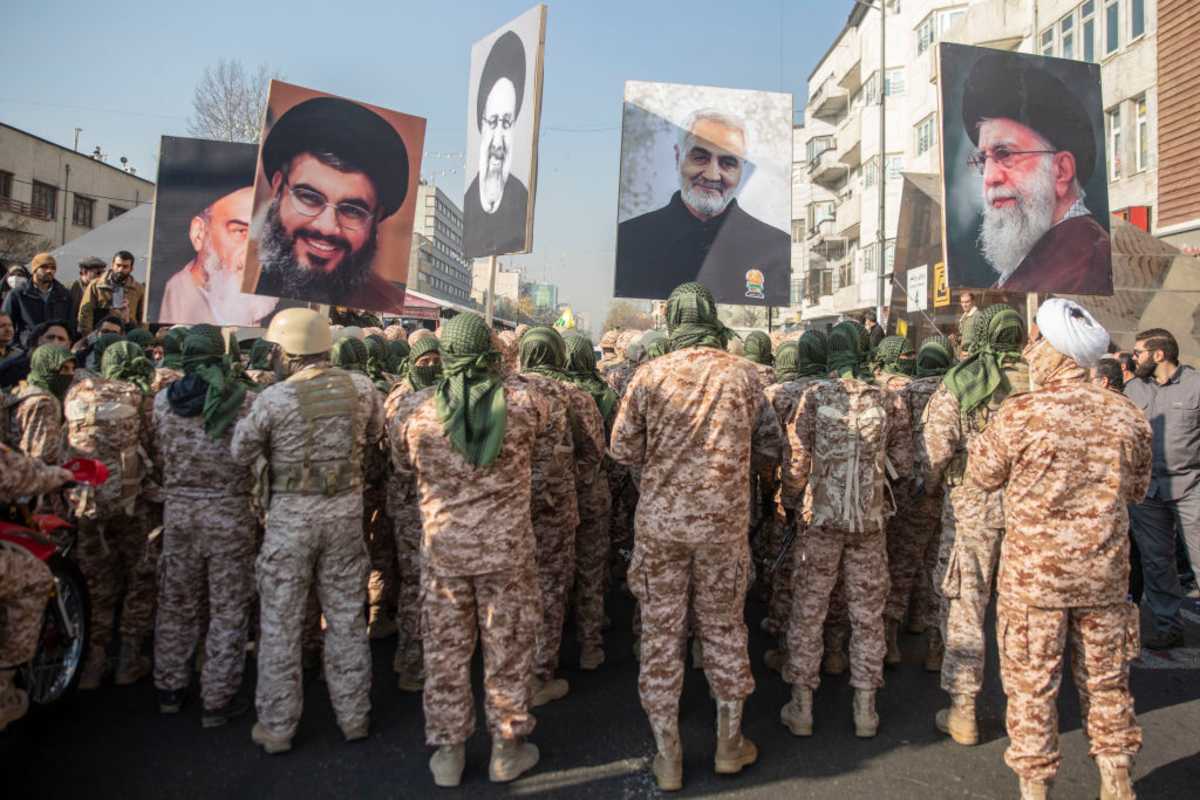
Members of the Iranian Basij paramilitary force march during the force parade during military manoeuvres on January 10, 2025 in Tehran, Iran. The Islamic Revolutionary Guard Corps (IRGC) and Basij, a paramilitary group that has played a prominent role in suppressing protests, held military manoeuvres in the Iranian capital (Getty Images)
Members of the Iranian Basij paramilitary force march during the force parade during military manoeuvres on January 10, 2025, in Tehran, Iran (Getty Images)

While he did not deny that Iranian Revolutionary Guard officers helped train and arm the group, he said “it is not true that they are acting on behalf of us,” adding that agreements involving Iran and the US apply to each country and its respective allies.

Despite the escalation, Khatibzadeh said Iran remained “very much focused on getting (an agreement) done,” though he noted Tehran had “many doubts” about the prospects for a final deal.

He suggested that there were concerns that Washington might be prolonging diplomacy while preparing for military action or attempting to dictate terms without compromise.
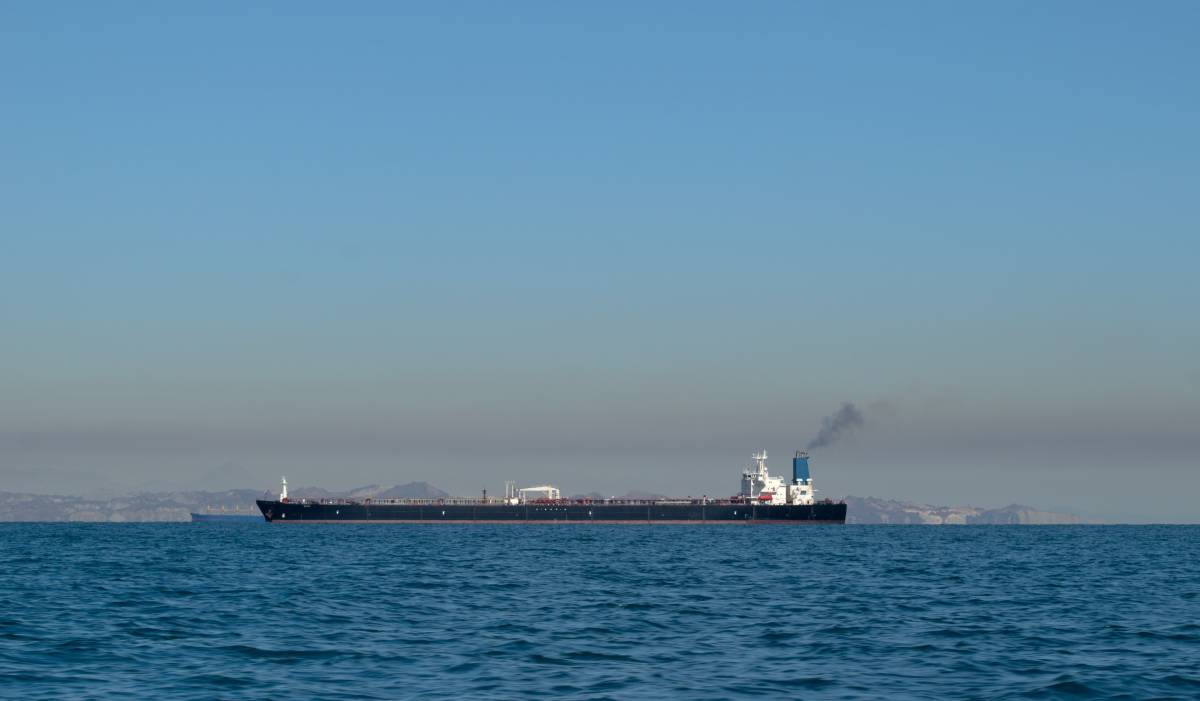
Large oil tanker ship smoking sails Strait of Hormuz, Persian Gulf, Iran - stock photo (Getty Images)
Large oil tanker ship sails the Strait of Hormuz, Persian Gulf, Iran (Getty Images)

Khatibzadeh also said Iran would ensure safe passage through the Strait of Hormuz following what he described as US "aggression," saying, “definitely, we are going to provide security for safe passage, and it is going to happen after the United States actually withdraws this aggression.”

He emphasized that “energy security is important” and said any arrangement must be reciprocal.

JD Vance cites 'points of agreement' as US prepares for talks

Vance said there were “a lot of points of agreement” between the US and Iran as he prepared to lead an American delegation to peace talks in Islamabad.

He made the remarks while departing Hungary, adding that “ceasefires are always messy.”
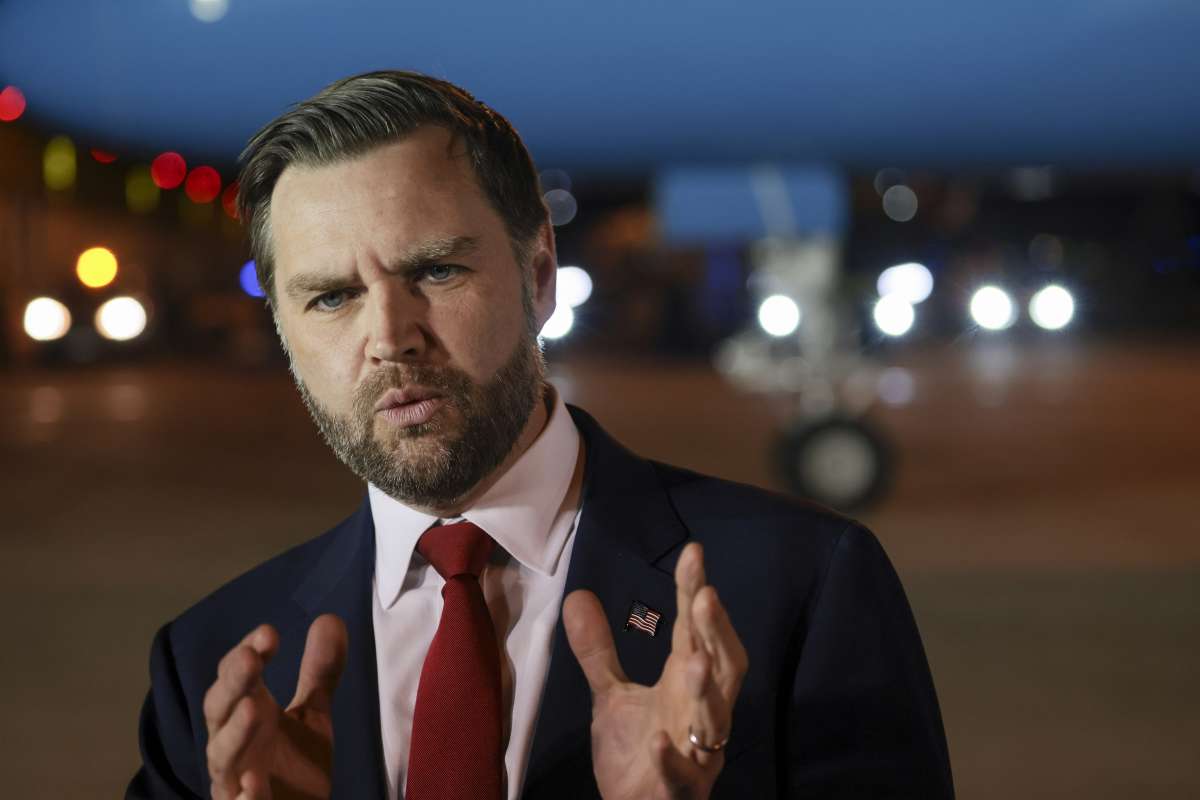
BUDAPEST, HUNGARY - APRIL 8: U.S. Vice President JD Vance speaks to the media before boarding Air Force Two to return to Washington, D.C. from Budapest Ferenc Liszt International Airport on April 8, 2026 in Budapest, Hungary. The White House announced Vance would be leading the U.S. delegation in upcoming peace talks with Iran. Vance was in Hungary supporting Viktor Orbán's bid for reelection in Hungarian parliamentary elections scheduled for April 12. (Photo by Jonathan Ernst-Pool/Getty Images)
Vice President JD Vance speaks to the media before boarding Air Force Two to return to Washington, DC from Budapest Ferenc Liszt International Airport on April 8, 2026, in Budapest, Hungary (Jonathan Ernst-Pool/Getty Images)

President Donald Trump said Vance would be joined by senior envoys Steve Witkoff and Jared Kushner at the negotiations. Iran has confirmed it will participate, though it has not announced details of its delegation.

Trump also stated that US military assets would remain in the Middle East during the ceasefire and negotiation period.

“All US Ships, Aircraft, and Military Personnel, with additional Ammunition, Weaponry, and anything else that is appropriate and necessary for the lethal prosecution and destruction of an already substantially degraded Enemy, will remain in place in, and around, Iran, until such time as the REAL AGREEMENT reached is fully complied with,” he wrote on Truth Social.


He added that failure to meet the terms of any agreement would result in escalation, stating, “then the 'Shootin' Starts,' bigger, and better, and stronger than anyone has ever seen before.”

Trump reiterated that any deal would require Iran not to develop or obtain a nuclear weapon and that the Strait of Hormuz would remain “OPEN & SAFE.”

RELATED TOPICS US STRIKES IRAN

GET BREAKING U.S. NEWS & POLITICAL UPDATES
STRAIGHT TO YOUR INBOX.

MORE STORIES

Kremlin says 90-minute call covered Iran truce, escalation risks, Victory Day ceasefire
3 hours ago
Trump rejects Hormuz opening, maintains $500M/day pressure despite Iran threats
5 hours ago
Merz acknowledged differences with Washington over Iran but emphasized a strong personal rapport despite rising tensions between the two sides
6 hours ago
Patel signals sweeping event security review as Congress seeks Secret Service briefing
2 days ago
Trump was evacuated after an armed suspect breached security at the White House Correspondents' Dinner and exchanged gunfire with law enforcement
3 days ago
The UK warned of economic fallout as blocked Gulf shipping raised costs and strained supply chains, urging swift action to restore safe transit
3 days ago
Controversy began after claims a Pentagon email listed responses to NATO allies over Iran tensions
5 days ago
Kushner, Witkoff head to Pakistan to salvage Iran talks as Trump warns of military option if diplomacy fails
5 days ago
'We are maintaining full freedom of action against any threat', Israeli Prime Minister Benjamin Netanyahu said, signaling continued strikes
5 days ago
Treasury targets Iran crypto wallets to bypass blockade, largest move since Nobitex hack
5 days ago