Dramatic CENTCOM audio warns ships to turn back as US enforces Iran blockade escalation
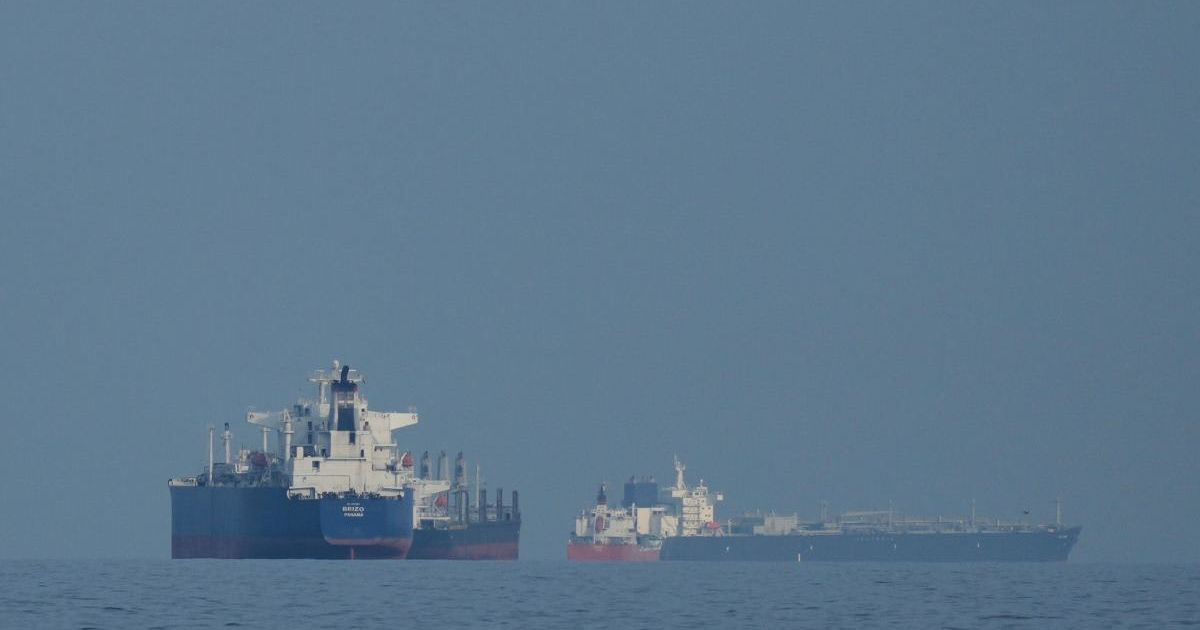
WASHINGTON, DC: A newly released audio clip from United States Central Command on Wednesday, April 15, is drawing attention for its blunt and forceful language, capturing the moment US naval forces warned commercial vessels amid a rapidly escalating blockade of Iranian waters.
The recording shared by CENTCOM on X and now circulating widely offers a rare real-time glimpse into how the United States is communicating enforcement measures on the ground, or rather, at sea, as tensions with Iran intensify.
U.S. naval vessels are on patrol in the Gulf of Oman as CENTCOM continues to execute a U.S. blockade on ships entering and departing Iranian ports. U.S. forces are present, vigilant, and ready to ensure compliance. pic.twitter.com/dnHR2oz0ZN
— U.S. Central Command (@CENTCOM) April 15, 2026
CENTCOM releases tense audio
At the center of the development is a stark broadcast issued by the United States Navy to ships operating near Iranian waters. The warning leaves little room for ambiguity.
“The US has announced a formal blockade of Iranian ports and coastal areas. This is a legal action,” the transmission begins.
What follows is a direct instruction to vessels in the region.
“All vessels are advised to immediately return to port if leaving and discontinue transit to Iran if that is your next port of call.”
The message escalates quickly in tone, shifting from advisory to enforcement.
“Do not attempt to breach the blockade,” the broadcast continues, before warning that ships could face interception. “Vessels will be boarded for interdiction and seizure.”
The most striking portion of the audio comes in its closing lines, where the threat of force is made explicit.
“Turn around and prepare to be boarded. If you do not comply with this blockade, we will use force. The whole of the United States Navy is ready to force compliance. Now.”
After implementing the blockade on ships entering and departing Iranian ports, American forces halted economic trade going into and out of Iran by sea. U.S. Sailors, Marines, and Airmen remain positioned and ready to act against any vessels seeking to violate the blockade. pic.twitter.com/JJag3tNdx2
— U.S. Central Command (@CENTCOM) April 15, 2026
Tensions escalate over Strait of Hormuz
Audio releases of this nature are relatively uncommon, especially those that capture operational warnings in full.
The audio release comes as the US military confirms that the blockade of Iranian ports has now been fully implemented, effectively cutting off maritime trade routes into and out of the country.
During the first 48 hours of the U.S. blockade on ships entering and exiting Iranian ports, no vessels have made it past U.S. forces. Additionally, 9 vessels have complied with direction from U.S. forces to turn around and return toward an Iranian port or coastal area. pic.twitter.com/h4msgvaPTl
— U.S. Central Command (@CENTCOM) April 15, 2026
Within the first 48 hours alone, American naval forces reportedly issued warnings to 9 vessels, prompting them to change course.
Iran has responded with its own warnings, signaling potential retaliation and raising the possibility of disruptions across key waterways, including the Persian Gulf and surrounding seas.
🚨 JUST IN: President Trump announces the Iran war is CLOSE TO OVER because Iran is DESPERATE to come back to him and make a deal
— Eric Daugherty (@EricLDaugh) April 15, 2026
The blockade is WORKING!
"I think it's close to over, yeah. I mean, I view it as very close to over."
"It would take them 20 YEARS to rebuild that… pic.twitter.com/aLEjMDNcJe
The exchange of threats has added to concerns about further escalation in an already volatile region.
Amid this backdrop, President Donald Trump has continued to suggest that the broader conflict could be nearing an end, while also leaving the door open for continued military action if necessary.