Trump warns of ‘quick and brutal’ strikes as Navy targets Iran's fast attack fleet
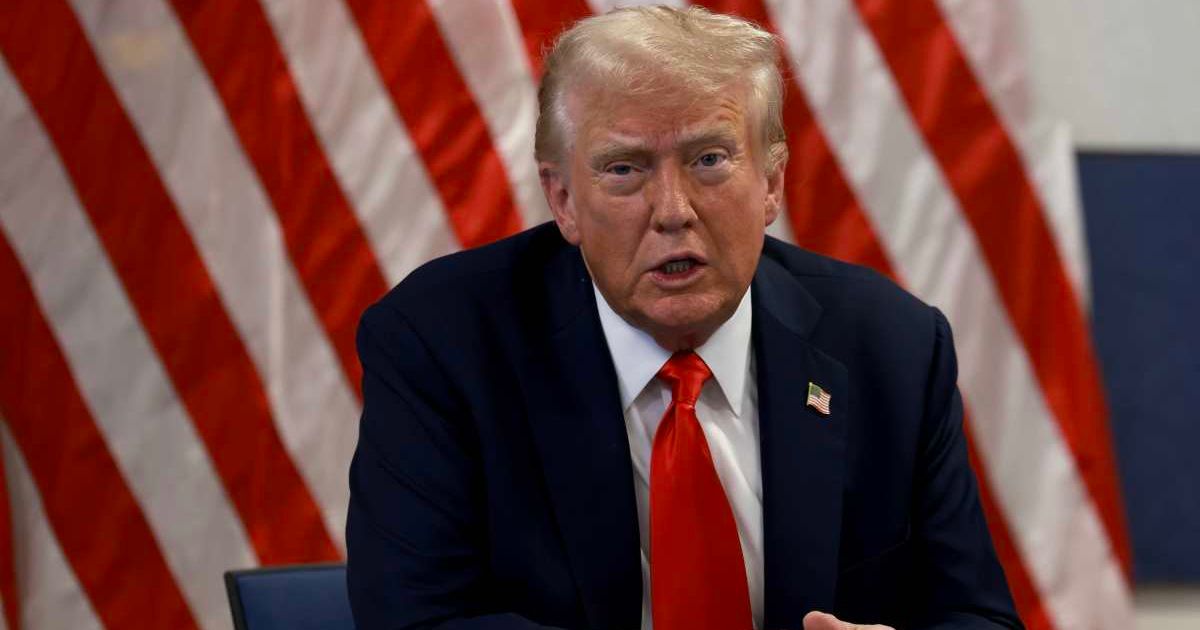
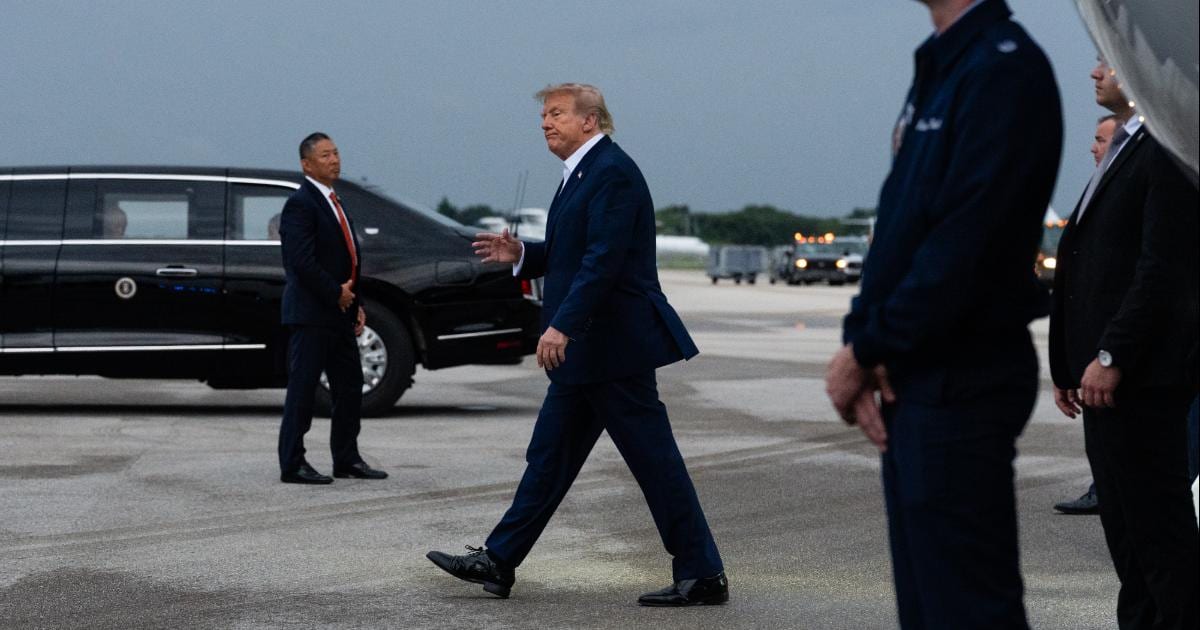
WASHINGTON, DC: President Donald J. Trump on Monday, April 13, issued a stark warning regarding Iran’s remaining maritime assets, stating that US forces would take immediate action against any vessels approaching the ongoing naval blockade.
In a Truth Social post, Trump said a large number of Iranian ships had been destroyed during recent operations, describing the scale of damage to Tehran’s naval capabilities.
The President stated that 158 Iranian vessels are now “at the bottom of the sea,” a claim that, if confirmed, would indicate a significant degradation of Iran’s conventional naval strength following weeks of military action.
US officials have not independently released a detailed breakdown of the losses.
Trump also acknowledged that a limited number of smaller vessels remain operational, particularly fast attack craft often used for patrol and harassment missions in the Persian Gulf.
Fast attack ships face ‘immediate elimination’
The President issued a direct warning to crews operating the remaining vessels, stating that any ship approaching US-enforced blockade zones would be “immediately eliminated.”
The statement coincides with expanded enforcement measures by US Central Command (CENTCOM), which began implementing tighter maritime controls earlier in the day.
🚨🌊🇮🇷🇺🇸 Strait of Hormuz Tensions Hold
— WAR (@warsurv) April 12, 2026
Iranian fast attack boats remain active in the Strait as U.S. warships track a close approach but hold fire to avoid breaking today’s ceasefire pic.twitter.com/ZQHbP438RB
According to defense officials, the blockade applies to traffic linked to Iranian ports and surrounding waters, with heightened monitoring of vessel movements through the Strait of Hormuz.
The region remains one of the world’s most sensitive maritime corridors, handling a significant share of global oil shipments.
Fast attack craft, commonly deployed by the Islamic Revolutionary Guard Corps (IRGC), have historically been used for rapid-response operations and close-range engagements.
Their continued presence has been cited as a potential risk factor in the current standoff.
Brutal dr*g dealer ‘system of kill’
In his remarks, Trump said the US military could apply tactics similar to those used in maritime counter-narcotics operations.
“We will use the same system of kill that we use against the dr*g dealers on boats at sea,” he wrote, referring to existing interdiction strategies used by US forces in international waters.
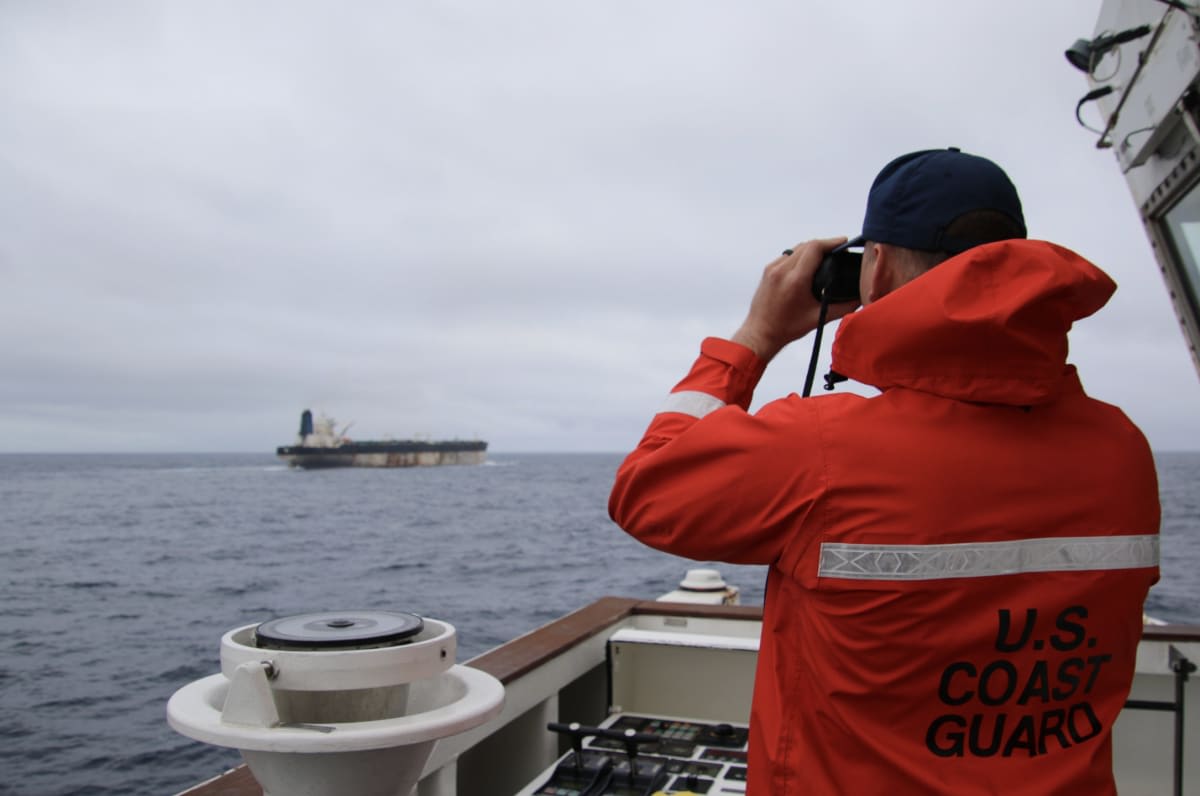
Such operations typically involve rapid interception, disabling maneuvers, and, in some cases, the destruction of vessels deemed a threat.
Defense analysts note that applying these methods in a military context would represent an escalation in rules of engagement, particularly in contested waters.
The President also referenced US efforts to curb narcotics trafficking via maritime routes, linking those operations to broader enforcement strategies.
One hundred fifty-eight ships obliterated
Trump’s claim that 158 Iranian ships have been destroyed marks one of the most detailed figures provided so far regarding the naval dimension of the conflict.
While previous statements from the administration have pointed to heavy damage to Iranian military infrastructure, specific numbers have remained limited.

If accurate, the figure would suggest extensive strikes on naval bases and fleets along Iran’s southern coastline, including key locations such as Bandar Abbas and Bushehr.
Independent verification of the number has not yet been provided by US defense agencies or international observers.
Military experts caution that assessments of battlefield damage often evolve as additional intelligence becomes available.
Blockade security enters ‘lethal’ phase
With the blockade now fully operational, US forces are expected to maintain continuous surveillance and enforcement across critical maritime zones.
Officials have indicated that the objective is to restrict movement linked to Iranian military and economic activity while ensuring the safety of international shipping lanes.
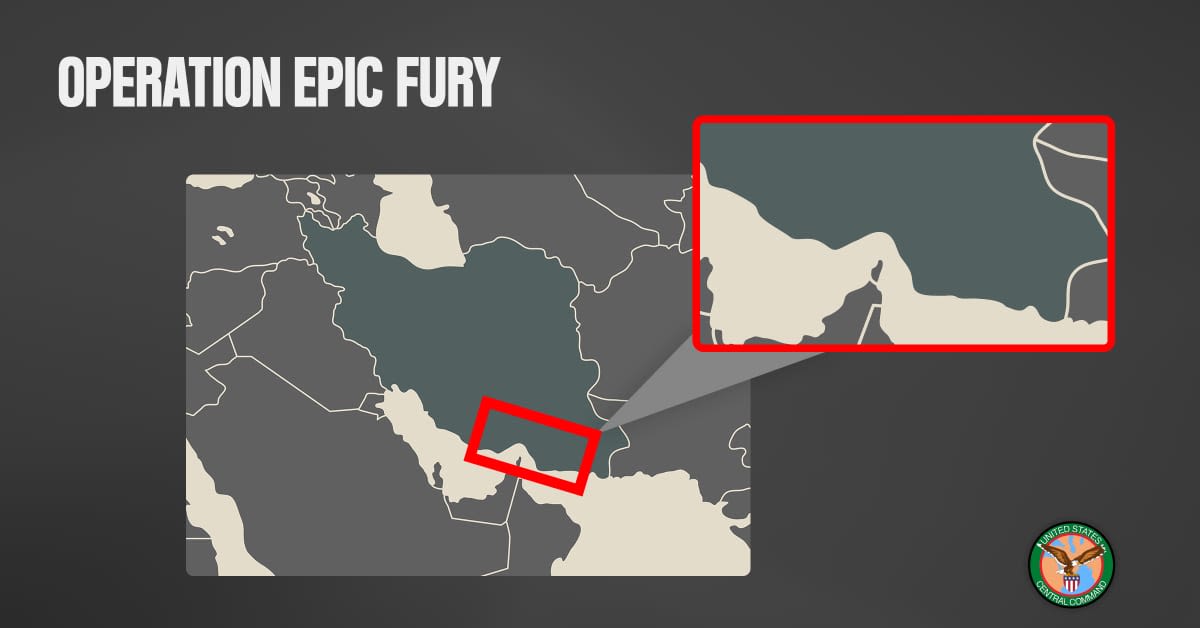
Trump’s latest warning reflects a shift toward stricter enforcement measures, with an emphasis on deterrence and rapid response. The President reiterated that US forces would not allow any interference with blockade operations.
At the same time, diplomatic efforts involving regional intermediaries, including Egypt, Turkey, and Pakistan, are ongoing as part of attempts to de-escalate tensions.