Hormuz leak questions grow after Chinese tanker ‘breakout’ through blockade
WASHINGTON, DC: US Central Command (CENTCOM) on Tuesday, April 13, reported that the first 24 hours of the naval blockade in the Strait of Hormuz were successfully enforced, stating that no vessels breached restrictions imposed on maritime traffic linked to Iranian ports.
According to military officials, multiple vessels were intercepted and redirected during the initial phase of the operation, which involves thousands of US personnel across naval and air assets.
CENTCOM said at least six merchant vessels were ordered to turn back after approaching restricted zones, indicating early compliance with the blockade measures.
The operation, announced by President Donald J. Trump, is aimed at monitoring and controlling shipping activity in one of the world’s most critical energy corridors.
More than 10,000 U.S. Sailors, Marines, and Airmen along with over a dozen warships and dozens of aircraft are executing the mission to blockade ships entering and departing Iranian ports. During the first 24 hours, no ships made it past the U.S. blockade and 6 merchant vessels… pic.twitter.com/dpWAAknzQp
— U.S. Central Command (@CENTCOM) April 14, 2026
However, questions have emerged following reports that a sanctioned tanker may have passed through the Strait during the same period.
CENTCOM insists blockade remains ‘unbroken’
In a statement posted on X, CENTCOM maintained that enforcement operations remain intact and that US forces retain control over key transit routes.
Officials said the blockade targets vessels entering or leaving Iranian ports, as well as those suspected of engaging in financial transactions with Tehran that violate US directives.
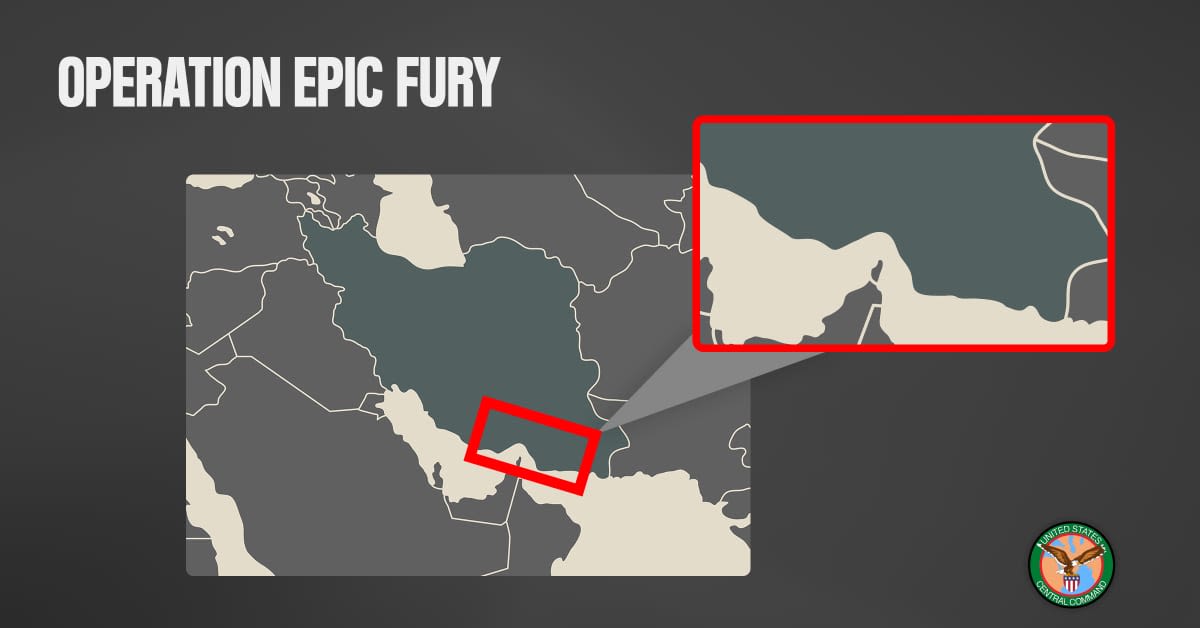
The command described the operation as ongoing and emphasized that naval and aerial surveillance systems are actively monitoring vessel movements in the region.
CENTCOM did not provide additional operational details when asked about specific incidents.
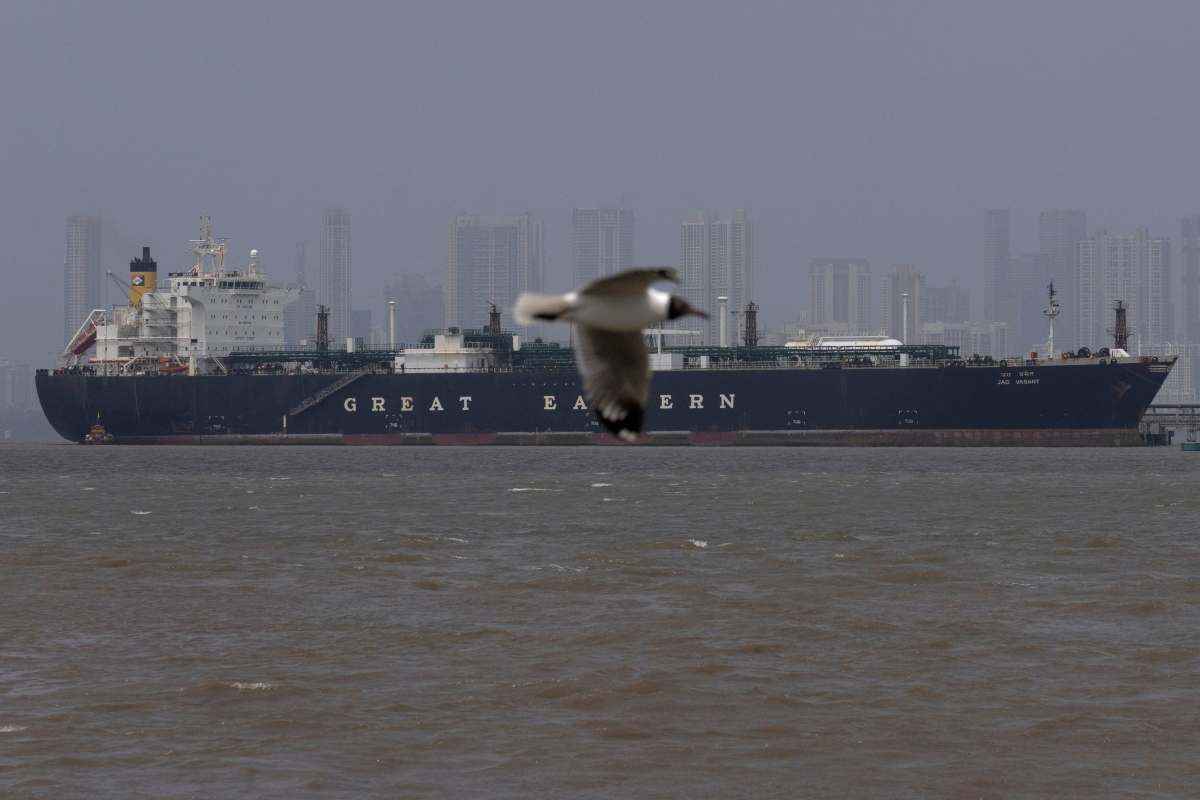
Reports from maritime tracking firms, including Kpler, indicate that a tanker identified as Rich Starry transited the Strait carrying approximately 250,000 barrels of methanol.
The vessel, which has been linked to US sanctions, reportedly made the passage after a prior attempt.
When asked about the reported transit, Pentagon officials referred inquiries back to CENTCOM, which declined to comment further beyond its public statement.
The discrepancy between official claims and third-party tracking data remains unresolved.
Nuclear deadlock triggers ‘lethal’ pressure
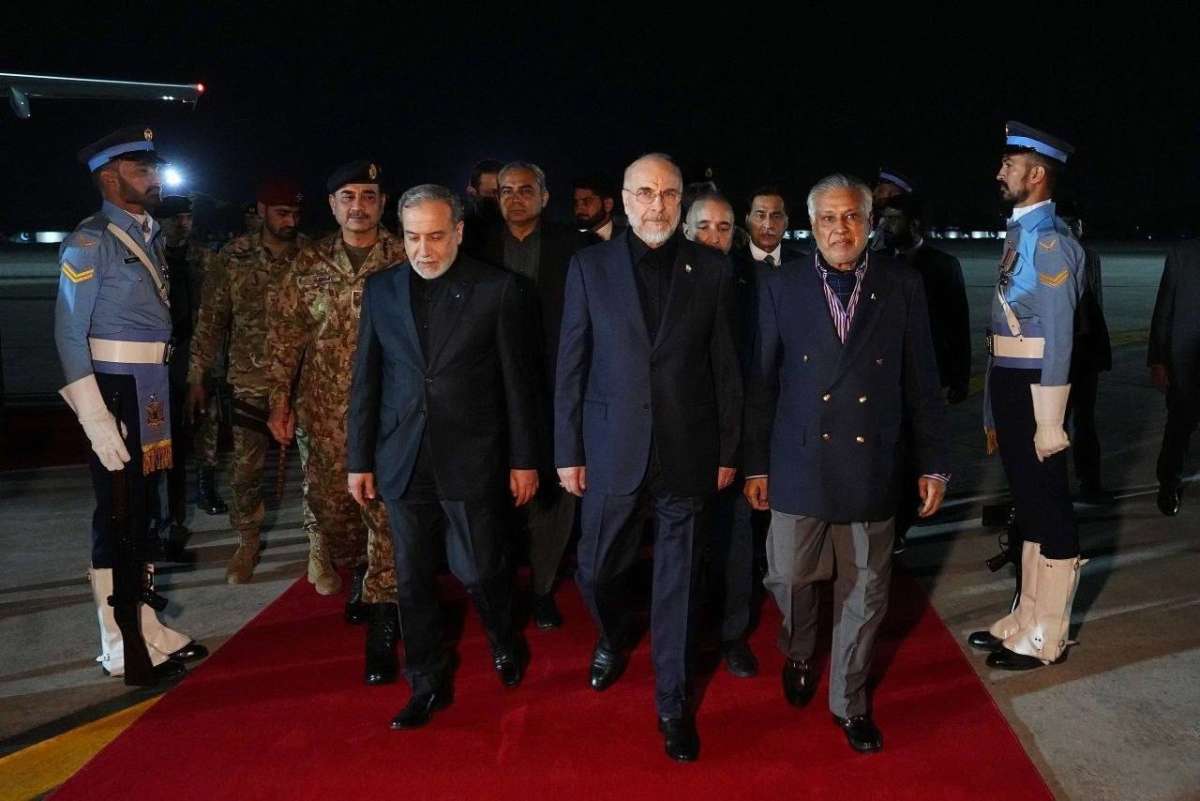
The blockade follows the collapse of recent diplomatic talks between US and Iranian representatives in Islamabad, where negotiations stalled over key terms related to Iran’s nuclear program.
According to sources familiar with the discussions, Washington has proposed a long-term halt to nuclear activity, while Tehran has indicated willingness only for a shorter-term arrangement.
The maritime enforcement effort is part of a broader strategy aimed at increasing economic pressure while negotiations remain at an impasse.
US officials have indicated that restricting maritime activity could impact Iran’s export capabilities, particularly in energy-related sectors.
The current ceasefire framework is set to expire in the coming days, with efforts underway to resume negotiations.
Diplomatic channels involving regional intermediaries are reportedly active, though no new meeting has been formally announced.
As enforcement continues, shipping activity in the Strait remains under close watch, with market participants and governments monitoring both compliance levels and potential escalation risks.