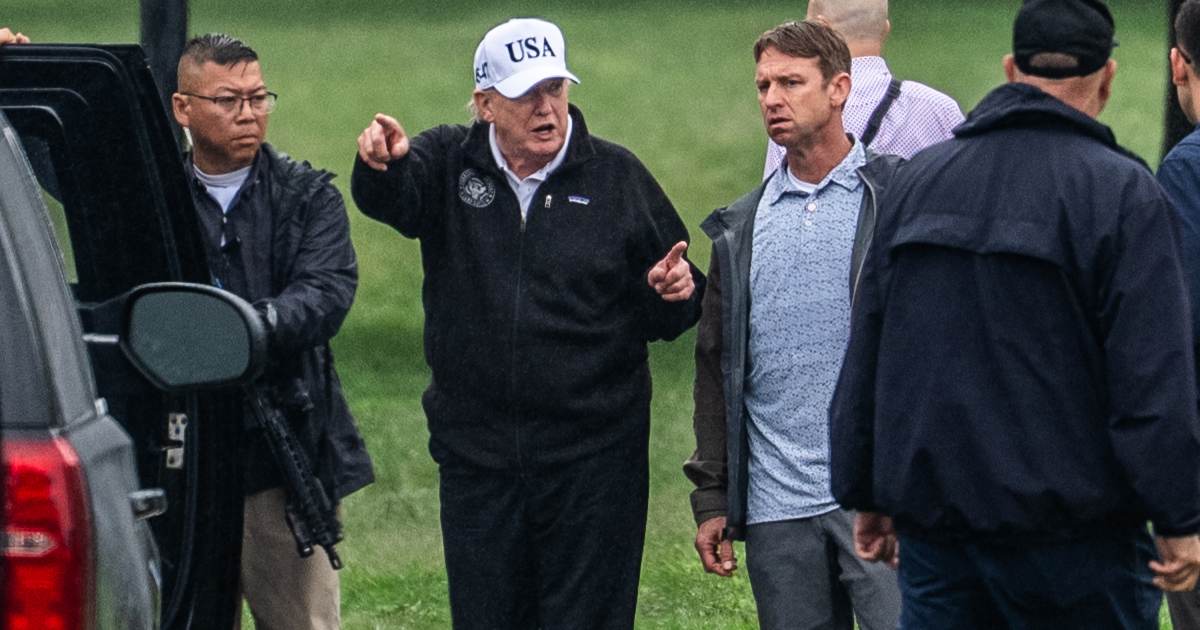
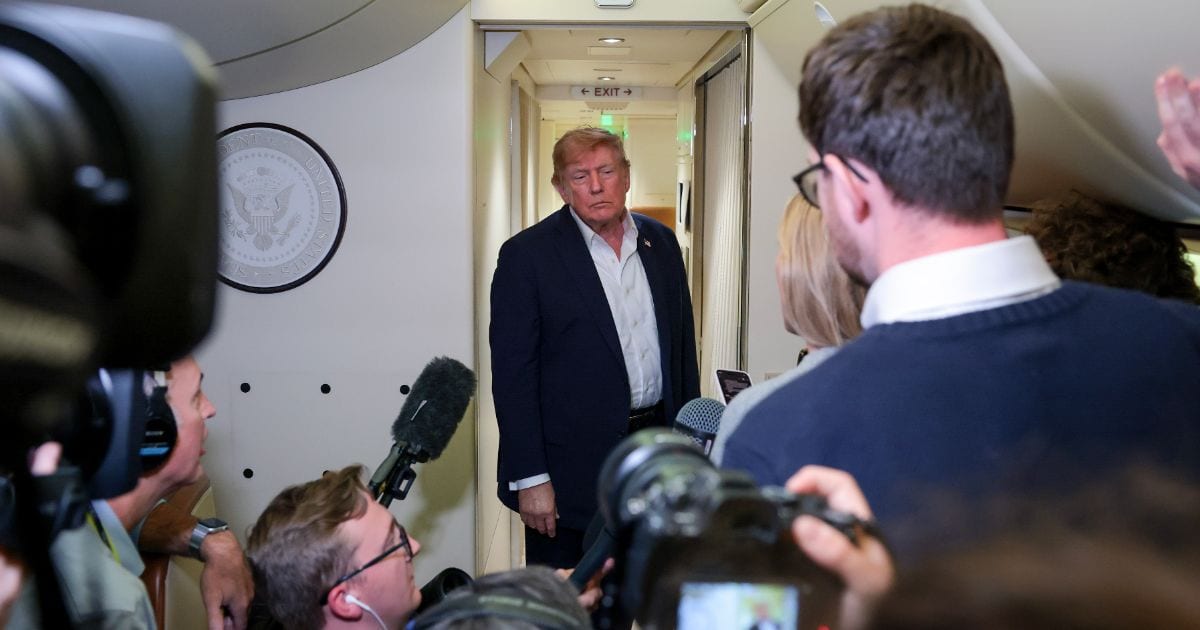
Chris Murphy slams Trump's war strategy, says 'every single day US gets weaker, Iran gets stronger'
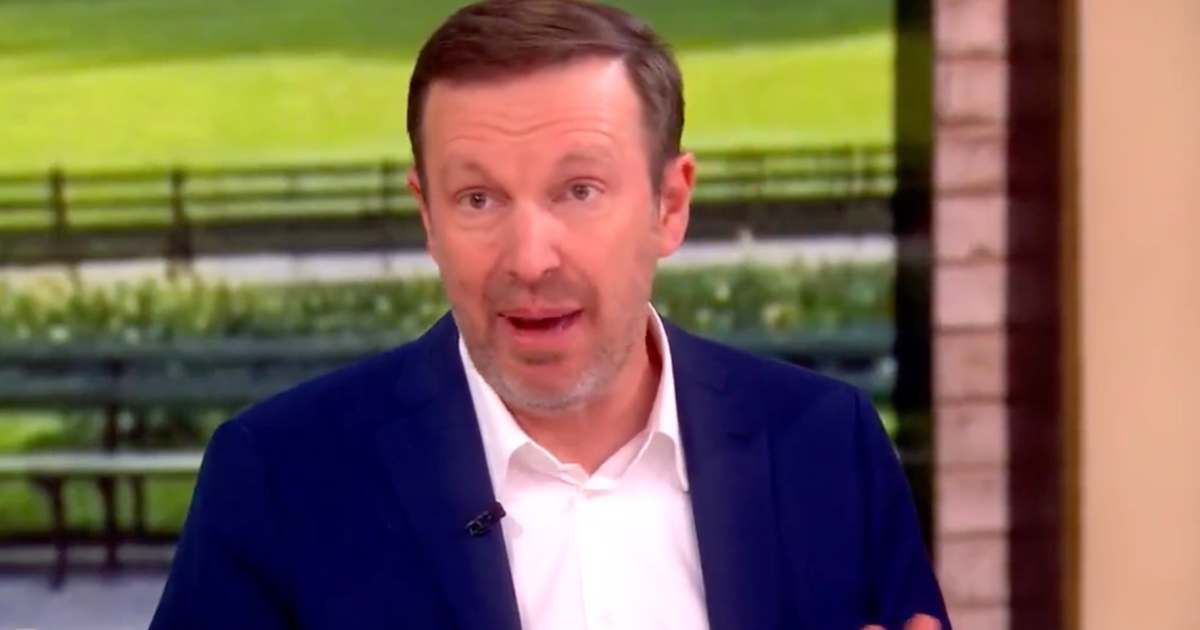
WASHINGTON, DC: Senator Chris Murphy delivered a warning about President Donald Trump’s military operations in Iran, arguing that the longer the conflict continues, the more damage it does to the United States.
Speaking during an appearance on ABC’s ‘The View’ on Tuesday, May 26, the Connecticut Democrat said the ongoing war was weakening America while strengthening Iran, even as the White House continued sending mixed signals about whether a deal could soon be reached.
'Crisis of the Common Good' author Sen. Chris Murphy discusses the current state of the Iran war, why he believes the $1.8 billion compensation fund is "unbelievably corrupt" and how he thinks the Democratic Party can regain its footing with the American public. pic.twitter.com/LBU71V4FSr
— The View (@TheView) May 26, 2026
Chris Murphy says Trump’s Iran strategy is sending mixed signals
The discussion began when co-host Joy Behar questioned Murphy about Trump’s recent messaging on Iran. Behar pointed out that the president had suggested a deal was close while simultaneously continuing military operations, including strikes in southern Iran.
“So, do you think that we are closer to ending this war?” Behar asked. “And what has the United States exactly gotten out of all of this?”
Murphy responded by saying his priority was ending the war before the conflict dragged America into a deeper crisis.
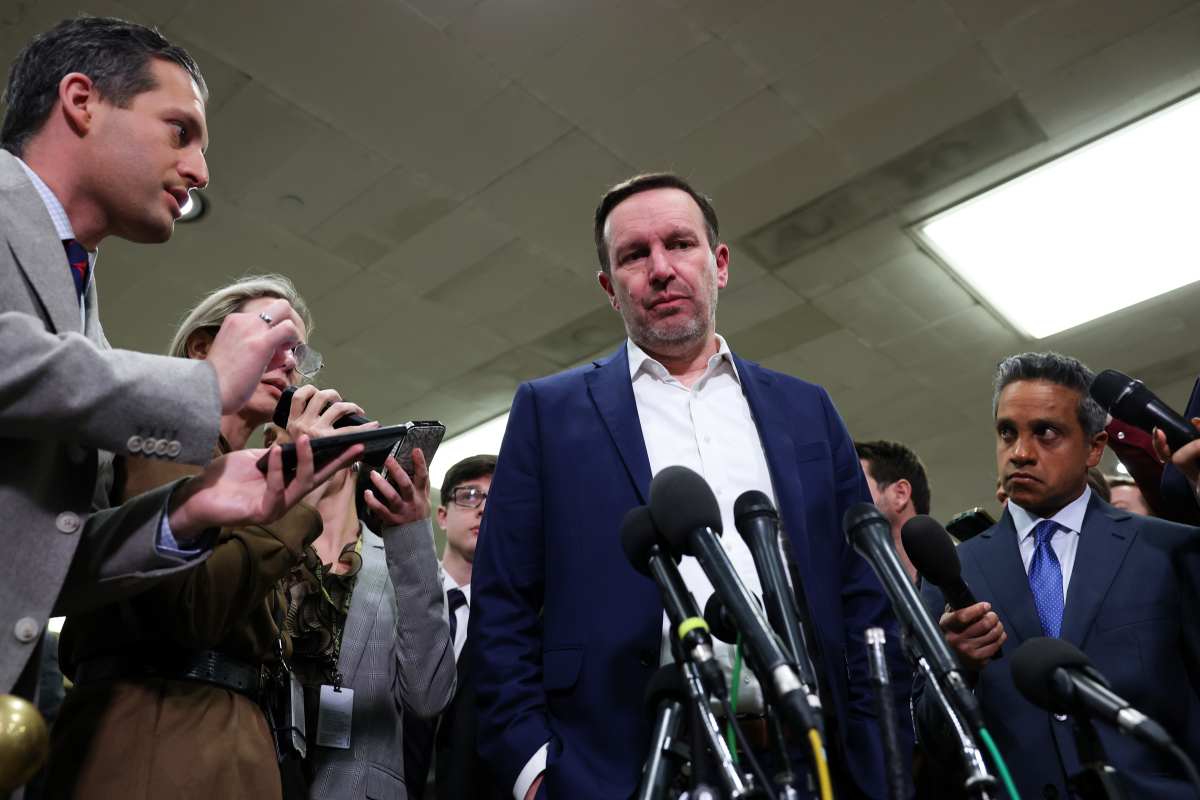
“Well, listen, I want this war to end as soon as possible,” Murphy said. “I mean, every single day that this war continues, the country gets weaker, Iran gets stronger.”
The senator also highlighted the human cost of the conflict, saying ordinary families were already paying the price. “Families are being devastated here,” he added.
Murphy acknowledged that he did not believe the emerging deal sounded like a particularly strong one for the United States, but argued that continuing the conflict would be worse.
“So, you know, this is not going to be a good deal,” he said. “But right now, we just need the war to end.”
Chris Murphy questions need for Iran war
One of Murphy’s sharpest criticisms focused on what he described as the contradiction at the center of Trump’s current negotiations.
The senator argued that if the ultimate goal was simply reopening the Strait of Hormuz and restoring stability, then the war itself may have been unnecessary.
“He’s basically talking about paying Iran money, right?” Murphy said. “Getting rid of sanctions that we have on Iran. So, giving Iran billions of dollars just so that we can get back to where we were before the war started.”
Murphy then pointed directly to the Strait of Hormuz, which has become a central issue in the ongoing negotiations.
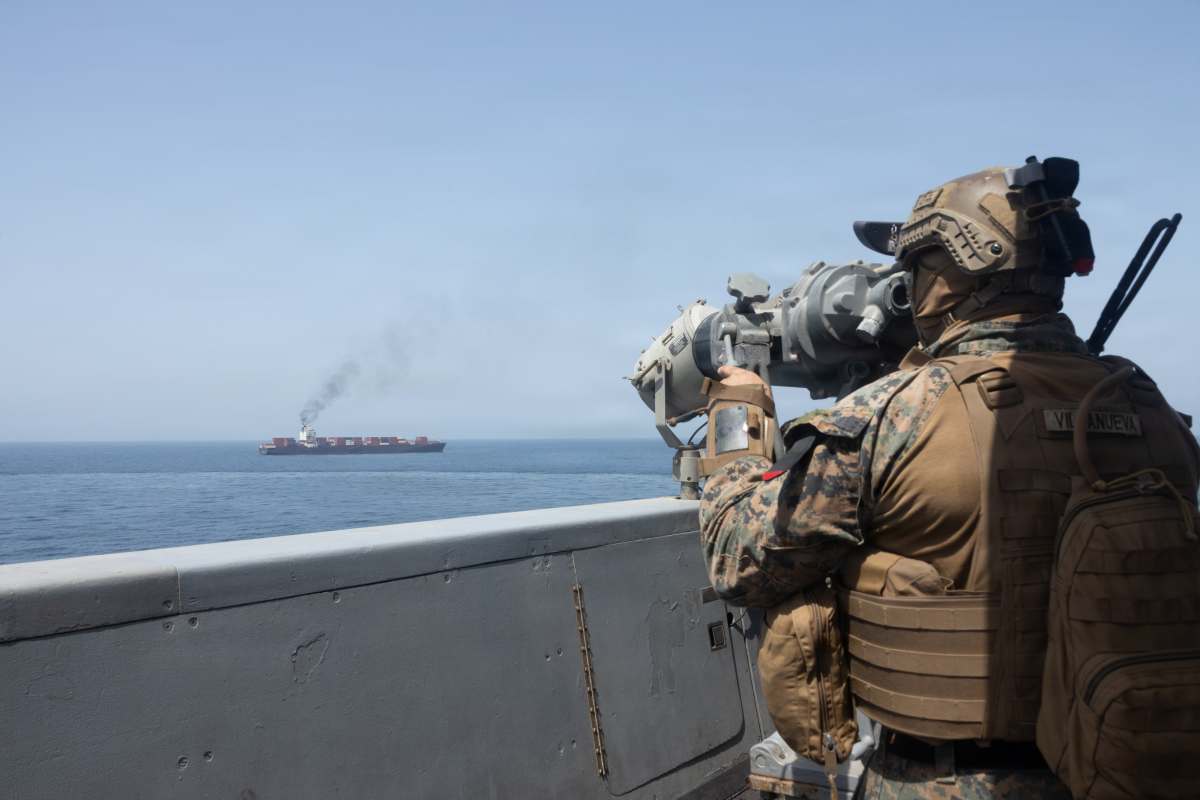
“The strait is open again,” he said. “Well, we didn’t have to go through this whole misery. If all we wanted was the Strait of Hormuz to be open, it was open.”
Murphy repeatedly returned to the same central argument throughout the interview. “But the bottom line is, every day this war goes on, we get weaker, they get stronger,” he said.
Chris Murphy warns against another costly war
Murphy also framed the conflict through the lens of public exhaustion after years of foreign wars. The senator argued that Americans are tired of spending massive amounts of money overseas while domestic concerns continue piling up at home.
“So, even though this isn’t a good deal, I’ll take it because we need to bring our troops home,” Murphy said. “We shouldn’t lose a single additional American.”
He also linked the conflict to growing economic concerns, especially around rising costs and energy prices.
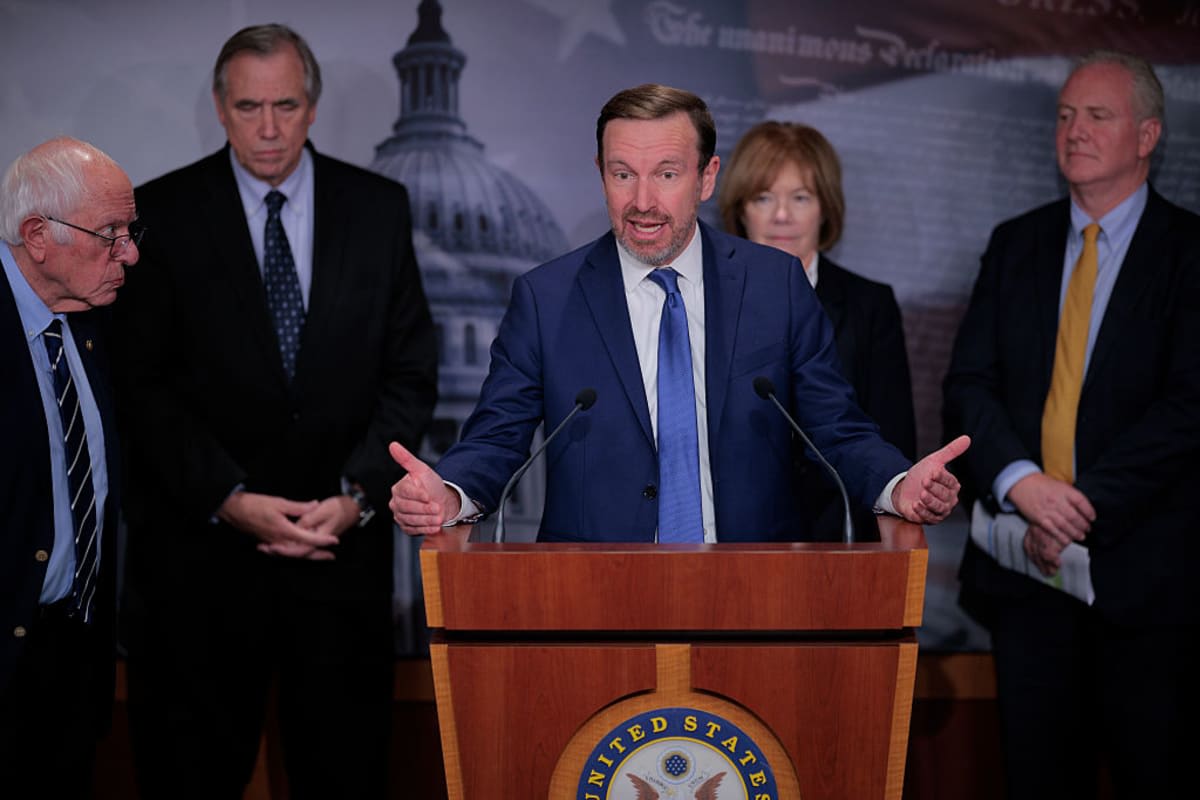
“We spent so much money on this war, we’ve got to get gas prices down,” he added. “So that’s my position.” His remarks come at a moment when divisions over Iran are becoming increasingly visible in Washington.
Trump has alternated between optimistic talk about negotiations and aggressive military action, creating uncertainty over whether the White House is moving toward diplomacy or preparing for a longer conflict.
Over the weekend, the president suggested that a deal had been “largely negotiated,” though officials later clarified that negotiations were still ongoing and far from finalized.
At the same time, military operations continued.
That mixed messaging has created political tension not only between Democrats and Republicans, but also within the Republican Party itself, where some conservatives have started expressing concern over the cost and direction of the conflict.