JD Vance credits wife Usha for shaping his faith journey and political life: 'She's brilliant'
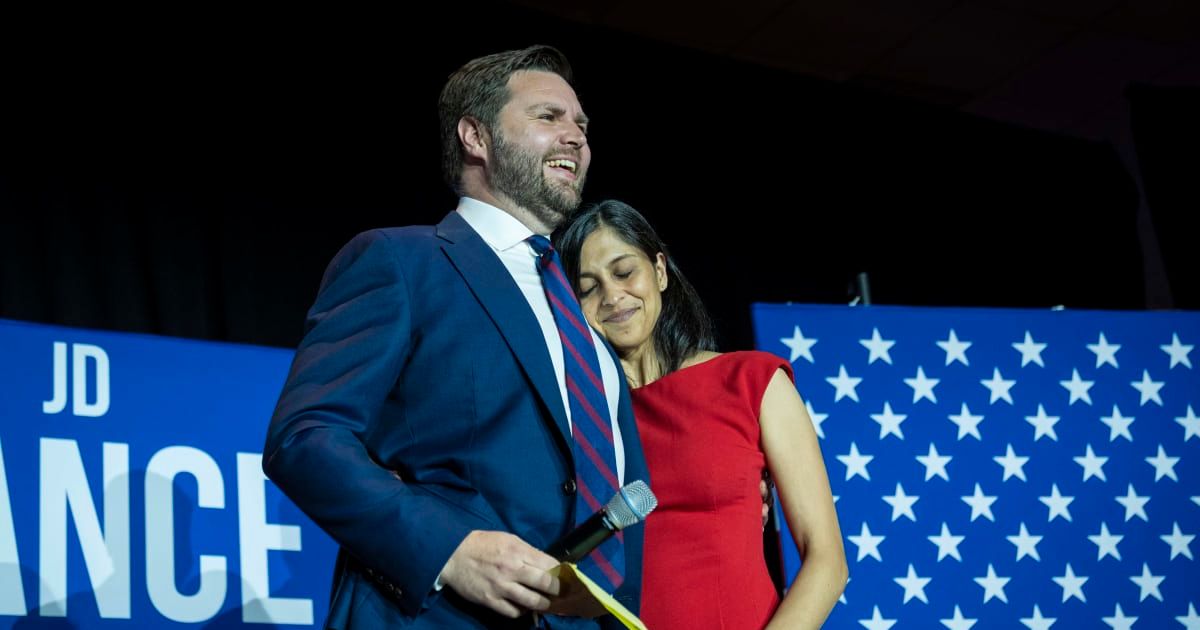
WASHINGTON, DC: Vice President JD Vance opened up about his religious journey, political life, and marriage to Second Lady Usha Vance in a wide-ranging new interview, crediting his wife with playing a major role in his conversion to Christianity despite her not being a Christian herself.
Speaking to NBC News ahead of the release of his new book ‘Communion’, Vance described Usha as deeply influential in both his personal and professional life, saying the memoir “wouldn’t exist” without her involvement.
Vance discusses faith, war, and political leadership
The vice president spoke about how faith has influenced his approach to governing, including decisions surrounding the ongoing Iran conflict.

Vice President JD Vance had, in his words, a “vicious editor” for his new book: Second Lady Usha Vance.
“She doesn’t sugarcoat things,” Vance said of his wife on Tuesday in an interview with NBC News. “She’s very direct.”
Usha Vance, he added, was heavily involved in nearly every facet of shaping ‘Communion,’ which HarperCollins is set to release June 16.
She helped “harmonize different chapters” and excise parts that “didn’t add anything of value.”
“Fundamentally, the book wouldn’t exist without her,” he added. “I certainly, I don’t think, would be a Christian today were it not for my wife.”
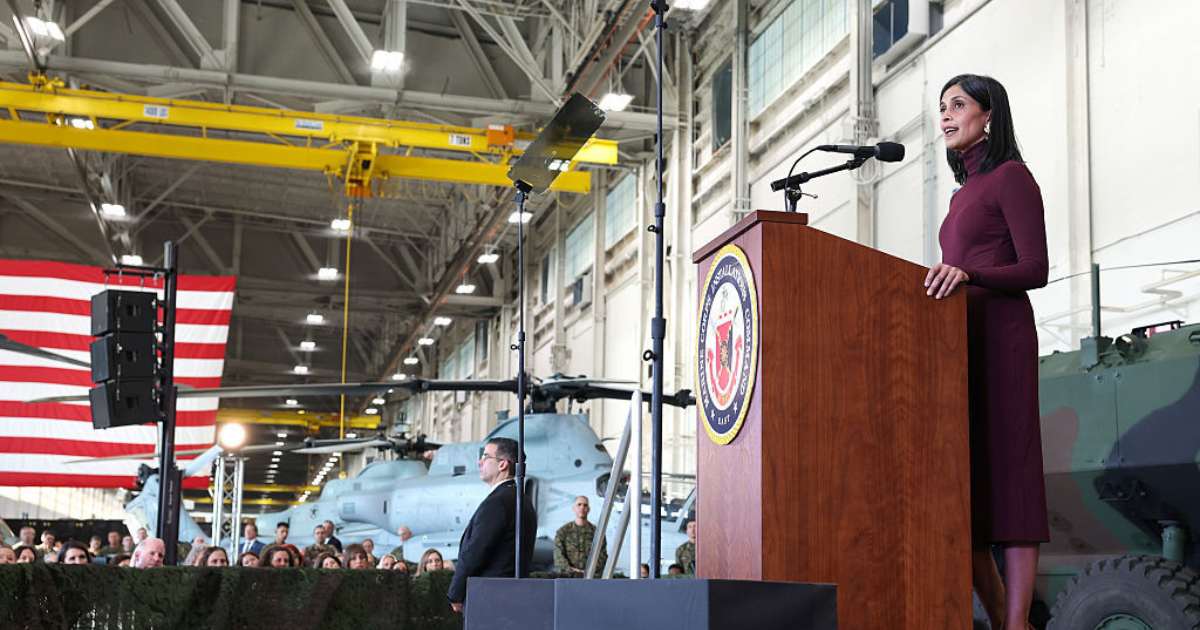
The interview offered one of Vance’s most personal reflections yet since becoming vice president and emerging as a leading figure in the Republican Party and potential future presidential contender.
Vance explained that his faith journey moved from Protestantism to atheism before eventually converting to Catholicism, a process he said was strongly encouraged by Usha even though she remains Hindu.
“There is a certain irony to it, because she is not herself a Christian,” Vance said.
JD Vance talks about morality and Usha’s conversion
Vance acknowledged that his Catholic beliefs have shaped how he thinks about military action and foreign policy, referencing Christianity’s “just war” theory.
“It’s forcing you to ask the right questions,” Vance said. “So I find myself constantly asking myself: ‘Is this justified? Is this moral? Is this the right thing to do?’”
Vance faced criticism last fall for sharing his hope that she might one day become a Christian.

Asked about the uproar on Tuesday, he described his comments as a “pretty simple observation” as a Christian wanting to share his faith with his partner. He also acknowledged that Usha Vance is not likely to convert.
“And I’m OK with that,” Vance said.
“What I’d say about Usha is that one of the things I love about her is that she’s brilliant, but she’s also fiercely independent. ... You know, fundamentally Christianity is a faith where, if you believe in it, you would like other people to believe in it, too, and that’s going to be particularly true for those that you’re closest to and those you love.”
Vance, who was previously viewed as more skeptical of foreign military involvement, defended the administration’s handling of the conflict while emphasizing the importance of moral restraint in leadership.
“Being vice president has definitely strengthened my faith,” he added, saying there have been moments in office that felt “way too unusual to just be coincidences or luck or chance.”
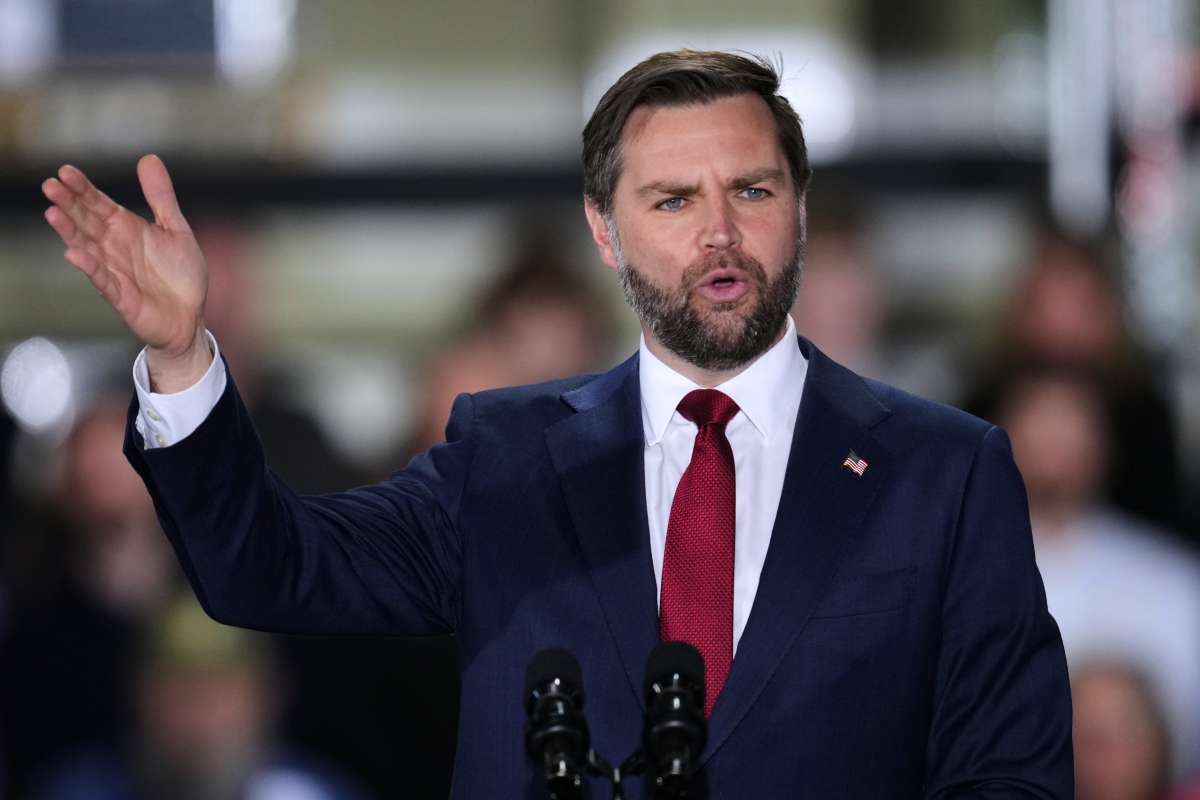
Asked about comparisons between President Donald Trump and religious loyalty, Vance avoided directly equating Trump to spiritual themes but defended the trust many supporters place in the president.
“There are plan-trusters out there,” Vance said. “And I think that’s important, because to get anything done, sometimes it takes a long time.”
Vance also praised Secretary of State Marco Rubio, calling the fellow Catholic a major influence on his thinking about economics, trade, and manufacturing policy.
“If you go back to even before I was in the Senate, Marco was making speeches about Catholic approaches to economics ... that were very influential to me,” Vance said.
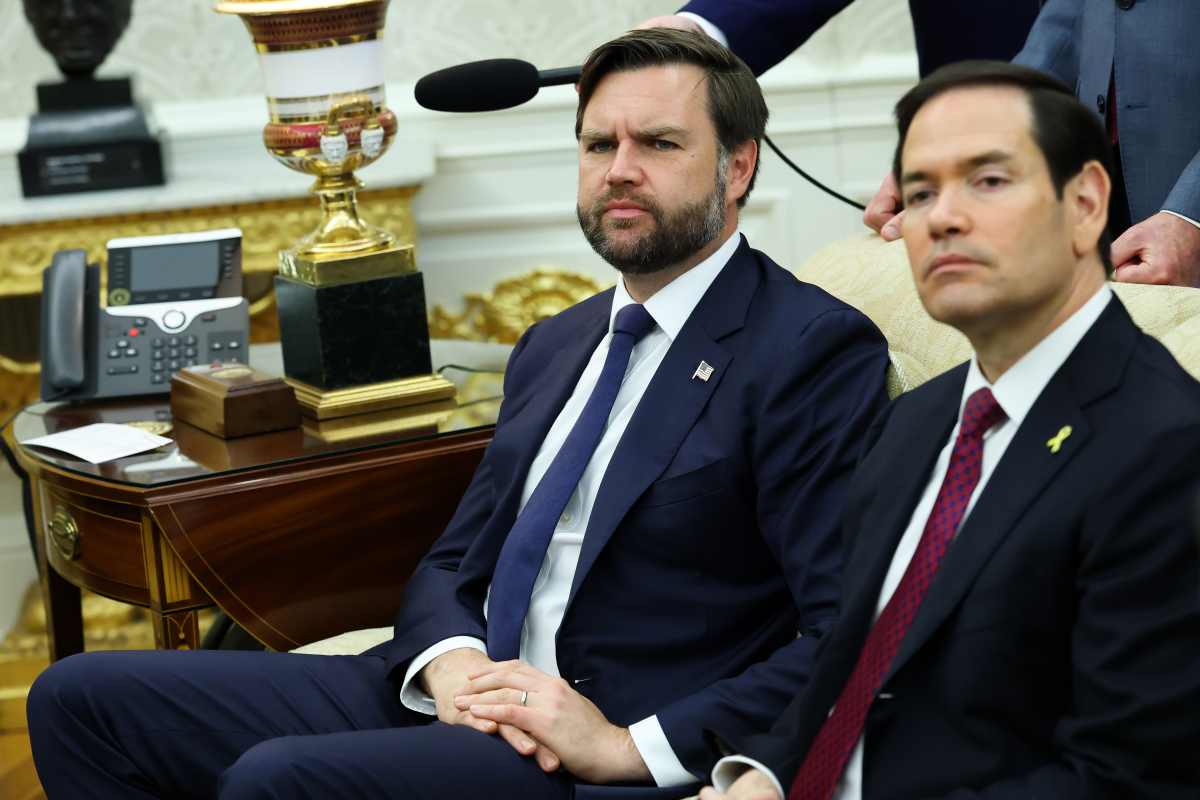
Despite increasing speculation about a future White House run, Vance downplayed questions about 2028 and potential competition with Rubio.
“I’m not entitled to it,” Vance said when asked about possibly running for president one day.