Karoline Leavitt reveals official name for Trump's triumphal arch
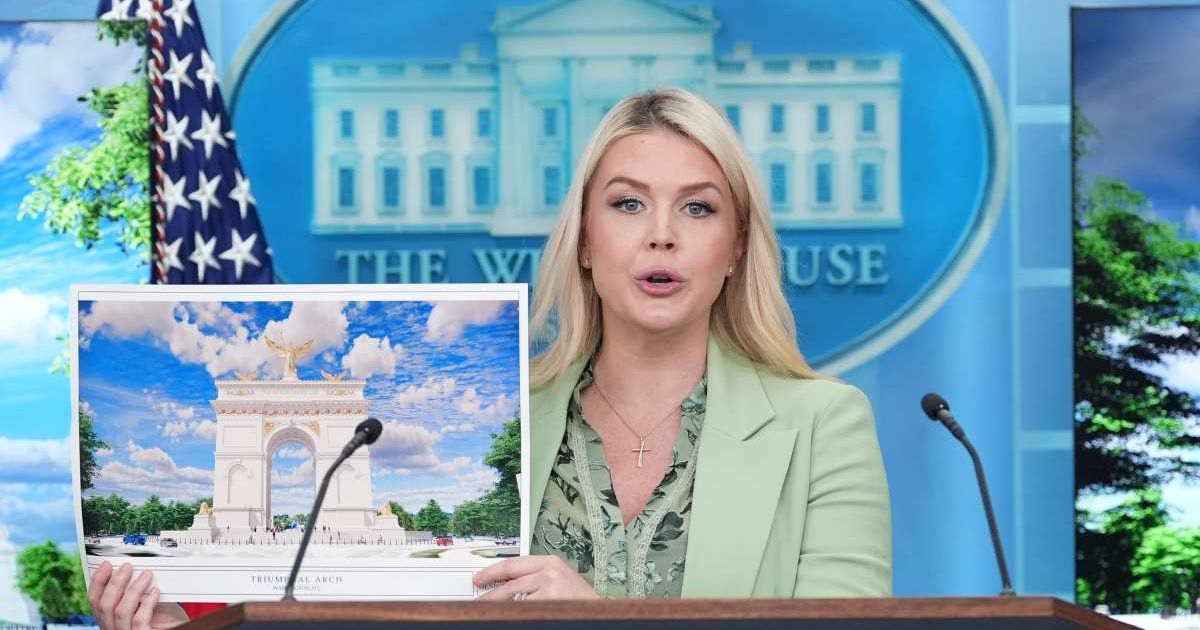
Karoline Leavitt announces that President Trump is officially submitting plans for his triumphal arch, with construction beginning this year:
— johnny maga (@johnnymaga) April 15, 2026
“Great nations build beautiful structures that cultivate national pride and love of country.” pic.twitter.com/IjTMIIRN54
WASHINGTON, DC: White House Press Secretary Karoline Leavitt confirmed that President Donald Trump’s proposed monumental arch, informally known as the “Arc de Trump,” has now been given an official name during a press briefing on Wednesday, April 15.
The announcement comes as part of broader plans tied to the United States’ 250th anniversary celebrations. The project, which has attracted significant attention, is moving forward with a formal identity.
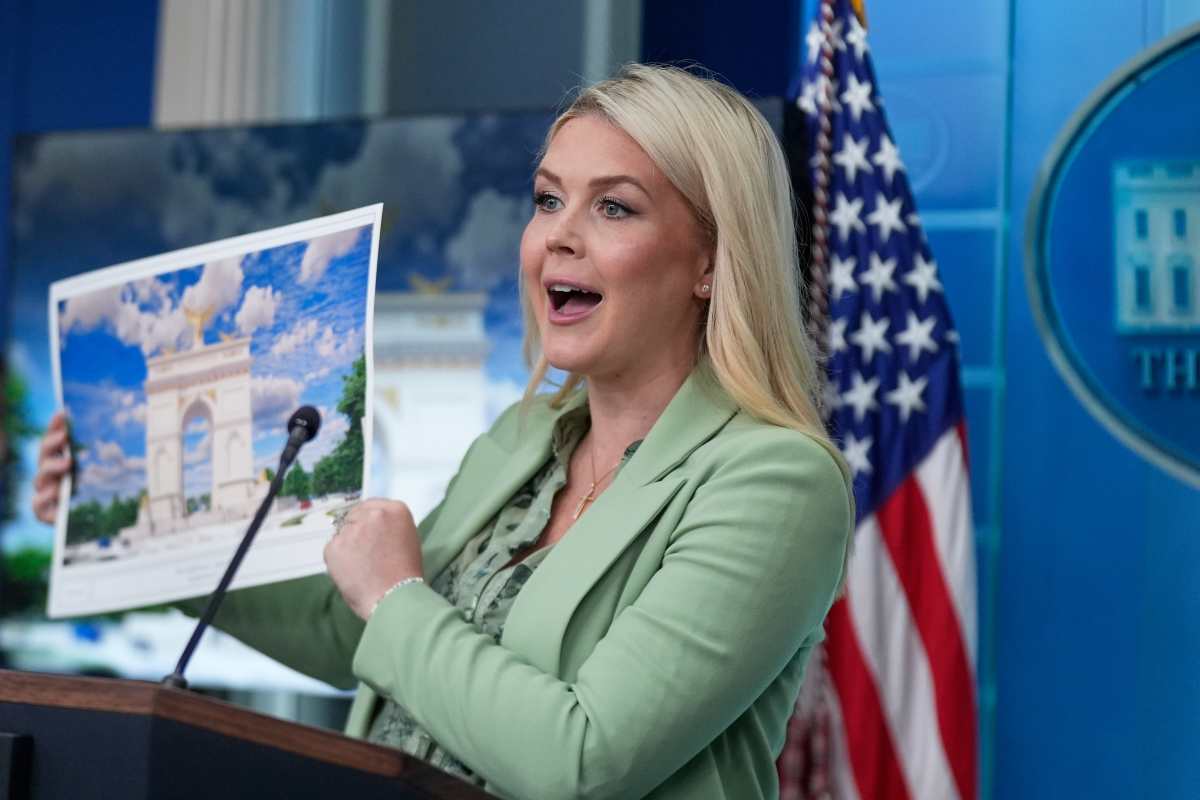
Karoline Leavitt reveals official name of Arch as Trump advances legacy projects
Leavitt told reporters, "In honor of this historic occasion, President Trump and the Department of Interior will submit plans for the United States Triumphal Arch." Showing off a picture that she initially held upside down, she said the "monumental" arch would stand 250 feet (76.2 meters) tall "in honor of 250 years."
She continued, "The United States Triumphal Ark will be outfitted with beautiful artwork and depictions celebrating the success of the American people over our 250-year history and the enduring triumph of the American spirit. Long after everyone in this room is gone, our children and grandchildren will remain inspired by this national monument."
Leavitt then emphasized, "Great nations build beautiful structures that cultivate national pride and love of country. And this triumphal arch should be a project that all Americans of all political persuasions can support because it's a monument for every American to celebrate 250 years of our nation's proud history."
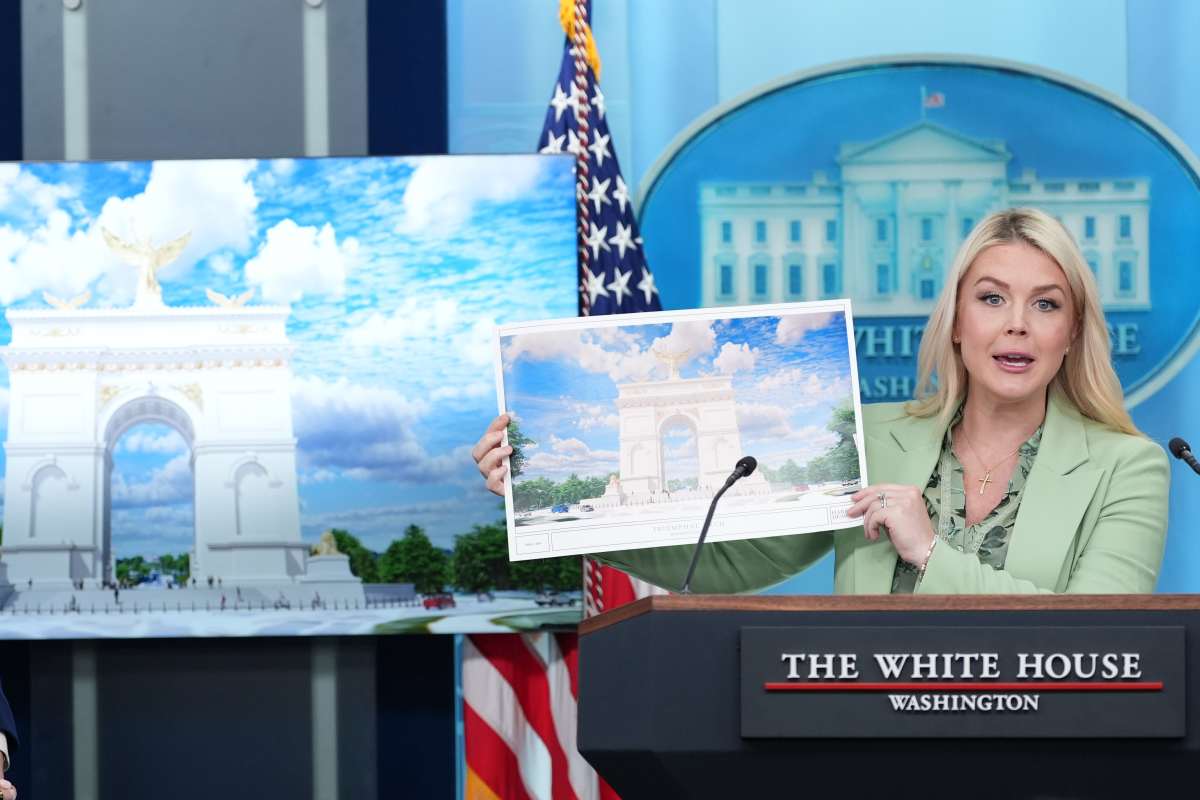
Leavitt also outlined the next steps for the project, stating, “President Trump and the Department of Interior will submit plans for the United States Triumphal Arch, tomorrow. We'll have many more announcements with respect to our 250th anniversary in the coming months as we look forward to the 4th of July.”
Trump unveiled the first complete renderings of the structure last Friday, offering a detailed visual of the proposed design. The arch forms part of a broader set of architectural initiatives, including plans for a large White House ballroom and renovations to the Kennedy Center for the Performing Arts, aimed at shaping his legacy in the capital during his second term.
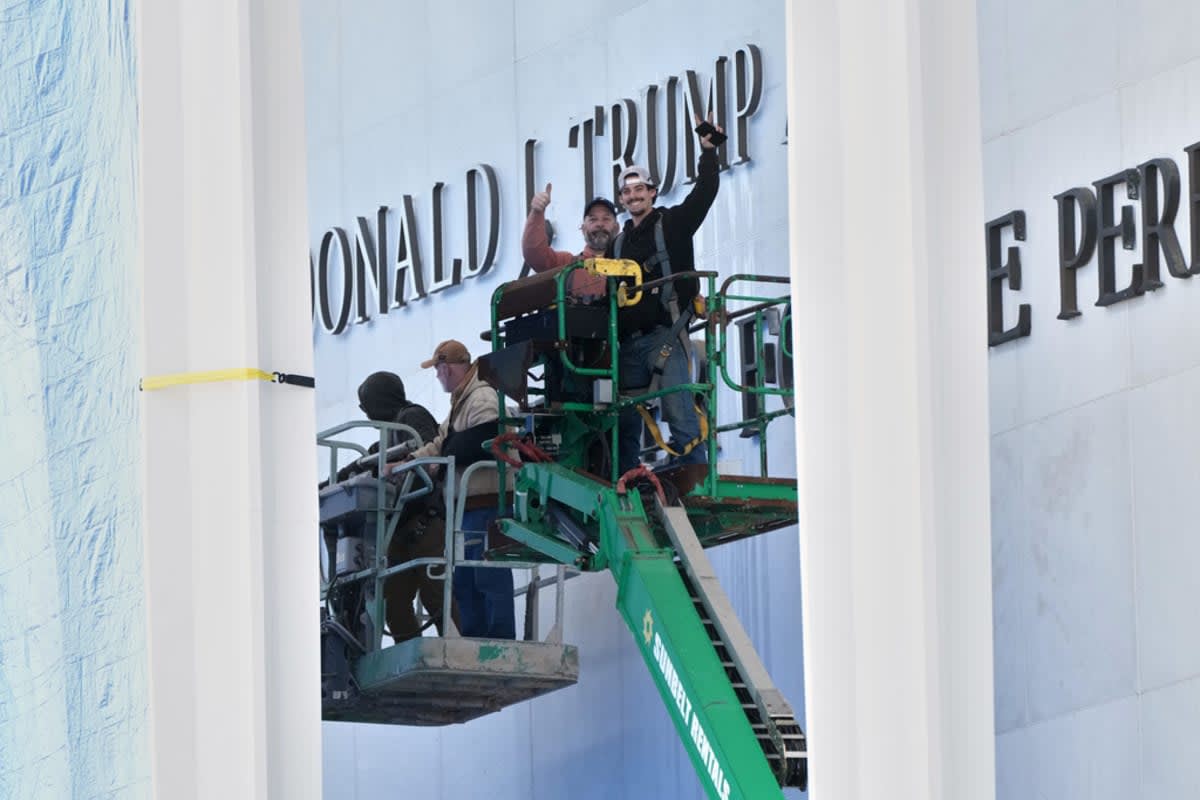
Critics call proposed arch a vanity project amid legal challenge
Critics have argued that the gold-accented arch, serves more as a symbol of Trump’s personal ambition than a national tribute. The project is expected to receive partial public funding, including $2 million from the US National Endowment for the Humanities, along with provisions for up to $13 million in matching contributions tied to private donations.
Trump has also indicated that surplus funds from his White House ballroom project, which he described as “fully financed,” could be redirected toward the arch’s construction. When unveiling the proposal last year, he said the design would draw inspiration from France’s Arc de Triomphe and envisioned it as a grand gateway for visitors entering Washington from Arlington National Cemetery via Memorial Bridge.
"Every time somebody rides over that beautiful bridge to the Lincoln Memorial, they literally say something is supposed be here," Trump said last year when he first announced his plans for the arch.
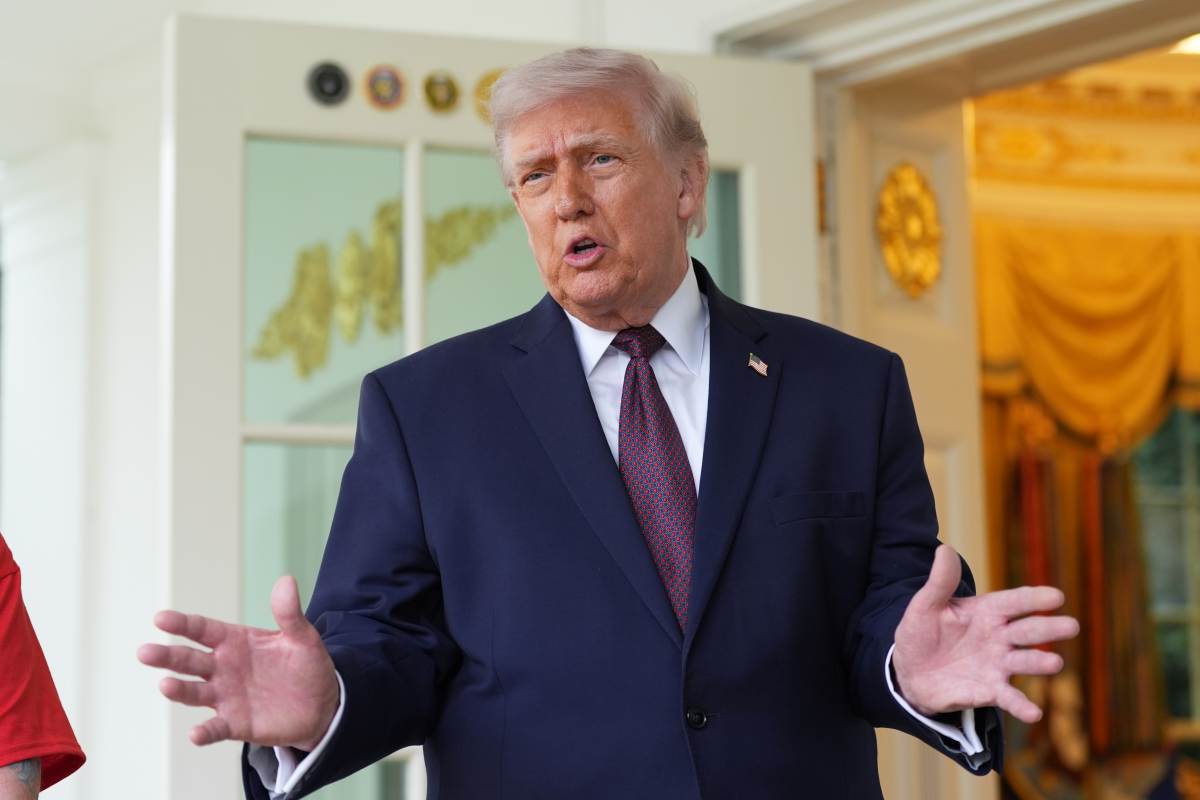
A group of Vietnam War veterans, along with a retired architectural historian, filed a federal lawsuit to halt the construction of the proposed monument near the Cemetery in February. The case was submitted to District Court of Columbia, and was represented by the Public Citizen Litigation Group.
The plaintiffs have described the proposal as a “vanity project,” arguing that it would disrupt a historically significant sightline between the Lincoln Memorial and Arlington House, one intended to symbolize national unity in the aftermath of the Civil War.