Hegseth says US must remain ‘unpredictable’ on Iran troop deployment options
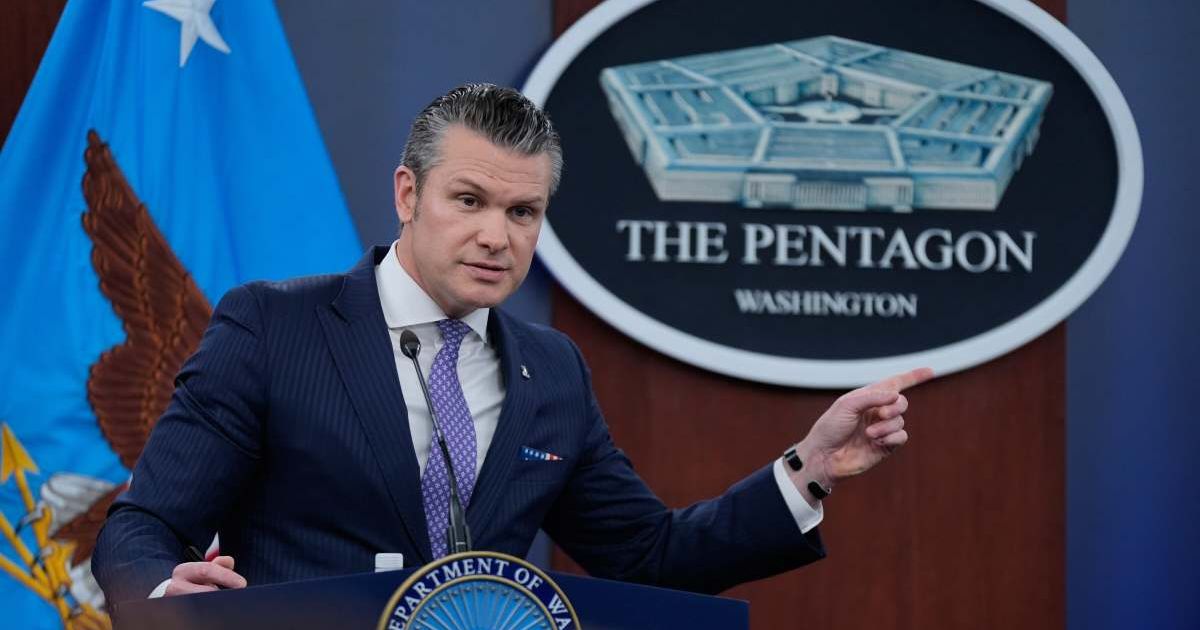
WASHINGTON, DC: US Defense Secretary Pete Hegseth on Tuesday, March 31, said Washington is deliberately maintaining uncertainty over whether it would deploy ground troops in Iran, stressing that unpredictability is central to military strategy.
Speaking at a Pentagon briefing, Hegseth said the United States cannot afford to telegraph its intentions in an active conflict.
“You can’t fight and win a war if you tell your adversary what you are willing to do or what you are not willing to do, to include boots on the ground,” he said.
Hegseth says ‘there are multiple ways we could act’
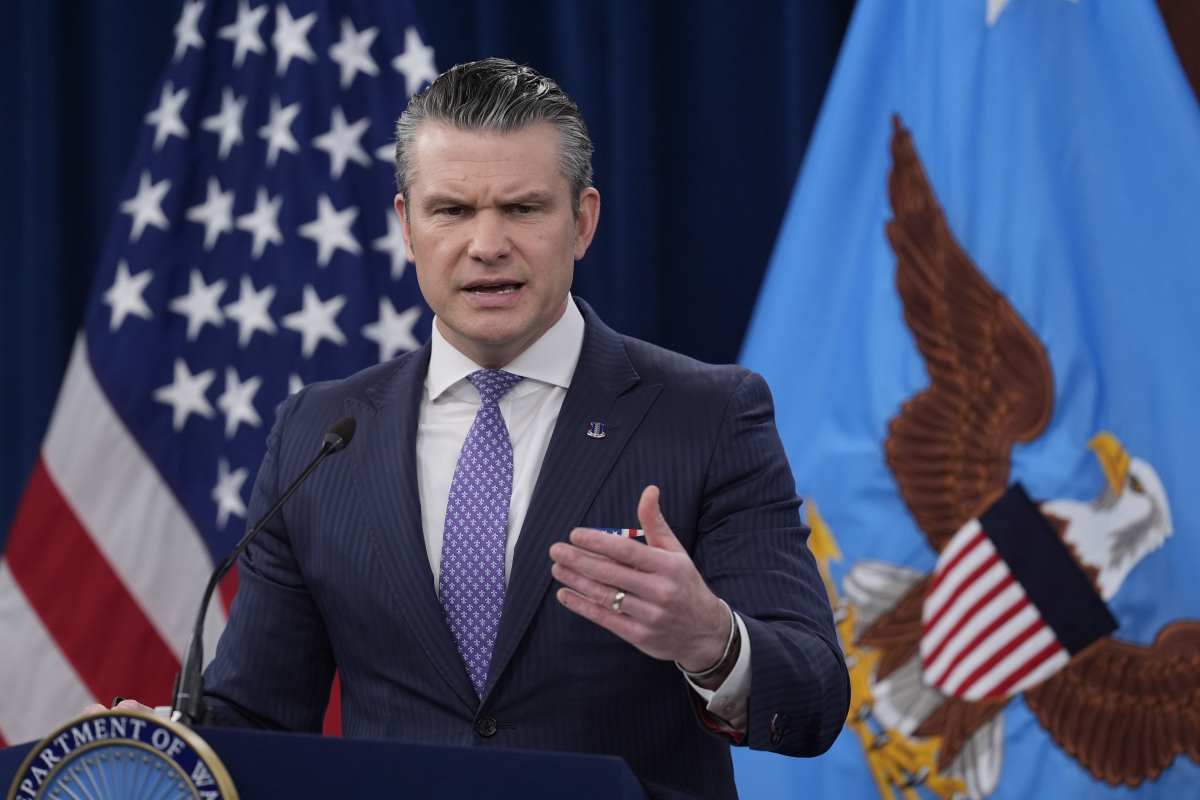
Hegseth indicated that the US military has developed a wide array of operational plans, including potential ground interventions in Iran, though he stopped short of committing to any specific course of action.
“Our adversary right now thinks there are 15 different ways we could come at them with boots on the ground. And guess what? There are,” he said.
He added that these options remain viable but may never be used, depending on how the situation evolves.
“We could execute those options. Or maybe we don’t have to use them at all. Maybe negotiations work… The point is to be unpredictable.”
Joint chief highlight ‘extensive’ capabilities
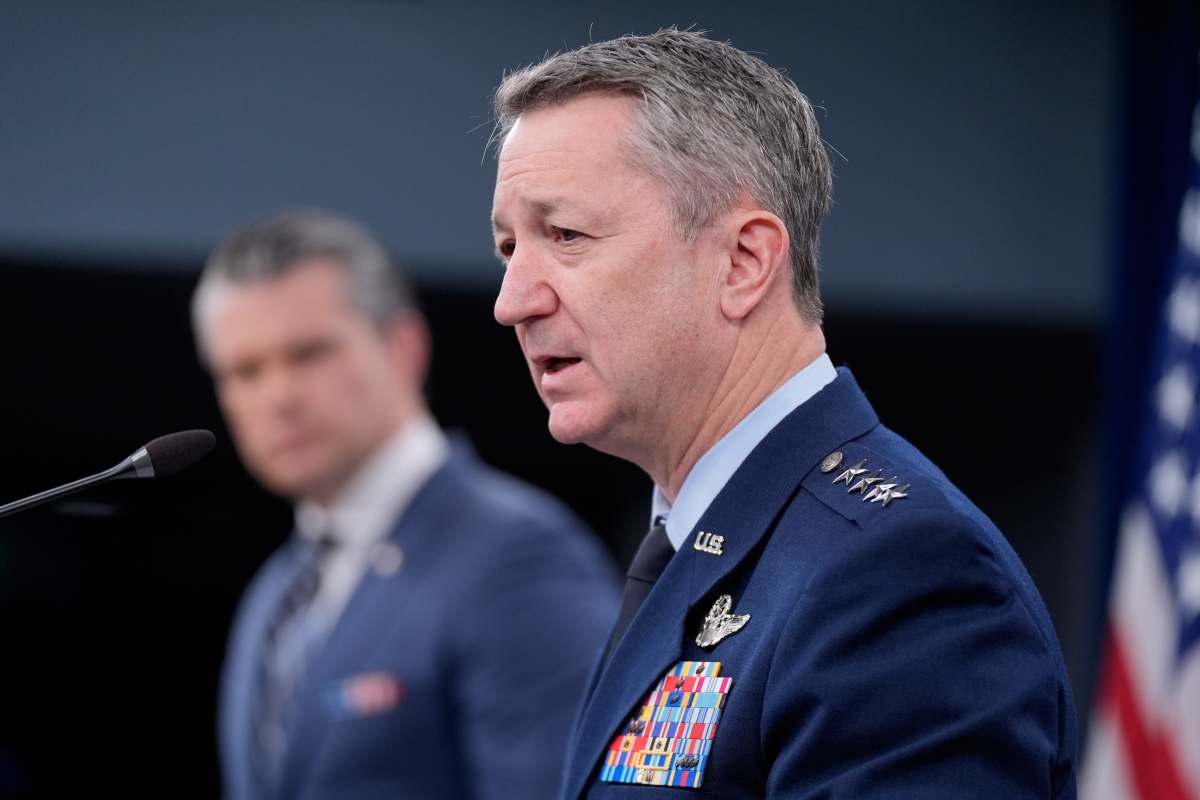
Chairman of the Joint Chiefs of Staff Dan Caine reinforced the message, telling reporters that the US has a broad spectrum of military tools at its disposal.
“The range of military options… is extensive,” Caine said, noting that deploying additional forces to the region does not necessarily signal imminent ground operations but enhances overall strategic flexibility.
He also suggested that the visible presence of US forces should serve as a pressure point on Tehran, urging Iranian leaders to weigh diplomatic options carefully.
Hegseth says diplomacy remains ‘primary effort’
Despite the emphasis on military readiness, Hegseth made clear that Washington’s immediate priority is to secure a negotiated settlement to end the conflict.
“Our job is to ensure that we compel Iran to realize that this regime… is in a better place if they make that deal,” he said.
“The primary effort is a deal. We want that deal to be accomplished, if at all possible. If not, then we’re prepared to continue.”
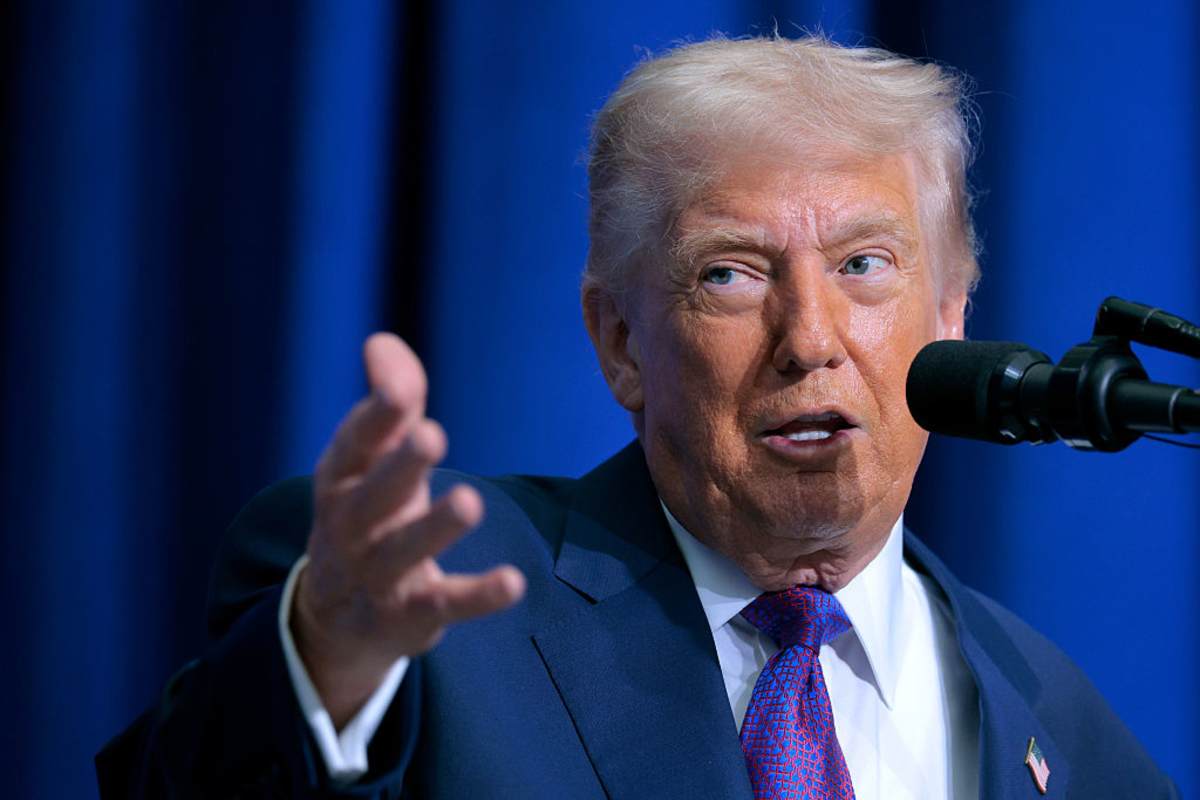
Hegseth said that any decision on escalating or concluding US involvement would ultimately rest with President Donald Trump.
“It will be the president’s determination alone when US objectives in Iran are complete, and when it serves the interest of the American people to cut that deal,” he said.