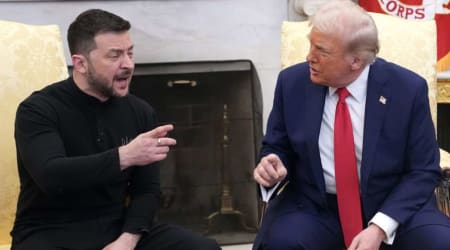
Iran warns it is ‘waiting’ for US ground invasion amid rising conflict
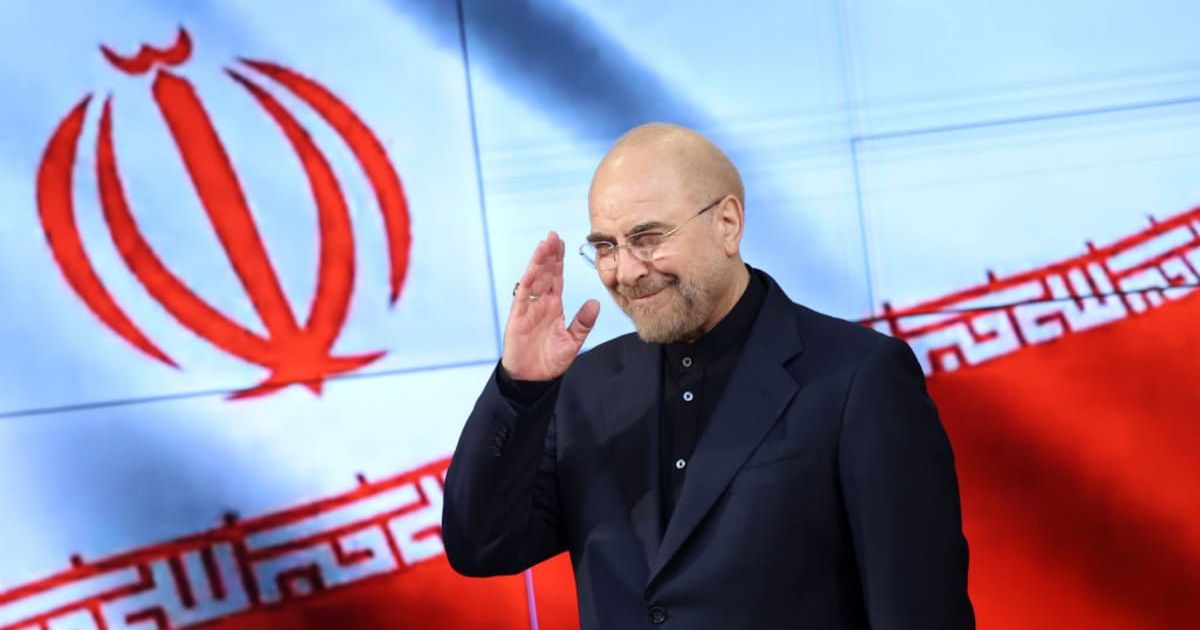
TEHRAN, IRAN: Iranian Parliament Speaker Mohammad Bagher Ghalibaf said Iranian forces are prepared for a potential US ground invasion, accusing Washington of advancing military plans while publicly advocating for negotiations.
His remarks come on the 30th day of the ongoing conflict involving the United States, Israel, and Iran.
The comments coincide with renewed diplomatic efforts in Islamabad aimed at de-escalating tensions. At the same time, US military movements in the region have drawn increased attention.
Iran accuses US of dual strategy
Ghalibaf alleged that the United States is attempting to secure through negotiations what it could not achieve militarily.
“The enemy publicly sends messages of negotiation while secretly planning a ground invasion, unaware that our men are waiting for American troops to enter on the ground, ready to unleash devastation upon them and punish their regional allies permanently,” he said.
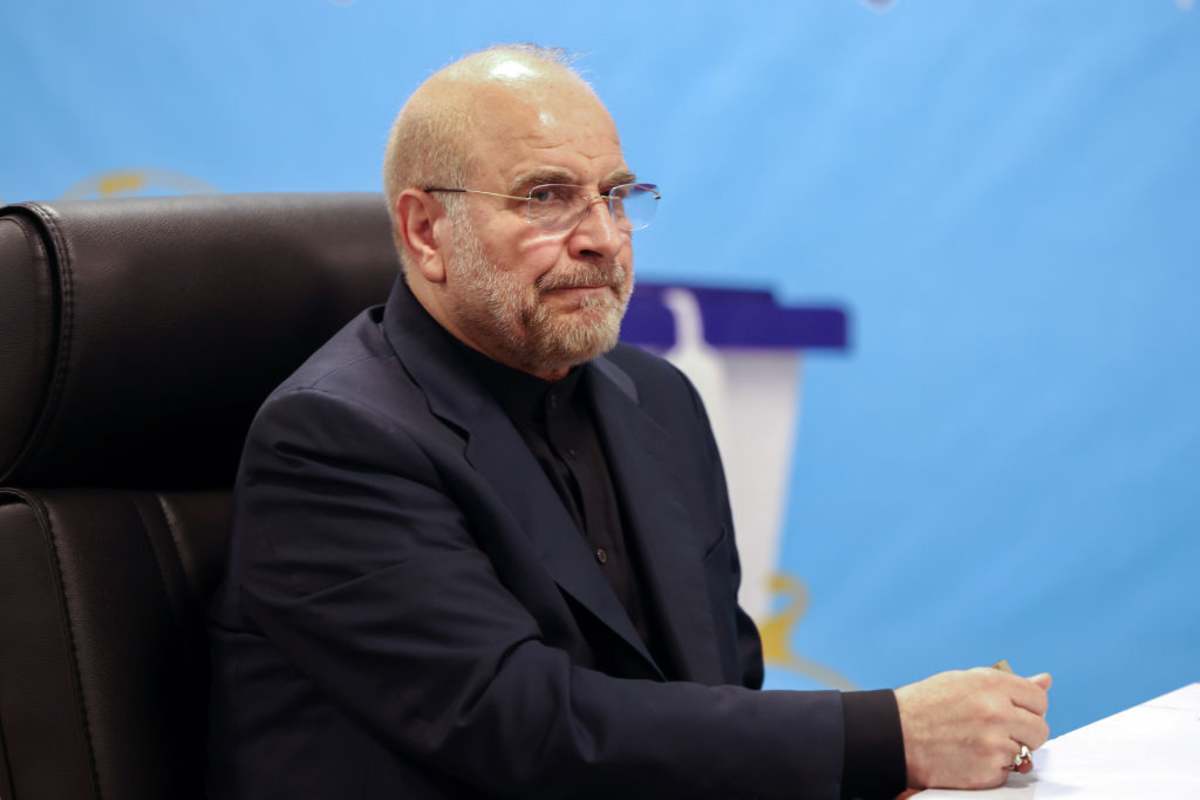
He further criticized US diplomatic proposals, stating, “The United States speaks of its aspirations, presenting what it failed to achieve in war as a 15-point list to pursue through diplomacy.” In a message emphasizing resistance, Ghalibaf added, “As long as the Americans seek Iran’s surrender, the answer of your sons remains clear: ‘Far be it from us to accept humiliation.’”
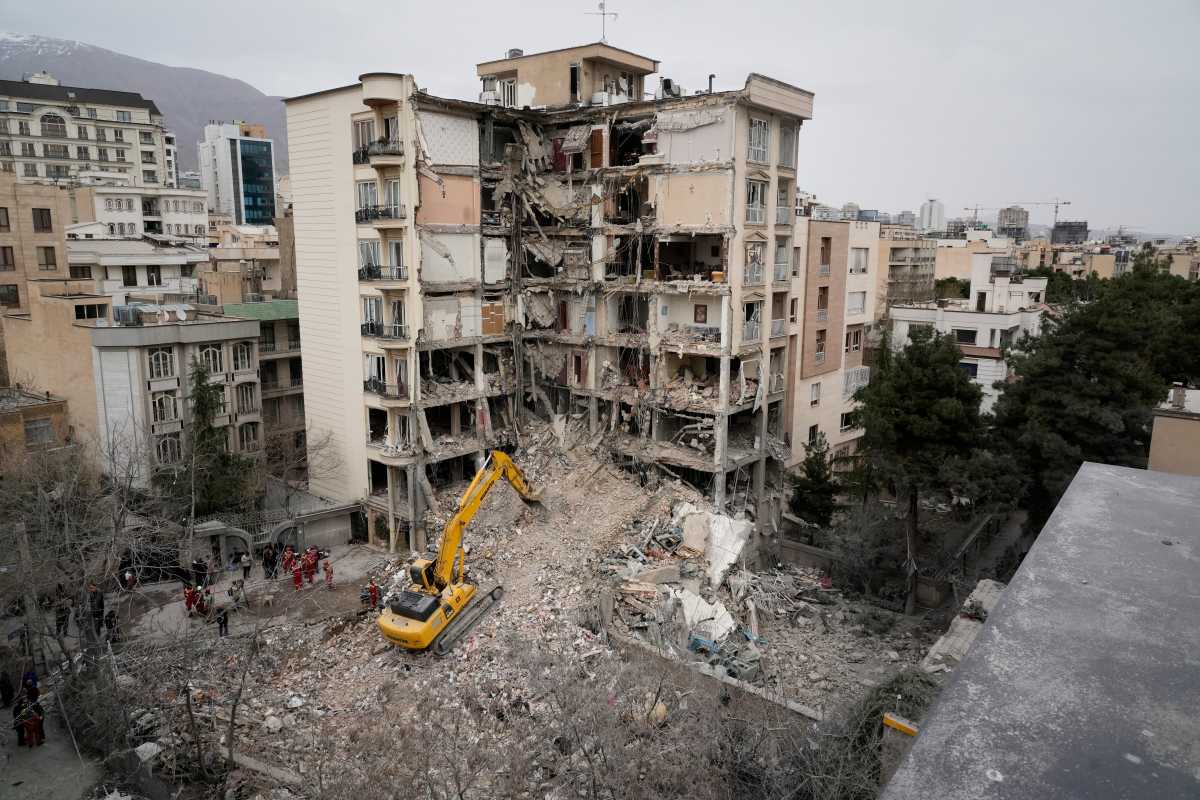
His comments reflect a broader stance within Iran’s leadership as tensions continue to escalate.
The conflict has seen exchanges of strikes and heightened rhetoric from multiple sides, with both military and diplomatic channels remaining active. Iranian officials have consistently framed their position as one of defense and resistance against external pressure.
The remarks also come amid speculation over potential next steps by the United States, including whether it could expand its military involvement beyond air and naval operations.
Regional talks underway as military presence increases
Alongside the heightened rhetoric, diplomatic efforts are ongoing in Islamabad, where foreign ministers from Turkey, Egypt, Saudi Arabia, and Pakistan have been meeting to discuss ways to reduce tensions and address broader regional issues.
Pakistan has played a role as an intermediary, leveraging its relationships with both the United States and Iran.
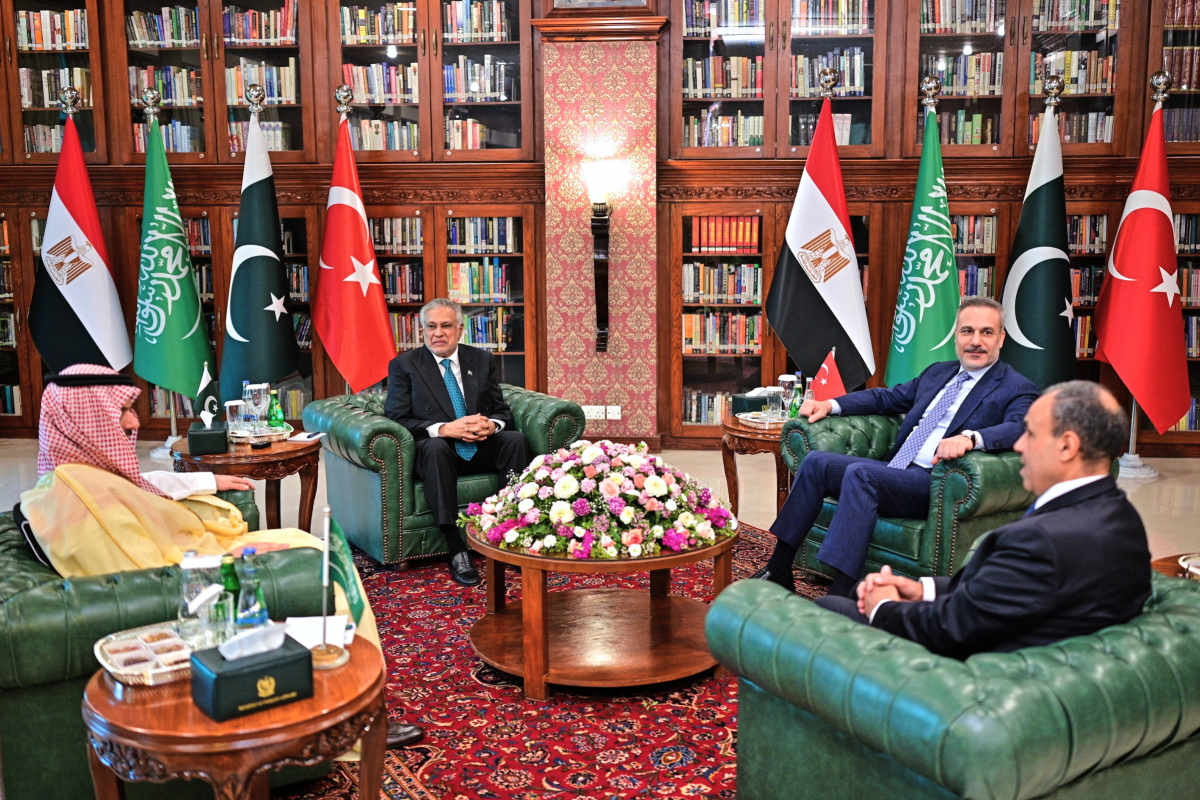
Following the discussions, Pakistan's Prime Minister Shehbaz Sharif held a private meeting with Faisal bin Farhan Al Saud, according to official statements.
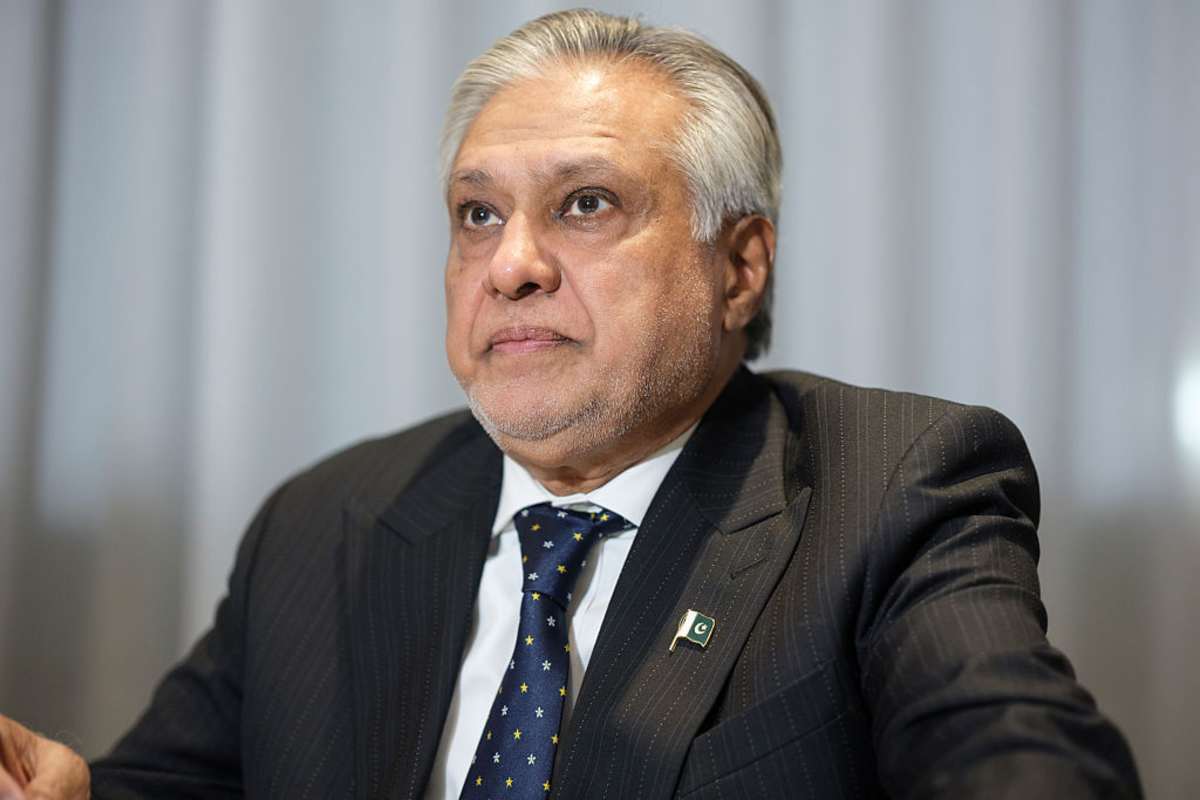
Pakistan’s Foreign Minister Mohammad Ishaq Dar and senior security officials were also present. A joint statement from the talks is expected.
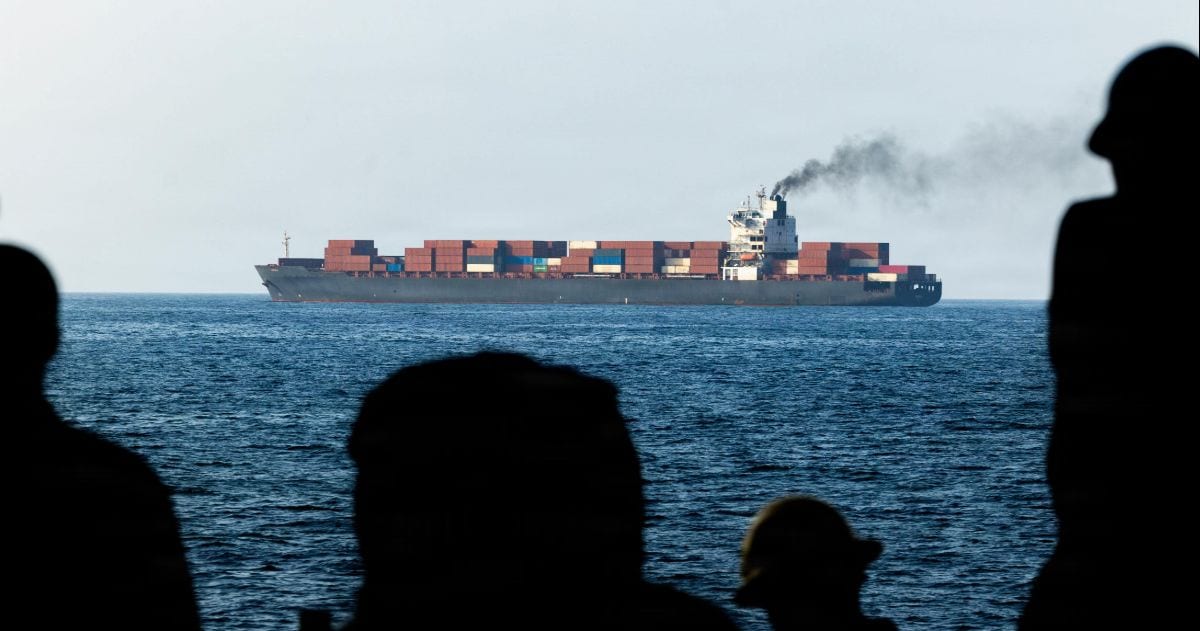
The diplomatic engagement comes as the US military presence in the region continues to expand. The USS Tripoli, carrying approximately 3,500 service members, has arrived in the Middle East, according to US Central Command.
The deployment is part of ongoing strategic considerations by the Pentagon as it assesses the evolving situation.