USS Tripoli surges into Gulf with 3,500 Marines as 'Epic Fury' closes Iran noose
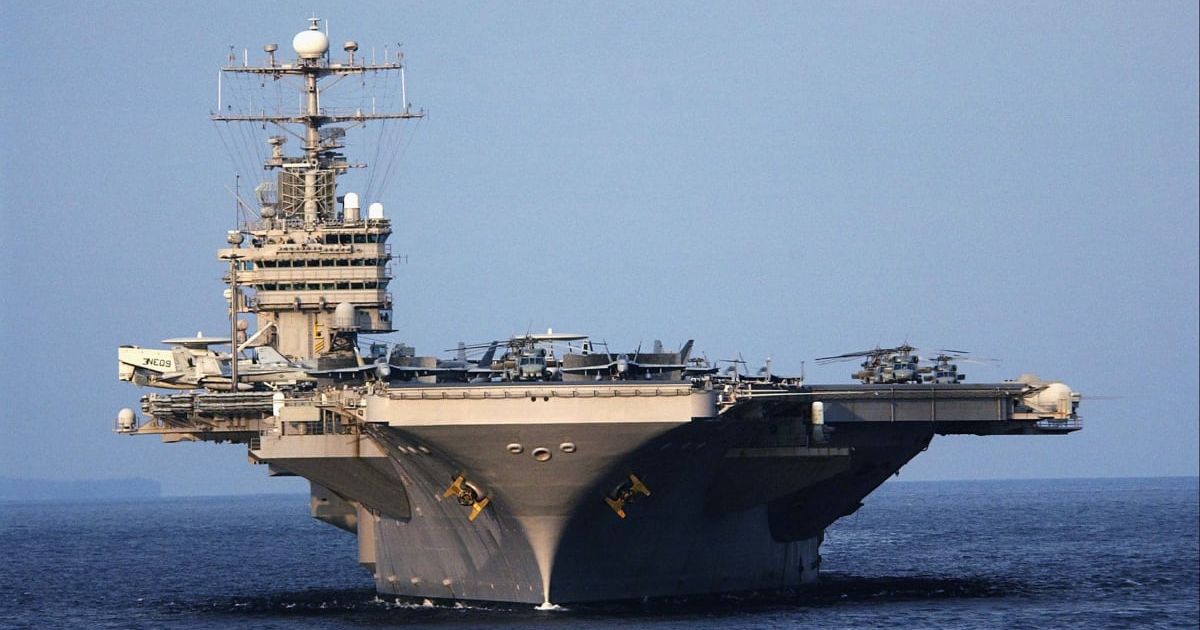
WASHINGTON, DC: US Central Command (CENTCOM) confirmed on Saturday, March 28, that the USS Tripoli (LHA-7) had arrived in its area of responsibility, bringing approximately 3,500 sailors and Marines into the Middle East as the United States continues military operations linked to 'Operation Epic Fury'.
The deployment adds amphibious and expeditionary capabilities to the existing US force posture in the region.
The USS Tripoli, an America-class amphibious assault ship, is now operating as the lead vessel of the Tripoli Amphibious Ready Group alongside the 31st Marine Expeditionary Unit (MEU).
Defense officials have described the deployment as part of a broader effort to expand operational flexibility as the conflict with Iran enters a more complex phase.
U.S. Sailors and Marines aboard USS Tripoli (LHA 7) arrived in the U.S. Central Command area of responsibility, March 27. The America-class amphibious assault ship serves as the flagship for the Tripoli Amphibious Ready Group / 31st Marine Expeditionary Unit composed of about… pic.twitter.com/JFWiPBbkd2
— U.S. Central Command (@CENTCOM) March 28, 2026
Marine Expeditionary Unit provides critical options
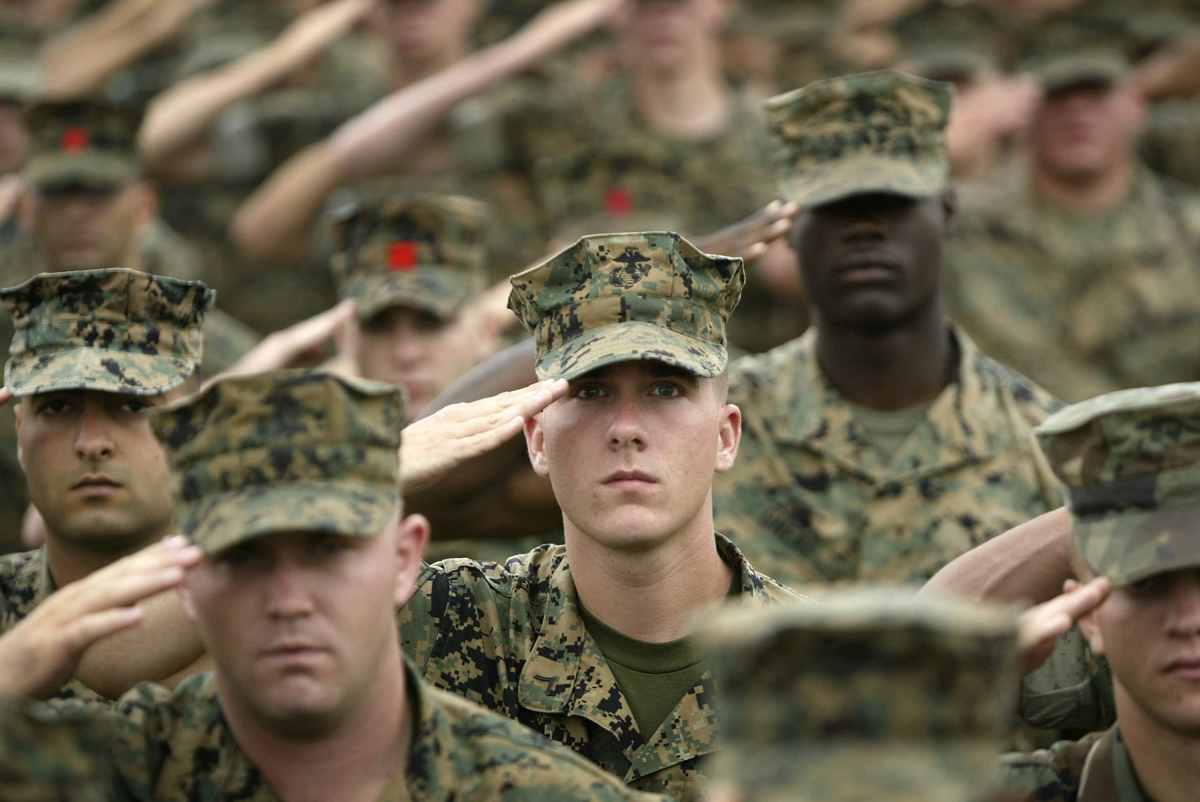
The arrival of the 31st MEU introduces a self-contained force designed for rapid response operations. The unit includes ground combat elements, aviation assets, and logistical support, allowing it to operate independently or in coordination with other forces in the region.
Military officials said the MEU provides commanders with a range of operational options, including amphibious operations, evacuation missions, and targeted raids.
These units are specifically trained for ship-to-shore movements and are capable of responding quickly to changing conditions on the ground.
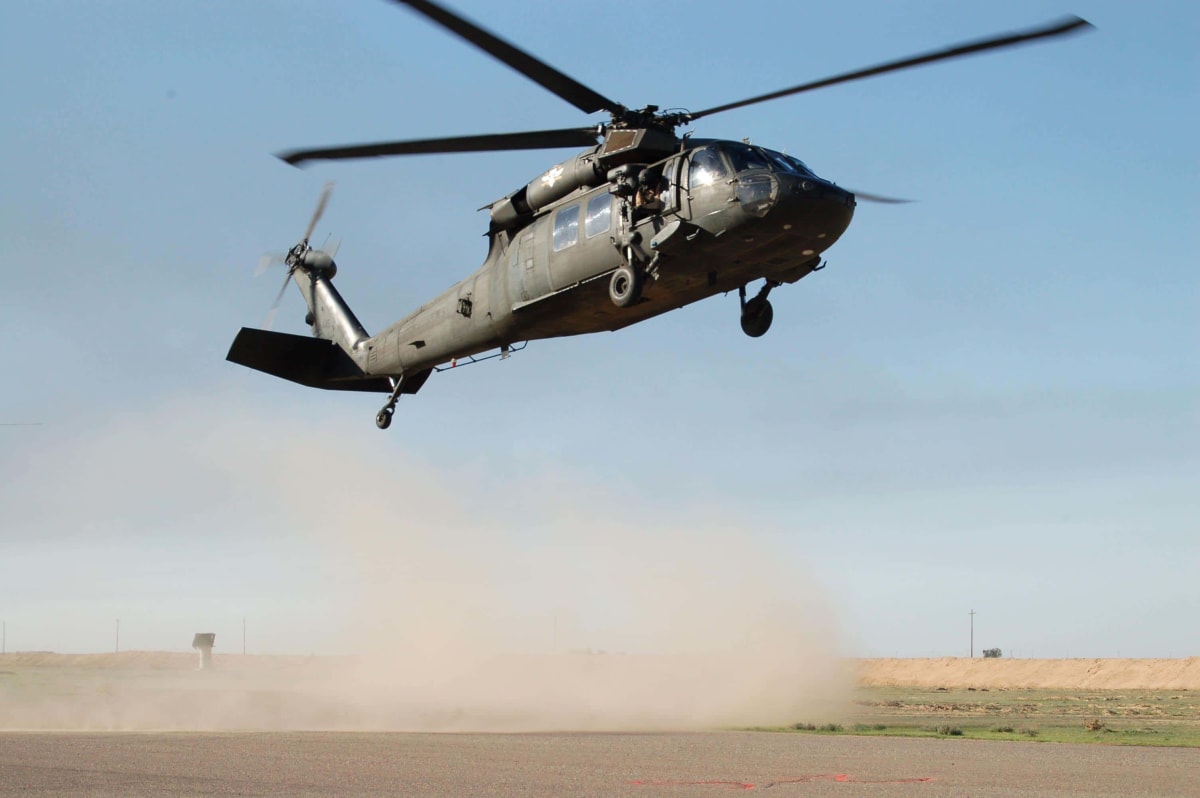
The deployment comes amid ongoing air and naval operations, with US forces maintaining a presence across key maritime and strategic zones.
Officials have not confirmed specific mission objectives for the MEU but have indicated that its presence is intended to support contingency planning.
USS Tripoli boosts US maritime operational capabilities
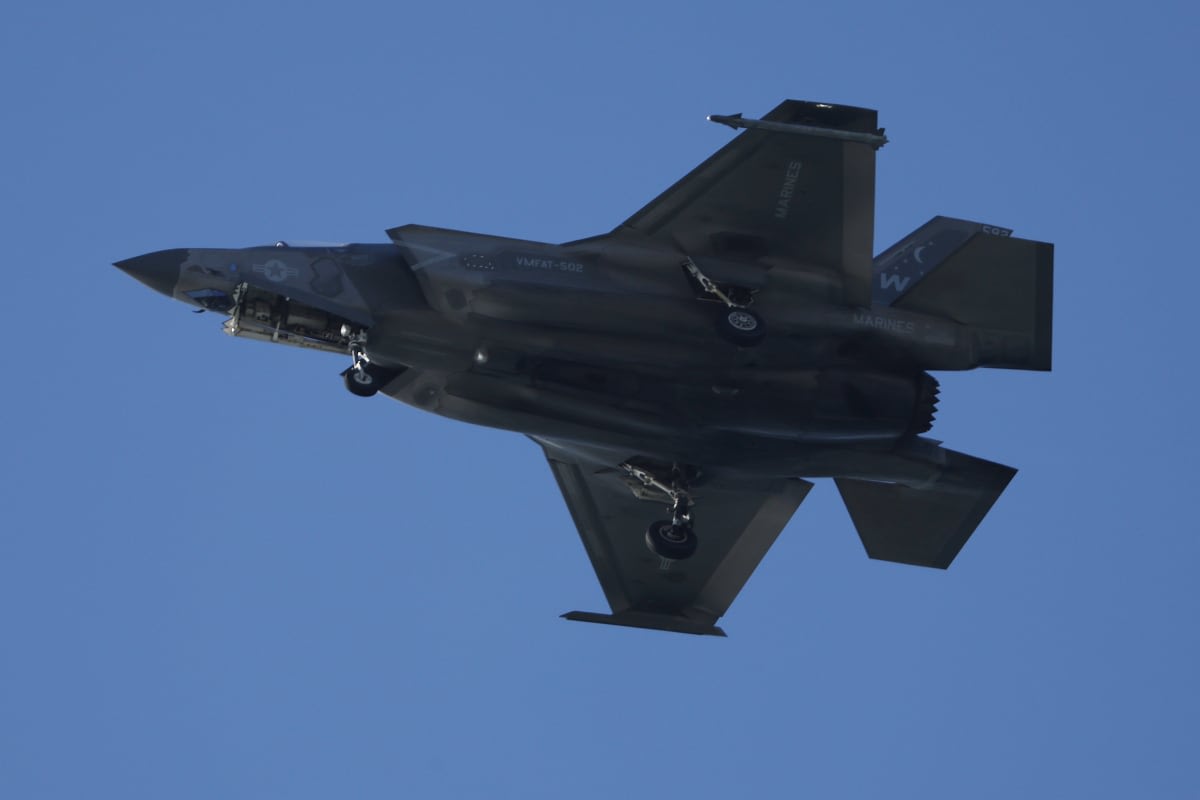
As the flagship of its amphibious group, the USS Tripoli carries a mix of aircraft, including rotary-wing and short takeoff and vertical landing (STOVL) platforms.
CENTCOM released images showing the vessel conducting operations and onboard personnel engaged in training exercises.
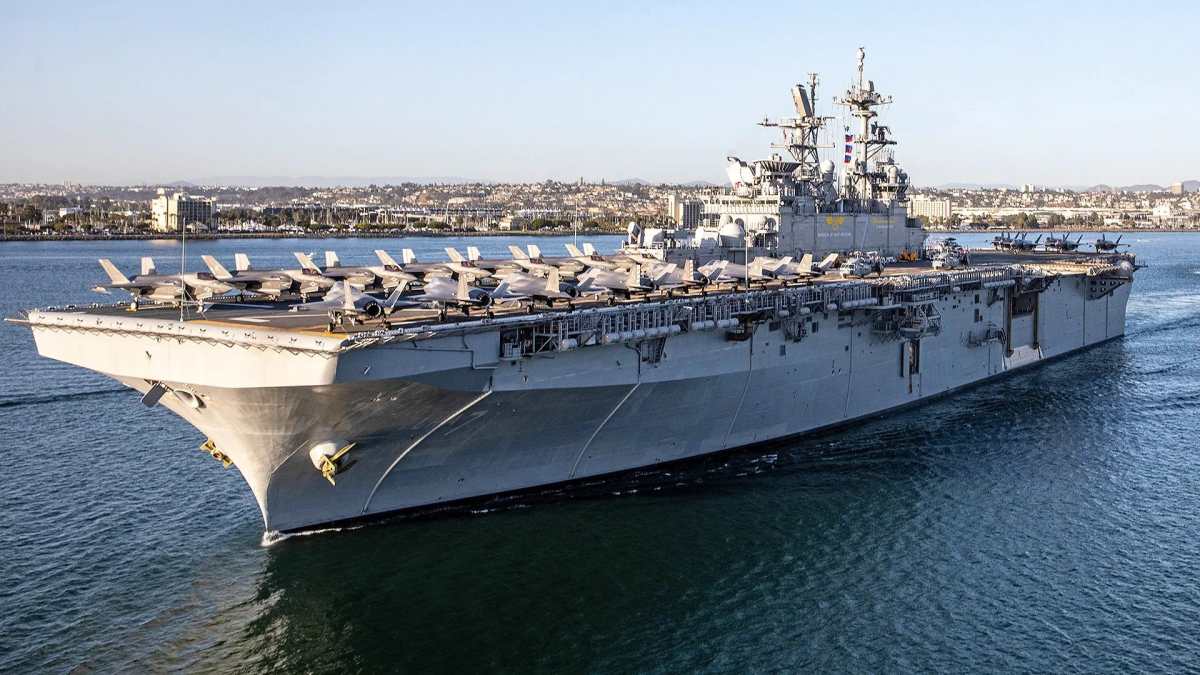
The arrival of the ship increases the United States’ ability to project force from the sea while maintaining operational mobility.
Defense officials noted that amphibious platforms such as the Tripoli are designed to operate without reliance on fixed bases, offering flexibility in dynamic environments.
The deployment also coincides with ongoing discussions in Washington regarding intelligence and surveillance capabilities supporting operations in the region.
Officials have emphasized the importance of integrating military assets with intelligence resources to monitor developments and support decision-making.
Amphibious assets ready for next steps
The positioning of the USS Tripoli and the 31st MEU signals a potential expansion of operational capabilities beyond existing air and missile activity.
While no specific actions have been announced, defense officials said the presence of amphibious forces allows for a broader range of responses if required.
These forces are capable of conducting limited-duration missions, including securing key locations, supporting allied forces, or responding to emerging threats along coastal areas. Their mobility allows them to reposition quickly based on operational needs.
CENTCOM has not provided details on timelines or future movements, but has confirmed that the unit is fully operational and integrated into the regional command structure.
As military activity continues, the deployment adds to the overall US presence in the Middle East and underscores ongoing preparations for multiple scenarios.