Pentagon weighs deployment of 3,000 additional US troops to Middle East amid Iran uncertainty
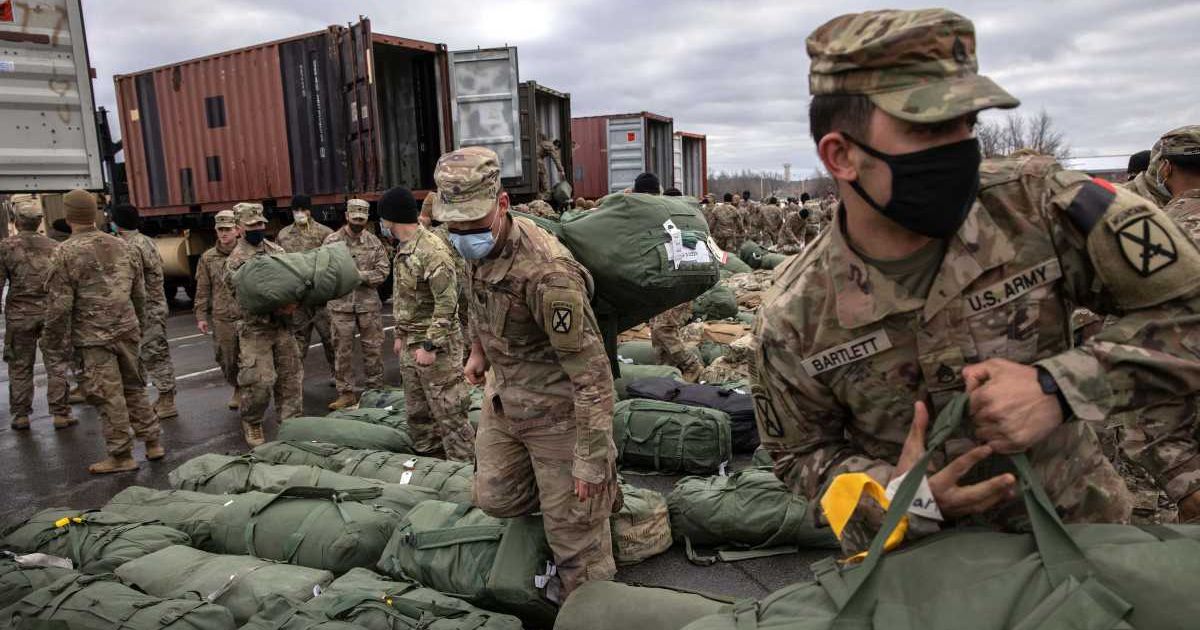
WASHINGTON, DC: The US Department of Defense is preparing to deploy approximately 3,000 additional troops to the Middle East as tensions involving Iran continue to escalate.
The planned deployment would involve forces from the 82nd Airborne Division, a rapid-response unit based in North Carolina.
Officials said no final decision has been made regarding sending US ground troops into Iran. The move comes amid a broader military buildup linked to the ongoing conflict involving the United States, Israel, and Iran.
Planned deployment expands presence in region
According to defense officials, the Pentagon is expected to deploy a brigade combat team of roughly 3,000 soldiers from the 82nd Airborne Division.
The unit, known for its rapid deployment capabilities, can mobilize forces within hours and is often used in high-priority or emerging conflict zones.
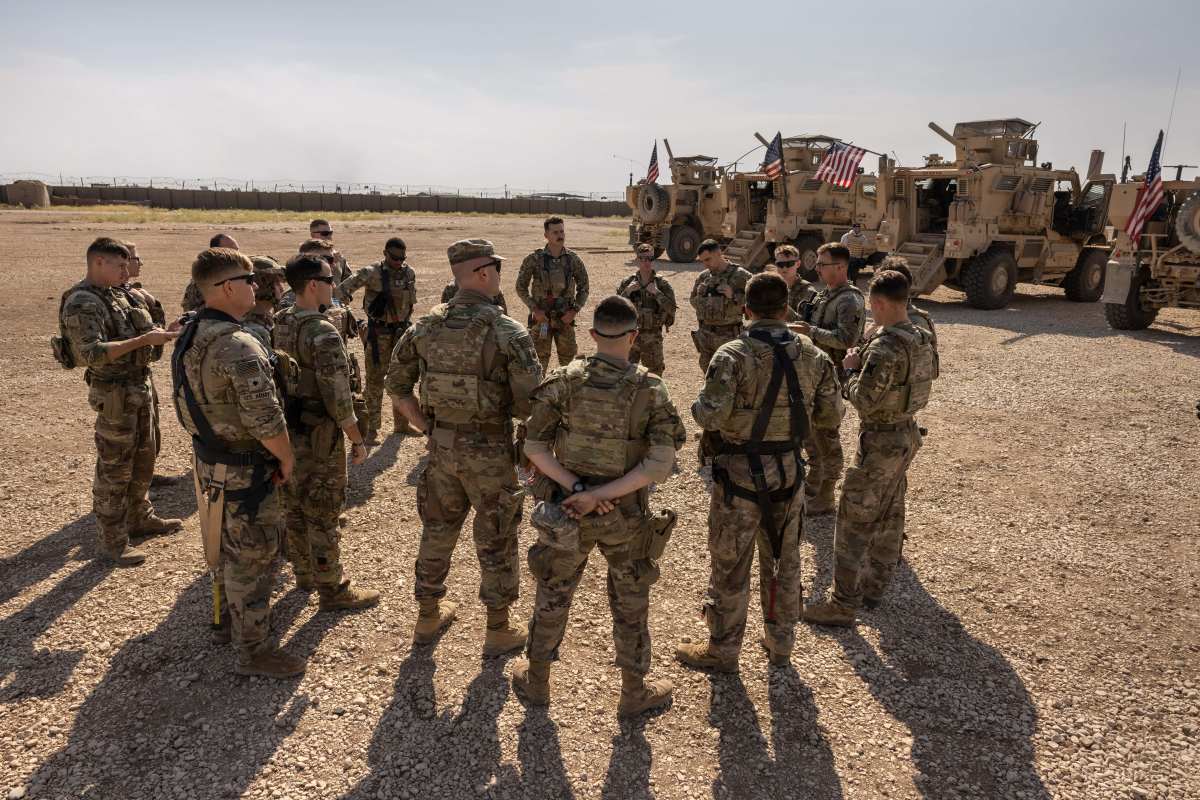
The deployment would add to thousands of US Marines already heading to the region to support ongoing operations.
While officials emphasized that no decision has been made to send troops into Iranian territory, the additional forces could provide the administration of President Donald Trump with expanded military options.
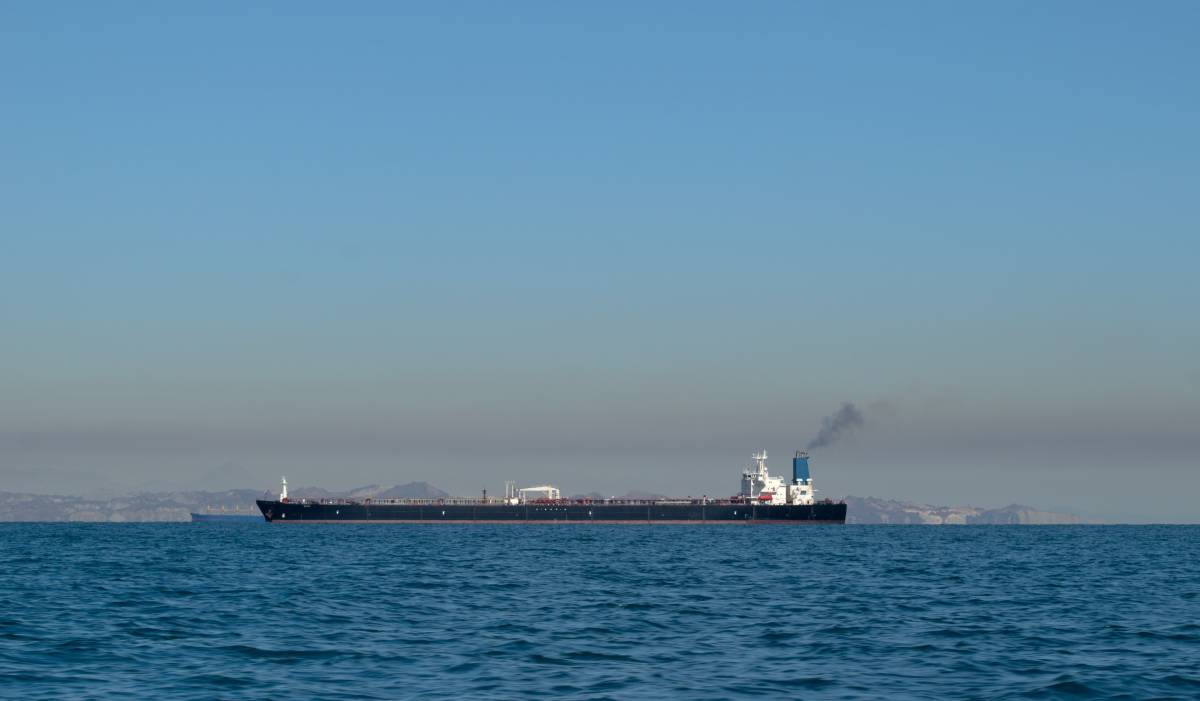
These options could include securing key waterways such as the Strait of Hormuz, supporting allied operations, or responding to further escalation.
The 82nd Airborne Division’s ability to deploy quickly, within 18 hours for smaller units and up to 72 hours for a full brigade, makes it a key asset in such scenarios.
Officials said the exact timing of the deployment and the specific role of the troops remain unclear. However, the mobilization signals a significant increase in US readiness as the situation evolves.
The unit’s presence in the region would provide a flexible ground capability in addition to existing air and naval forces.
The move follows intensified hostilities in the region, including reported strikes by Iran targeting multiple countries, and ongoing military operations involving US and Israeli forces.
Escalation comes amid uncertain diplomacy and regional impact
The troop deployment is unfolding alongside a complex diplomatic backdrop. President Trump recently indicated that planned US strikes on Iranian power plants had been postponed for several days, citing what he described as “productive” discussions with Tehran.
However, Iranian officials have publicly denied that such negotiations are taking place.
This divergence has raised uncertainty about the status of diplomatic engagement between the two sides. At the same time, other countries have sought to play a mediating role, with Pakistan offering to facilitate potential talks between Washington and Tehran.
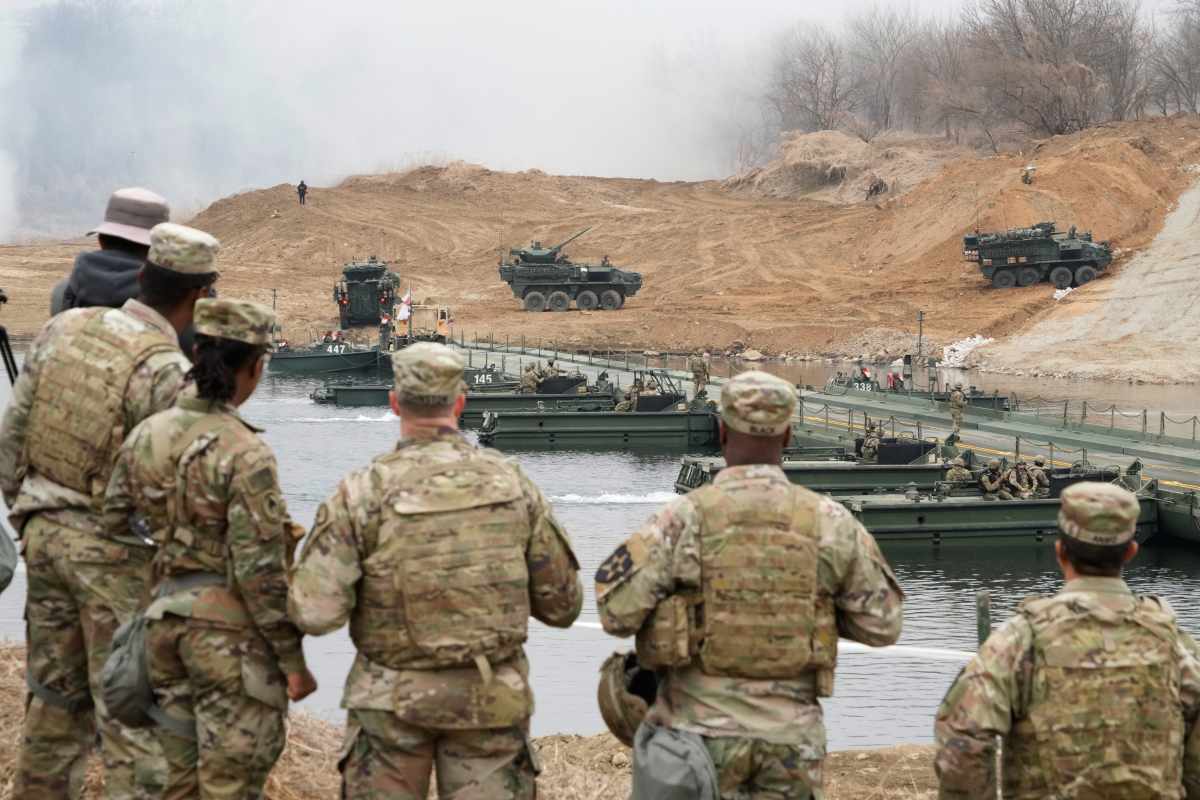
The broader regional impact of the conflict has extended beyond military operations. Disruptions have been reported in critical infrastructure, including digital services in Gulf countries.
Meanwhile, Israel has signaled plans to expand its military presence in southern Lebanon, raising concerns about the potential for additional fronts in the conflict.
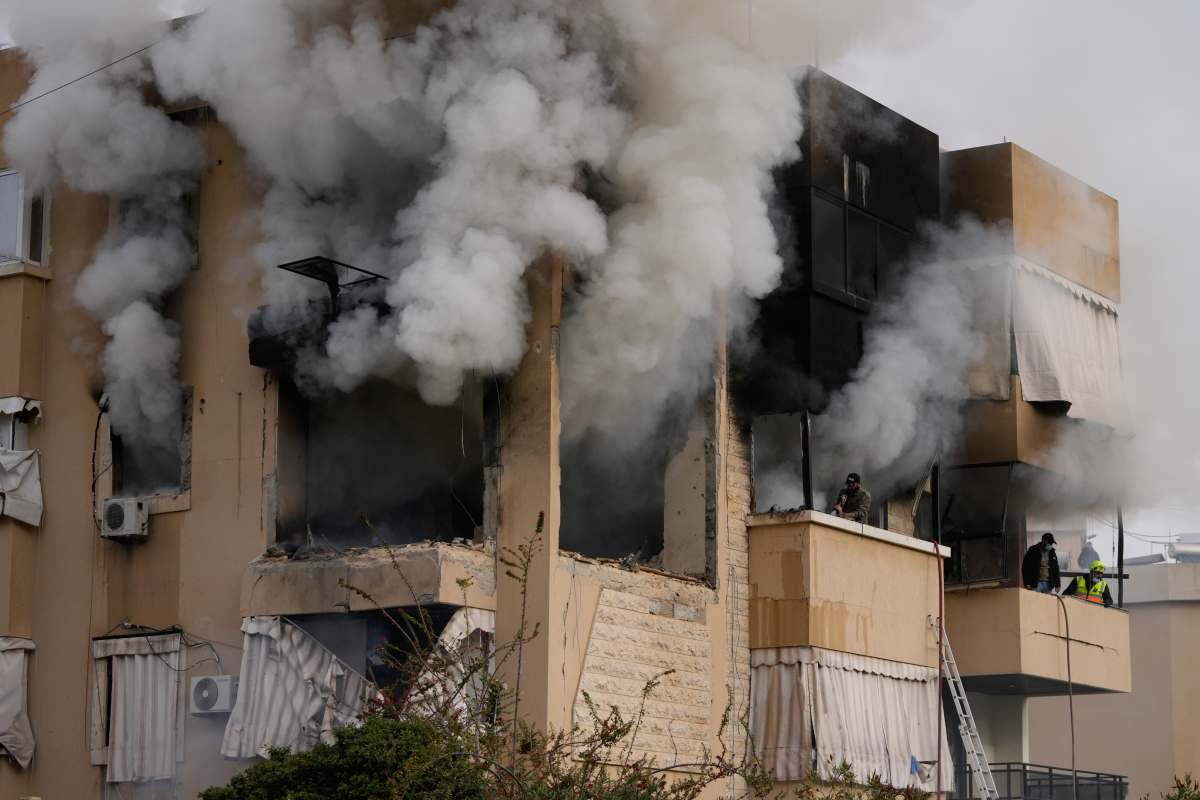
The 82nd Airborne Division has historically been deployed early in major US military operations, including in Iraq and Afghanistan. Its mobilization in the current context underscores the seriousness of the situation and the potential for further escalation.