'Sealed up tight': Trump claims US controls Hormuz as Iran's leadership fractures
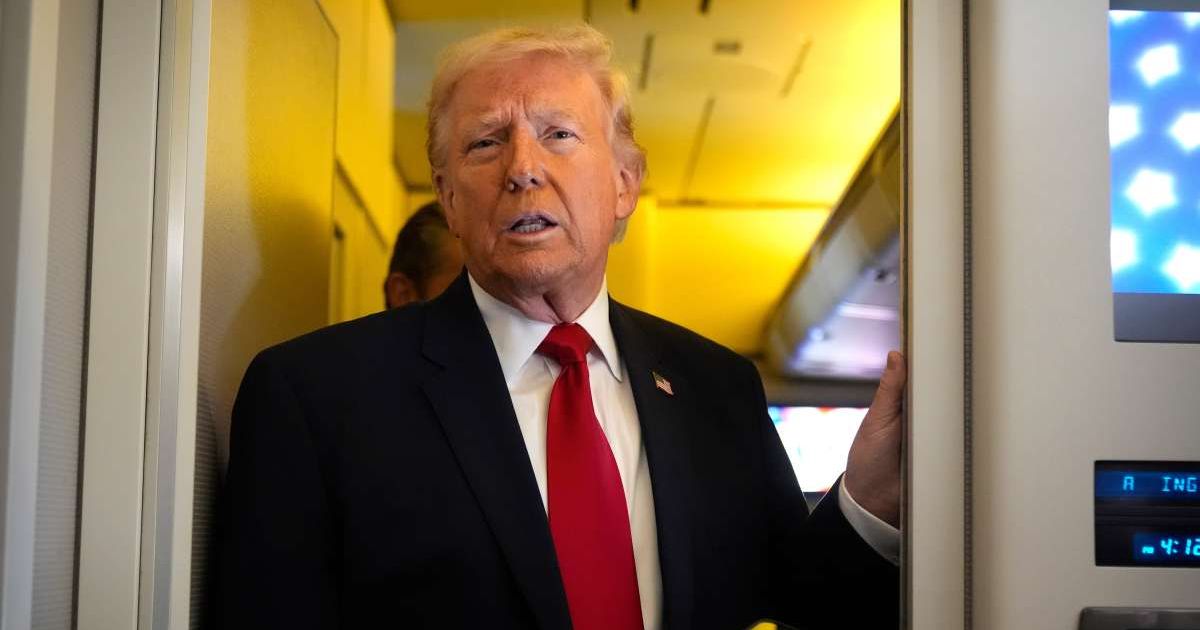
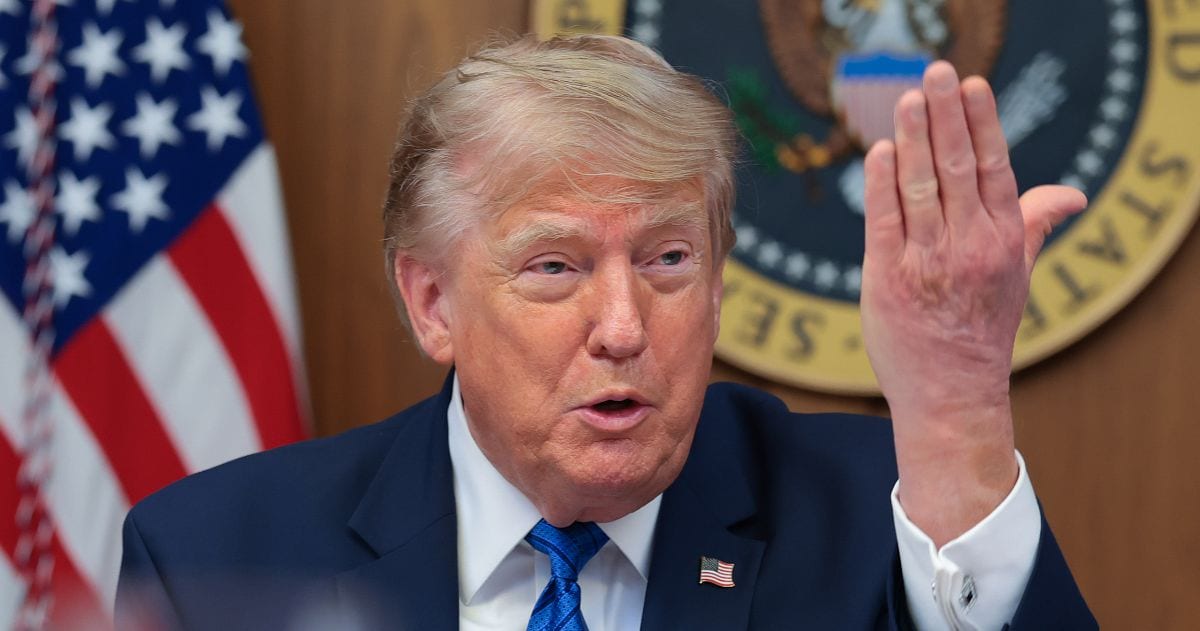
WASHINGTON, DC: President Donald Trump on Thursday, April 23, voiced growing frustration with Iran’s leadership, accusing it of internal discord as Washington awaits a consolidated proposal to end the ongoing conflict.
In a post on Truth Social, Trump claimed Tehran is struggling to establish clear authority, pointing to tensions between competing factions within the regime.
“Iran is having a very hard time figuring out who their leader is! They just don’t know! The infighting between the 'Hardliners', who have been losing BADLY on the battlefield, and the 'Moderates', who are not very moderate at all (but gaining respect!), is CRAZY!," Trump said.
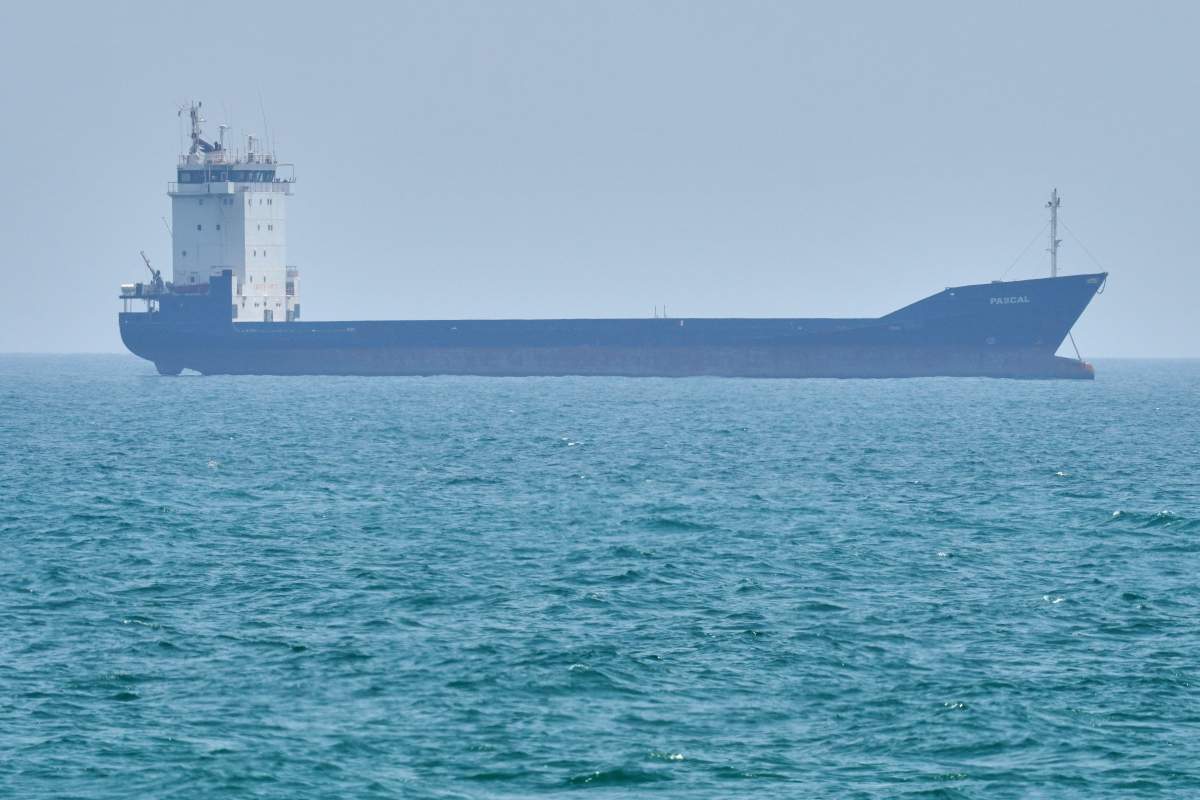
Further, he added, "We have total control over the Strait of Hormuz. No ship can enter or leave without the approval of the United States Navy. It is 'Sealed up Tight', until such time as Iran is able to make a DEAL!!!"
White House seeks clear counterpart
The remarks come as the administration pushes for clarity on who holds ultimate decision-making power in Iran.
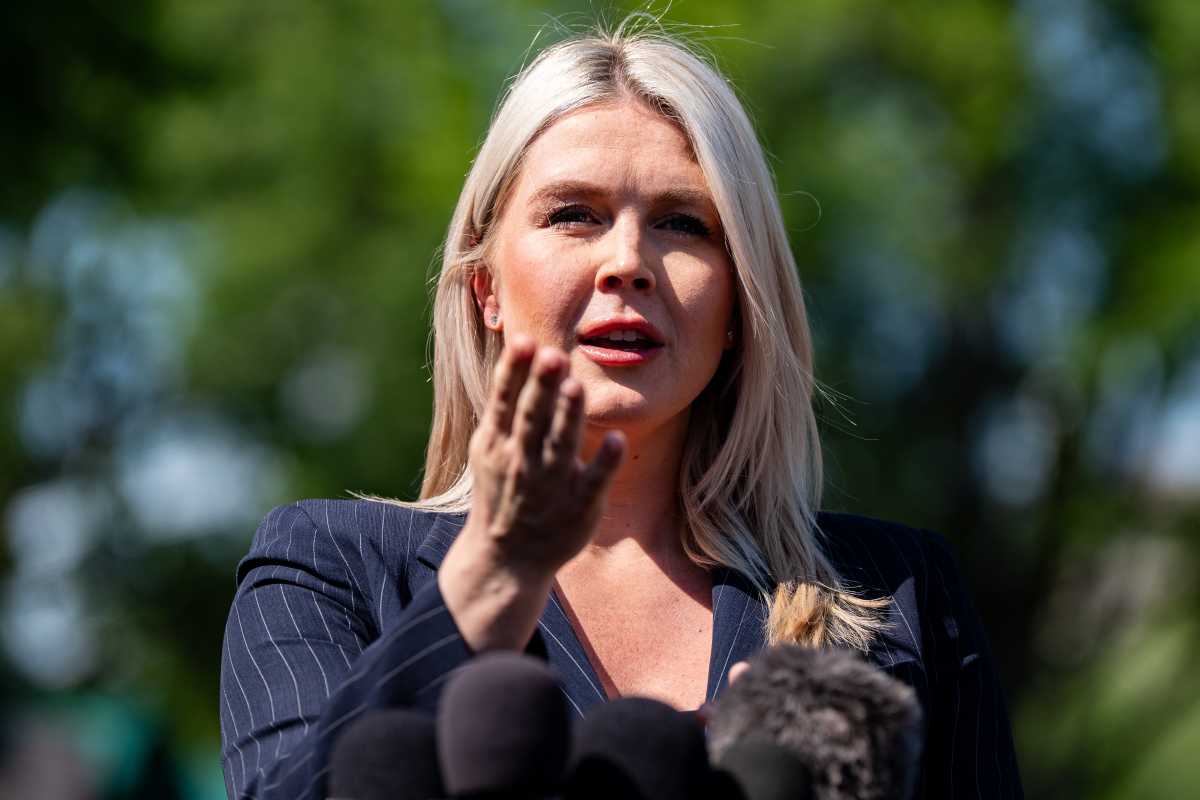
White House Press Secretary Karoline Leavitt said officials believe they have a strong understanding of the key figures involved but are still waiting for a unified response.
“We want to see a unified response and a unified proposal,” she said, indicating that internal divisions could be complicating negotiations.
US intelligence assessments suggest a disconnect between Iran’s diplomatic representatives and its military establishment, further clouding prospects for a swift resolution.
Competing power centers in Iran
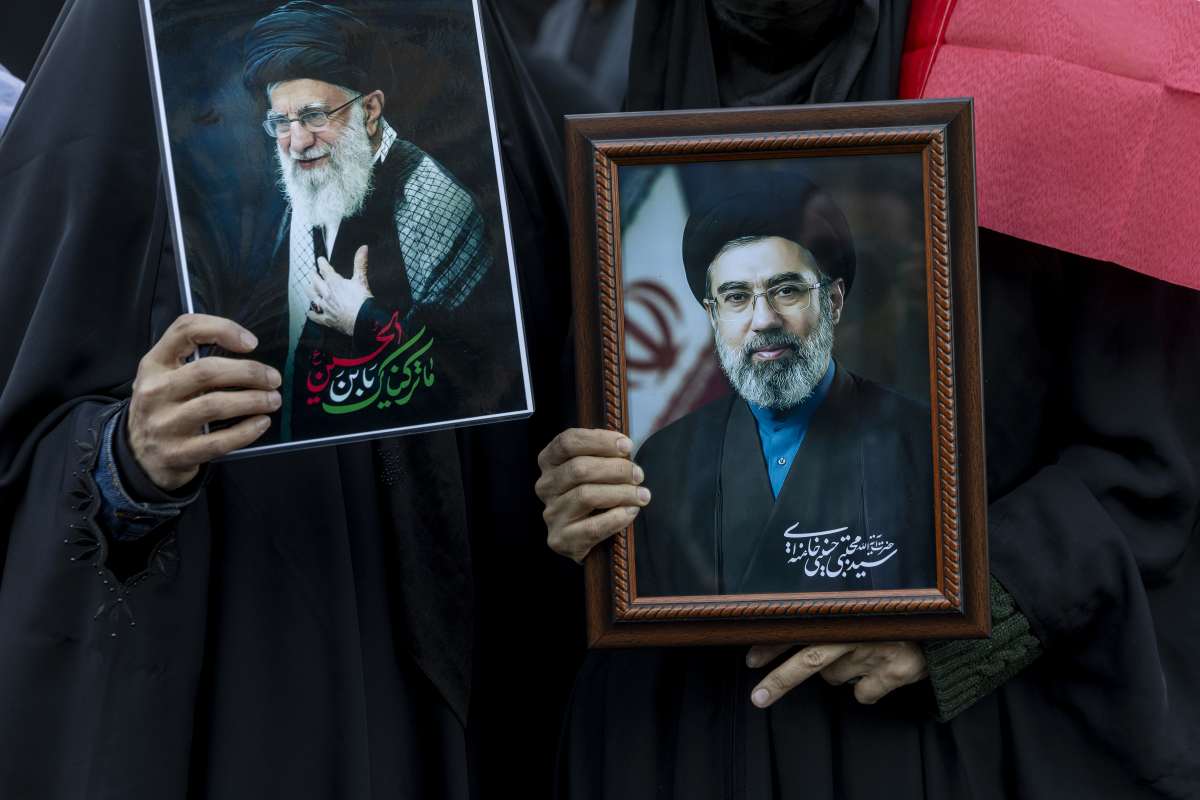
According to reports, Iran’s negotiating efforts are being led by Parliament Speaker Mohammad Bagher Ghalibaf and Foreign Minister Abbas Araghchi.
However, their positions may not fully align with the powerful Islamic Revolutionary Guard Corps, which continues to play a central role in both military strategy and political influence.
This apparent fragmentation has raised concerns in Washington that any agreement reached at the table may not reflect consensus across Iran’s leadership structure.

In a striking assertion, Trump also claimed that the United States has established “total control” over the Strait of Hormuz, one of the world’s most critical oil transit routes.
“No ship can enter or leave without the approval of the United States Navy,” Trump wrote, adding that the passage would remain effectively sealed until Iran agrees to a deal.
The claim points to the heightened stakes in the region, where control of maritime routes has become a central pressure point in the broader standoff. The Strait of Hormuz is vital for global energy flows, and any disruption could have far-reaching economic consequences.
Despite the tough messaging, US officials continue to signal openness to negotiations, provided Iran presents a cohesive proposal backed by all major power centers.
The absence of a clear, unified stance from Tehran has emerged as a key obstacle, leaving the timeline for any potential breakthrough uncertain.