'War could resume in days': Trump convenes Situation Room meeting after Iran shuts Hormuz
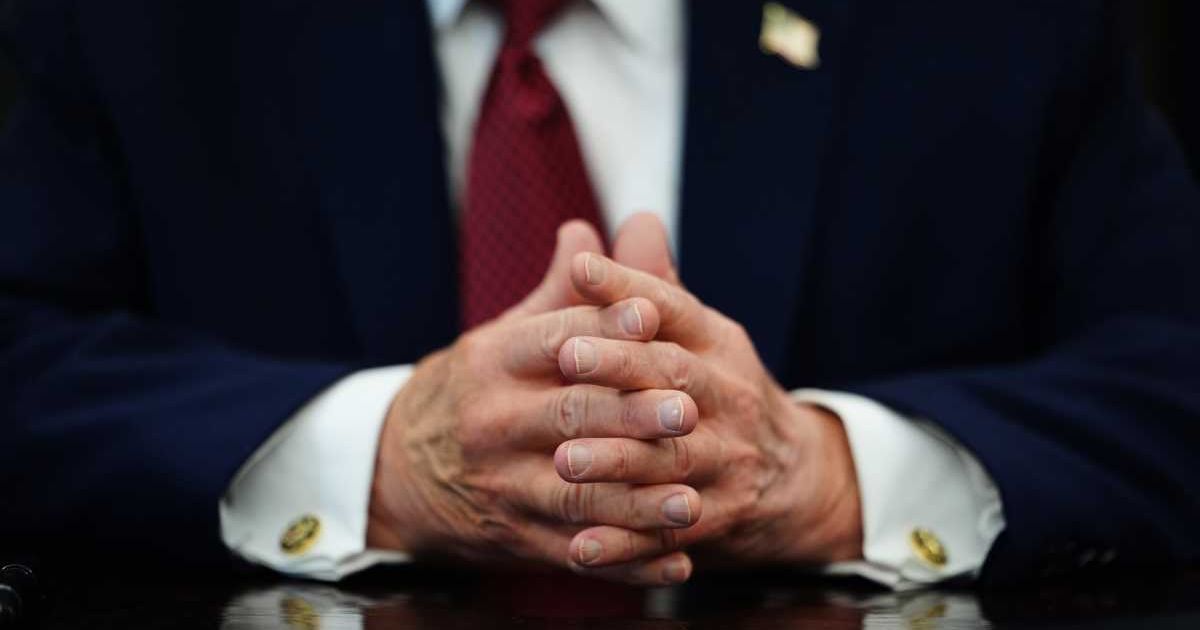
WASHINGTON, DC: President Donald J Trump convened a high-level meeting in the White House Situation Room on Saturday morning, April 18, following renewed tensions in the Strait of Hormuz after reports of Iranian-linked activity affecting commercial shipping.
According to two senior US officials, the meeting was prompted by concerns over access to the waterway, which carries nearly 20% of the world’s daily oil supply, as well as reports of fresh incidents involving vessels in the region.
The development comes less than 24 hours after the administration signaled that a potential agreement to end the 47-day conflict, ongoing since coordinated US-Israeli strikes on February 28, could be finalized “within a day or two.”

Officials now indicate that the situation in the Strait has introduced new uncertainty into the proposed three-page framework under discussion. One senior official said that without progress by Tuesday, “the war could resume in the coming days.”
Top US officials meet to assess Iran developments
The meeting included Vice President JD Vance, Secretary of State Marco Rubio, Defense Secretary Pete Hegseth, and Treasury Secretary Scott Bessent, alongside CIA Director John Ratcliffe and Joint Chiefs Chairman Dan Caine.
Officials said the session focused on both military and economic implications of the latest developments.
While the White House has not disclosed specific decisions, the presence of senior defense and intelligence officials suggests that contingency planning was discussed, including options related to ongoing naval operations.
Treasury officials were also involved as oil markets reacted sharply. Prices, which had briefly eased following reports of reopening, moved back toward the $120 per barrel range amid renewed uncertainty.
Tehran’s 'cute' tactics trigger White House fury
US officials said the latest disruption came at a sensitive stage in negotiations, with mediators, led by Pakistan’s Army Chief Asim Munir, working to narrow gaps on key issues, including Iran’s 970-pound enriched uranium stockpile and the terms of a proposed 20-year nuclear freeze.

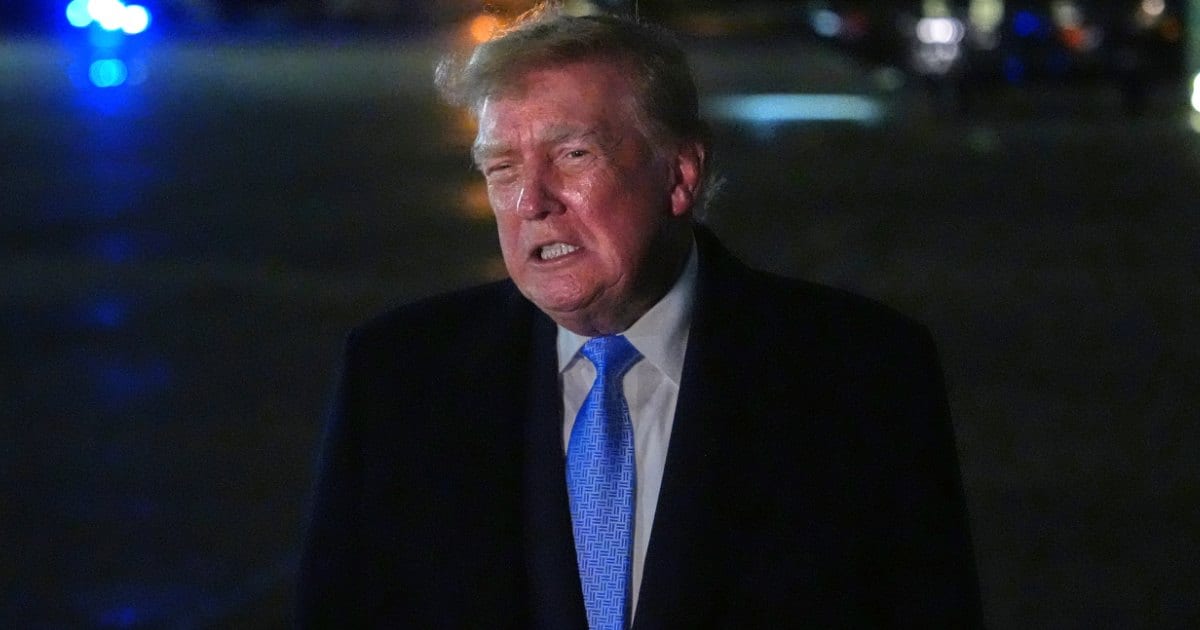
Speaking after the meeting, Trump said Iran had attempted to shift its position during talks.
“Iran got a little cute… they wanted to close up the Strait again,” he told reporters, adding that the United States would not accept pressure tied to maritime access. “They can’t blackmail us,” he said.
Officials noted that existing enforcement measures have significantly reduced Iran’s oil exports, with some estimates indicating losses affecting up to 90% of its revenue streams tied to energy shipments.
Negotiations continue through mediators in Islamabad
Despite the escalation, diplomatic channels remain active. Iran’s Supreme National Security Council confirmed that it is reviewing updated US proposals, which reportedly includes a potential release of up to $20 billion in frozen funds in exchange for commitments tied to nuclear material and compliance measures.

No formal agreement has been reached, but negotiations are expected to continue through mediators in Islamabad and other locations.
US officials said the next 240 hours will be critical in determining whether the ceasefire, currently set at 10 days, is extended or allowed to expire.
Meanwhile, maritime congestion is increasing, with more than 150 ships reported to be waiting near the Strait amid uncertainty over safe passage.
Energy analysts warn that prolonged disruption could have wider economic implications, as global markets respond to fluctuations in supply and shipping access.