Trump says Iran nuclear deal nearly done as second Pakistan summit looms: 'It'll go pretty quickly'
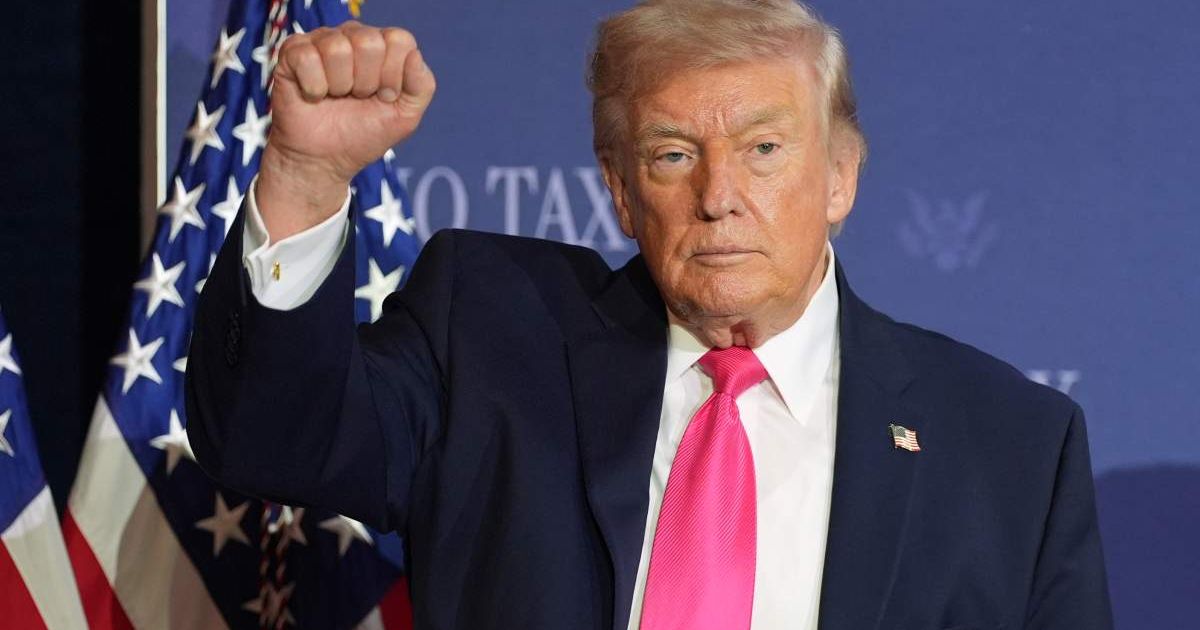
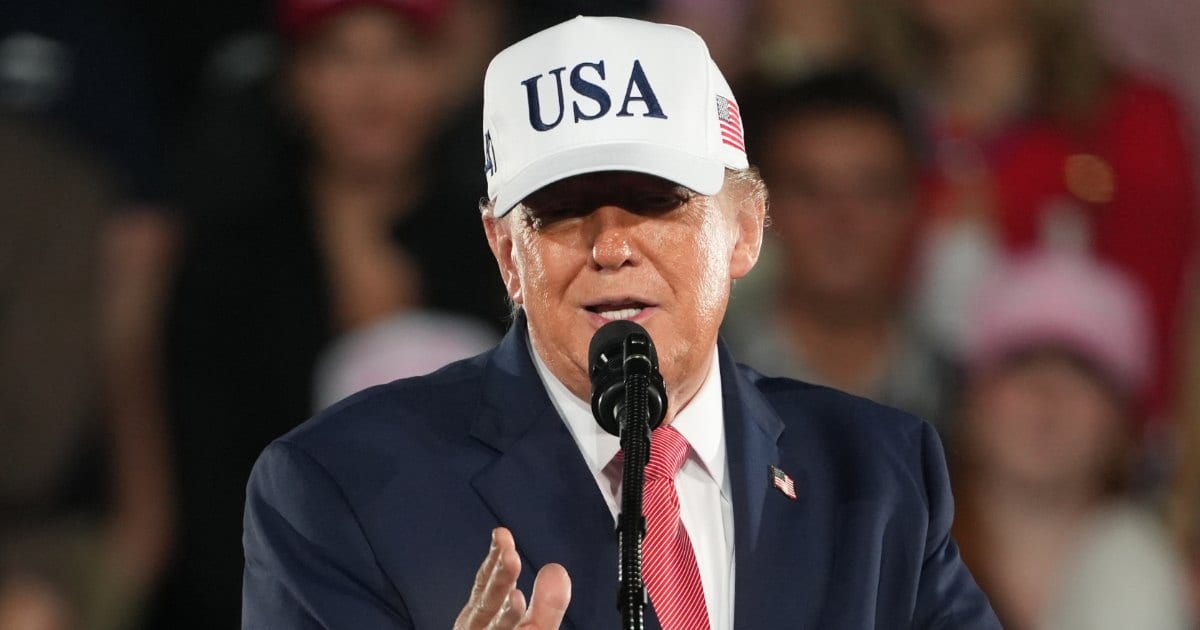
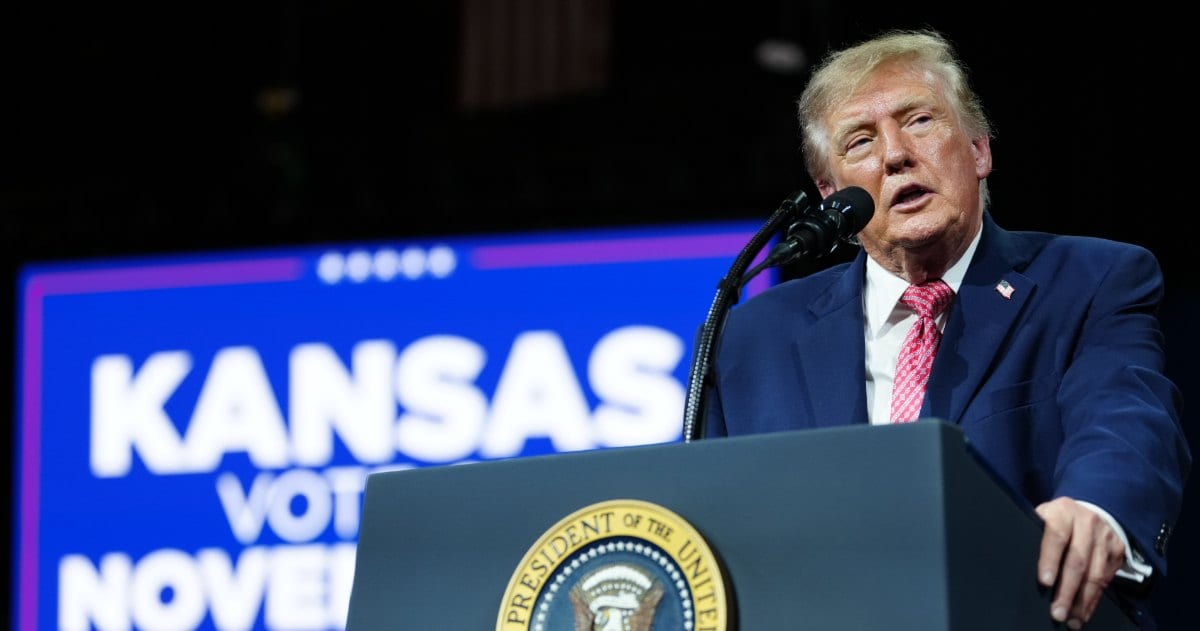
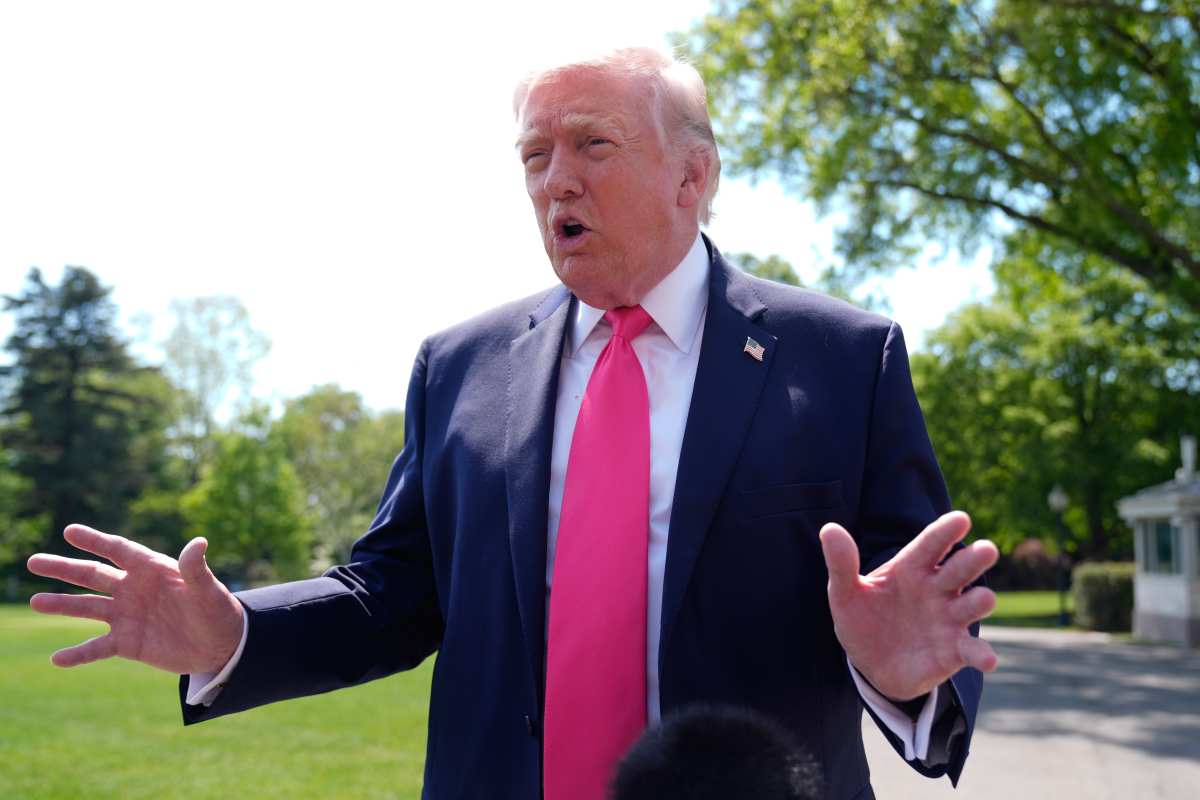
WASHINGTON, DC: President Donald J Trump on Friday, April 17, said a potential agreement to end the 47-day conflict with Iran could be finalized as early as this weekend, signaling what he described as the closing phase of negotiations.
In interviews with Bloomberg and Axios, Trump stated that the “main points” of a proposed framework have been agreed upon, with a follow-up summit expected in Islamabad, Pakistan, to finalize the remaining details of a three-page plan.

The announcement comes as the April 21 ceasefire deadline approaches, with US officials indicating that discussions have shifted from active military operations to final-stage negotiations.
Trump said he may travel to Pakistan for the signing, depending on how quickly the remaining terms are resolved.
Tehran agrees to 'unlimited' nuclear freeze
According to the president, one of the central elements under discussion is a long-term halt to Iran’s nuclear program.
Trump said the proposal includes what he described as an “unlimited” suspension, moving beyond earlier frameworks that referenced a 20-year timeline.
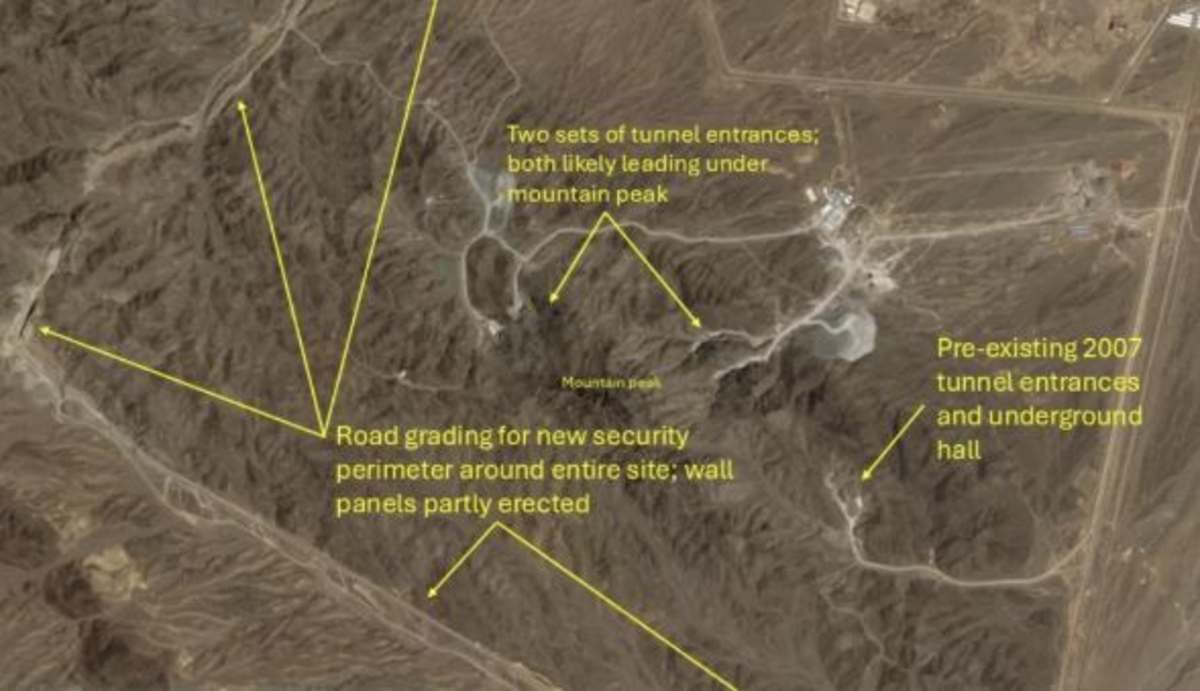
Trump also reiterated that the US intends to take possession of nuclear-related material, which he referred to as nuclear "dust," linked to facilities targeted during the 47-day campaign that involved B-2 bomber strikes.
He emphasized that the arrangement would not involve any financial exchange. “No money will exchange hands in any way, shape, or form,” Trump said.
Iranian officials have not publicly confirmed the full scope of the proposal, though negotiators from both sides continue to meet through intermediaries ahead of the planned Islamabad talks.
Three-page peace plan nears completion
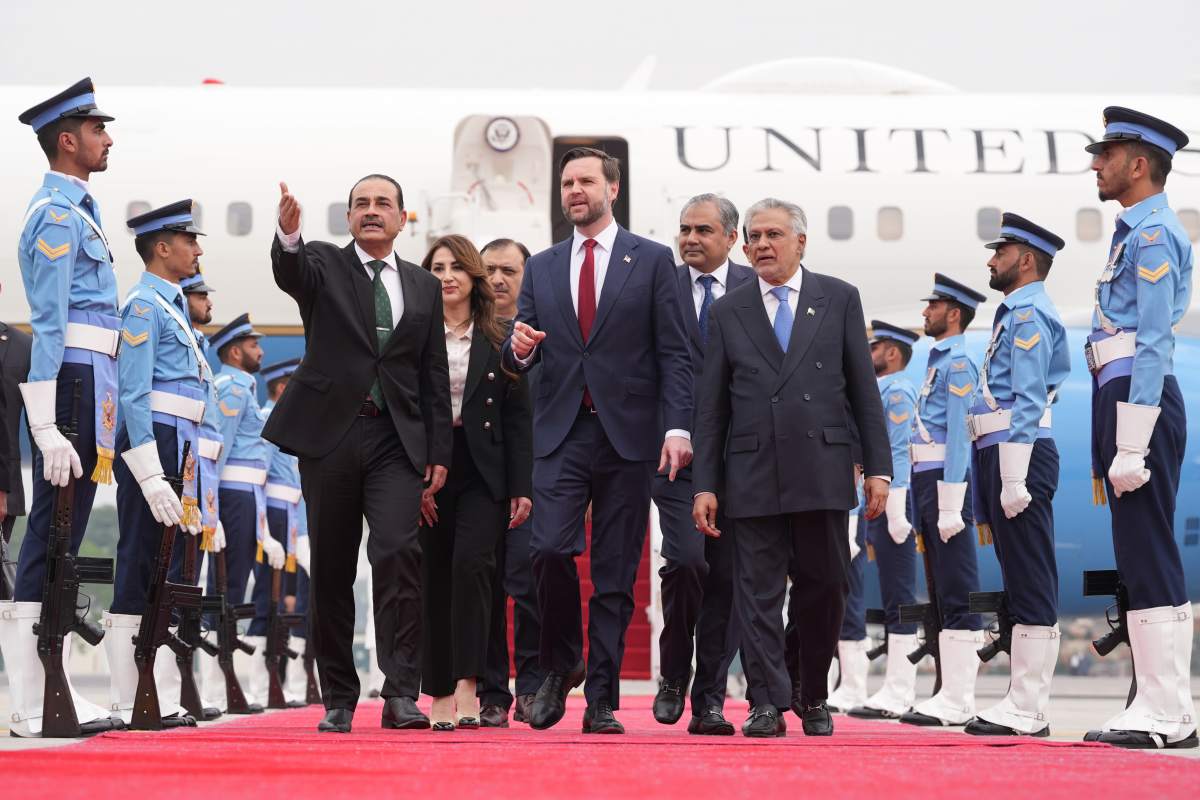
Senior US officials say negotiations are entering a final phase, with draft exchanges narrowing toward a three-page framework intended to formalize an end to the 47-day conflict and outline next steps.
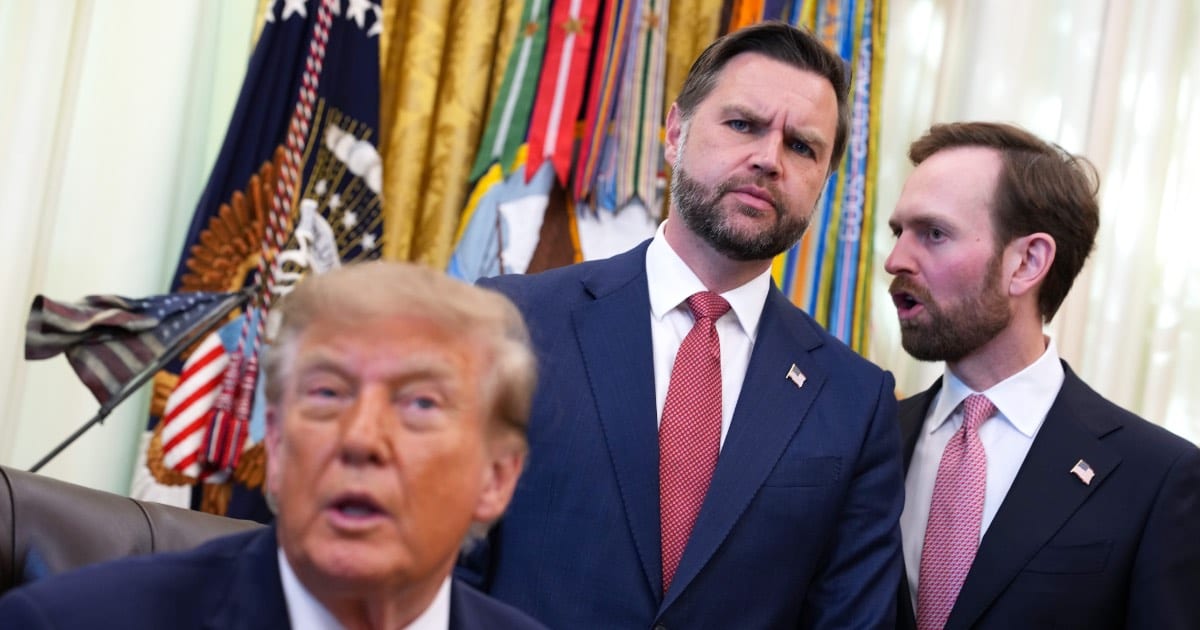
The effort is being led by a core team that includes Vice President JD Vance and senior adviser Jared Kushner, working through multiple diplomatic channels.
President Donald J Trump said “most of the main points are finalized,” adding that remaining elements could be resolved quickly.
Officials familiar with the talks cautioned that differences persist on key provisions, including sequencing and verification mechanisms, but confirmed that discussions have accelerated in recent days.
The progress follows weeks of backchannel engagement involving US and Iranian representatives, supported by mediators.
Administration officials say economic pressure and disruptions to Iran’s revenue streams have shaped the current negotiating environment, though no final agreement has been announced.
JD Vance signals confidence in negotiators
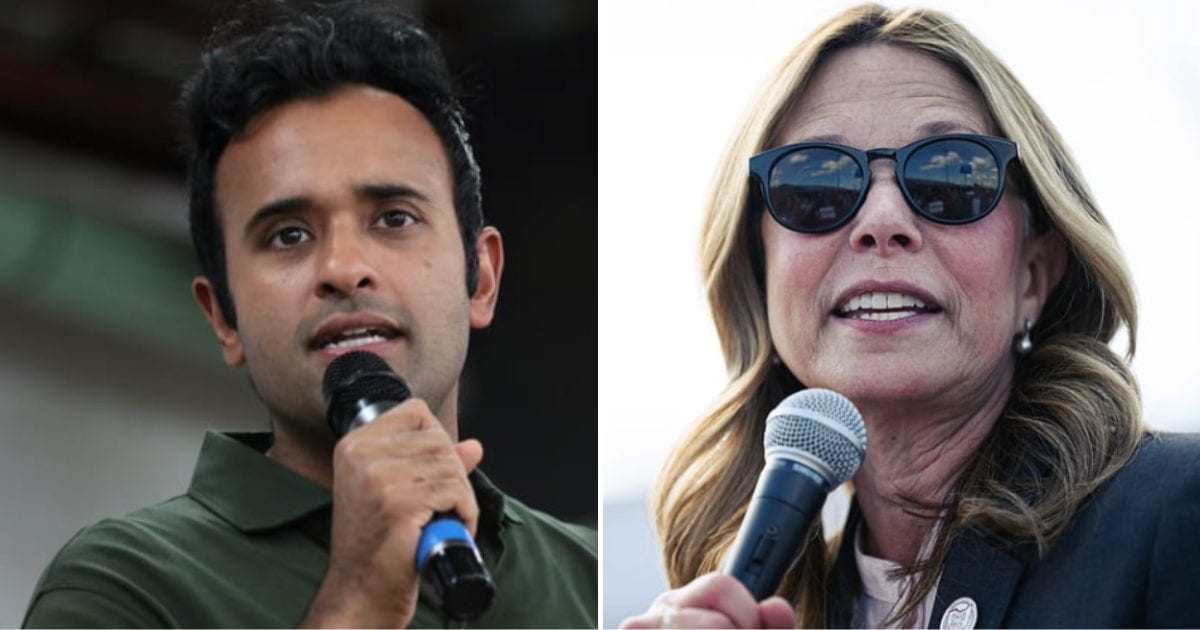
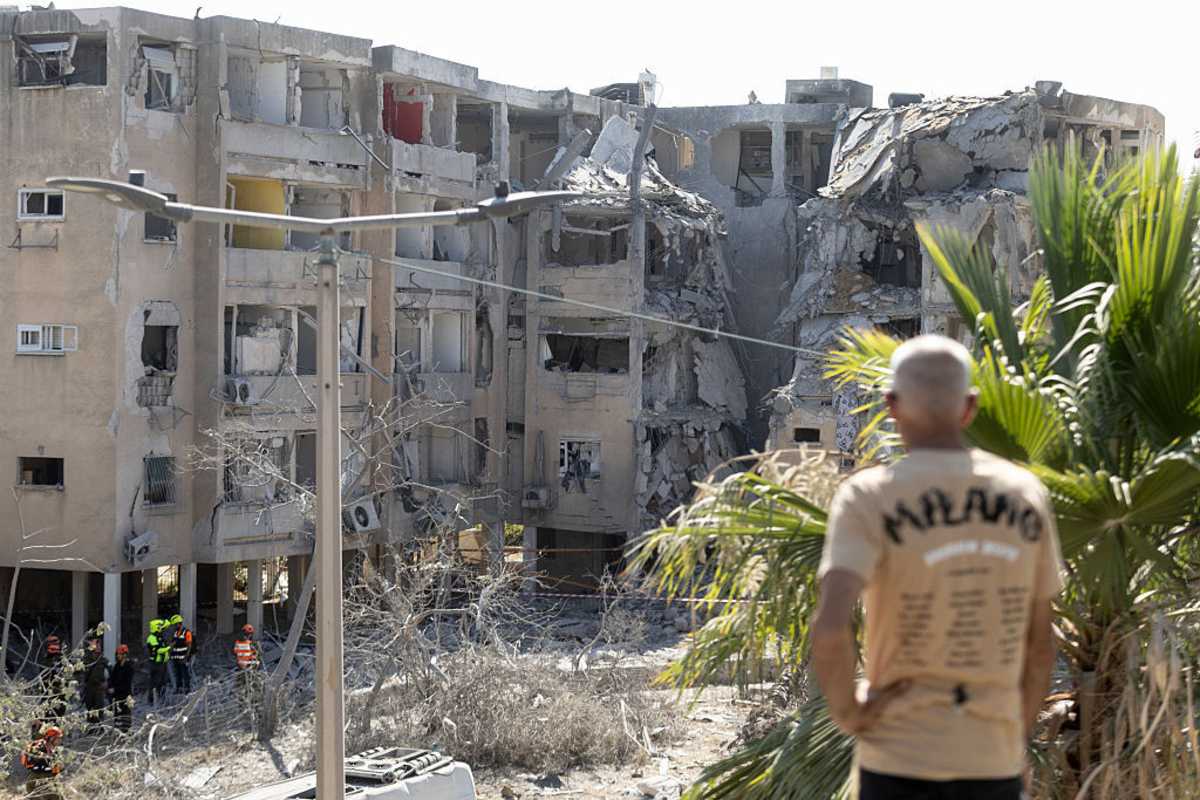
Vice President JD Vance, who participated in earlier rounds of talks in Pakistan, said he remains confident about the trajectory of negotiations.
Speaking at a Turning Point USA event, Vance said, “I think the people we’re sitting across from wanted to make a deal… I feel very good about where we are.”
US officials indicate that discussions have involved multiple Iranian representatives rather than direct engagement with Supreme Leader Mojtaba Khamenei.
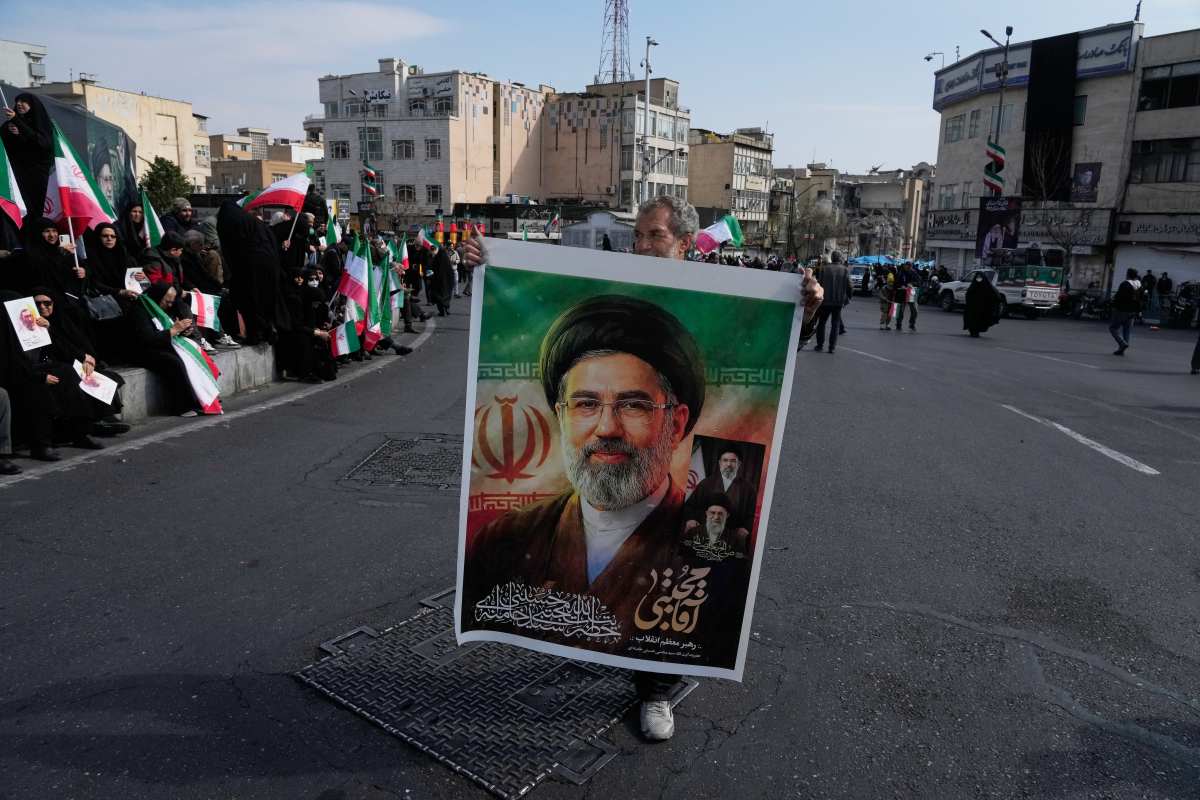
The approach has focused on identifying areas of agreement with negotiators authorized to advance proposals.
Diplomatic activity has also included coordination with regional partners. A Pakistani delegation led by Army Commander Field Marshal Asim Munir has engaged with Iranian officials as part of ongoing mediation efforts aimed at resolving outstanding issues.
Islamabad prepares for second summit
Preparations are underway for a second round of in-person talks in Islamabad, with officials working to finalize timing and logistics.
The meeting is expected to bring together US and Iranian negotiators along with mediators from Pakistan, Egypt, and Turkey, who have been involved throughout the process.
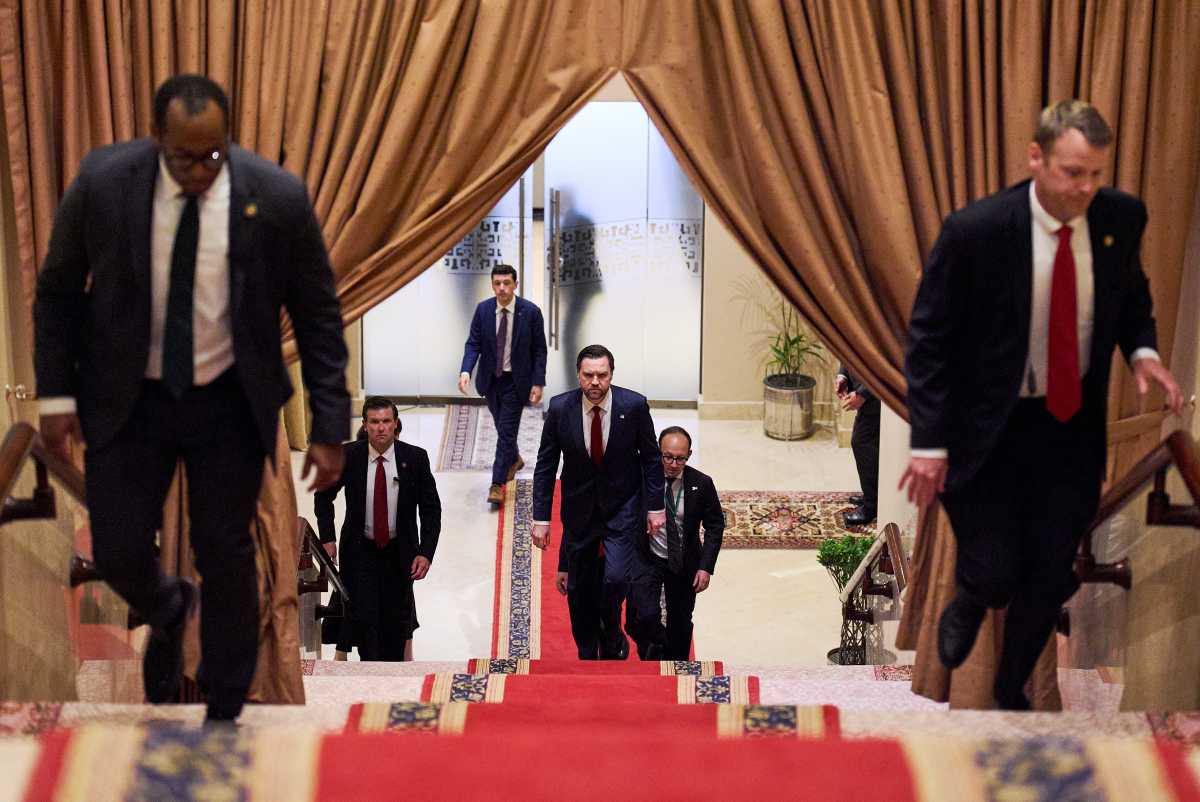
Officials say the proposed summit would serve as the venue for formalizing a framework agreement, if remaining gaps can be bridged.
Security and logistical arrangements are being scaled up, with thousands of personnel expected to be deployed to support the talks.
US officials note that even if a framework is reached within the next 48 hours, additional time would be required to negotiate detailed provisions of a longer-term agreement. “The details are complicated, you can’t do that in two days,” one official said.
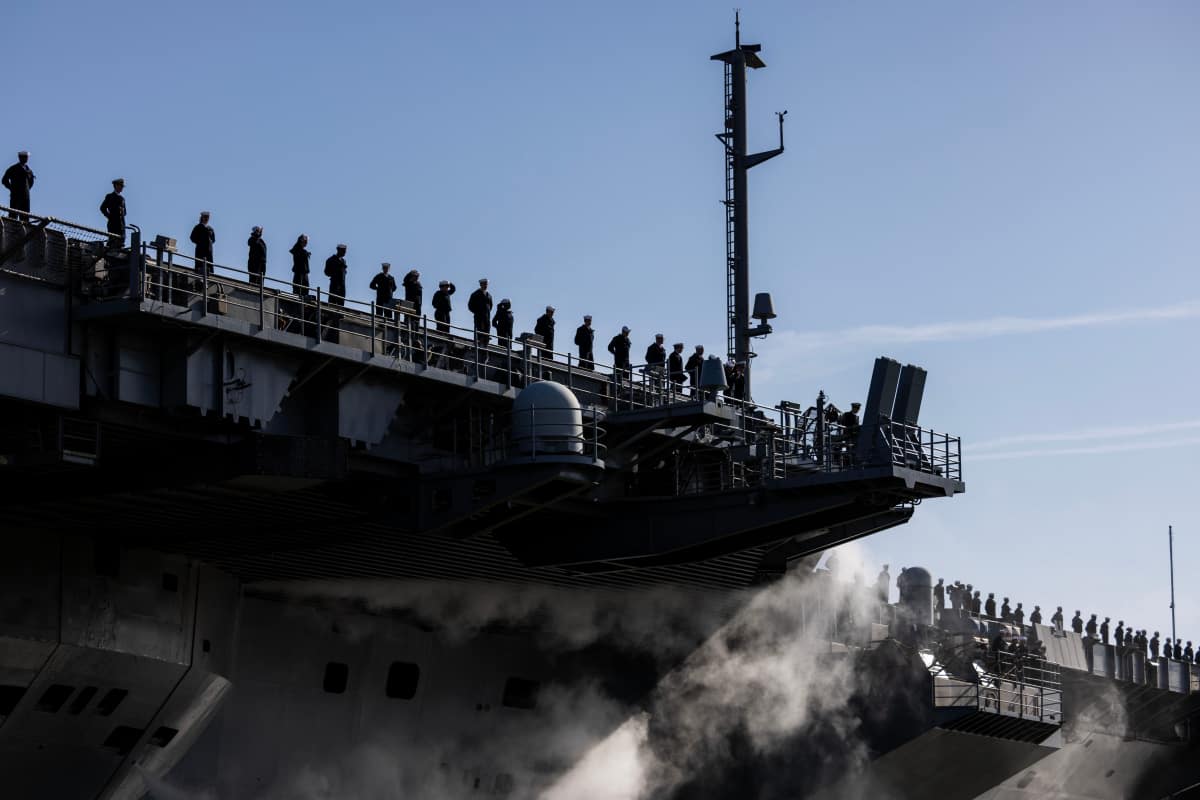
With the April 21 ceasefire deadline approaching, discussions are expected to intensify.
The administration has indicated that an extension of the ceasefire may be necessary if a preliminary agreement is secured, allowing negotiators to finalize technical and legal elements of the deal.