'Unify for the battlefield!' Trump urges GOP to save FISA as House passes 10-day extension
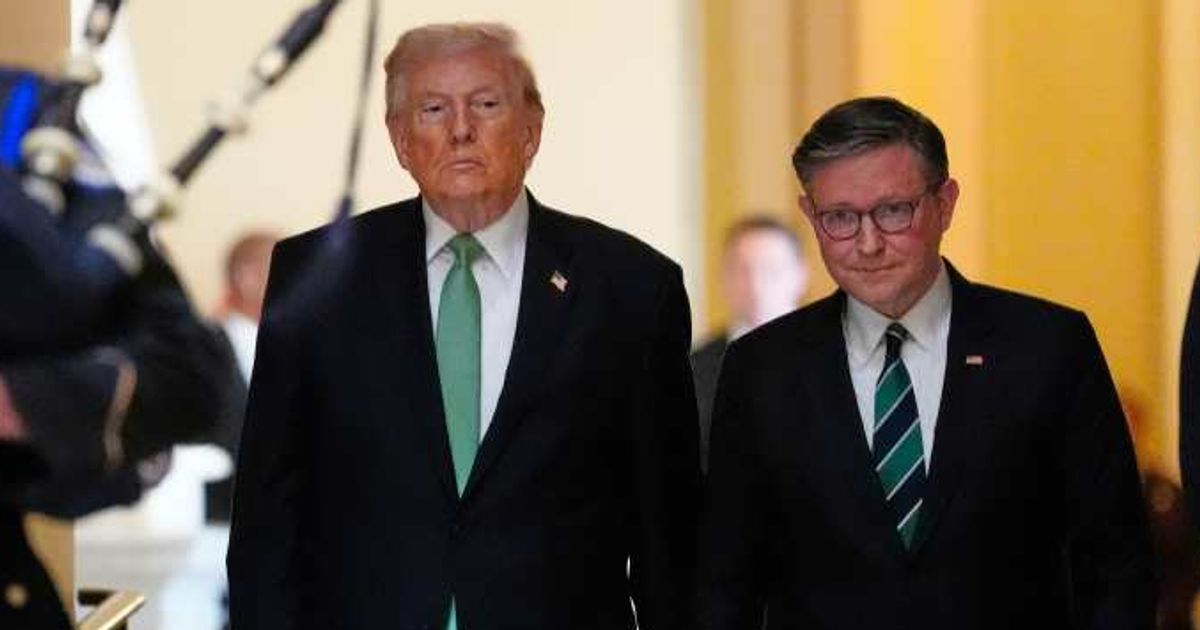
WASHINGTON, DC: The House of Representatives in the early hours of Friday, April 17, unanimously approved a 10-day extension of Section 702 of the Foreign Intelligence Surveillance Act (FISA), pushing the expiration deadline from April 20 to April 30 after a high-pressure overnight session.
The short-term measure followed multiple failed attempts to pass a longer-term renewal, with divisions within the Republican conference preventing consensus.
The extension ensures that Section 702 authorities, widely used for foreign intelligence collection, remain active while lawmakers continue negotiations.
The late-night vote came amid warnings from national security officials that a lapse could disrupt ongoing surveillance operations tied to foreign threats.
"I am working very hard with our Great Speaker, Mike Johnson, along with Chairman Jim Jordan and Chairman Rick Crawford, to get a clean extension of FISA 702 through the House of Representatives this week..." - President Donald J. Trump pic.twitter.com/p0eM201xGr
— The White House (@WhiteHouse) April 14, 2026
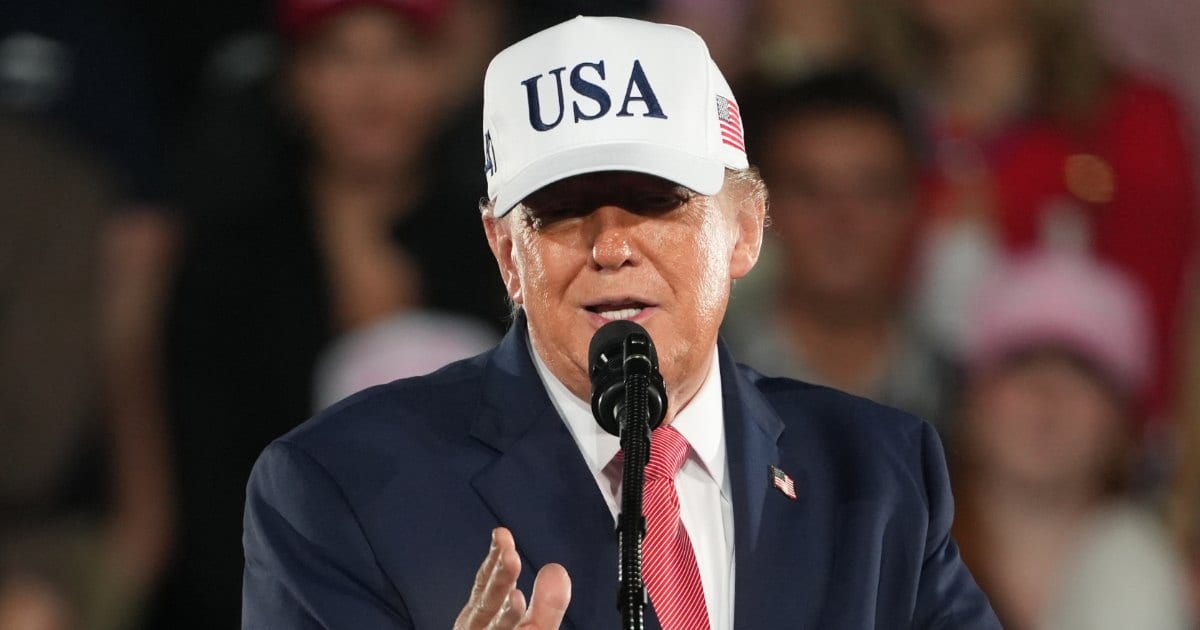
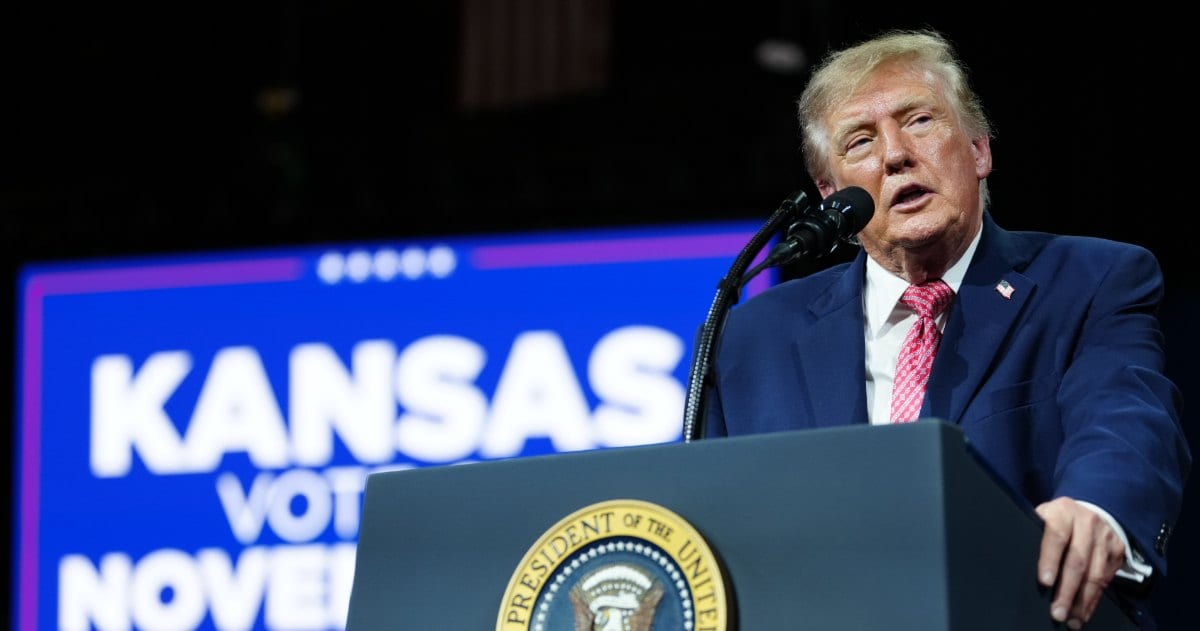
President Donald J. Trump publicly backed the extension during the standoff, urging Republicans to “UNIFY” in a Truth Social post.
Despite past criticism of intelligence agencies, Trump said he supports maintaining the authority, stating he is “willing to risk giving up my Rights and Privileges as a Citizen” to ensure tools remain available to prevent foreign attacks.
Privacy hawks block warrantless ‘backdoor’ searches
A key point of contention remains whether US agencies should be required to obtain warrants before querying communications involving American citizens collected under Section 702.
Representative Keith Self (R-Texas), along with other conservative lawmakers, opposed an 18-month extension that did not include additional safeguards.
Self and his allies argue that the current framework permits “warrantless backdoor” searches, raising constitutional concerns under the Fourth Amendment. Their position has stalled broader reauthorization efforts, forcing leadership to rely on short-term extensions.
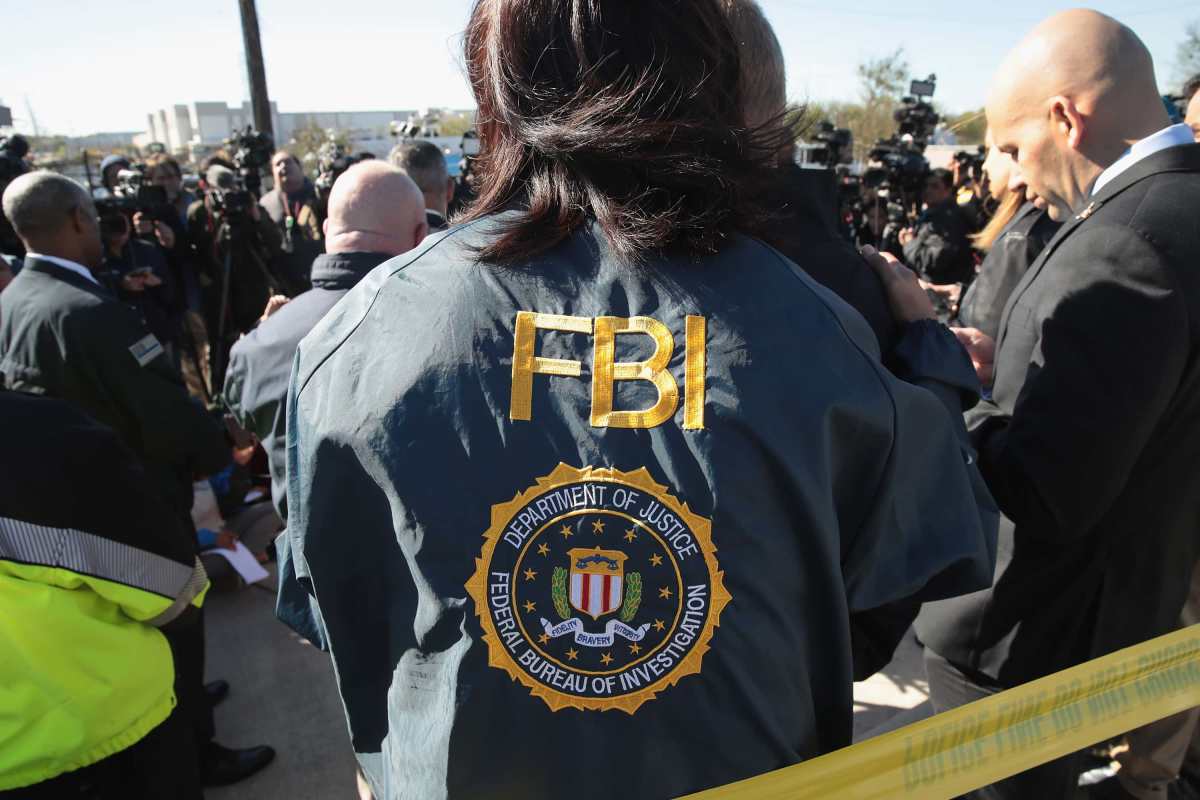
The debate has been intensified by disclosures from 2021 court filings showing that the FBI conducted as many as 278,000 improper queries involving US persons.
Representative Thomas Massie (R-Ky.) cited those figures while pushing for reforms, adding that recent classified briefings indicate continued expansion in the use of Section 702 authorities.
Massie has said he intends to force repeated votes until warrant requirements are adopted.
Trump defends ‘necessary’ battlefield surveillance tools
The administration has emphasized the operational value of Section 702, particularly in overseas intelligence gathering and counterterrorism efforts.
Trump said the authority is “necessary to protect our Troops overseas,” referencing discussions with military officials.

US intelligence agencies have consistently described Section 702 as a central tool in identifying and disrupting foreign threats, though many operational details remain classified.
Officials argue that even a short interruption could reduce real-time visibility into hostile activity.
By framing the program as essential to military effectiveness and national security, the White House has increased pressure on lawmakers to reach an agreement before the April 30 deadline.
Speaker Johnson attempts to ‘thread the needle’
House Speaker Mike Johnson said the extension provides time to resolve differences between national security priorities and civil liberties concerns.
“FISA is a critical national security tool. It’s also a very complicated piece of legislation,” Johnson told reporters following the vote.
Speaker Johnson optimistic about future of long term FISA deal following April 30 stopgap extension
— Kelly Phares (@kellyfphares) April 17, 2026
Johnson says “we were very close tonight”
5 year + reforms extension amendment had 12 GOP no votes…
Rule for 18 month clean extension had 20 GOP no votes … pic.twitter.com/faaAfiFx2G
Johnson indicated that lawmakers are exploring revisions similar to the 2024 reauthorization, which introduced penalties for misuse but stopped short of requiring warrants for all US-person queries.
Negotiations are expected to continue as both sides seek a compromise.
With the Senate expected to act on the extension quickly, attention now shifts to whether Congress can finalize a longer-term deal within the next 240 hours.
If no agreement is reached by April 30, Section 702 authority will expire, potentially disrupting one of the government’s primary foreign intelligence programs.