‘They can’t blackmail us!’ Trump blasts Tehran’s ‘cute’ tactics as Iran deal deadline looms
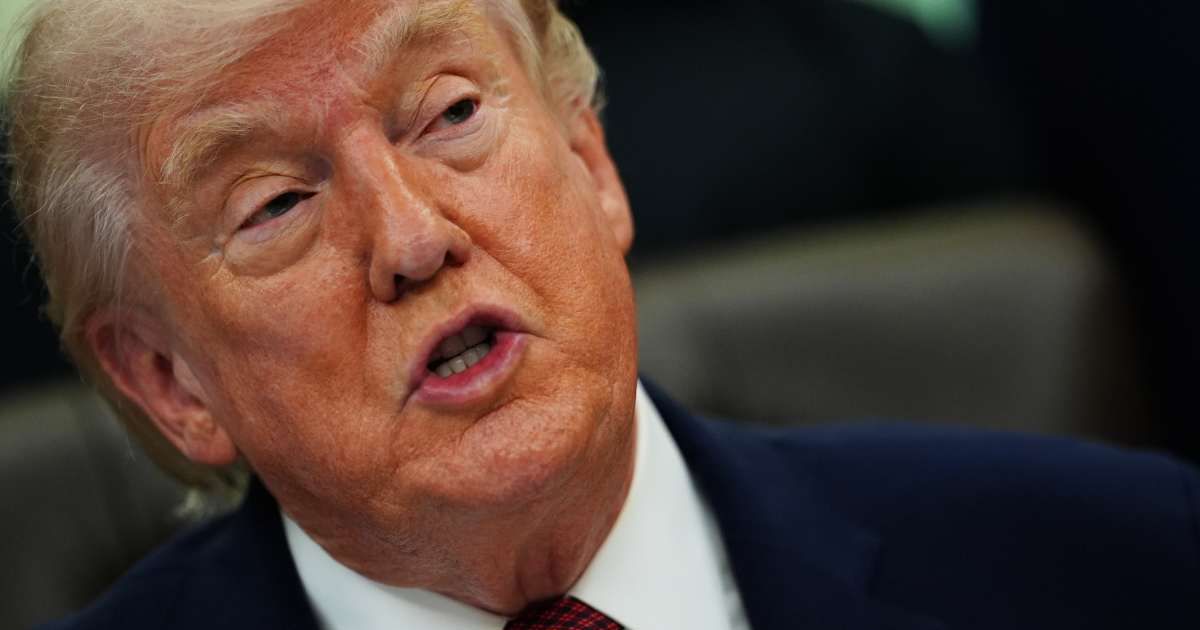
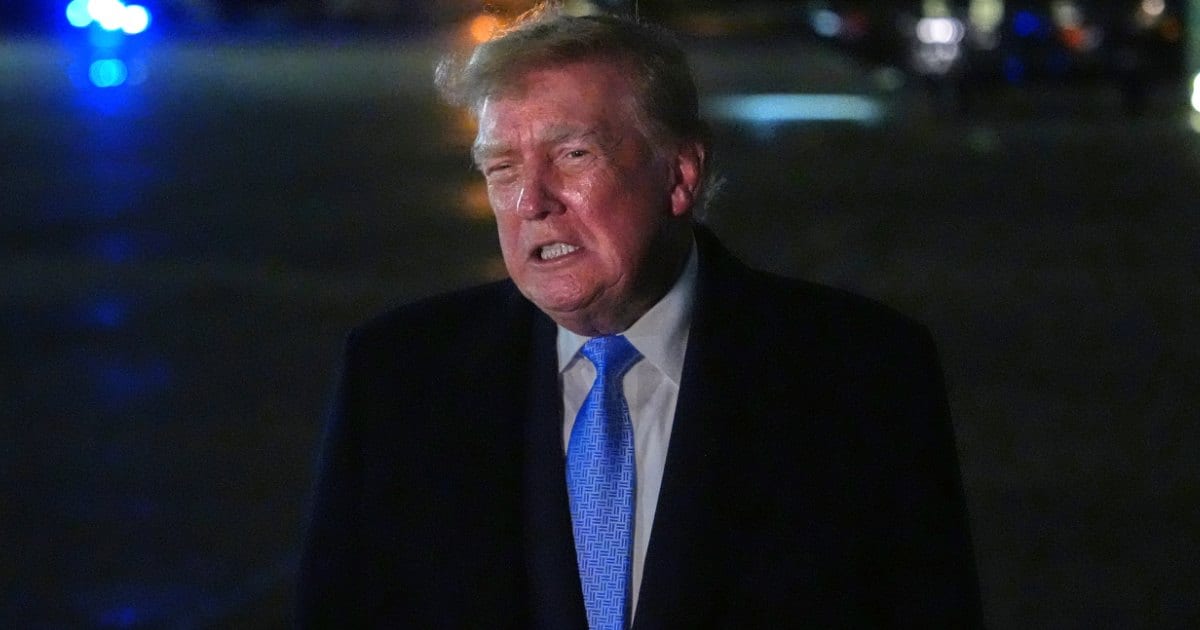
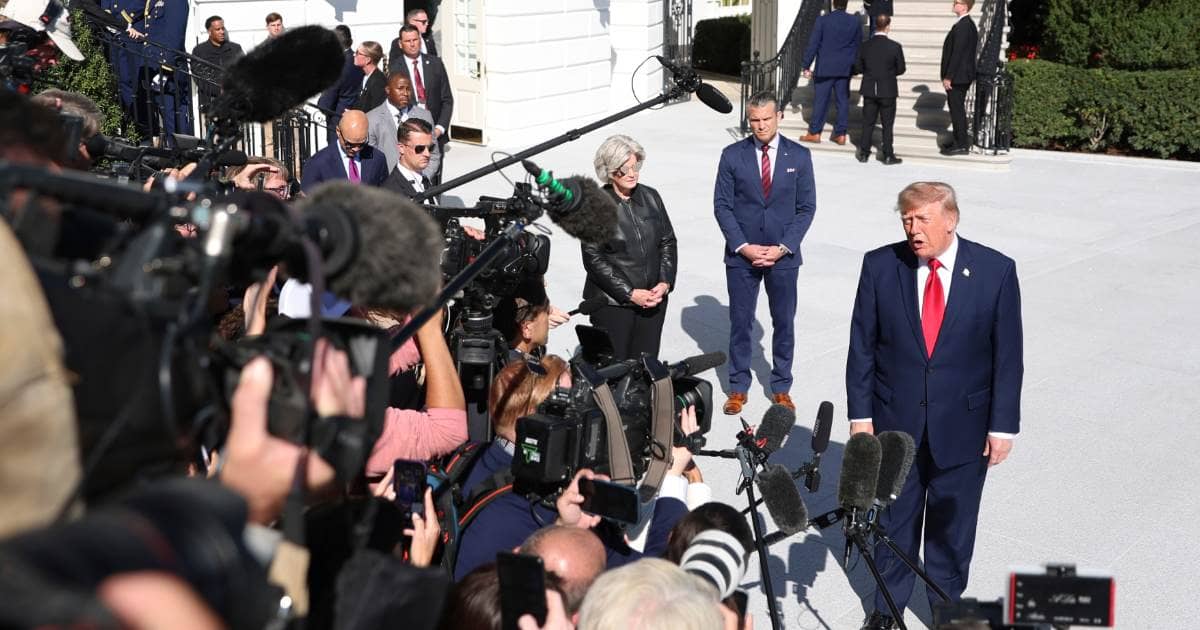
WASHINGTON, DC: President Donald J. Trump said Saturday, April 18, that the United States will not accept “blackmail” from Iran as negotiations continue toward a potential agreement to end the 47-day conflict.
Speaking from the Oval Office, Trump told reporters that discussions are ongoing and described them as “very good conversations,” while signaling concern over what he characterized as a late-stage shift in Iran’s position.
According to the President, US officials have raised concerns about activity linked to the Strait of Hormuz, a key global shipping route that handles nearly 20% of the world’s daily oil supply.
IRAN “CAN’T BLACKMAIL US”
— Real America's Voice (RAV) (@RealAmVoice) April 18, 2026
“We're talking to them. They wanted to close up the Strait again, as they've been doing for years, and they can't blackmail us...We’re taking a tough stand.” - @POTUS pic.twitter.com/H5UwERBR6I
Trump said Iran had previously attempted to disrupt access to the waterway and suggested similar risks were being monitored again. “They can’t blackmail us. It’s not going to happen,” he said.
Tehran’s ‘cute’ tactics trigger White House frustration
Trump indicated that US negotiators are closely watching Iran’s approach as talks enter a critical phase.
He said Tehran has historically used pressure tactics tied to the Strait of Hormuz and suggested that similar strategies may be resurfacing during the current negotiations.
Officials familiar with the discussions said differences remain over key issues, including the sequencing of sanctions relief and the handling of nuclear material.
The administration has maintained that any agreement must include verifiable steps related to Iran’s nuclear program before broader concessions are considered.
President Trump: 🇺🇸🇮🇷 Iran "got a little cute," wanting to close the Hormuz Strait but "they can't blackmail us." pic.twitter.com/yIeY9Ln9Vt
— Donald J Trump Posts TruthSocial (@TruthTrumpPost) April 18, 2026
The President also referenced past hostilities between the two countries, noting the broader context behind the administration’s negotiating posture.
While he did not provide specific details, officials have said security concerns remain central to the US position as talks continue.
No blackmail allowed in the Strait
The Strait of Hormuz remains a focal point in both military and diplomatic calculations. US officials say naval assets continue to operate in the region to ensure freedom of navigation for international shipping.
The administration has emphasized that any disruption to commercial traffic would be treated as a serious escalation.
Trump reiterated that the waterway must remain open, adding that US forces are positioned to respond to any threats.
The current posture includes ongoing monitoring and coordination with allies to maintain stability in the Gulf.
At the same time, officials confirmed that restrictions tied specifically to Iranian shipping and exports remain in place as part of broader economic pressure measures.
These are expected to continue unless a final agreement is reached.
Talks progressing toward end-of-day reveal
Despite the tensions, Trump said negotiations are “going actually along very well,” indicating that progress has been made on several components of a potential deal.
Diplomatic efforts led by Vice President JD Vance and international mediators are continuing across multiple channels, including meetings in Islamabad and other locations.
🚨 JUST IN: President Trump says Iran wanted to CLOSE THE STRAIT OF HORMUZ again
— Eric Daugherty (@EricLDaugh) April 18, 2026
"But they can't BLACKMAIL US!" 🔥
"It's going, actually, along very well. We'll have some information by the end of the day. We're talking to them. We're taking a TOUGH STAND. They've killed a lot… pic.twitter.com/iqCqqQV4Z0
Officials said technical discussions are now focused on finalizing details related to nuclear oversight and enforcement mechanisms.
While no agreement has been announced, there is growing expectation that a framework could be outlined soon.
“We’ll have some information by the end of the day,” Trump said, suggesting that an update could be imminent.
However, US officials cautioned that key issues remain unresolved and that timelines could shift depending on developments.
Legacy of conflict fuels ‘tough stand’
The administration has framed the current negotiations within the broader history of US-Iran relations, which have remained strained for decades.
Officials say this context continues to shape the US approach, particularly on security guarantees and verification requirements.
Trump indicated that the United States is seeking a comprehensive resolution that addresses long-standing concerns.
While he did not outline specific terms, the administration has repeatedly emphasized the need for enforceable commitments tied to Iran’s nuclear activities.
As negotiations continue, the possibility of renewed escalation has not been ruled out.
US officials have stated that military options remain available if diplomatic efforts fail, though the current focus remains on securing an agreement before the April 21 ceasefire deadline.