Iran locks Hormuz under 'strict control' after US refuses to lift naval blockade
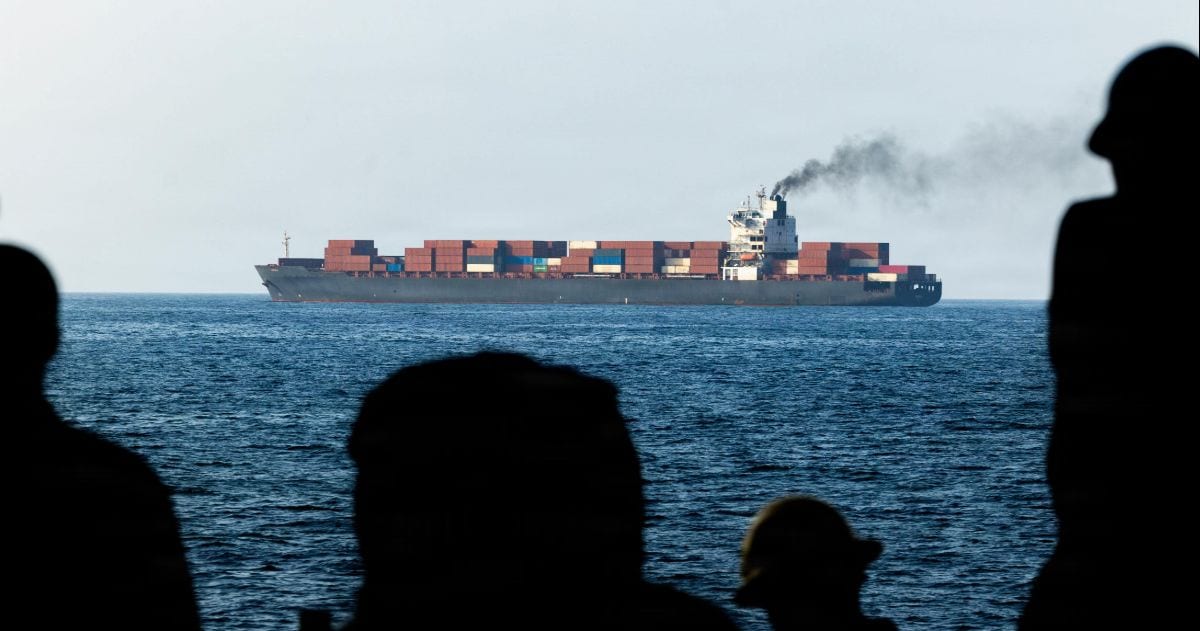
TEHRAN, IRAN: Iran has reinstated “strict control” on Saturday, April 18, over the Strait of Hormuz, reversing its brief reopening of the strategic waterway amid escalating tensions with the US. The move comes as Washington continues a blockade targeting Iranian-linked shipping, prompting renewed restrictions by Tehran.
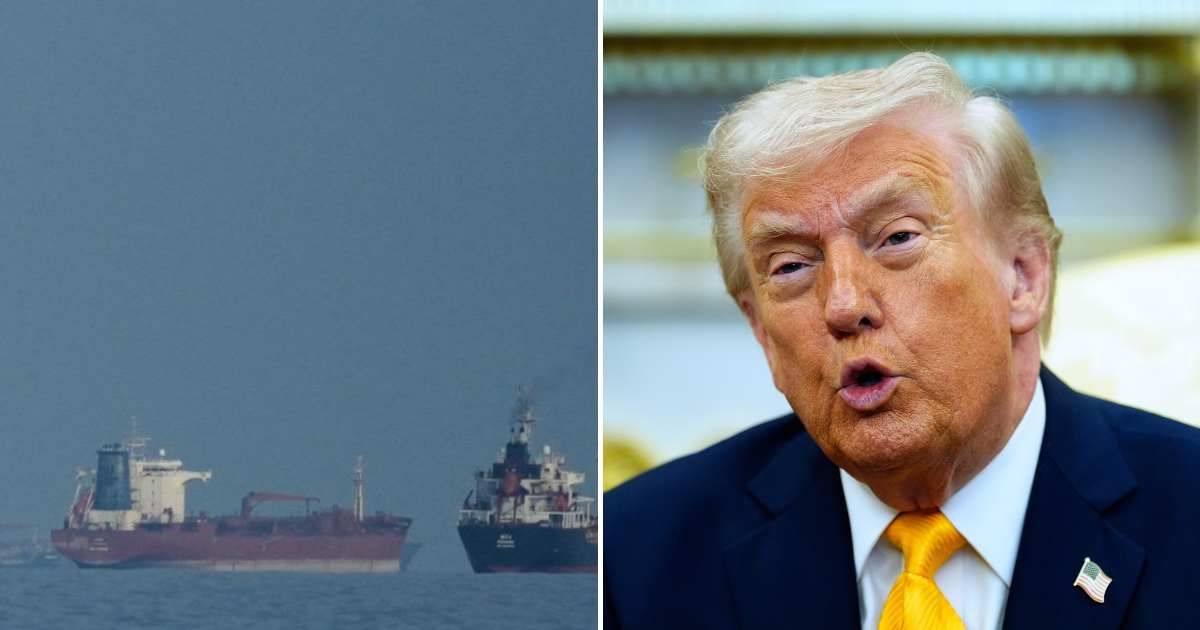
The development follows a reported incident involving Iranian gunboats firing on a tanker near Oman.
The Strait remains one of the world’s most vital maritime corridors with approximately 20% of global oil supplies passing through it. Hormuz has seen fluctuating conditions over the past 24 hours.

Iran reinstates restrictions and cites US blockade
Iranian military officials said on Saturday that conditions in the Strait of Hormuz have returned to “strict control,” linking the decision to the continued US blockade on vessels connected to Iranian ports.
A spokesperson for Iran’s Khatam al-Anbiya military command headquarters stated, “Control over the Strait of Hormuz has returned to its previous state, and this strategic waterway is now under strict management and control of the armed forces.”
The statement underscored that the restrictions would remain in place unless US policy changes.
“Until America allows full freedom of navigation for vessels traveling from Iran to destinations and vice versa, the situation in the Strait of Hormuz will remain under strict control and in its previous condition,” the spokesperson added.
Iran had declared the waterway “completely open” a day earlier during an ongoing ceasefire period, though shipping activity remained limited as companies assessed the security situation.
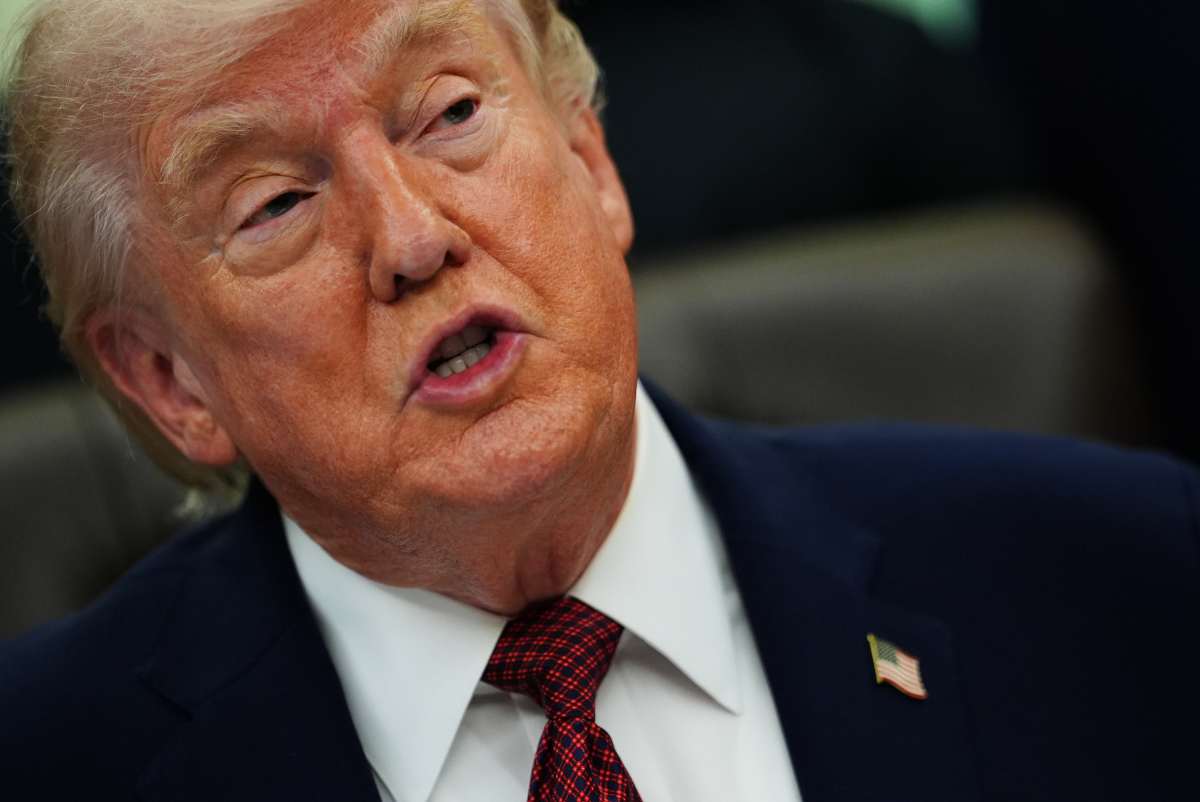
The reversal followed President Trump’s announcement that a blockade on Iranian ports would continue until a broader agreement is reached.
THE WAR CONTINUES
— Brian Allen (@allenanalysis) April 18, 2026
Trump aboard Air Force One:
"Maybe I won't extend the ceasefire."
"So you have a blockade, and unfortunately we'll have to start dropping bombs again."
Wednesday is the deadline.
No deal by Wednesday — the bombs restart.
Four days.
Never stop connecting… pic.twitter.com/MMtorp7lmZ
Iranian officials criticized the US measures, with a military spokesperson stating, “The Americans, with their repeated breaches of commitments well documented in their record, continue acts of piracy and maritime theft under the so-called blockade.”
The Revolutionary Guards’ Navy also warned that “any breach of commitments by America will receive an appropriate response.”
Tanker incident highlights rising tensions in the waterway
The renewed restrictions came alongside a reported maritime security incident involving Iranian forces.
According to the UK Maritime Trade Operations (UKMTO), a tanker traveling roughly 20 nautical miles off the coast of Oman was approached by two Iranian Revolutionary Guard Corps (IRGC) gunboats.
Reports of GUNFIRE after at least 2 ships try to cross Strait of Hormuz — Reuters
— RT (@RT_com) April 18, 2026
UKMTO: vessel near Strait 'approached by gun boats of IRGC who OPENED FIRE'
'Tanker and crew reportedly safe' https://t.co/raMUseaaCx pic.twitter.com/3DdQnsILr9
The vessel’s captain reported that there had been no prior radio warning before the gunboats opened fire. “Tanker and crew are reported safe,” UKMTO said in its advisory, noting that the ship’s identity was not disclosed.
The incident occurred less than 24 hours after the United States stated that the Strait would remain open, adding to confusion over conditions in the region.
Meanwhile, US Central Command (CENTCOM) said its blockade actions have led to multiple vessels altering course. “Since commencement of the blockade, 23 ships have complied with direction from US forces to turn around,” CENTCOM said.
Littoral combat ship USS Canberra (LCS 30) patrols the Arabian Sea during the U.S. blockade. Since commencement of the blockade, 23 ships have complied with direction from U.S. forces to turn around. American forces are enforcing a maritime blockade against ships entering or… pic.twitter.com/PMIBOoeJXS
— U.S. Central Command (@CENTCOM) April 18, 2026
Iranian authorities reiterated that the status of the Strait is directly tied to US actions.
“As long as the passage of vessels from Iranian origin to Iranian destination remains under threat, the status of the Strait of Hormuz will remain in its previous state,” the IRGC navy said.