'Shoot and kill': Trump's Navy order lands as Iran pockets first Hormuz toll
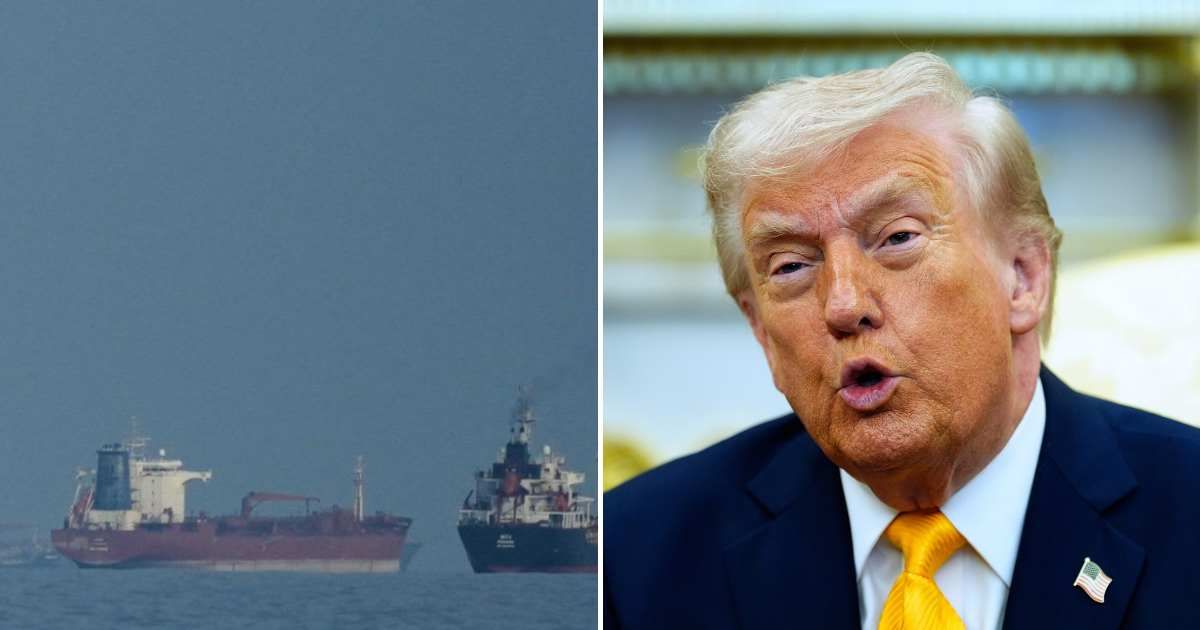
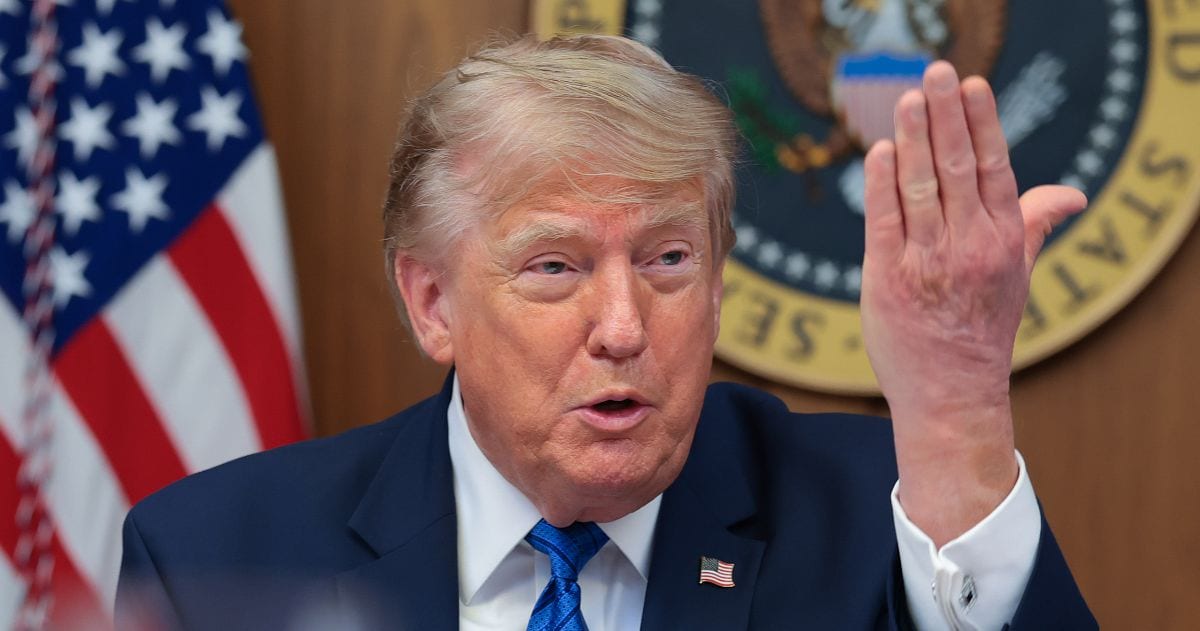
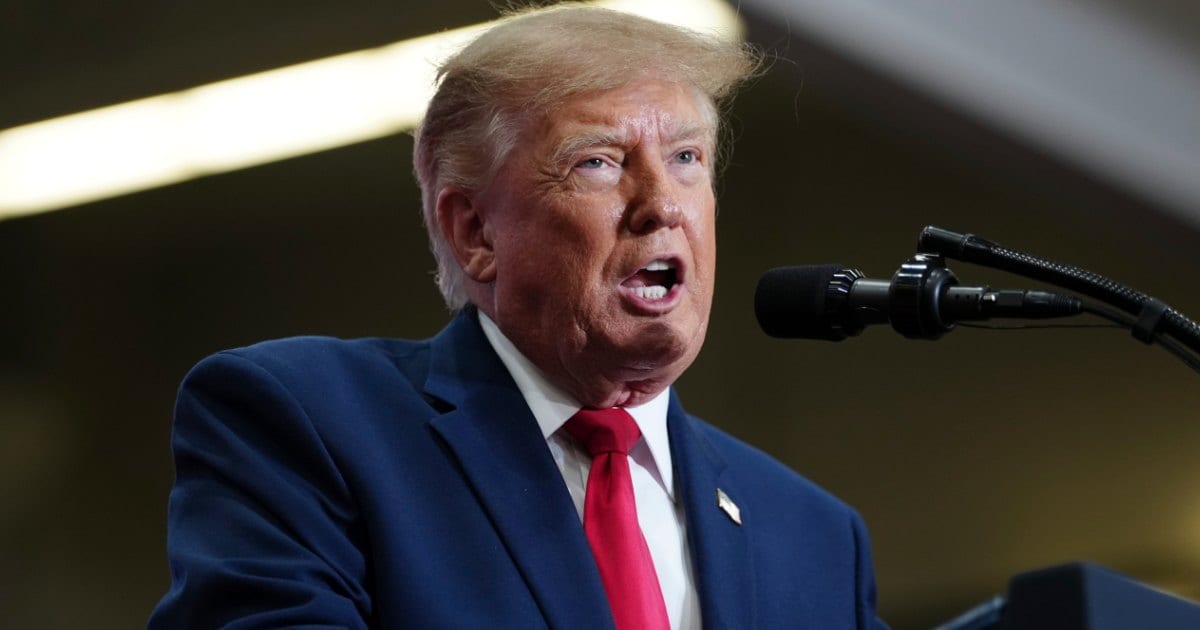
WASHINGTON, DC: President Donald Trump on Thursday, April 23, said he has ordered the Navy to take lethal action against boats laying mines in the Strait of Hormuz, marking a further escalation in tensions with Iran. Trump said US forces would act without hesitation to secure the key shipping route.
The directive comes as Iran announced it has begun collecting toll revenue from vessels passing through the Strait. The developments underscore the growing strain over control of the critical waterway amid ongoing conflict and stalled negotiations.
Trump orders naval action and expands mine-clearing efforts
In a post on Truth Social, Trump said he had directed the US Navy to respond forcefully to any Iranian vessels deploying mines in the Strait of Hormuz.
“I have ordered the United States Navy to shoot and kill any boat, small boats though they may be (Their naval ships are ALL, 159 of them, at the bottom of the sea!), that is putting mines in the waters of the Strait of Hormuz. There is to be no hesitation,” he wrote.
Trump added that US forces were actively working to clear mines from the waterway. “Additionally, our mine ‘sweepers’ are clearing the Strait right now. I am hereby ordering that activity to continue, but at a tripled up level!” he said.
US officials had previously indicated that Iran may have deployed at least a dozen sea mines in the strait using small boats capable of carrying multiple devices.
The renewed directive follows earlier warnings from Trump that US forces would target vessels engaged in such activity.
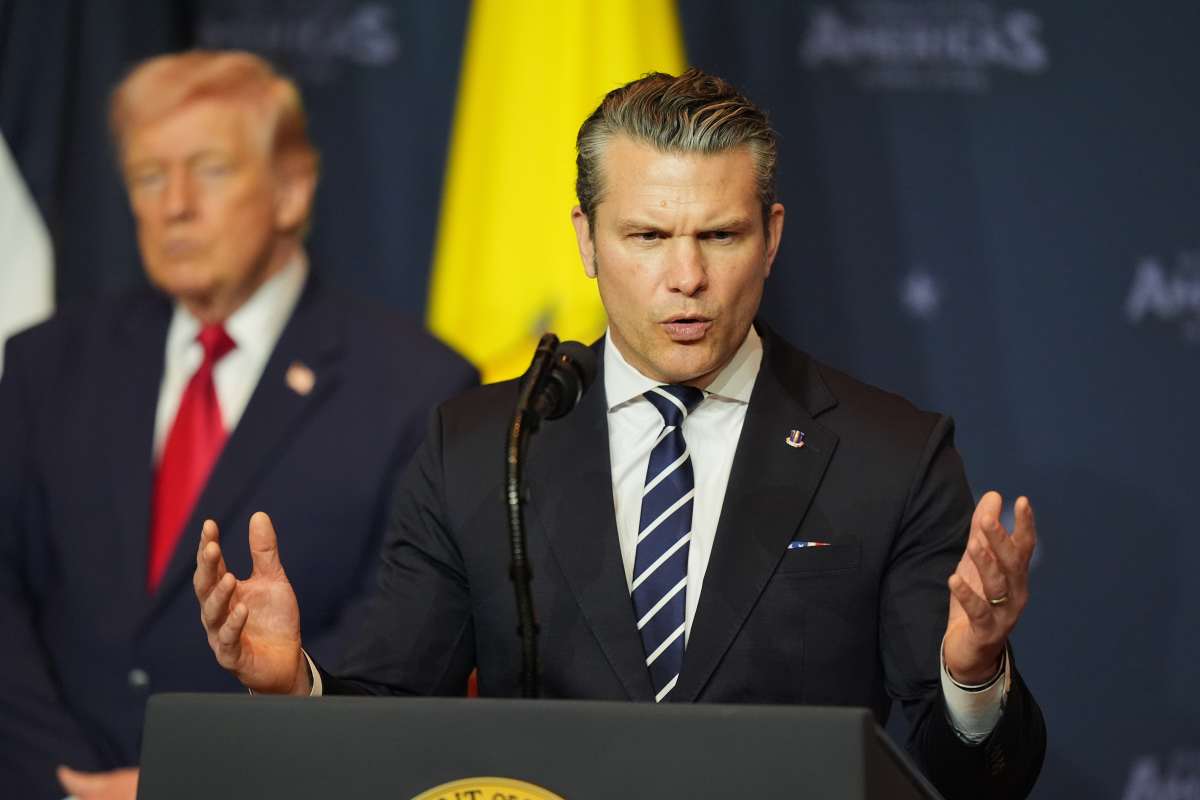
While Trump and Defense Secretary Pete Hegseth have said Iran’s larger naval assets have been significantly degraded, officials have noted that Iran’s Islamic Revolutionary Guard Corps continues to operate smaller vessels capable of conducting mine-laying operations.
Iran reports first toll revenue
Amid the US military posture, Iranian officials said the country has begun collecting tolls from ships transiting the Strait of Hormuz.
Deputy Parliament Speaker Hamid-Reza Haji Babaei said that “the first (transit toll) revenue from the Strait of Hormuz has been deposited into the Central Bank account.”

He added that Iran intends to continue enforcing the system despite international objections. “We will sanction anyone who tries to sanction us,” he said, according to state-linked media reports, while noting that a significant portion of global energy supplies passes through the strait.
Iran’s move follows approval of a plan by its parliament’s Security Commission to impose transit fees on vessels, a step that has drawn criticism from US officials and maritime law experts.
Secretary of State Marco Rubio had previously described the tolling effort as “illegal,” “unacceptable,” and “dangerous to the world.”
SECRETARY RUBIO: One of the immediate challenges we're going to face is an Iran that may decide that they want to set up a tolling system in the Strait of Hormuz. Not only is this illegal, it's unacceptable, it's dangerous for the world. pic.twitter.com/fDWfgtfYZ1
— Department of State (@StateDept) March 27, 2026
The situation has contributed to ongoing disruptions in global energy markets.
Roughly 20% of the world’s oil supply typically passes through the Strait of Hormuz, but flows have been significantly reduced due to blockades, attacks on vessels, and heightened security risks.
As gas prices are at an all-time high, analysts have also indicated that it could take months for prices to stabilize, even if tensions ease and shipping routes reopen.