USS Gerald R Ford returns to US blockade as Iran accuses Washington of ‘war crimes'
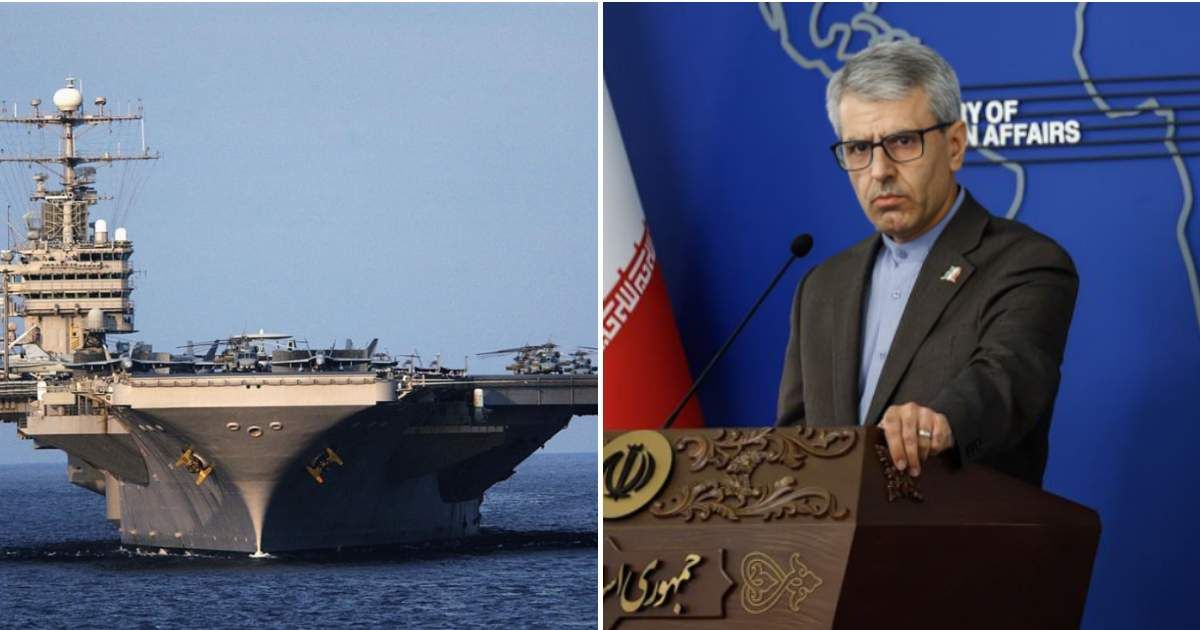
WASHINGTON, DC: The US naval presence in the Middle East expanded further on Sunday, April 19, as the USS Gerald R Ford (CVN-78) transited the Suez Canal into the Red Sea, escorted by the destroyers USS Mahan and USS Winston S Churchill.
The movement marks a significant step in the ongoing maritime posture linked to Washington’s enforcement operations in and around the Strait of Hormuz.
The deployment places one of the Navy’s most advanced nuclear-powered aircraft carriers back into a high-tension theater at a critical moment, as ceasefire negotiations approach a key deadline.
Officials have not described the move as a new operation but acknowledge it strengthens existing capabilities already positioned in the region.
The USS Gerald R Ford, deployed since June 2025, has now exceeded 295 days at sea, surpassing the previous post-Vietnam War record held by the USS Abraham Lincoln.
The extended deployment has included operations across multiple regions, reflecting sustained operational demands on carrier strike groups.
Three-carrier strike force converges on Hormuz
With the Ford’s arrival, US naval forces in the broader region now include multiple carrier strike groups.
The USS Abraham Lincoln continues operations in the North Arabian Sea, while the USS George H W Bush is en route and expected to enter the theater by the end of the month.
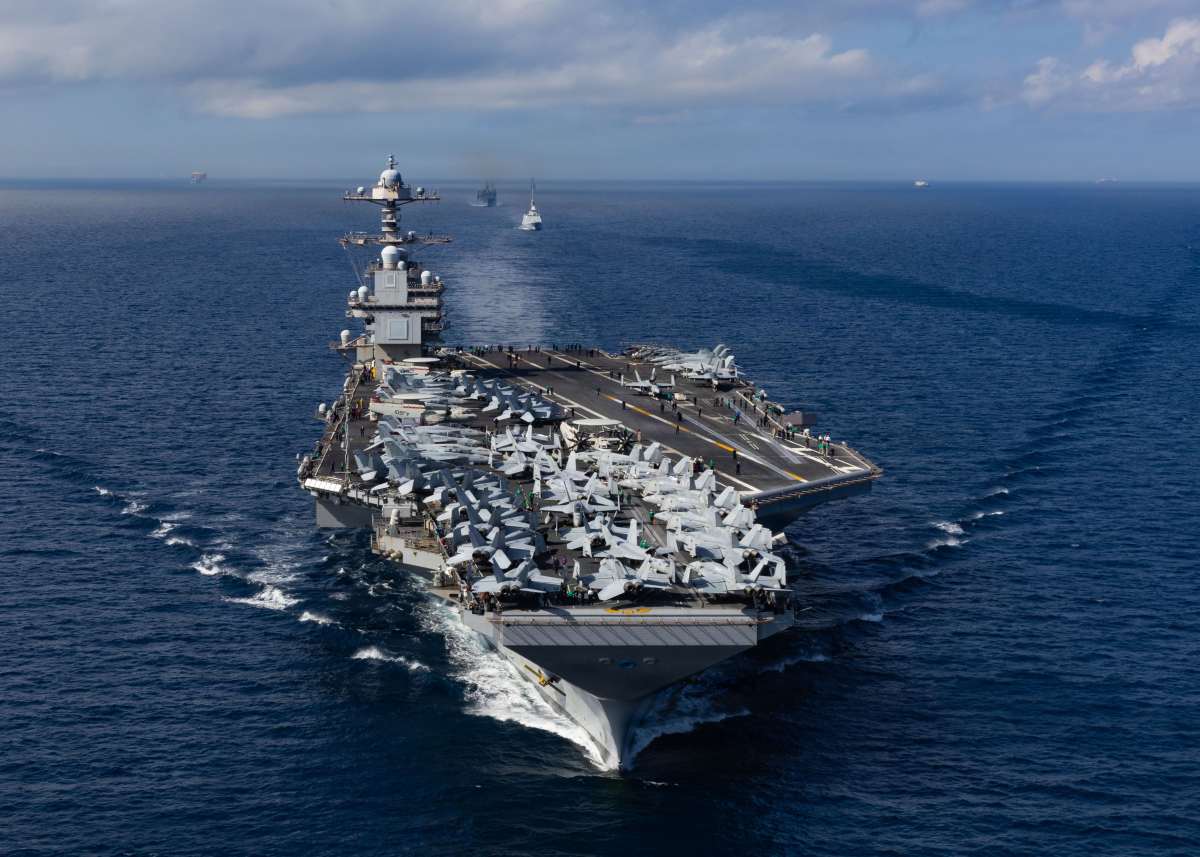
Together, the three carriers are capable of deploying approximately 225 aircraft, including F-35C stealth fighters and EA-18G electronic warfare aircraft.
The combined presence significantly enhances air and maritime coverage across key shipping lanes and strategic locations in the Persian Gulf.
The Ford’s return follows a maintenance stop in Split, Croatia, after a March 12 incident involving a fire in a laundry area.
The fire damaged more than 100 berths and resulted in three minor injuries. Despite the disruption, the vessel resumed operations and was redirected to the Red Sea.
Pentagon officials have not publicly detailed specific operational directives but have indicated that naval assets remain focused on ensuring maritime security and enforcing existing restrictions tied to the broader regional conflict.
Tehran slams blockade as ‘crimes against humanity’
Iranian officials responded sharply to the expanded US naval footprint.
Foreign Ministry spokesperson Esmail Baghaei described the blockade measures as an “act of aggression,” arguing that they undermine ongoing diplomatic efforts.
The United States’ so-called “blockade” of Iran’s ports or coastline is not only a violation of Pakistani-mediated ceasefire but also both unlawful and criminal. It violates Article 2(4) of the UN Charter; it constitutes an act of aggression under Article 3(c) of the UN General…
— Esmaeil Baqaei (@IRIMFA_SPOX) April 19, 2026
In public remarks, Baghaei said the restrictions have had widespread economic consequences for Iran’s population of approximately 85 million people.
He also alleged that the measures violate international norms, though US officials have maintained that enforcement actions are consistent with national security objectives.
The renewed naval buildup coincides with continued economic pressure on Iran, including disruptions to oil exports and financial systems.
Reports indicate that the Iranian rial has experienced sustained volatility during the enforcement period.
Iran has also signaled concerns about maritime access through the Strait of Hormuz, a passage that accounts for nearly 20% of global oil transit.
Any disruption in the waterway continues to draw international attention due to its impact on global energy markets.
Record-breaking deployment takes ‘serious toll’
The extended deployment of the USS Gerald R Ford has prompted concerns among some US lawmakers regarding crew endurance and operational strain.
Senator Tim Kaine of Virginia noted that the nearly 10 to 11-month mission has placed pressure on personnel, particularly following onboard disruptions earlier this year.
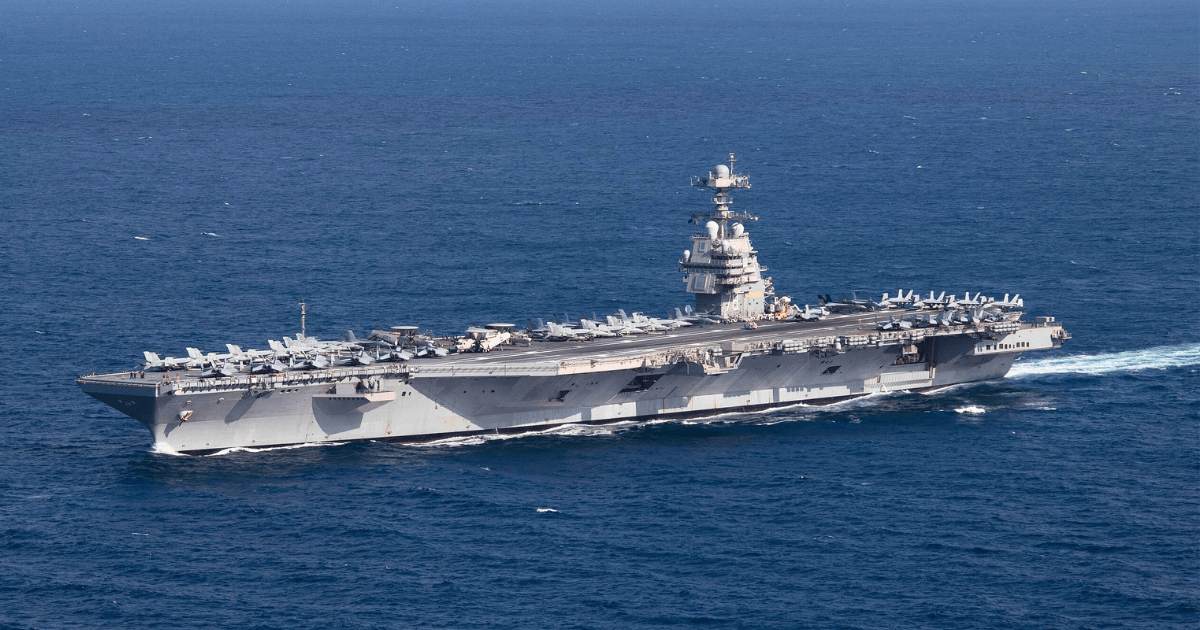
Crew members have reportedly adapted to temporary living arrangements after the March fire affected sleeping quarters.
The carrier operates with approximately 4,900 personnel, making sustained deployment conditions a key logistical and welfare consideration.
Chief of Naval Operations Adm Daryl Caudle has stated that carrier strike groups remain central to US strategy in maintaining stability in critical waterways.
As the April 21 ceasefire deadline approaches, the expanded naval presence signals the administration’s readiness to sustain operations in the region while diplomatic efforts continue.
The situation remains fluid, with both military positioning and negotiations unfolding in parallel across the Middle East.