'Month or two': Hassett pushes back on fuel price fears as WH forecasts end to Hormuz disruption

WASHINGTON, DC: The Trump administration is projecting that one of the biggest economic consequences of the Iran conflict may begin easing sooner than expected.
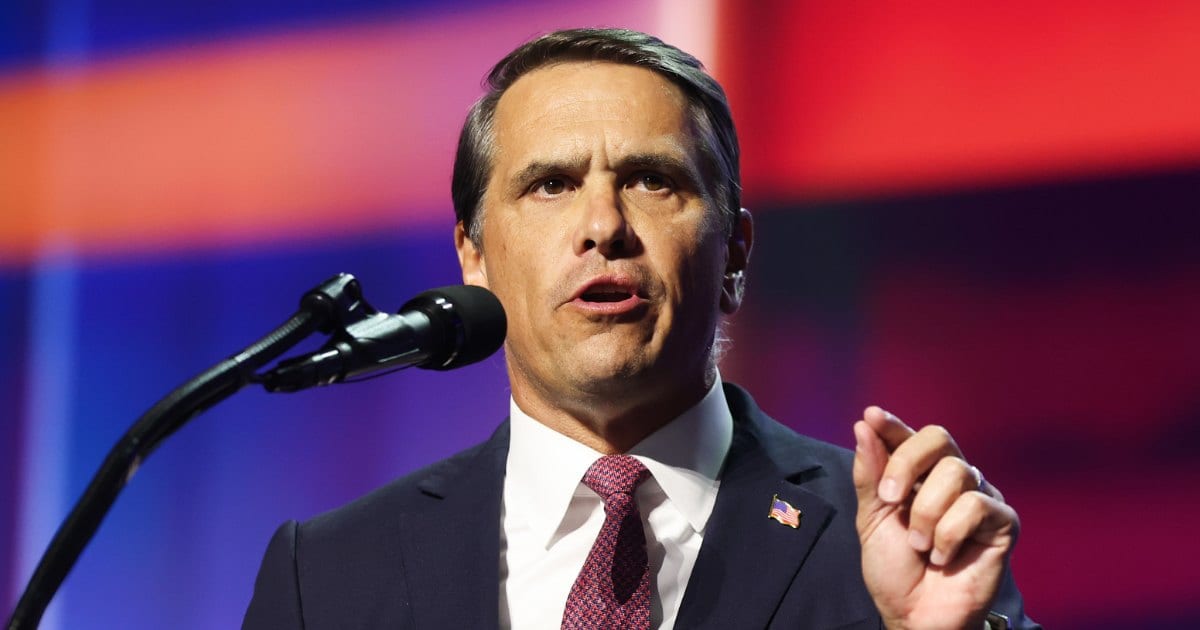
National Economic Council Director Kevin Hassett, on Sunday, May 31, said that the disruption that has squeezed global energy markets is unlikely to last indefinitely, arguing that crude shipments stranded by the Strait of Hormuz standoff could start reaching major refineries again within weeks.
National Economic Council Director Kevin Hassett says that he believes it will be “a month or two” before oil shipments through the Strait of Hormuz go back to normal. https://t.co/YJJeDCvnox pic.twitter.com/JI4jYdygH2
— This Week (@ThisWeekABC) May 31, 2026
Kevin Hassett predicts oil supply recovery soon
In a conversation with ABC News, Hassett struck an optimistic tone when discussing the future of global oil supplies.
According to him, commercial traffic through the Strait of Hormuz is already showing signs of recovery, a development he believes will eventually ripple through international fuel markets.
Hassett suggested that the biggest impact will be felt in countries that rely heavily on Gulf crude, particularly India and Pakistan, where refinery operations have been disrupted by the crisis.

Once regular shipments resume, those facilities can begin processing oil at normal levels again, increasing fuel supply and easing pressure on prices.
"There is a lot more traffic moving through the region than there was during the height of the disruption," Hassett said, adding that "a month or two" should be enough time for supplies to work their way back through the refining system.
The administration has repeatedly argued that energy markets have proven more resilient than many experts predicted.
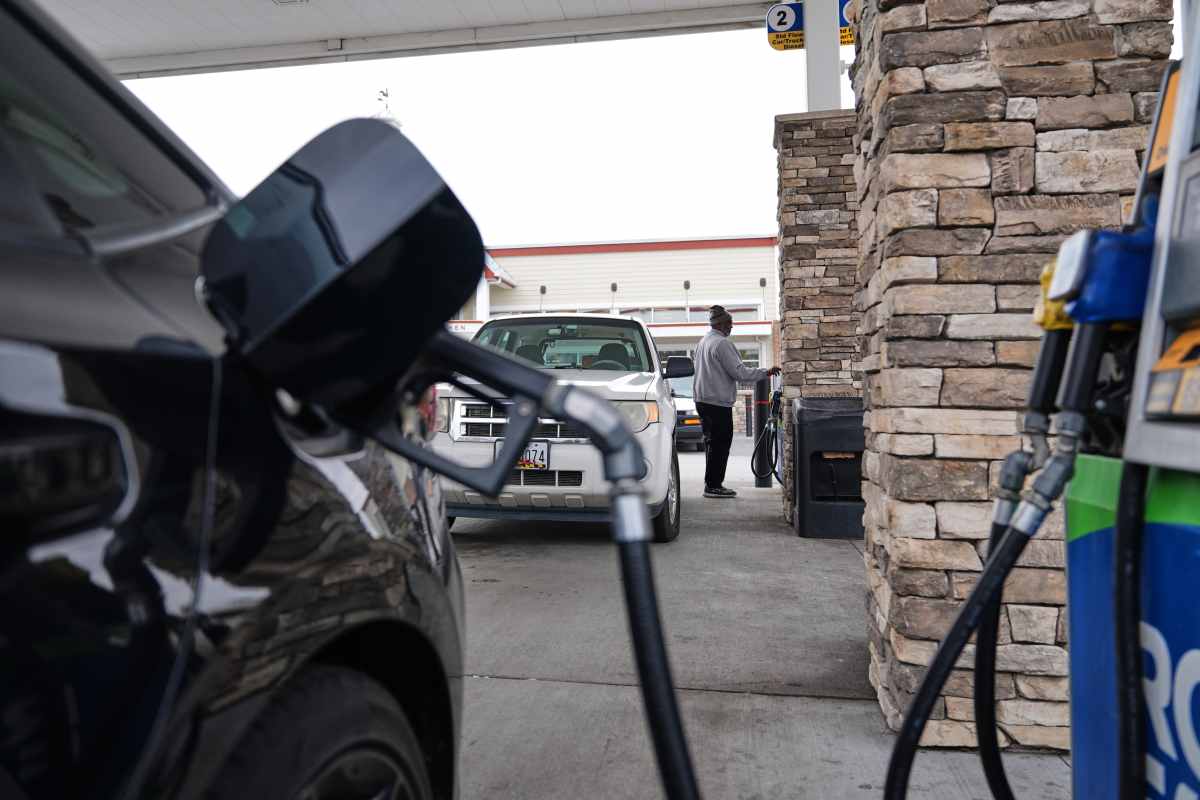
Hassett pointed to alternative export routes, including infrastructure in Saudi Arabia, that have helped keep oil flowing despite the bottleneck in the Gulf.
He also pushed back against fears that higher fuel costs could become a lasting political problem for Republicans, expressing confidence that consumers will ultimately benefit if energy markets stabilize and prices retreat.
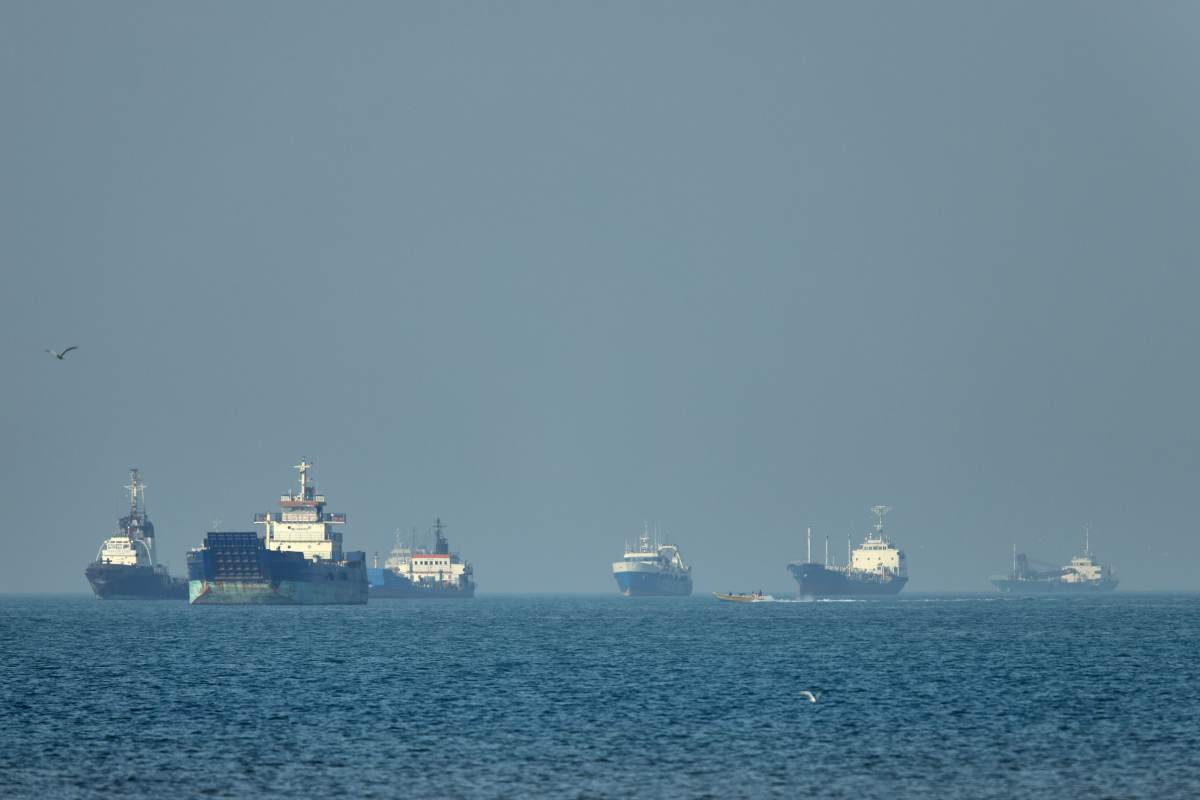
Reopening Hormuz remains central
The future of the Strait of Hormuz has emerged as one of the most significant issues in ongoing diplomacy between Washington and Tehran.
Any agreement capable of restoring unrestricted shipping would have major implications not only for energy producers but also for consumers facing elevated fuel costs across the globe.
Hassett's forecast mirrors recent comments from administration officials who believe a reopening is increasingly likely.
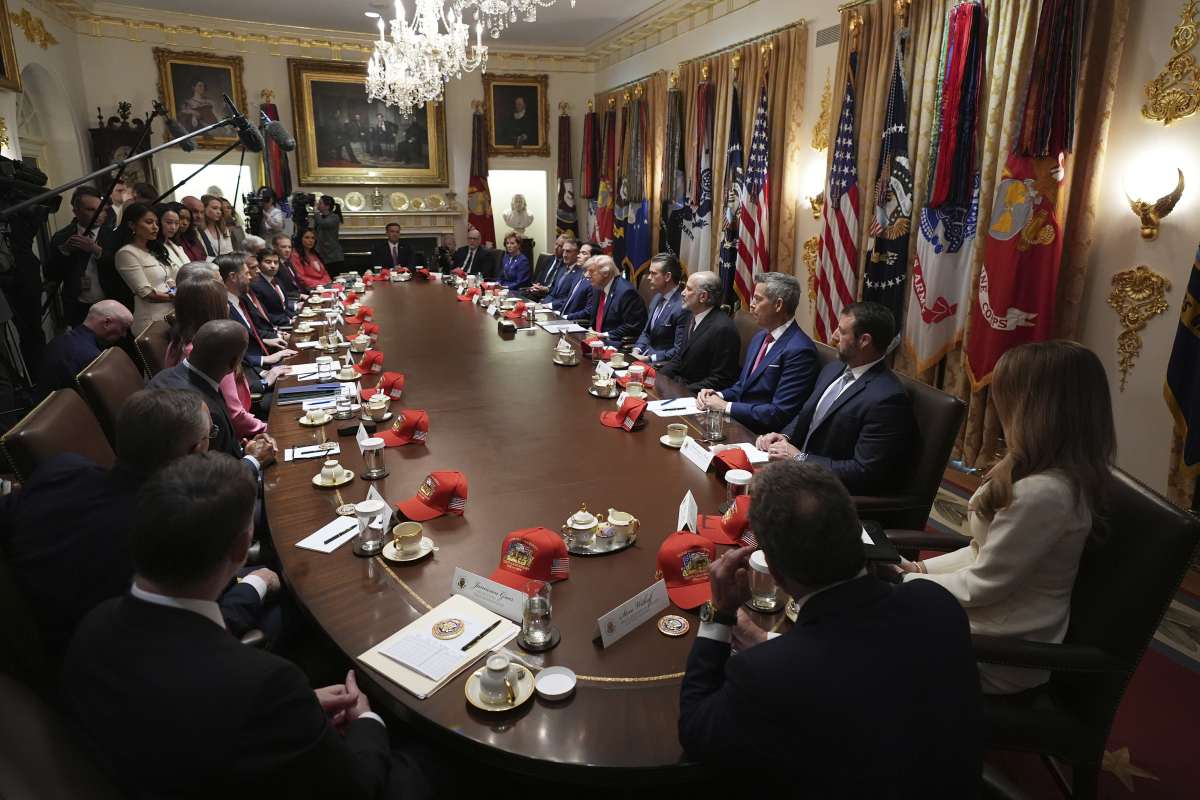
The economic stakes are substantial. The White House has argued that once Gulf exports begin moving freely again, large volumes of oil currently waiting to reach the market could put downward pressure on prices.