Pompeo torches Iran talks on radio, says Tehran will stall and Trump won't wait
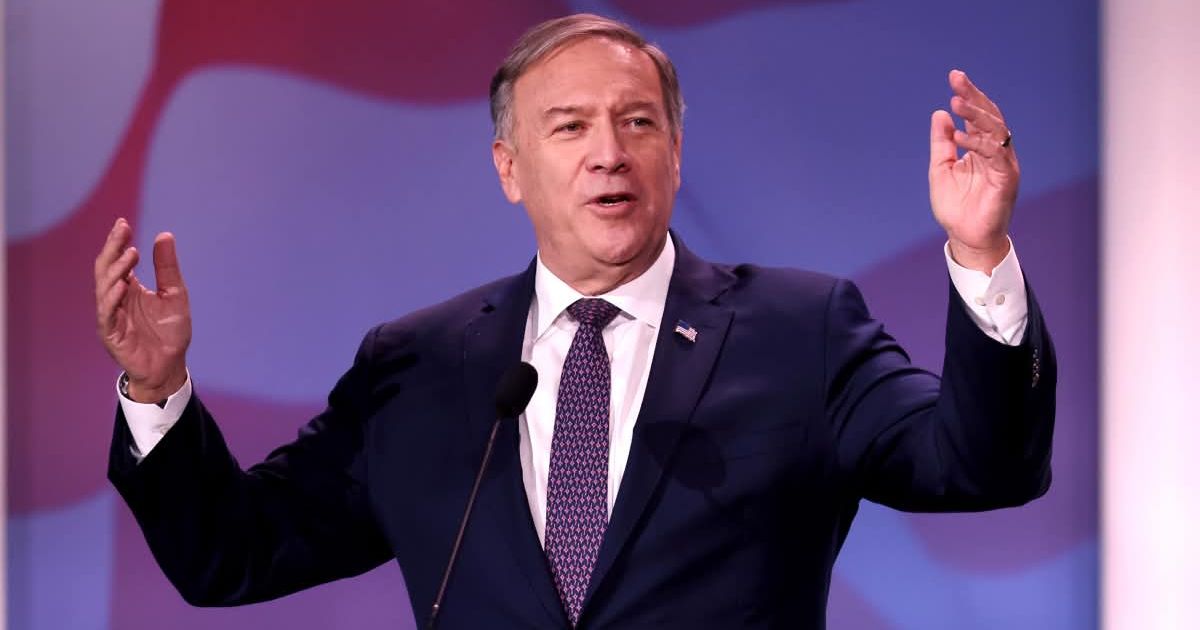
WASHINGTON, DC: Former Secretary of State Mike Pompeo said on Saturday, April 25, that he is doubtful the upcoming talks between the US and Iran will yield a meaningful breakthrough.
Speaking on a radio programme, Pompeo said while diplomatic efforts are necessary, he does not expect a successful resolution.
Concerns over Iran's negotiating strategy
Pompeo warned that Iranian officials are likely to prolong discussions without committing to concrete outcomes.
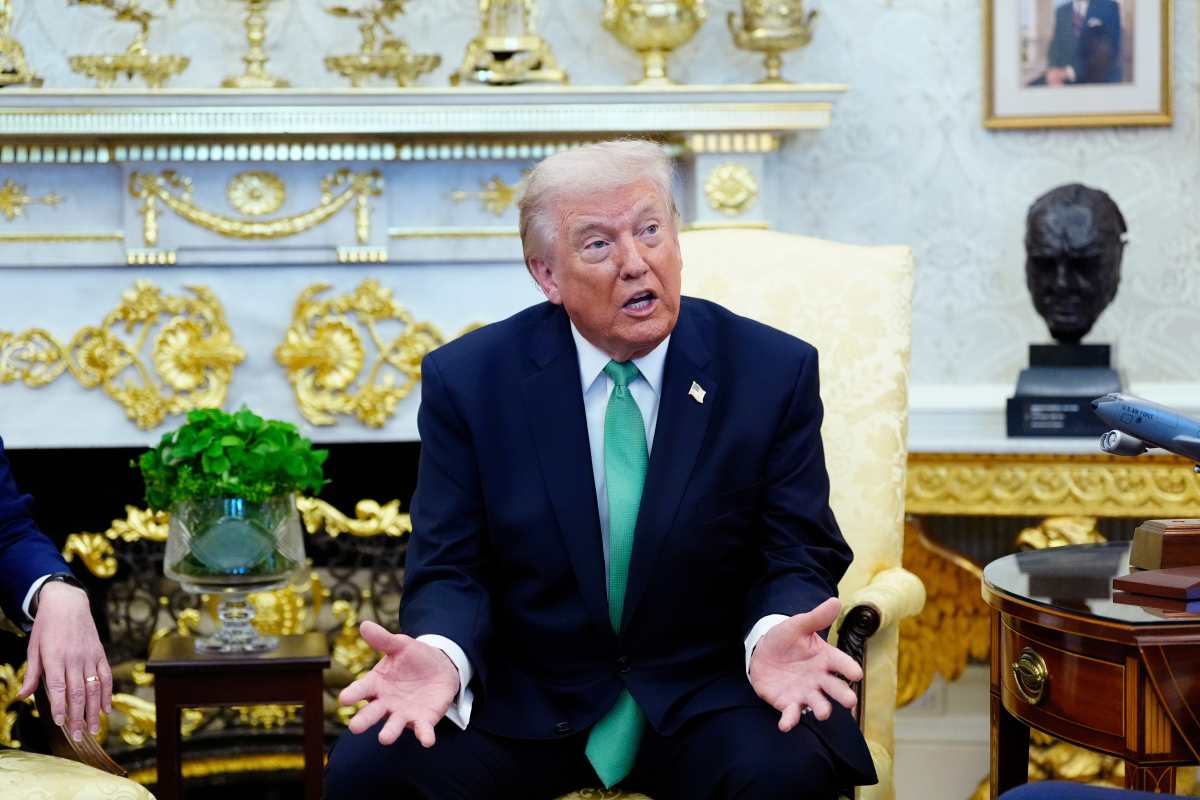
He suggested that Tehran’s negotiators may attempt to stall proceedings, adding that Donald Trump may not tolerate extended delays indefinitely.
The US delegation to the Pakistan-mediated talks will be led by special envoy Steve Witkoff and Jared Kushner, while Vice President JD Vance remains on standby.
Iran’s team, headed by Foreign Minister Abbas Araghchi, has ruled out direct face-to-face engagement with US officials.
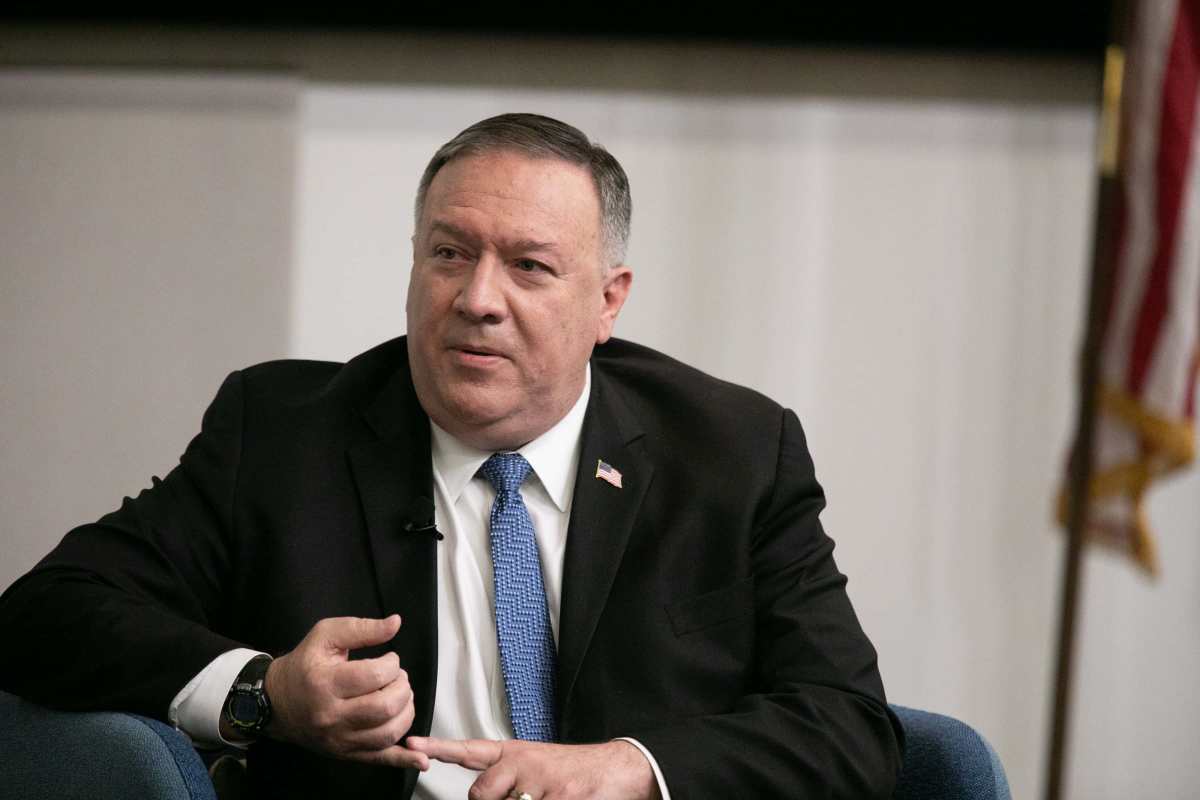
Mike Pompeo calls ceasefire fragile amid uncertain leadership
The negotiations aim to extend a fragile ceasefire in a conflict now nearing two months. However, uncertainty surrounds Iran’s leadership structure, particularly with Mojtaba Khamenei reportedly out of public view following injuries sustained in an attack.
Pompeo questioned whether any single figure currently holds full authority to negotiate on behalf of Iran’s military establishment.
An earlier round of discussions, the first direct engagement between the two nations in decades, collapsed over disagreements surrounding Iran’s nuclear programme.
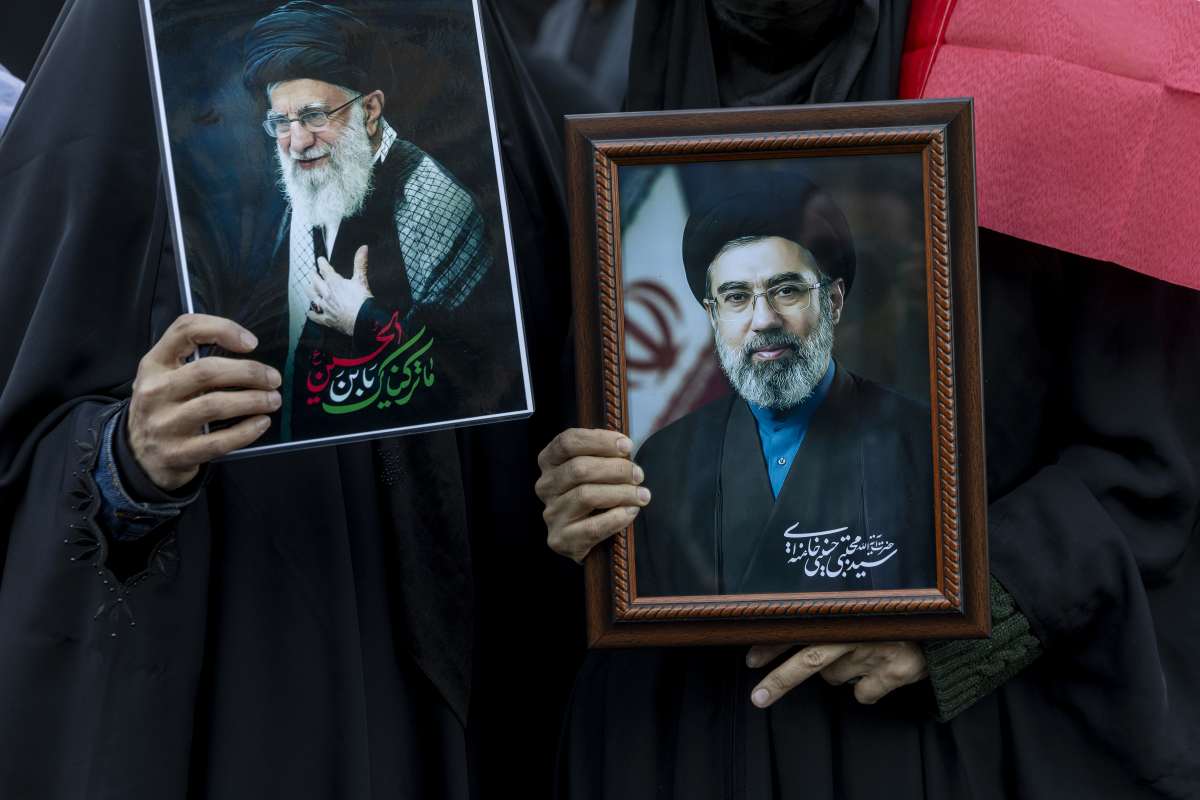
Pompeo indicated that a similar outcome remains possible, though he expressed hope for a deal favourable to US and regional interests. Despite his pessimism, Pompeo rejected the idea that the conflict has reached a stalemate.
He argued that Washington retains significant strategic and military leverage, asserting that Iran is aware of the imbalance and the potential consequences of continued confrontation.
Pompeo also stressed that time may not be on Iran’s side, pointing to mounting economic pressure and the impact of sustained sanctions. He argued that continued isolation could further weaken Tehran’s negotiating position, even as it seeks to project resilience.
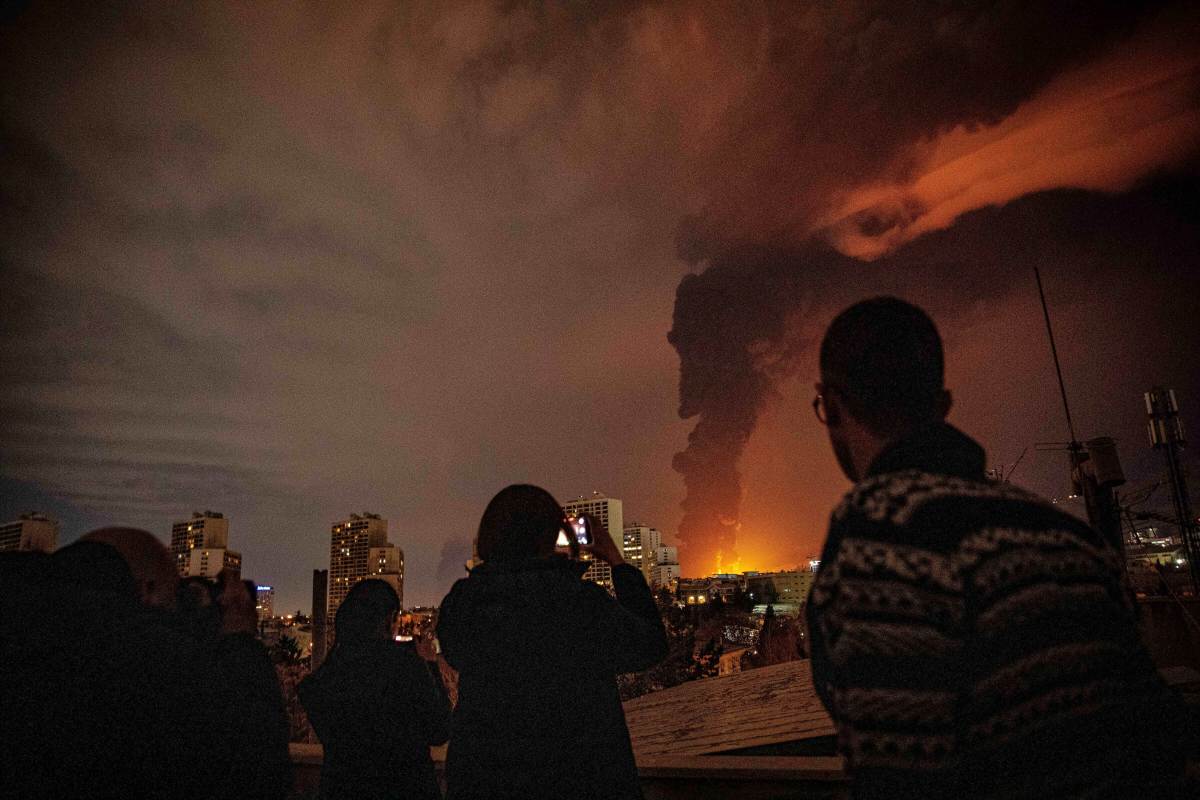
At the same time, he cautioned that miscalculations on either side could escalate tensions if diplomacy fails.
The upcoming talks in Islamabad are therefore being closely watched by regional stakeholders, including Gulf nations and Israel, who have a direct interest in the conflict’s outcome and any potential long-term security arrangements.