Israel strikes Lebanon day after Trump extends ceasefire: 'We struck yesterday, and today'
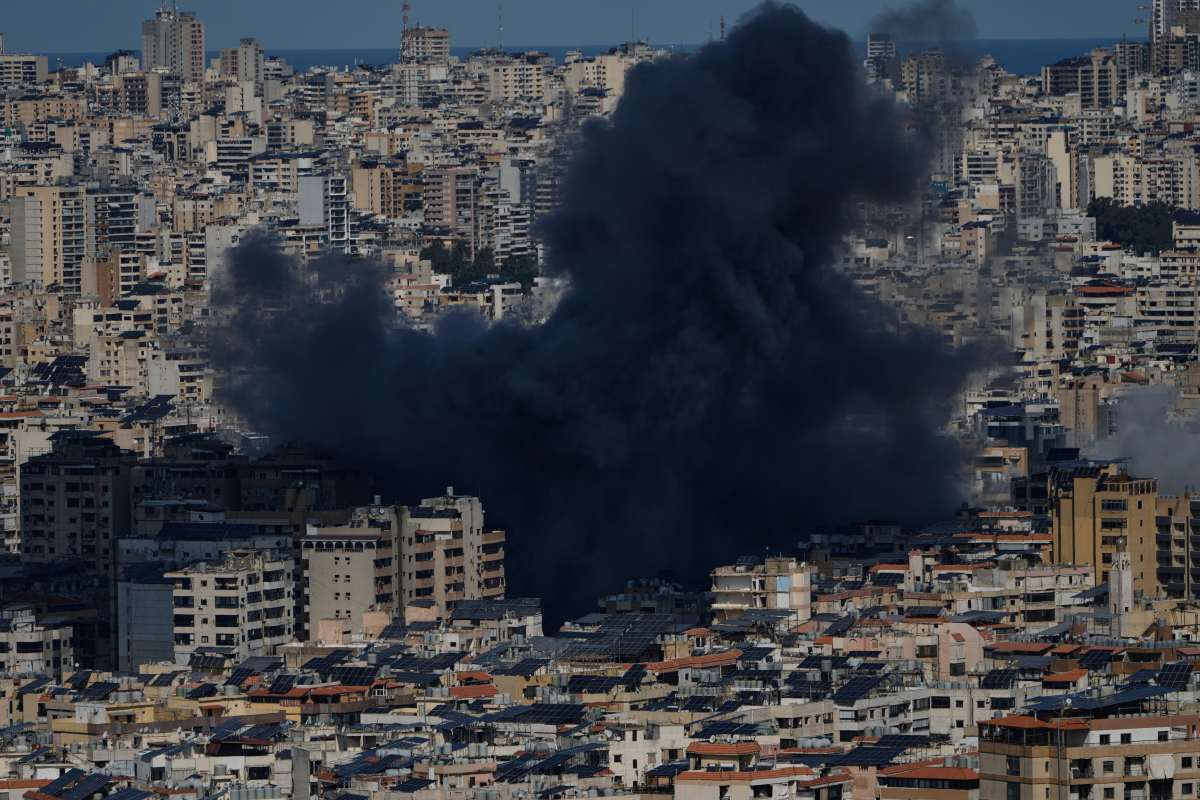
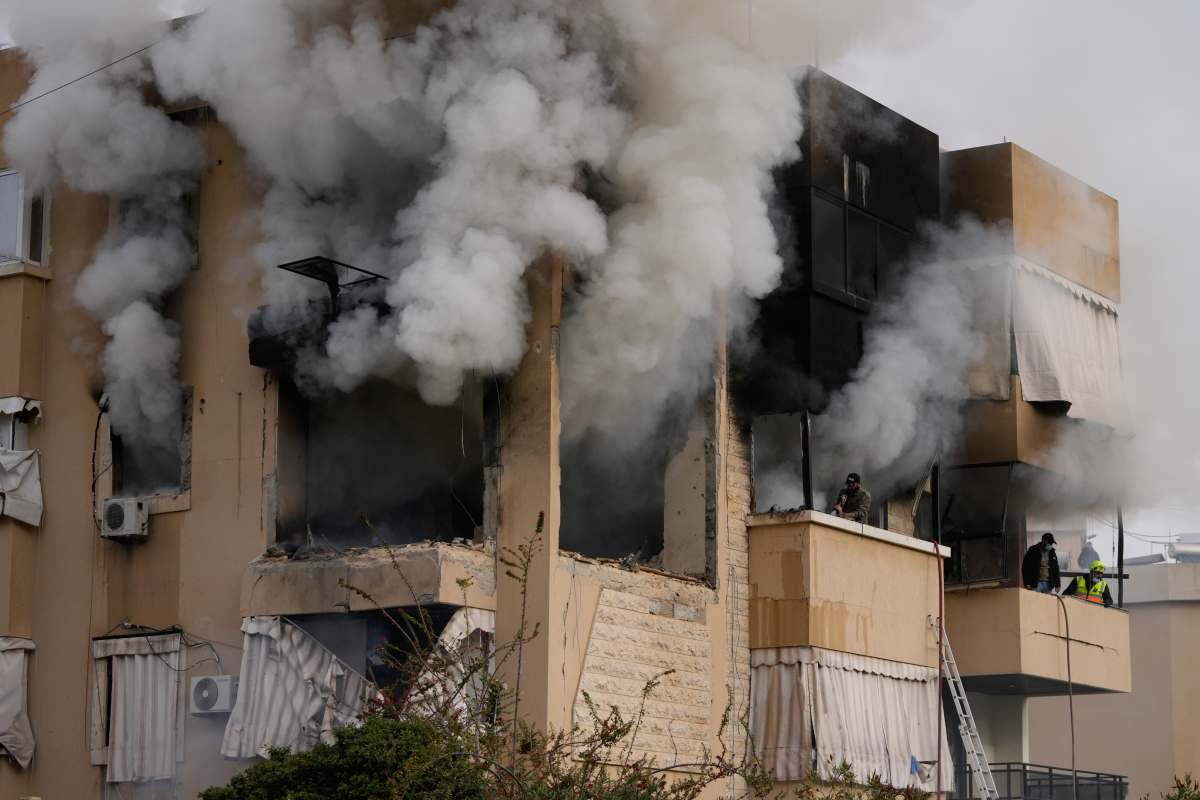
SOUTHERN LEBANON: Israel carried out airstrikes in southern Lebanon on Friday, April 24, a day after President Donald Trump announced a three-week extension of a ceasefire in the region. The strikes followed Israeli accusations that radicals violated the truce by firing rockets.
Despite the extension aimed at easing tensions, hostilities have continued on the ground. The developments highlight ongoing instability even as diplomatic efforts remain underway.
Israel conducts strikes and cites ceasefire violations
The Israeli military said it targeted infrastructure in southern Lebanon, describing the operation as a response to rocket fire a day earlier.
In a statement, it said it “struck … military structures in the areas of Kherbet Selem and Touline,” adding that the action followed what it called a breach of the ceasefire.
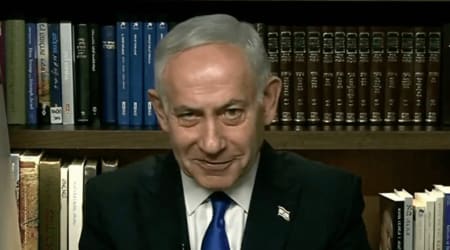
Israeli Prime Minister Benjamin Netanyahu said the country would continue to act against perceived threats despite the truce.
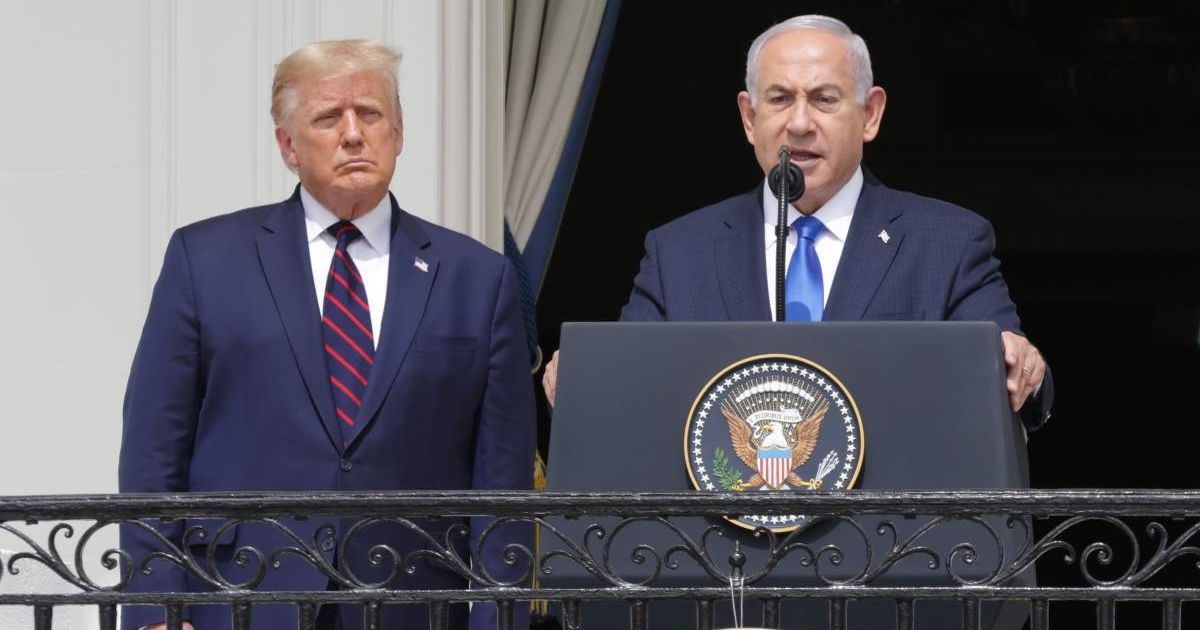
🇮🇱 Israeli Prime Minister Benjamin Netanyahu declared that Israel maintains full freedom of action to confront any Hezbollah threat. He said Israel is continuing to reshape the Middle East, and that he had an excellent phone call with President Trump focused on the Iran issue.
— World Affairs Monitor (@worldaffairsm24) April 24, 2026
“We are maintaining full freedom of action against any threat, including emerging ones. We struck yesterday, and we struck today,” he said. “We are determined to restore security to the residents of the north.”
He added that efforts were underway to secure a longer-term arrangement between Israel and Lebanon, but accused radicals of attempting to undermine the process.
“We have begun a process to achieve a historic peace between Israel and Lebanon, and it is clear to us that extremists are trying to sabotage this,” Netanyahu said.
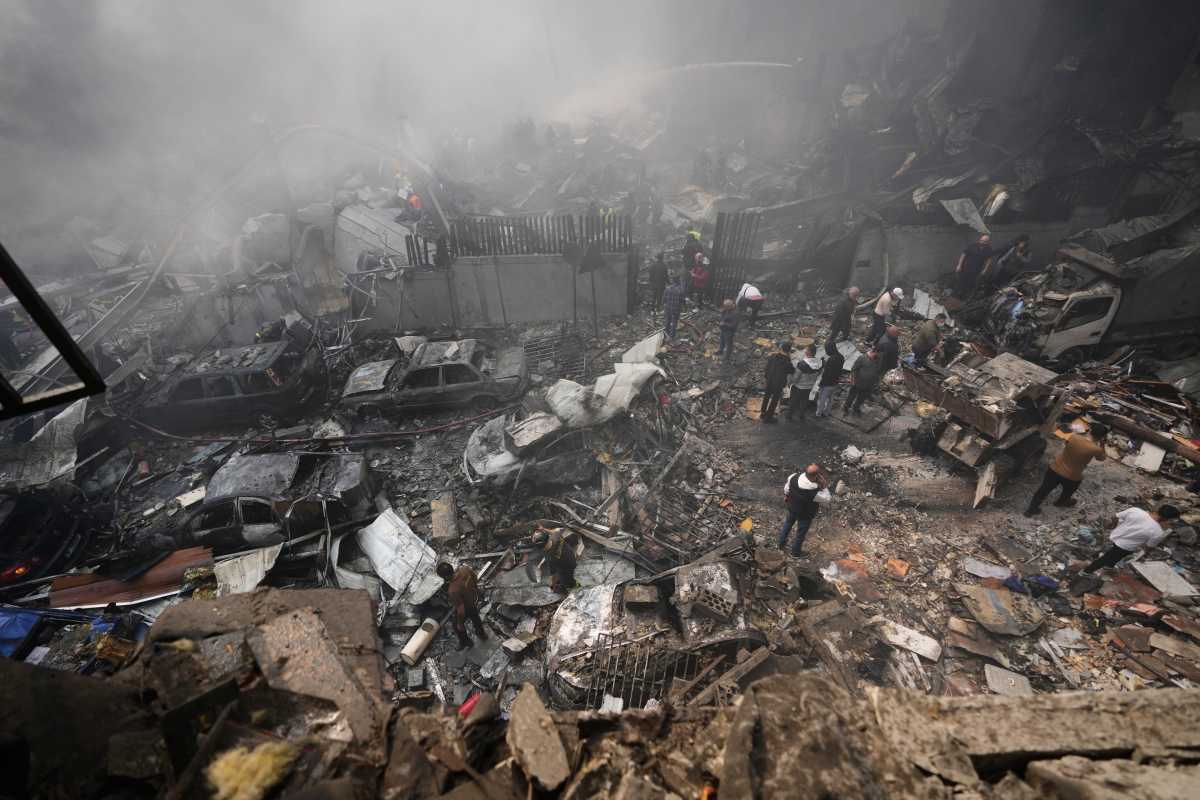
The Israeli military also reported additional operations in southern Lebanon, including exchanges of fire in Bint Jbeil, where it said several radicals were killed. It maintains that under the terms of the ceasefire, it can take “all necessary measures in self-defense.”
Lebanese officials and radicals reject ceasefire terms
Lebanese officials and representatives linked to extremist groups criticized both the ceasefire extension and Israel’s continued military actions.
Member of Parliament Ali Fayyad said that any Israeli strikes give extremists “the right to respond appropriately,” according to remarks broadcast on local television.
Fayyad also said the group “firmly rejects” the extension, arguing it was not part of the negotiations and does not include provisions for Israeli withdrawal from Lebanese territory.
He described resistance as Lebanon’s “firm and final right.” Political figure Mahmoud Qamati also rejected direct negotiations with Israel and opposed proposals for a buffer zone in southern Lebanon.
BREAKING: President Trump announces the ceasefire between Lebanon and Israel has been extended by 3 weeks. pic.twitter.com/17EZEnvEiS
— The Kobeissi Letter (@KobeissiLetter) April 23, 2026
The ceasefire extension announced by President Donald Trump follows earlier US-brokered efforts to pause hostilities. However, continued strikes and mutual accusations of violations suggest the situation remains volatile despite ongoing diplomatic engagement.