'We didn't win, sorry': Maher scorches Trump's Iran narrative, lists 3 reasons the US lost
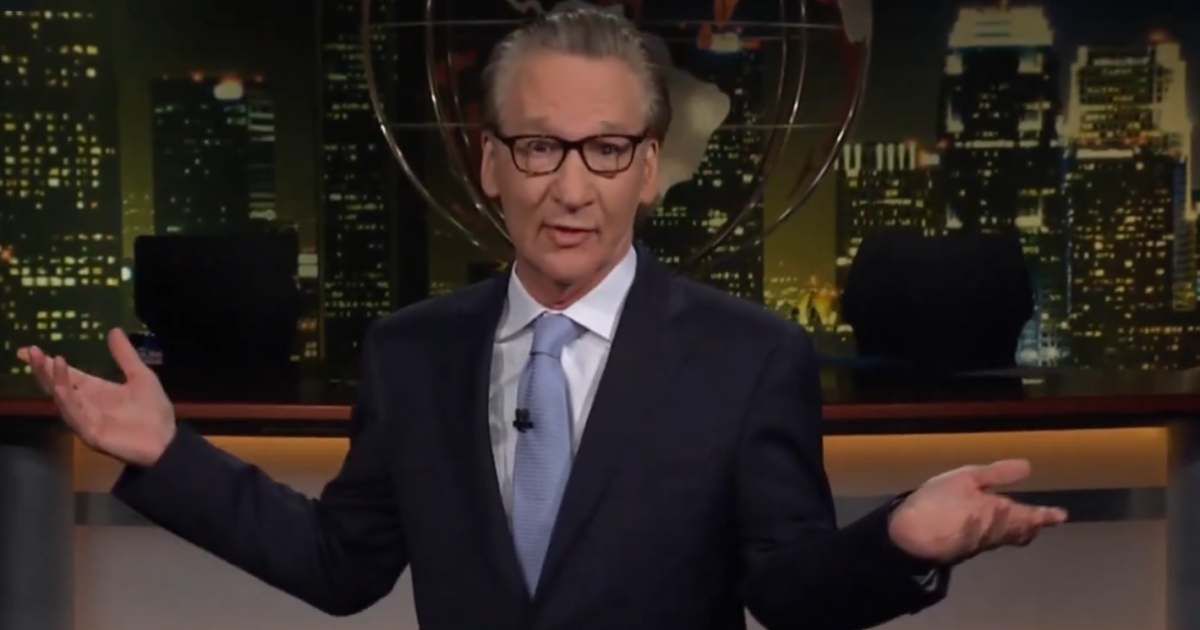
Maher pointed to limited outcomes, saying actions so far resembled tactical strikes rather than progress toward long-term geopolitical objectives
Comedian and political commentator Bill Maher said President Donald Trump was wrong about the outcome of the Iran war (Screengrab/ Real Time with Bill Maher)

WASHINGTON, DC: Comedian and political commentator Bill Maher delivered a blunt critique of President Donald Trump over the ongoing conflict with Iran, arguing that claims of a US victory were unfounded.

Speaking on the Friday, April 24, episode of ‘Real Time with Bill Maher’, Maher said Trump was “wrong” about the outcome of the war, adding, “He keeps saying we won, and we didn’t.”
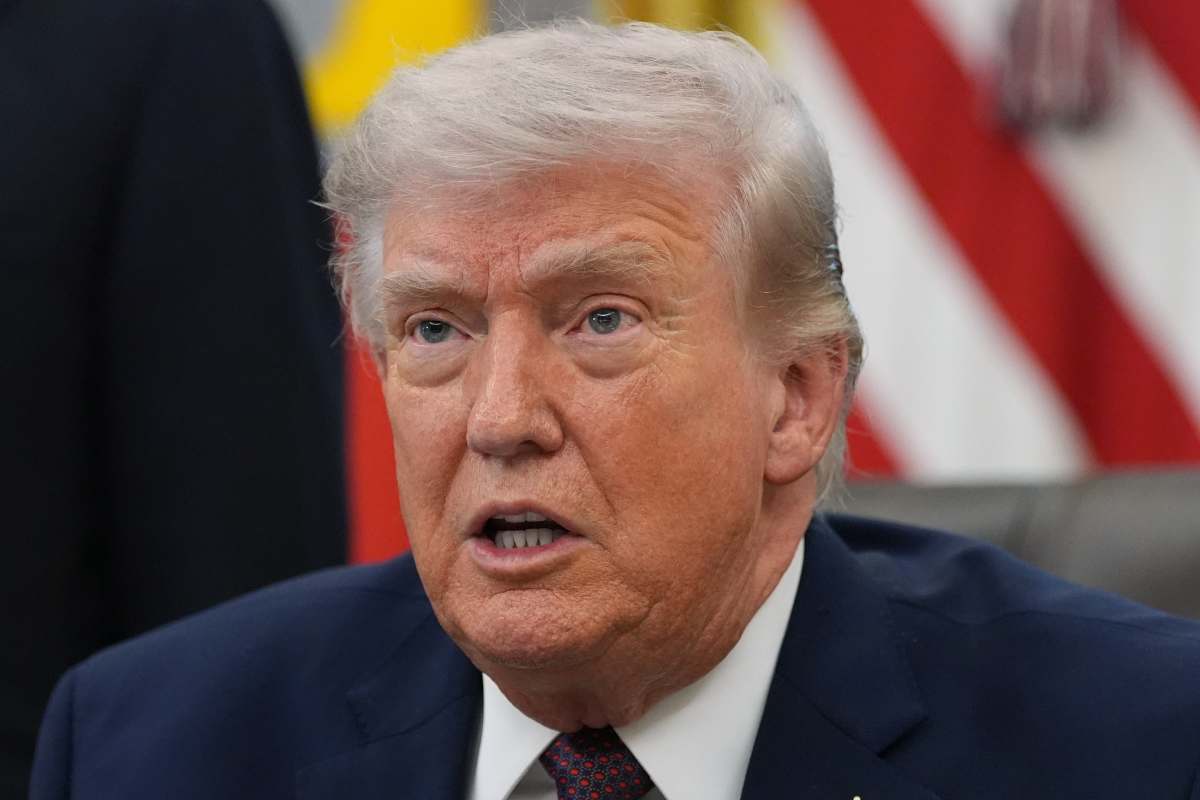
President Donald Trump answers questions from reporters after signing an executive order in the Oval Office of the White House Tuesday, March 31, 2026, in Washington. (AP Photo/Alex Brandon)
President Donald Trump answers questions from reporters after signing an executive order in the Oval Office of the White House, Tuesday, March 31, 2026, in Washington (AP Photo/Alex Brandon)

Panel features political and media voices

The episode featured Maryland Governor Wes Moore as the interview guest. The panel included broadcaster Chris Cuomo and political analyst Sarah Isgur, offering a mix of perspectives on the conflict and US policy.

Maher, who previously supported military action, used his monologue to highlight what he described as inconsistencies in Trump’s messaging.

He mocked the administration’s shifting tone, from aggressive threats to a more subdued stance, suggesting the conflict resembles a repetitive stalemate rather than a decisive war.

Bill Maher tackled the recent political antics about several Republics showing up at Trump trial  (Real Time)
Bill Maher listed several indicators he believes contradict claims of victory (Real Time With Bill Maher)

Bill Maher lists several indicators and challenges success narrative

Underscoring his argument, Maher listed several indicators he believes contradict claims of victory: the strategic Strait of Hormuz remains disrupted, there has been no internal uprising in Iran, and the country’s ruling regime remains intact.

“We did not win. Sorry,” he said, rejecting what he characterized as celebratory rhetoric from Trump and his allies.

Maher also took aim at Trump’s continued social media posts about the conflict, describing them as “inflammatory and contradictory.” He argued that such messaging undermined any diplomatic leverage and reflected a pattern of overstating outcomes.
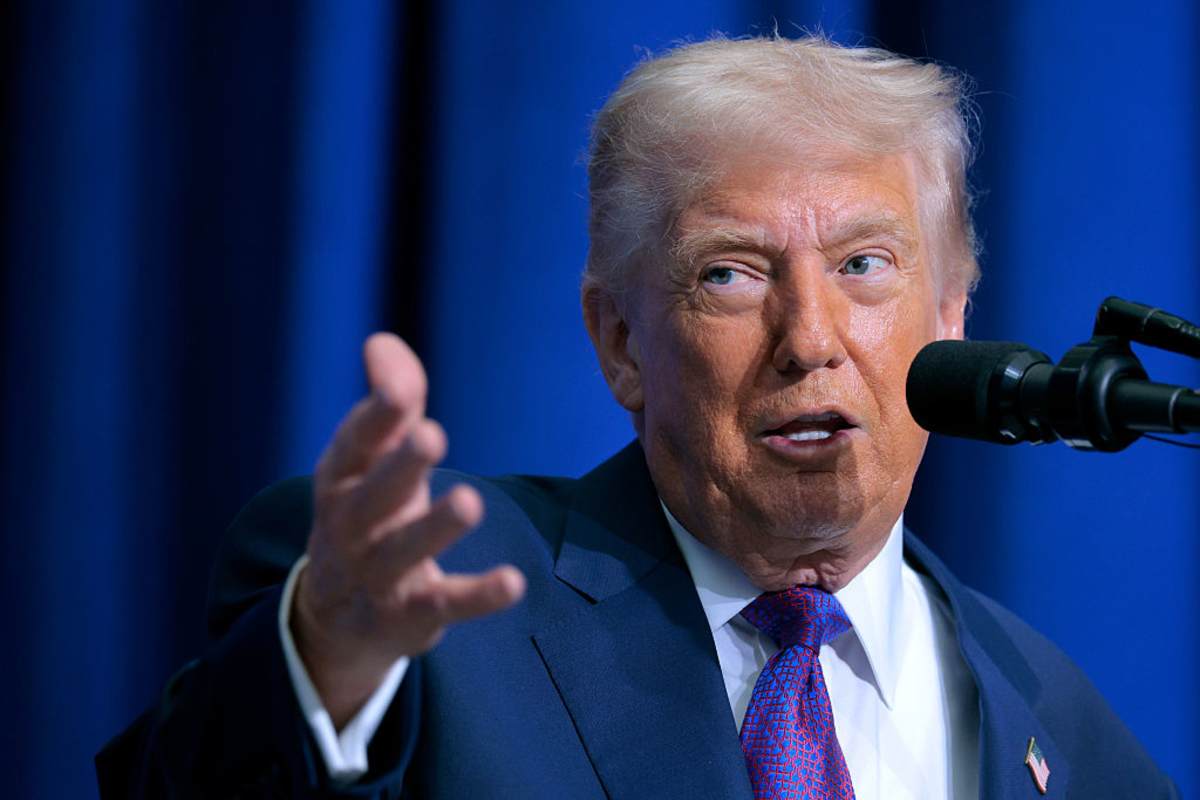
WASHINGTON, DC - FEBRUARY 19: U.S. President Donald Trump speaks during the inaugural meeting of the Board of Peace at the Donald J. Trump Institute of Peace on February 19, 2026 in Washington, DC. Assembled to raise money for the rebuilding and stabilization of Gaza, Trump's Board of Peace was formally established on the sidelines of World Economic Forum in January of 2026. (Photo by Chip Somodevilla/Getty Images)
President Donald Trump speaks during the inaugural meeting of the Board of Peace at the Donald J Trump Institute of Peace on February 19, 2026, in Washington, DC (Chip Somodevilla/Getty Images)

While acknowledging limited tactical successes, Maher suggested that US efforts have largely amounted to targeted strikes rather than broader strategic gains, reinforcing his view that the war’s objectives remain unfulfilled.

Maher’s remarks reflect a broader debate within the US political and media landscape over how success is defined in modern conflicts. Critics of the administration argue that without clear strategic gains or long-term stability, declarations of victory risk appearing premature.

Supporters, however, maintain that pressure on Iran's economic and military has yielded tangible results. The divide points to the lingering uncertainty about the war’s trajectory and endgame.
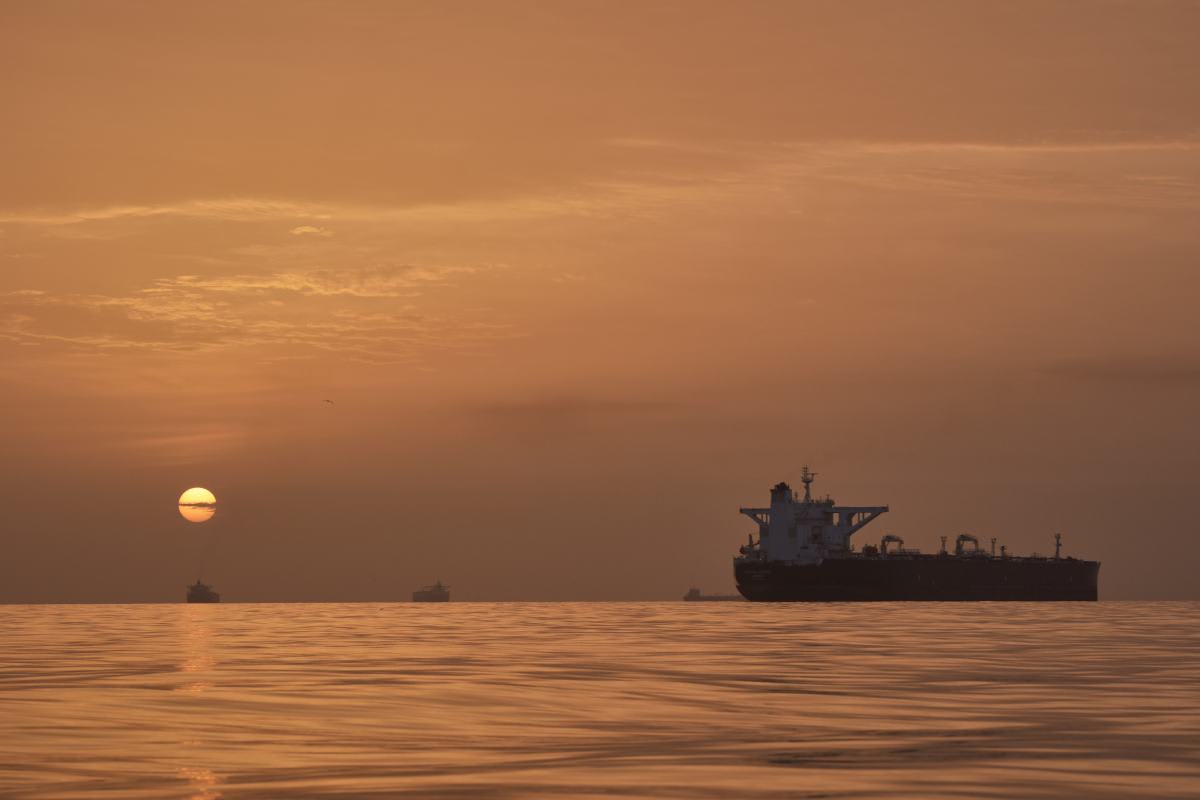
The sun rises behind tankers anchored in the Strait of Hormuz off the coast of Qeshm Island, Iran, Saturday, April 18, 2026. (AP Photo/Asghar Besharati)
The sun rises behind tankers anchored in the Strait of Hormuz off the coast of Qeshm Island, Iran, Saturday, April 18, 2026 (AP Photo/Asghar Besharati)

 As the conflict drags on, questions over costs, objectives and messaging are likely to intensify, particularly as political leaders seek to shape public perception ahead of key electoral and policy milestones.

RELATED TOPICS US STRIKES IRAN

GET BREAKING U.S. NEWS & POLITICAL UPDATES
STRAIGHT TO YOUR INBOX.

MORE STORIES

Bill Maher said that Donald Trump appeared overly eager to praise Xi Jinping rather than maintain a firm negotiating stance
2 hours ago
Shift in tone angers Trump supporters, with influencer questioning if China has ‘defeated’ US
13 hours ago
Smith defends Davidson as one of few mainstream comics still willing to take risks
16 hours ago
Letterman joined Colbert in a CBS rooftop bit that escalated into staged destruction of set pieces during the host’s final week on 'The Late Show'
23 hours ago
Trump’s remarks on Hannity’s program underscored how deeply some of those exchanges appeared to linger with him even weeks later
1 day ago
Trump said Americans’ financial struggles were not influencing his Iran negotiations, saying stopping Iran’s nuclear ambitions was his only focus
2 days ago
Jesse Watters claimed that some criminals are beyond reform and that society should prioritize protecting the public
3 days ago
President Donald Trump has denied being influenced by Israel, insisting his decisions are independent
3 days ago
Jimmy Kimmel joked that his controversies may have cost Disney 'billions' and made him a financial burden for the company
3 days ago
‘The View’ co-host Sunny Hostin surprised viewers after praising Donald Trump’s fertility care and child savings proposals
3 days ago