Trump rails against refund ruling, says 'half sentence' could have saved $159B
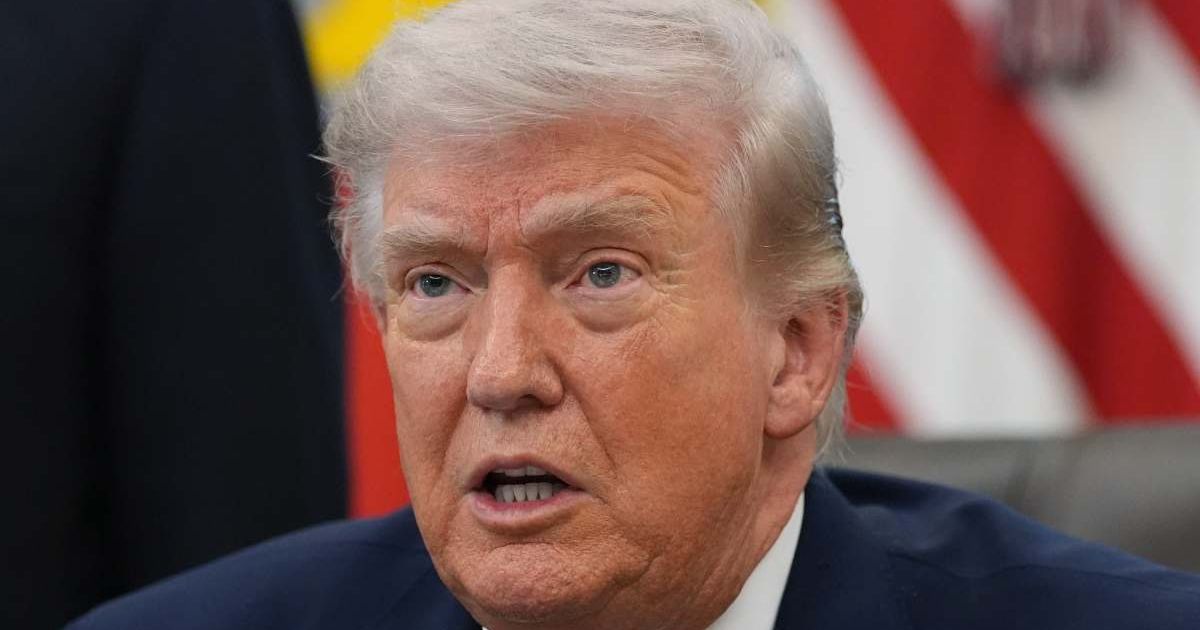
WASHINGTON, DC: President Donald Trump on Friday, April 24, sharply criticized a Supreme Court ruling that forced the US government to return an estimated $159 billion in tariff payments to businesses, calling it a massive financial loss for the country.
In a post on Truth Social, Trump argued that the United States should have been allowed to keep the money collected under tariffs imposed during his administration.
He described the decision as “horrible and ridiculous” and suggested it could have been avoided with a simple legal clarification.
🚨 DONALD TRUMP JUST EXPOSED THE SUPREME COURT
— Eric Daugherty (@EricLDaugh) April 24, 2026
He’s now on the hook for $159 BILLION in tariff refunds
“People and Companies that have taken advantage of our Country for decades, because of the horrible and ridiculous United States Supreme Court decision on Tariffs, are now… pic.twitter.com/xaQnXhB2rL
Trump says the US lost billions
Trump claimed that a minor change in the court’s language could have prevented the refunds altogether.
“All they had to do was one little half sentence,” he wrote, arguing that if the ruling had specified that previously collected funds did not need to be returned, the country would have been “$159 billion richer.”
He also emphasized the scale of the amount, saying it exceeded the economic size of many nations.
Trump questioned why such a provision was not included, highlighting the outcome as a failure that hurt American finances.
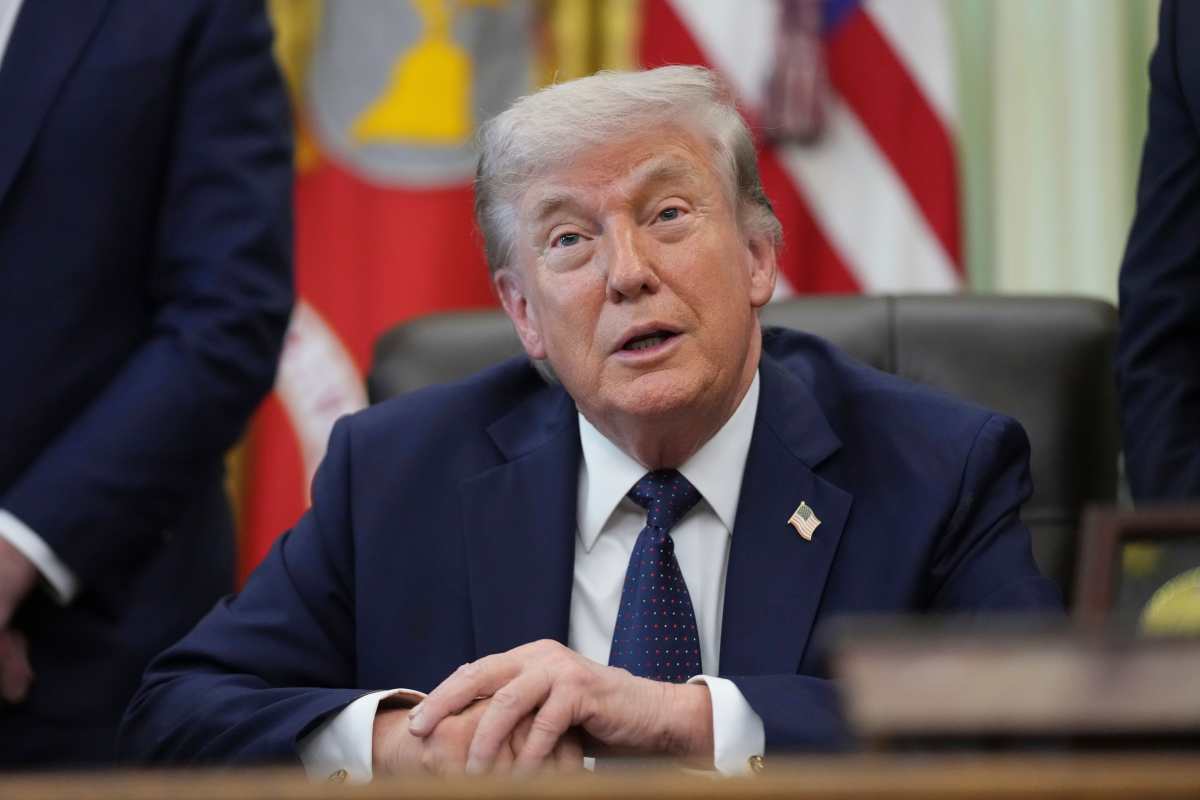
The comments reflect Trump’s continued frustration over the unraveling of one of his signature economic strategies.
Tariffs played a central role in his trade agenda, which aimed to pressure foreign governments, protect domestic industries and boost US manufacturing.
Supporters of the policy argued that it helped level the playing field for American businesses.
Critics, however, said the tariffs increased costs for importers and consumers, disrupted supply chains and triggered retaliatory measures from other countries.
SCOTUS ruling forces repayment
The legal dispute centers on Trump’s use of the International Emergency Economic Powers Act to justify tariffs on foreign goods.
The administration had argued that the measure was necessary to address trade imbalances and national economic concerns.
However, courts later found that the law did not provide sufficient authority for such sweeping action.
In a 6-3 decision, the court ruled against the administration’s approach, effectively invalidating the tariff program.
The ruling cleared the way for companies to seek refunds for duties they had already paid.
As a result, the government has begun processing large-scale repayments to affected businesses.
These refunds are being issued primarily to importers who paid tariffs when bringing goods into the United States.
Many of these companies had challenged the policy for months, arguing that it imposed unfair costs without proper legal grounding.