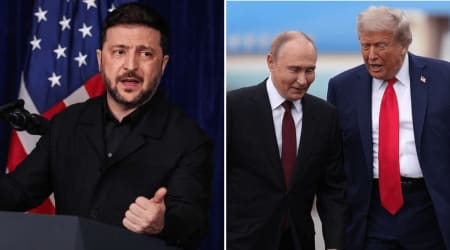
Trump kills 45-day Iran ceasefire as Hormuz deadline hits: 'Not good enough'
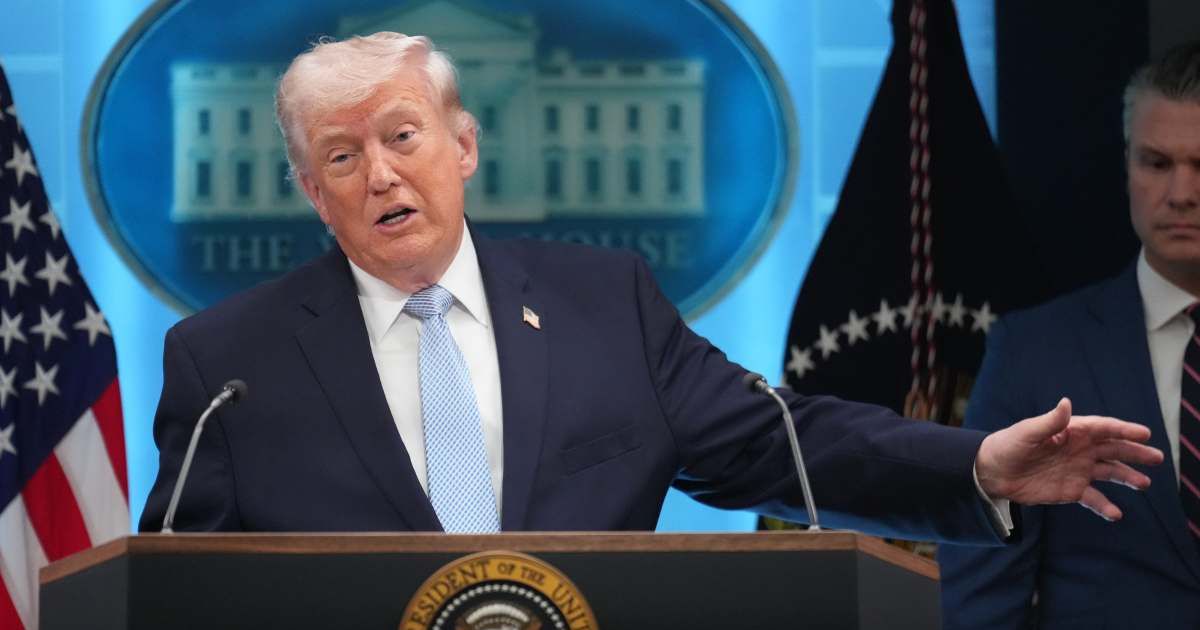
WASHINGTON, DC: President Donald Trump described a proposed 45-day ceasefire with Iran as a “significant step,” but said it falls short of what is needed to end the conflict.
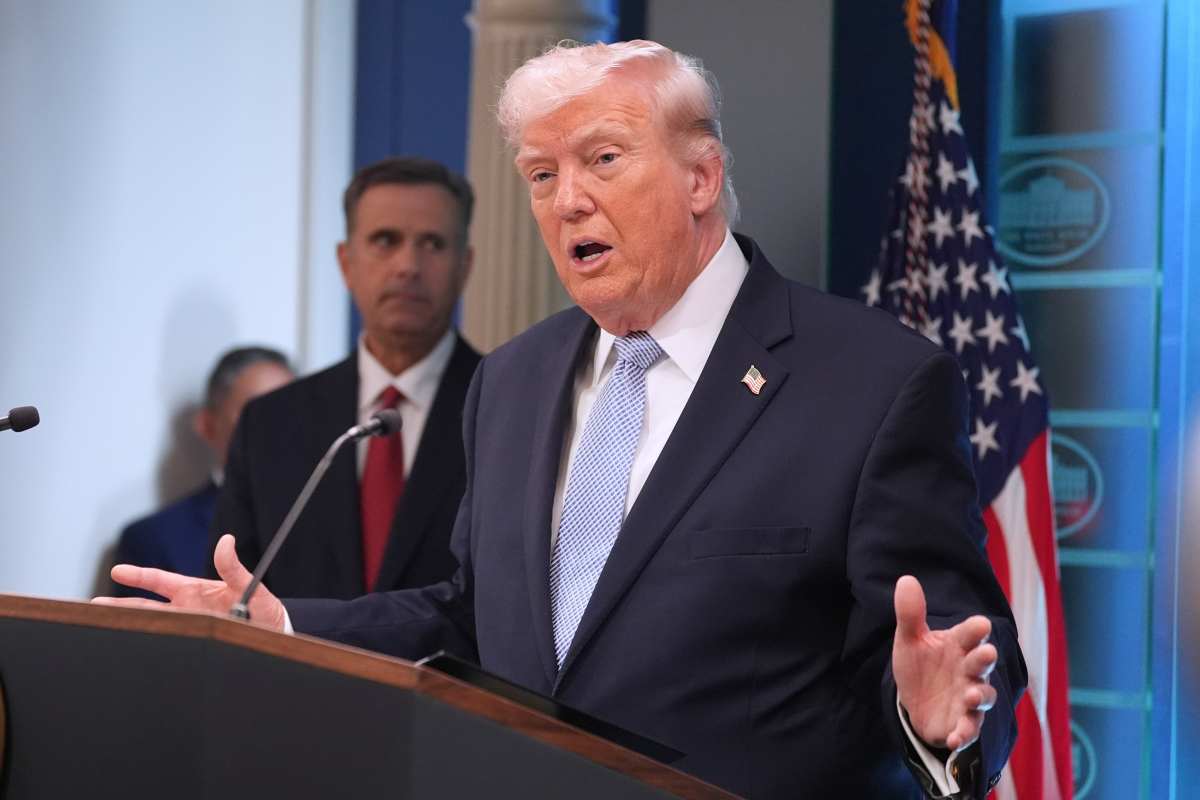
Trump insisted on Monday, April 6, that he alone would determine whether a ceasefire is acceptable, underscoring Washington’s hardline stance as hostilities continue.
Iran rejects temporary truce
Iran has turned down the proposal, arguing that any temporary halt in fighting would give adversaries time to regroup and prepare for further conflict.
According to Iranian state media, Tehran has issued a 10-point response calling instead for a permanent end to the war, aligned with its own strategic considerations.
Trump also renewed threats against Iran ahead of a self-imposed Tuesday deadline for reopening the strategically vital Strait of Hormuz.

The warning adds to mounting pressure on Tehran, as global concerns grow over potential disruptions to one of the world’s most critical energy corridors.
The president said Vice President JD Vance “could be” involved in direct negotiations aimed at ending the war.
He confirmed that Vance, special envoy Steve Witkoff and adviser Jared Kushner are engaging with intermediary countries to explore diplomatic pathways.
Divisions over high-risk rescue mission
Trump also revealed that not all military advisers supported the recent operation to rescue the crew of a downed fighter jet in Iran.
He said concerns centered on the potential human cost, with some officials warning the mission could result in significant casualties.
“There were people within the military that said it’s unwise,” Trump noted, adding that “hundreds of people could have been killed.”
Top defence officials backed the operation
Despite internal reservations, Trump said Defense Secretary Pete Hegseth and Joint Chiefs Chairman Dan Caine supported the mission.
The president acknowledged the risks involved, saying he was briefed on the dangers but ultimately approved the operation, highlighting the difficult balance between military objectives and potential losses.