'Deep in enemy territory': Trump details massive 155-aircraft Iran operation to rescue downed airmen
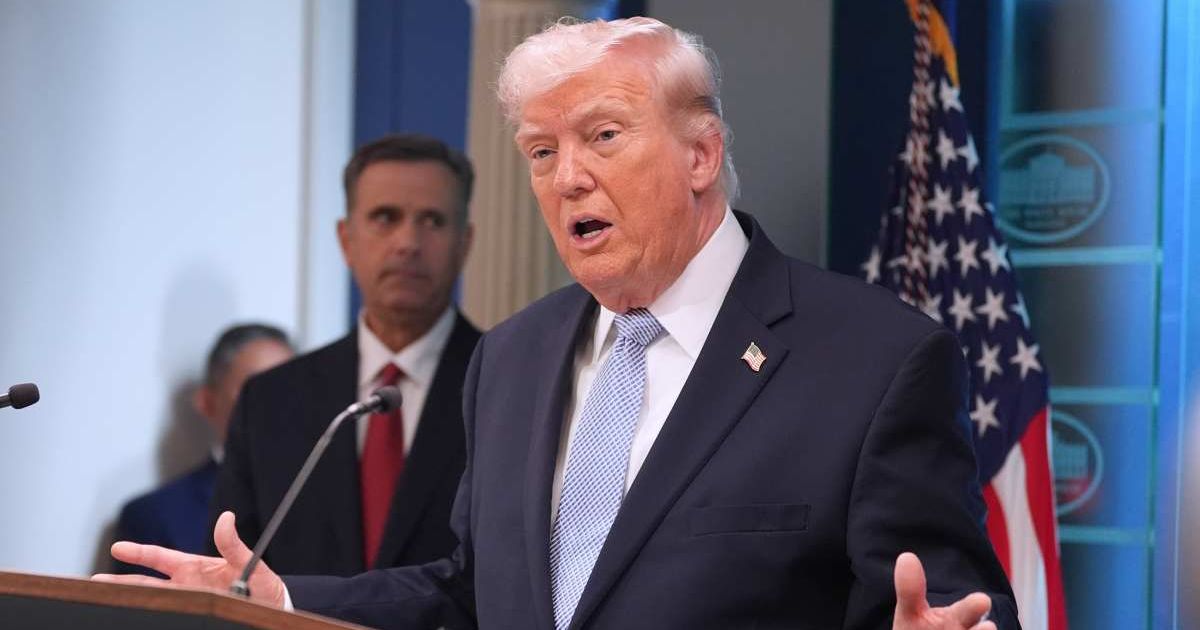
WASHINGTON, DC: President Donald Trump outlined details of a large-scale US military operation on Monday, April 6, to rescue two airmen who ejected from a downed aircraft in Iran, describing the mission as taking place “deep in enemy territory.”
Speaking about the efforts over the weekend, Trump said the operation involved multiple waves of aircraft and complex coordination under hostile conditions.
He emphasized both the scale of the response and the risks faced by the personnel involved. The remarks provide new insight into the rescue mission carried out amid ongoing tensions with Iran.
Trump details large-scale rescue effort under heavy fire
Trump said the initial response to locate and recover the downed airmen involved 21 aircraft, which flew for hours while facing “very, very heavy enemy fire.”
He noted that at least one US helicopter returned with multiple bullet impacts, underscoring the intensity of the conditions during the mission.
The president described the situation faced by the airmen after ejecting from their aircraft, stating they landed alive “deep in enemy territory” in Iran.
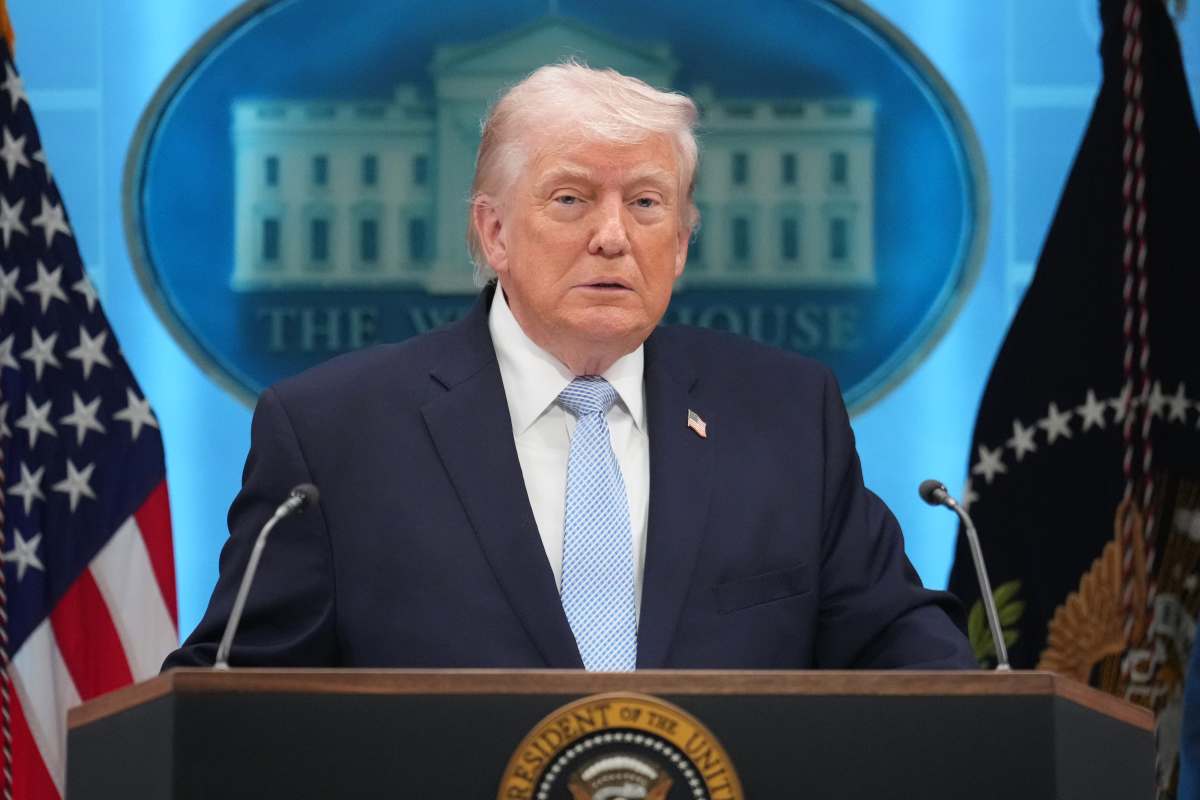
He said the operation quickly escalated into a broader effort to locate and extract the personnel before they could be captured.
Providing further details, Trump said the second phase of the mission expanded significantly, involving a total of 155 aircraft.
“The second rescue mission involved 155 aircraft... We were bringing them all over, and a lot of it was subterfuge. We wanted to have them think he was in a different location because they had a vast military force out there. Thousands of people were looking,” he said.
.@POTUS: "The second rescue mission involved 155 aircraft... We were bringing them all over, and a lot of it was subterfuge. We wanted to have them think he was in a different location because they had a vast military force out there. Thousands of people were looking." https://t.co/u0WZttiWI0 pic.twitter.com/aXYatUhqTI
— Rapid Response 47 (@RapidResponse47) April 6, 2026
According to Trump, the aircraft involved included four bombers, 64 fighters, 48 refueling tankers, and 13 rescue aircraft, among others.
He indicated that the scale of the deployment was partly intended to mislead Iranian forces about the actual location of the missing crew member.
Injured airman evaded capture as US forces executed rescue plan
Trump also described the actions of one of the downed crew members, a weapons officer, who he said followed standard training after the crash.
“When a plane crashes in hostile territory, ‘they all head right to that site, you want to be as far away as you can,’” Trump said, explaining the strategy used to avoid capture.
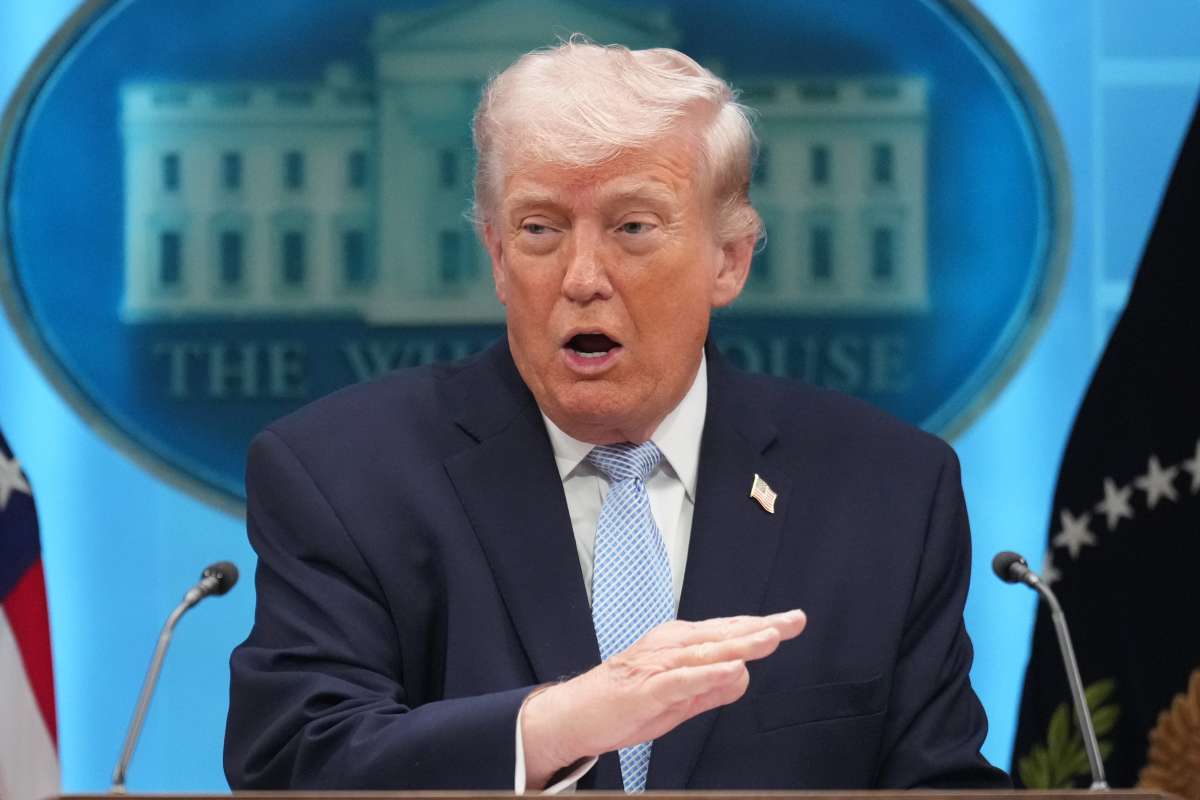
The president said the officer was “bleeding profusely” but managed to move away from the crash site, navigating mountainous terrain while attempting to remain undetected.
He added that the airman was eventually able to establish communication with US forces and provide his location, enabling rescuers to coordinate the recovery operation.
Trump said the mission involved deliberate efforts to confuse Iranian forces, describing the use of “subterfuge” to shift attention away from the actual rescue area.
The approach was intended to counter what he described as a large-scale search effort by Iranian personnel.
.@POTUS holds a press conference on the historic rescue of two American airmen from Iran:
— Rapid Response 47 (@RapidResponse47) April 6, 2026
"I ordered the U.S. armed forces to do whatever was necessary to bring our brave warriors back home... In the United States military, we leave no American behind." pic.twitter.com/Cwz7kWhz2I
Emphasizing the directive behind the operation, Trump said, “I ordered the US armed forces to do whatever was necessary to bring our brave warriors back home... In the United States military, we leave no American behind.”
The president framed the mission as a demonstration of US military capability and commitment to personnel recovery, highlighting both the coordination involved and the risks undertaken to retrieve the downed airmen from hostile territory.