Pentagon explains what happens when senior commanders disagree with Hegseth
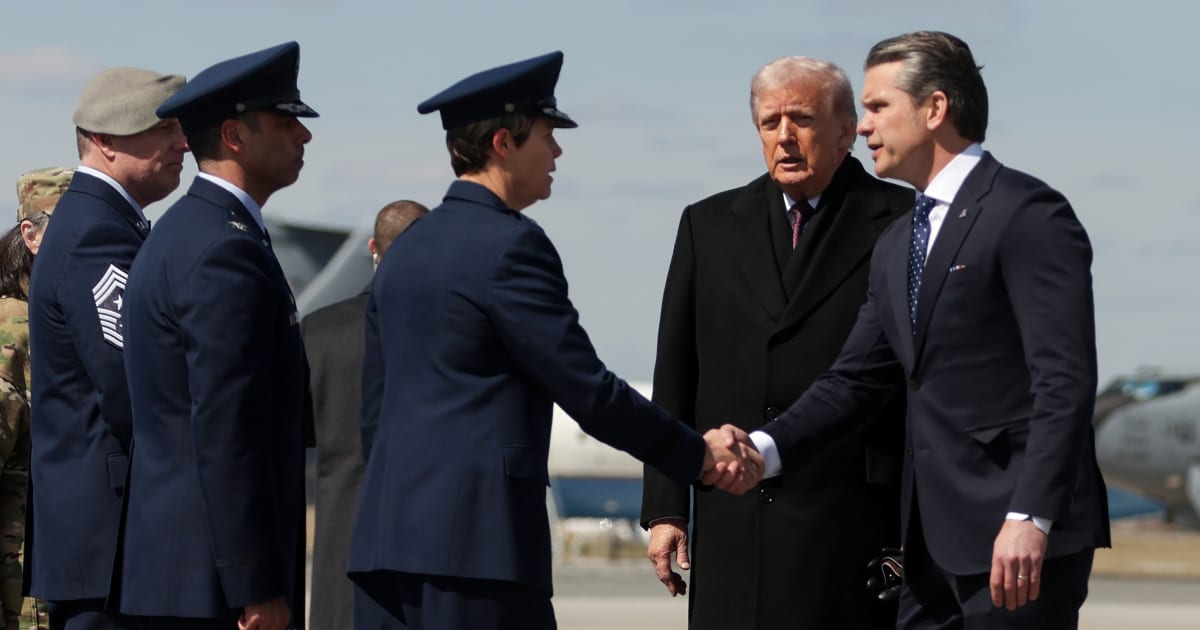
WASHINGTON, DC: Senior commanders can formally disagree with Defense Secretary Pete Hegseth, the Pentagon said, describing those objections as routine rather than evidence of a breakdown.
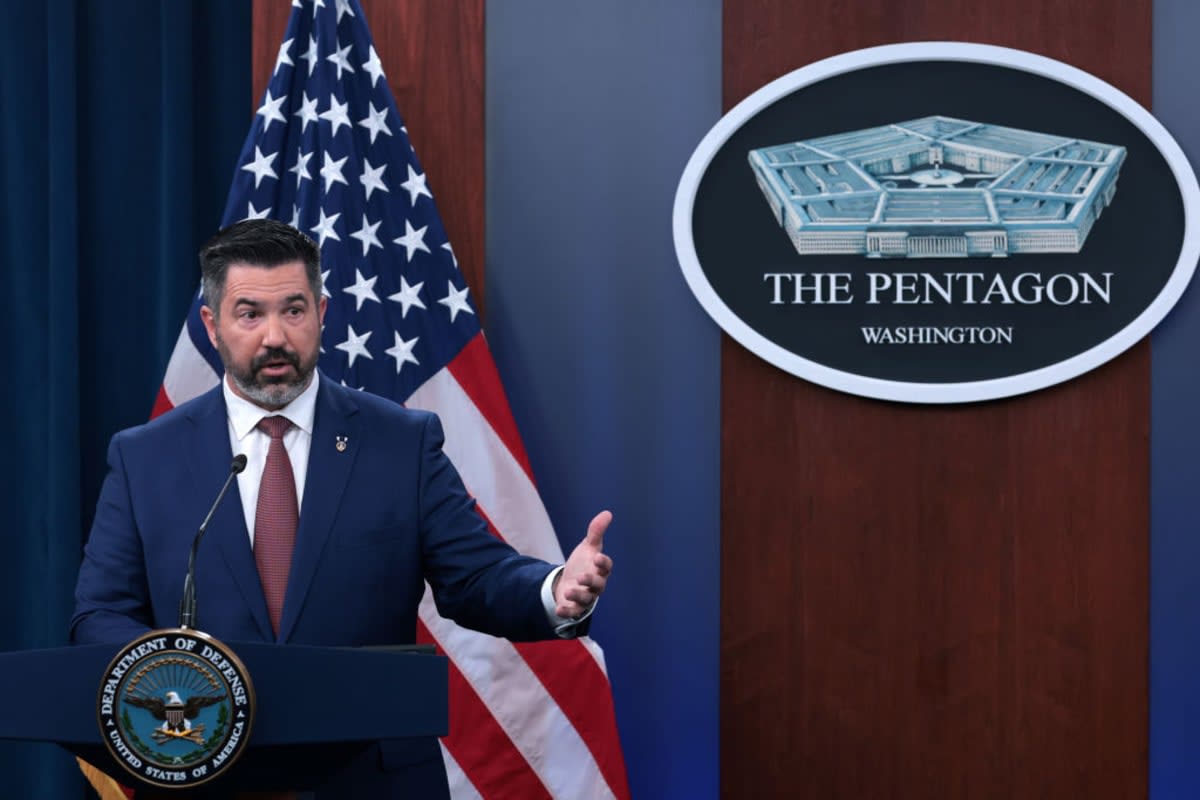
The Pentagon’s top spokesman said Hegseth regularly receives "non-concurs," formal objections used by military leaders when they disagree with an order.
Sean Parnell made the point on Monday, August 31, while pushing back against a Washington Post report about four commanders, all four-star officers.
Publishing highly classified assessments from the Secretary’s orders book is a crime.
— Sean Parnell (@SeanParnellASW) August 30, 2026
It’s a betrayal of the force.
And much of what they’re publishing is inaccurate.
Of course, we demand candid military advice. Non-concurs are standard. The Secretary sees them constantly. That’s… https://t.co/Jgc4GzdXcU
Pentagon calls non-concurs standard
"Of course, we demand candid military advice," Parnell wrote on X. "Non-concurs are standard. The Secretary sees them constantly. That’s how you run a real military."
The comments came after the outlet reported that four commanders had filed formal objections to a plan to keep more than 50,000 US troops in the Middle East through September, with some deployments potentially extending into 2027.
Parnell did not dispute that the objections had been filed. Instead, he said the existence of such objections was consistent with the Pentagon’s process for receiving military advice.
The reported objections appeared in the August 14 edition of the Secretary of Defense Orders Book (SDOB), a classified document typically produced twice a month that tracks the availability and deployment of US forces worldwide.
They reportedly came from Adm Daryl Caudle, chief of naval operations; Gen Alexus Grynkewich, head of US European Command; Gen Francis L Donovan, chief of US Southern Command; and Adm Samuel Paparo, chief of US Indo-Pacific Command.
Commanders raised different concerns
Caudle told Hegseth the Navy could not sustain its current level of commitment because no end date had been set for the operation, according to The Washington Post, which cited people familiar with the assessment.
Paparo objected to the continued demand for an aircraft carrier strike group and destroyers, while the European and Southern Command chiefs said shifting ships and surveillance aircraft to Central Command was already degrading their ability to fulfill homeland-defense obligations.
The Army and Air Force reportedly concurred with extending their deployments but warned of significant risks.
In a statement issued to the outlet before publication, Parnell used calmer language, saying troop commitments were based on "the current threat assessment, strategic priorities established by the President, and the advice" of military leadership.
He added that the department does not discuss "internal operational processes" or specific non-concurrences.
Pentagon disputes details of report
Parnell also challenged The Washington Post’s account, saying, "Publishing highly classified assessments from the Secretary’s orders book is a crime."
He called the publication "a betrayal of the force" and said "much of what they’re publishing is inaccurate."
It was unclear which parts of the report the Pentagon considered inaccurate.
Dan Lamothe, the reporter who broke the story, rejected Parnell’s criticism, writing on X that "independent journalism is not a crime" and arguing that such reporting was necessary when officials withhold details about a war funded by taxpayers.
The dispute followed a new exchange of fire between US and Iranian forces and came six weeks after Hegseth told senators the war had cost an estimated $37.5 billion, including projected costs through September.