'Not one ounce': Sen Graham demands 'Libya-style' Iran nuke wipeout as Trump deadline looms
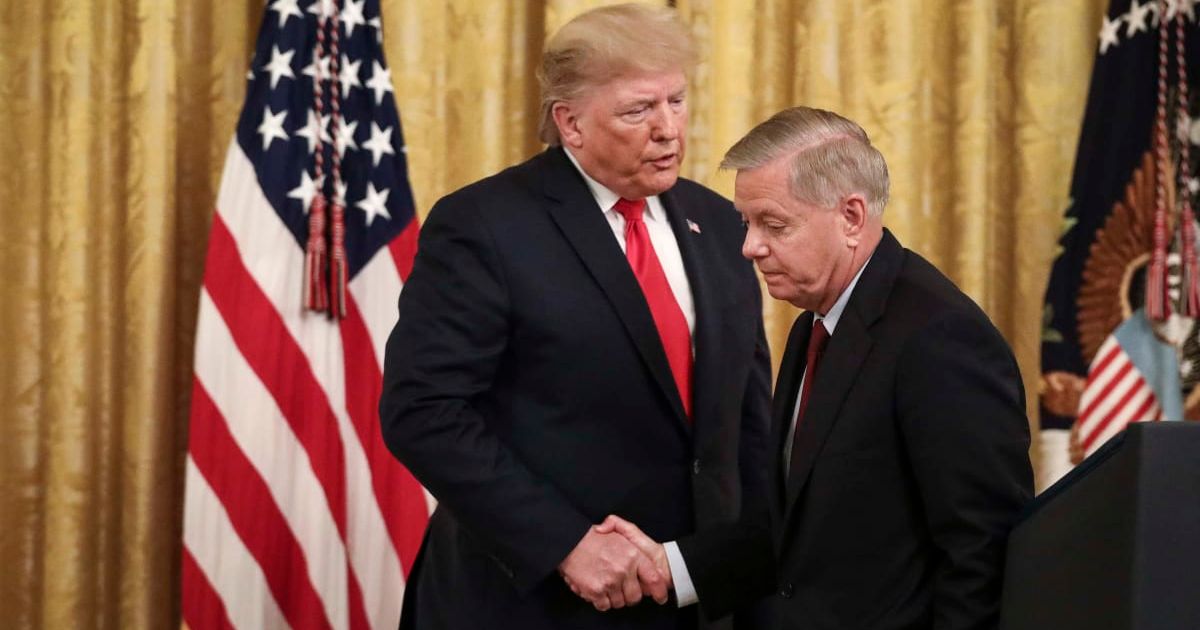
WASHINGTON, DC: Senator Lindsey Graham (R-SC) on Monday, April 6, outlined a hardline framework for ending the war with Iran, stating that any diplomatic agreement should require the full dismantling of Iran’s nuclear capabilities.
In a public statement, Graham said recent developments in the conflict present an opportunity to “forever close the path to a nuclear weapon,” while emphasizing that verification would be critical in any deal.
Having a diplomatic end to the war that achieves the United States’ key objectives for Iran is the preferred outcome. I really appreciate the hard work of @POTUS’ negotiating team, which has defined diplomatic breakthroughs that can end this war in a way that prevents Iran from…
— Lindsey Graham (@LindseyGrahamSC) April 6, 2026
His remarks came after President Donald J Trump set a new deadline for Iran to respond to US demands, warning of further military action if conditions are not met.
Lindsey Graham cites Libya model for Iran nuclear disarmament
Graham pointed to the 2003 disarmament of Libya as a reference point, where nuclear materials and equipment were removed from the country. He said a similar approach should be applied in Iran, including the removal of all highly enriched uranium.

“It is imperative that not one ounce be allowed to exist in Iran—buried or not,” Graham stated, arguing that residual material could pose future risks.
He also expressed skepticism about partial agreements that allow enrichment to continue, indicating that enforcement and verification would be central to any arrangement.
Graham calls shipping disruption in Hormuz unacceptable
Graham also addressed the ongoing disruption in the Strait of Hormuz, where shipping activity has been affected since the conflict escalated. He said maintaining open access to the waterway should be a key condition in any resolution.

The Strait remains a critical route for global oil transport, and recent restrictions have had ripple effects across energy markets. Graham described the situation as unacceptable and suggested that long-term measures may be required to ensure uninterrupted navigation.
US officials have not detailed specific plans for post-conflict control of the waterway, but naval assets remain deployed in the region.
Graham says regime at its weakest point
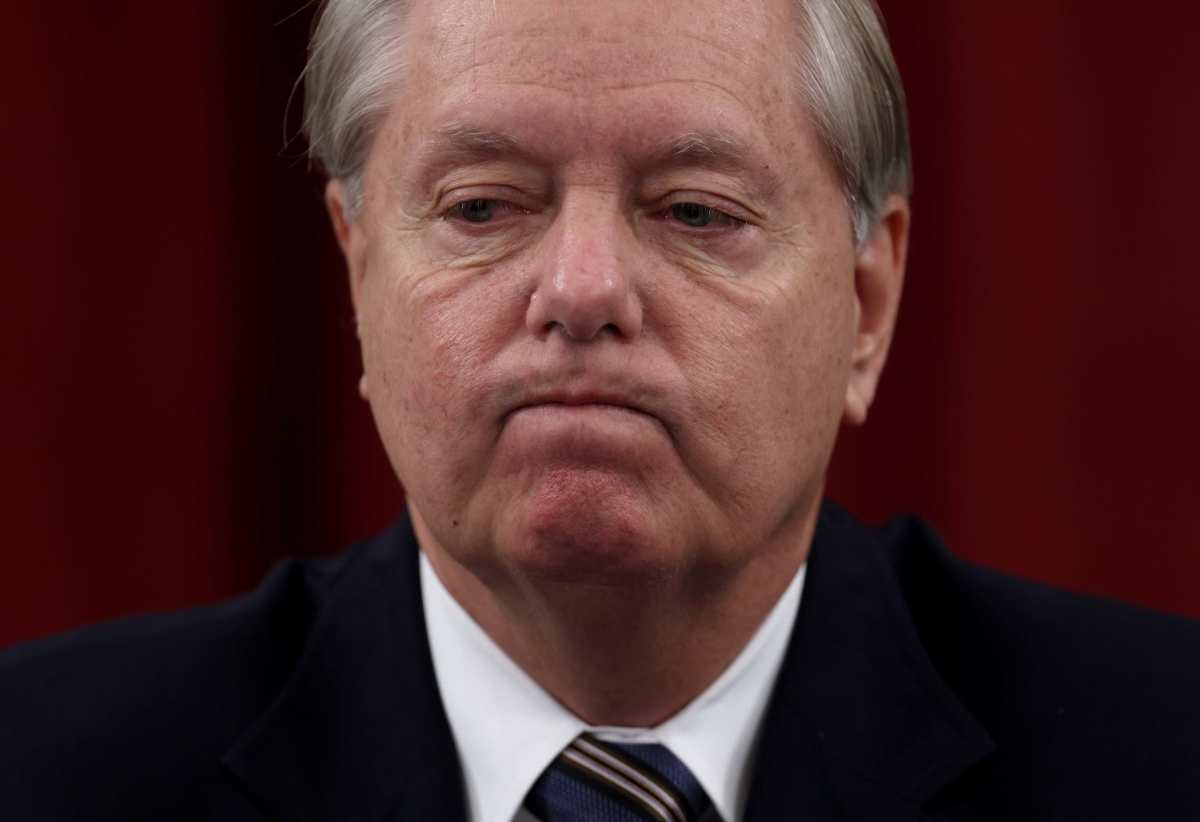
Graham said recent military operations have significantly weakened Iran’s capabilities, citing damage to infrastructure and defense systems. He suggested the current moment presents a strategic opportunity to push for broader concessions.
While noting that a negotiated settlement remains the preferred outcome, Graham indicated that military options remain under consideration if talks do not progress.