‘Open the F***in’ Strait,’ Trump threatens action if Iran doesn’t reopen the Strait of Hormuz
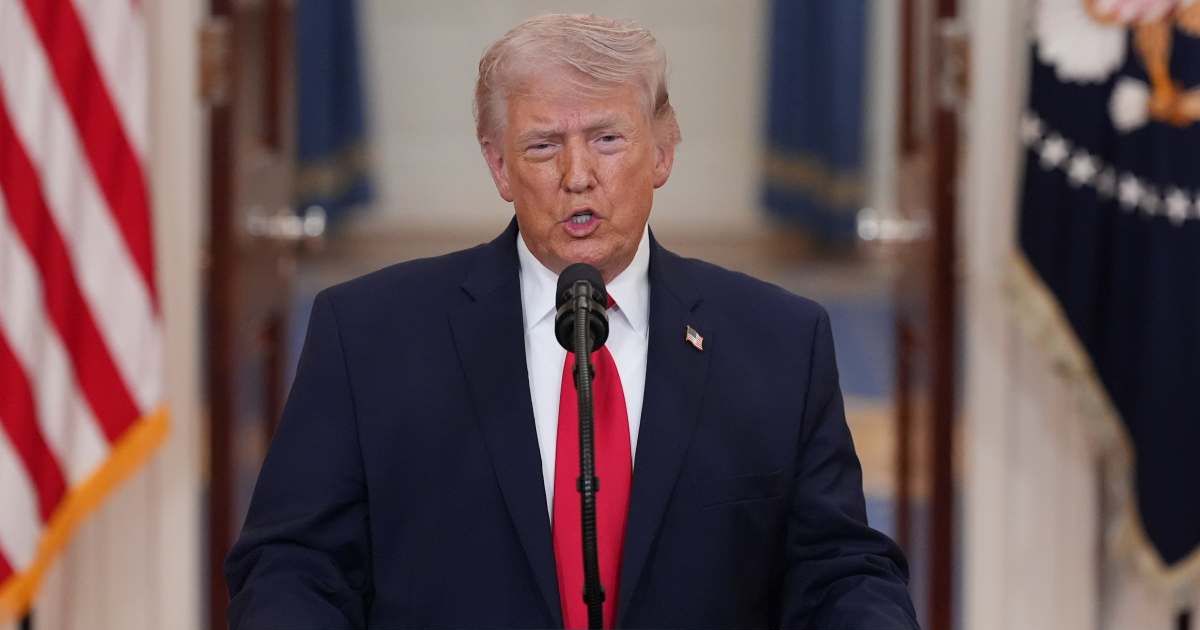
WASHINGTON, DC: President Donald Trump on Sunday, April 5, issued a sharp and profanity-laced warning to Iran, urging it to reopen the Strait of Hormuz or face potential military consequences.
The remarks come amid heightened tensions following disruptions to the key global oil route.
The Strait, which handles a significant share of the world’s oil shipments, has seen restricted traffic in recent days. The situation has triggered diplomatic engagement and increased scrutiny over global energy supply risks.
Trump warns Iran, signals infrastructure action
In a post on social media, Trump delivered a direct message to Tehran, stating, “Open the f**kin' Strait ... or you’ll be living in Hell - JUST WATCH!” The statement marked one of his most forceful public warnings during the ongoing tensions.
He also suggested imminent action, writing that Tuesday “will be Power Plant Day, and Bridge Day, all wrapped up in one, in Iran. There will be nothing like it!!!”
The remarks were seen as a signal of possible US plans to target critical infrastructure inside Iran if demands are not met.
Trump’s deadline for reopening the strait has shifted in recent days. In a separate address, he indicated that the waterway could “open up naturally” once the conflict subsides. However, the continued disruption has already had economic effects, with the slowdown in shipping contributing to rising global fuel prices.
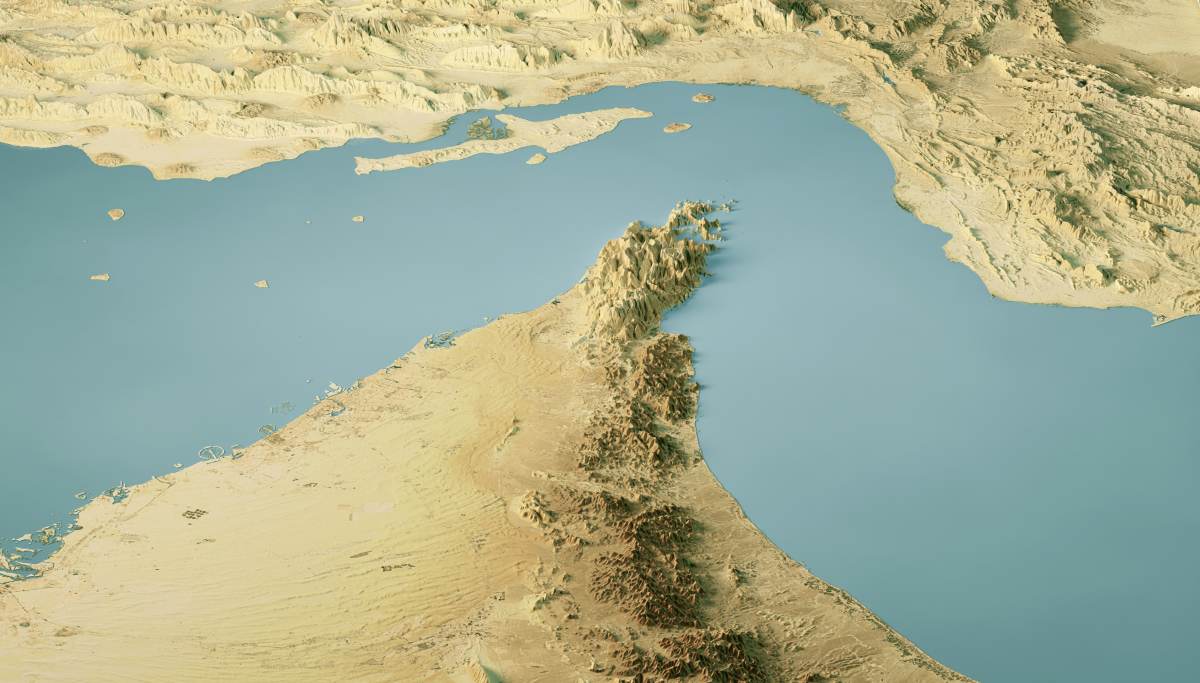
The Strait of Hormuz is a critical passageway for global energy markets, accounting for roughly 20% of the world’s oil transit. Its restricted use has heightened concerns among policymakers and industry stakeholders.
Public sentiment in the United States has also reflected unease, with polling indicating limited support for prolonged military engagement, even as Trump has suggested the conflict could conclude within weeks.
Iran-Oman talks, partial transit resume amid ongoing restrictions
Amid the tensions, representatives from Oman and Iran met to explore options for allowing ships to safely pass through the Strait of Hormuz.
According to Oman’s foreign ministry, officials and experts from both sides presented “a number of perspectives and proposals, which will be further studied.”
Iranian state media characterized the meeting differently, emphasizing what it described as the “exclusive role of Iran and Oman as the coastal states of the strait.”
The discussions come as Tehran maintains significant control over access to the waterway’s northern side, while Oman oversees the southern portion.

Despite restrictions, some maritime activity has continued.
Shipping tracker MarineTraffic indicated that several vessels, including a Chinese tanker and a ship that had loaded cargo in Iraq, transited the strait on Sunday.
Iran’s semi-official Tasnim news agency reported that more than 180 ships have passed through since the conflict began, with nearly 70% linked to Iran or its allies.
Countries such as China, India, Pakistan and Turkey have also negotiated passage for certain vessels.
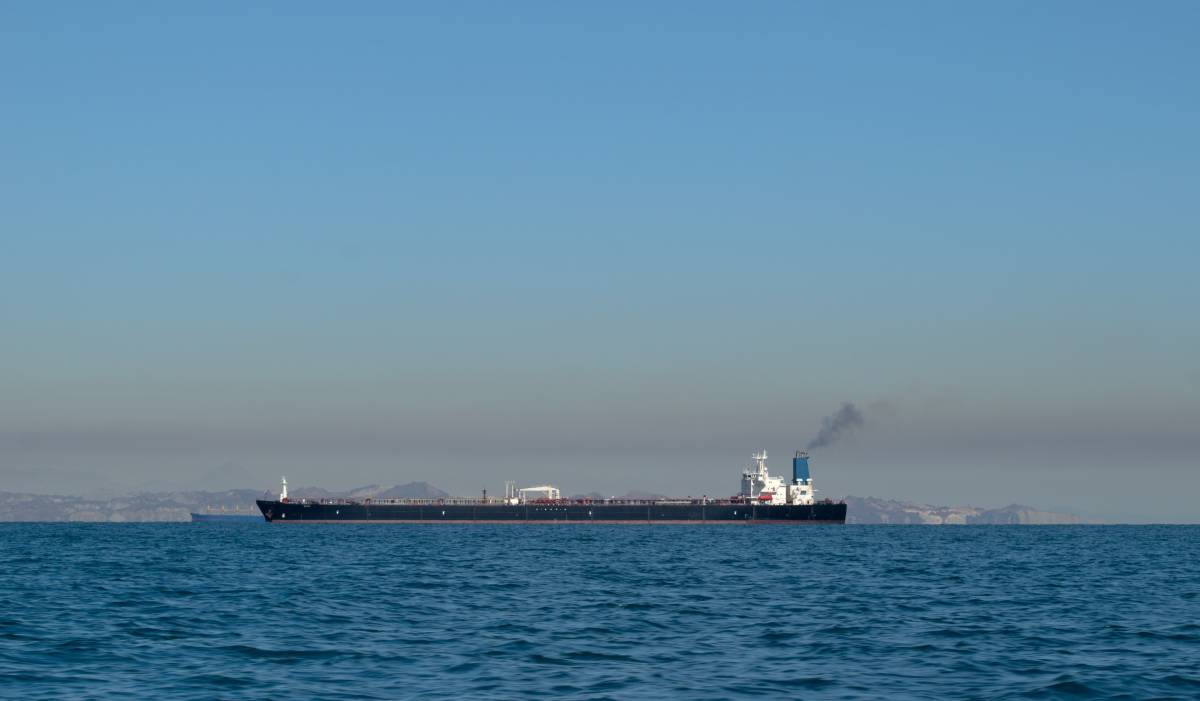
Before the conflict, as many as 140 ships were estimated to pass through the strait daily, according to the United Nations trade division. Iran has since reduced access in response to US-Israeli strikes, significantly affecting global supply flows.