'They have to cry uncle': Trump hits Iran with economic blockade as fresh war plans land on his desk
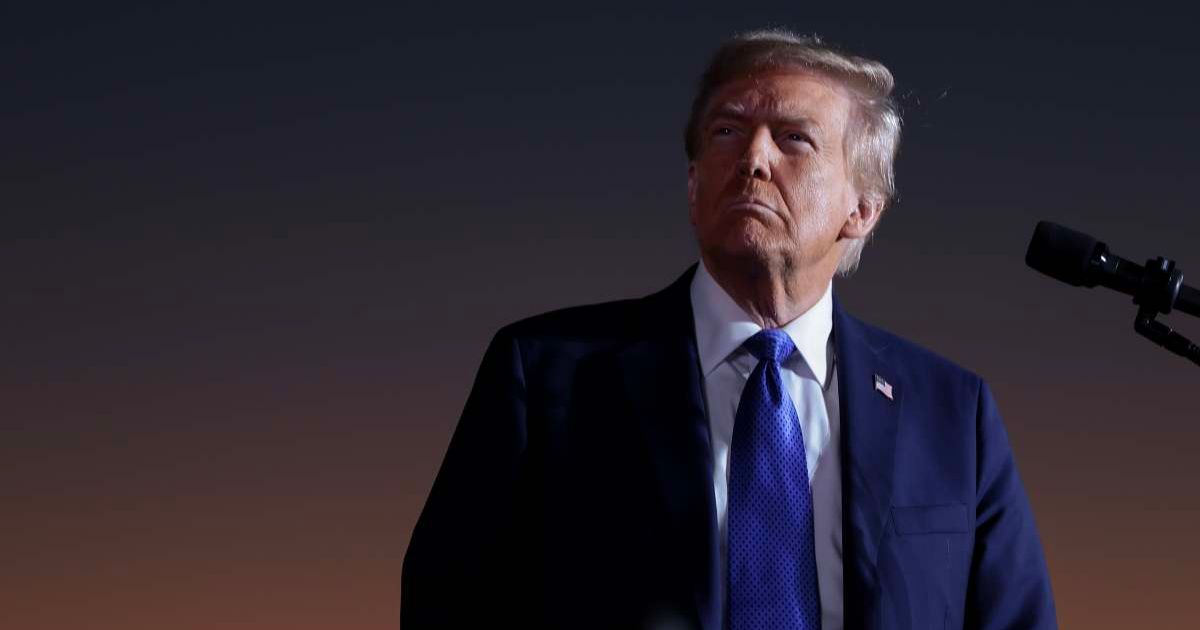
WASHINGTON, DC: President Donald Trump is set to receive an updated set of military options targeting Iran during a high-level Pentagon briefing on Thursday, April 30, even as his administration intensifies efforts to pressure Tehran economically into striking a deal over its nuclear program.
According to a source familiar with the matter, the briefing underscores the administration’s intent to maintain strategic flexibility amid slow-moving negotiations aimed at ending the ongoing conflict.
While such briefings are routine, the timing highlights the delicate balance Trump is attempting to strike between coercive diplomacy and the threat of renewed military action.
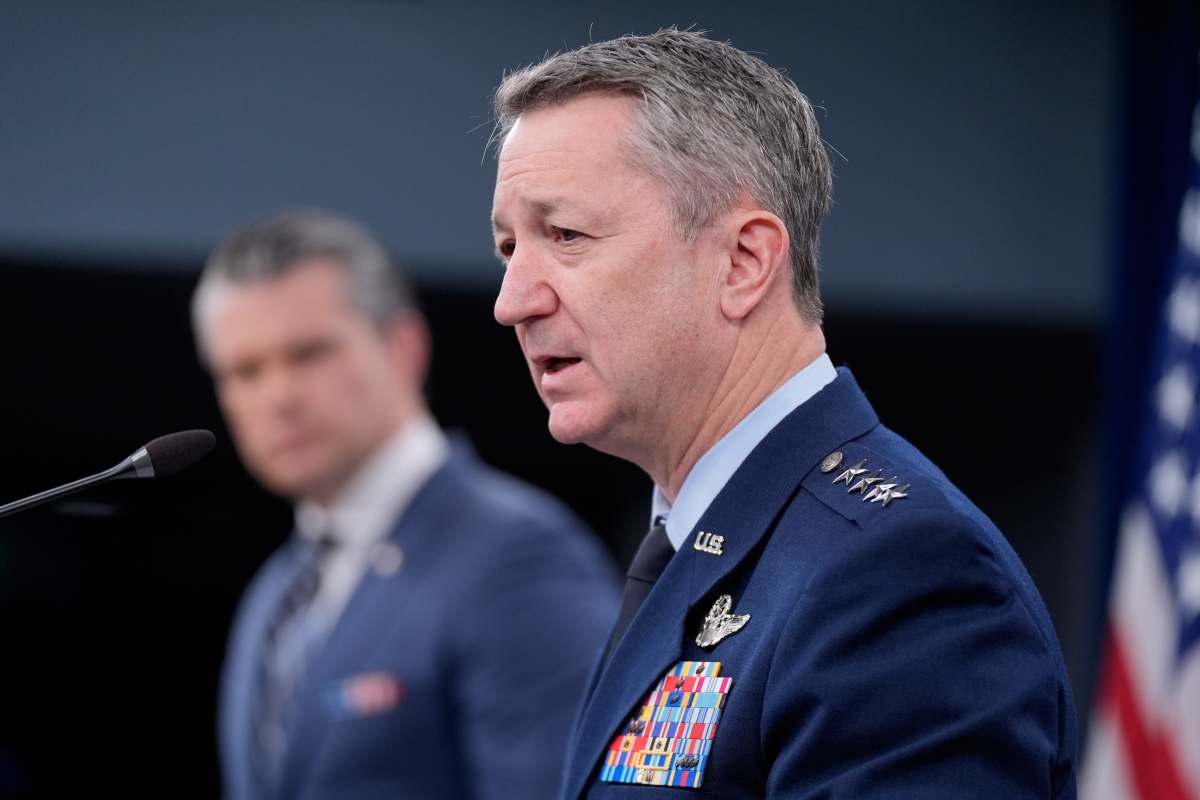
The session, first reported by Axios, is expected to include senior military leadership such as Adm Brad Cooper, who heads the United States Central Command, and Gen Dan Caine, alongside other top Pentagon officials. Their presentation is likely to outline a range of contingency plans should diplomatic efforts falter.
Pentagon to present updated war plans
Despite the briefing, there is little indication that Trump has shifted from his previously stated reluctance to resume a full-scale US bombing campaign against Iran.
Officials suggest the Pentagon continues to refine operational plans as a matter of preparedness rather than imminent execution. The move reflects a broader pattern within the administration: maintaining credible military options without necessarily deploying them.
Trump has repeatedly signaled internally that he would prefer a negotiated settlement over further kinetic escalation, wary of the costs and unpredictability associated with direct military engagement.
Still, the updated briefing serves as a reminder to Tehran that Washington retains the capability and the willingness to escalate if required.
Economic squeeze takes center stage
At the heart of Trump’s current Iran strategy is a sustained campaign to inflict maximum economic pressure.
The administration believes that tightening financial and trade restrictions will eventually compel Iran to concede to US demands, particularly regarding curbs on its nuclear ambitions.
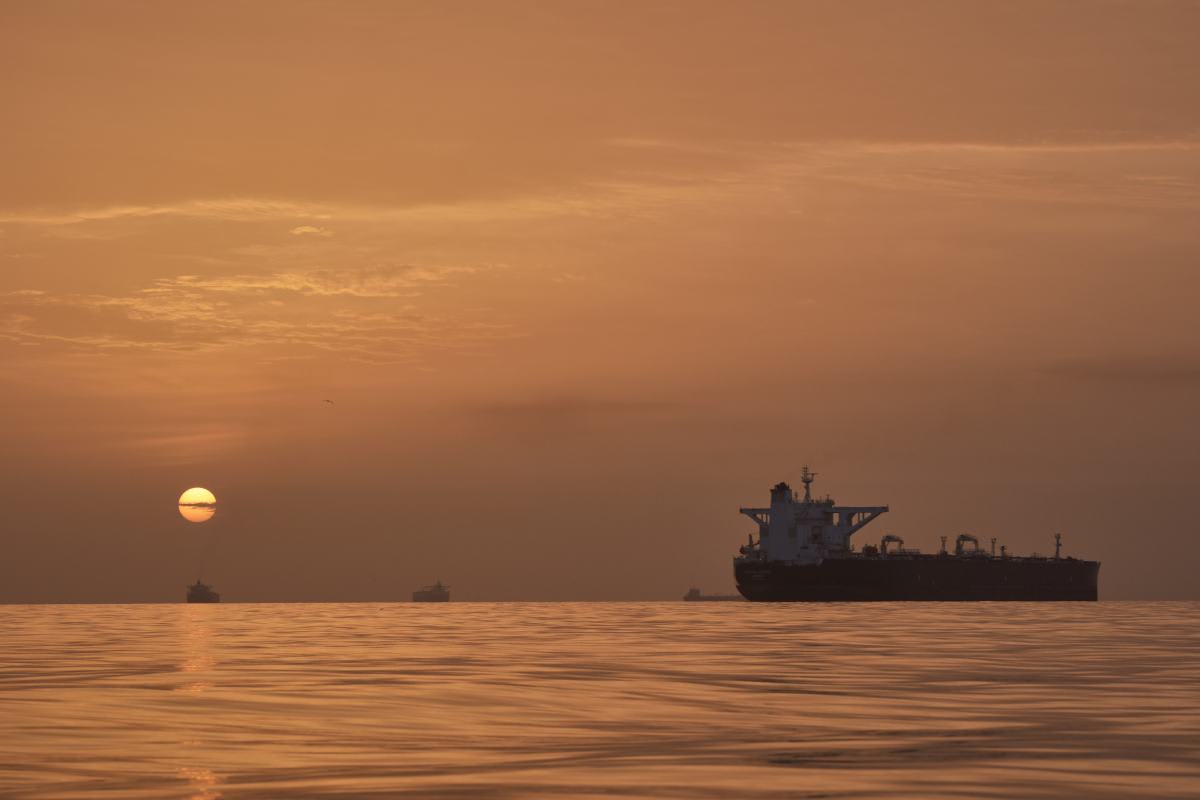
Central to this approach is a naval blockade targeting Iranian ports. Sources indicate that Trump has recently instructed his advisers to ensure the continuation and potential expansion of the blockade, including discussions around a prolonged closure of the strategically vital Strait of Hormuz.
Trump on Iran: The blockade is genius. The blockade is 100% foolproof. Now, they have to cry uncle. pic.twitter.com/PRG8cXS4Vl
— Acyn (@Acyn) April 29, 2026
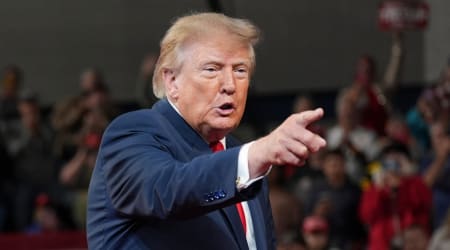
“The blockade is genius,” Trump told reporters on Wednesday, framing the strategy as a decisive lever to force Iran’s hand.
“Now, they have to cry uncle. That’s all they have to do, just say, ‘We give up,’” he added, underscoring his belief that economic hardship will drive Tehran toward compliance.
The Strait of Hormuz, a critical artery for global oil shipments, remains a focal point in this strategy. Any extended disruption there could have far-reaching implications for international energy markets, raising the stakes of the ongoing standoff.
Ceasefire holds as negotiations crawl forward
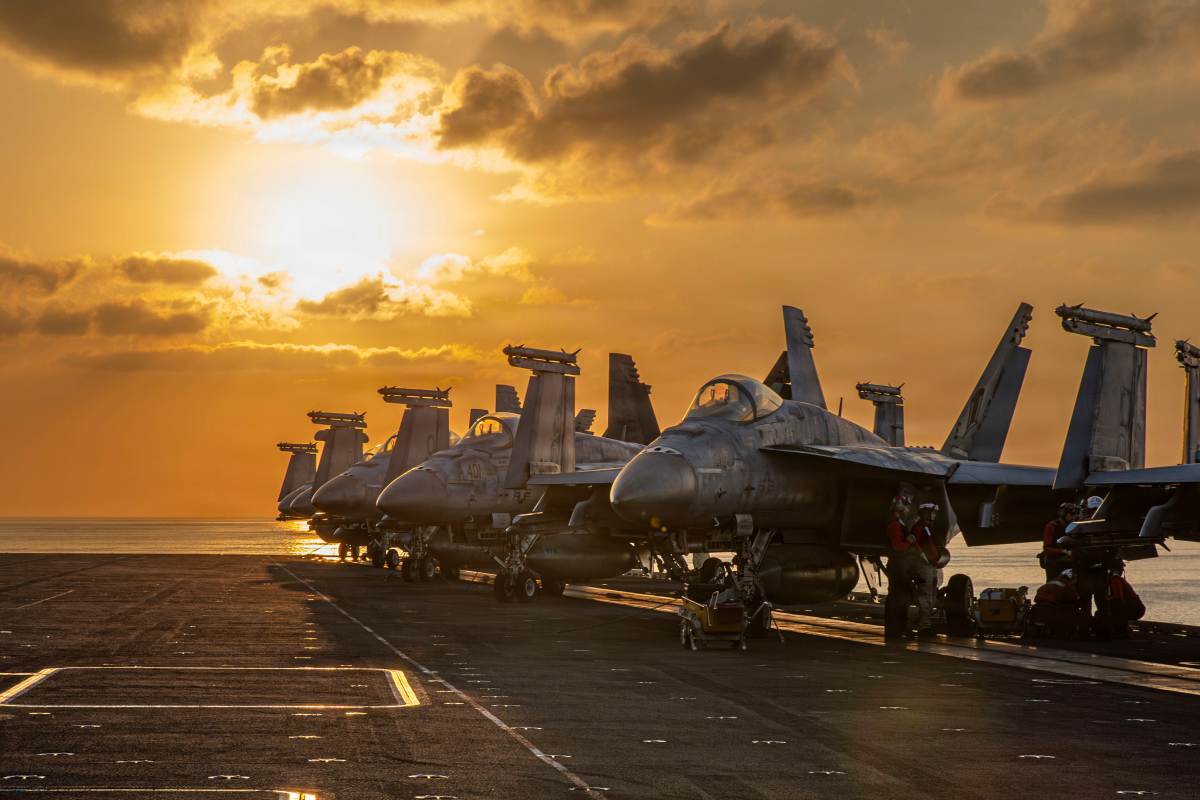
Meanwhile, the ceasefire between US and Iranian forces remains in place, albeit without a defined endpoint. Trump has repeatedly emphasized that he faces no immediate pressure to conclude negotiations, arguing that time is on Washington’s side.
“The clock is not on us,” the president has said in recent remarks, signaling a willingness to let economic measures take effect rather than rushing into a potentially fragile agreement.
However, the slow pace of talks has fueled uncertainty about the eventual outcome. While diplomatic channels remain open, the parallel preparation of military options suggests the administration is hedging against a breakdown in negotiations.