Trump invokes King Charles on Iran nuclear stance during US visit
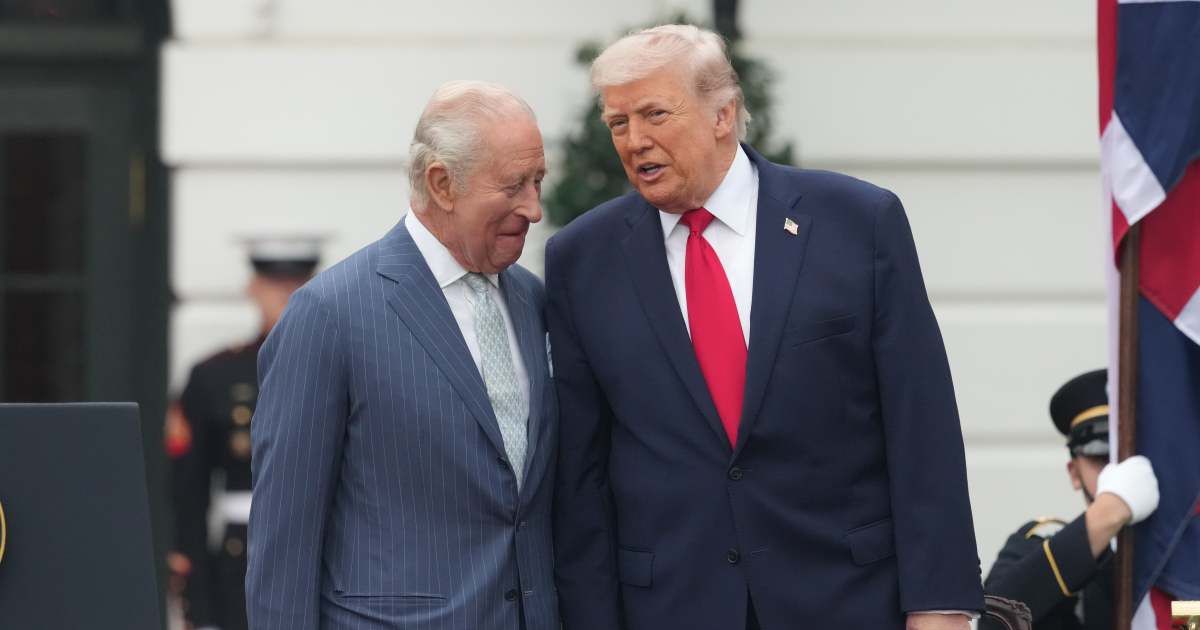
WASHINGTON, DC: President Donald Trump stirred fresh debate after claiming that King Charles III shared his stance on Iran’s nuclear ambitions, a remark that quickly raised questions given the monarch’s strict political neutrality.
Speaking on Tuesday, April 28, Trump commented while discussing ongoing tensions in the Middle East and efforts to prevent Iran from obtaining nuclear weapons.
🇺🇸🇬🇧Trump says King Charles III agrees Iran cannot have a nuclear weapon.
— Mario Nawfal (@MarioNawfal) April 29, 2026
“We have militarily defeated that particular opponent, and we’re never going to let that opponent have a nuclear weapon.
Charles agrees with me even more than I do.” https://t.co/iu5V1Z5PgI pic.twitter.com/GnlmJkCE3u
Trump claims King Charles backs his Iran nuclear stance
“We’re doing a little Middle East work right now, as you might know, and we’re doing very well. We have militarily defeated that particular opponent, and we’re never going to let that opponent ever - Charles agrees with me even more than I do - We’re never going to let that opponent have a nuclear weapon,” Trump said.
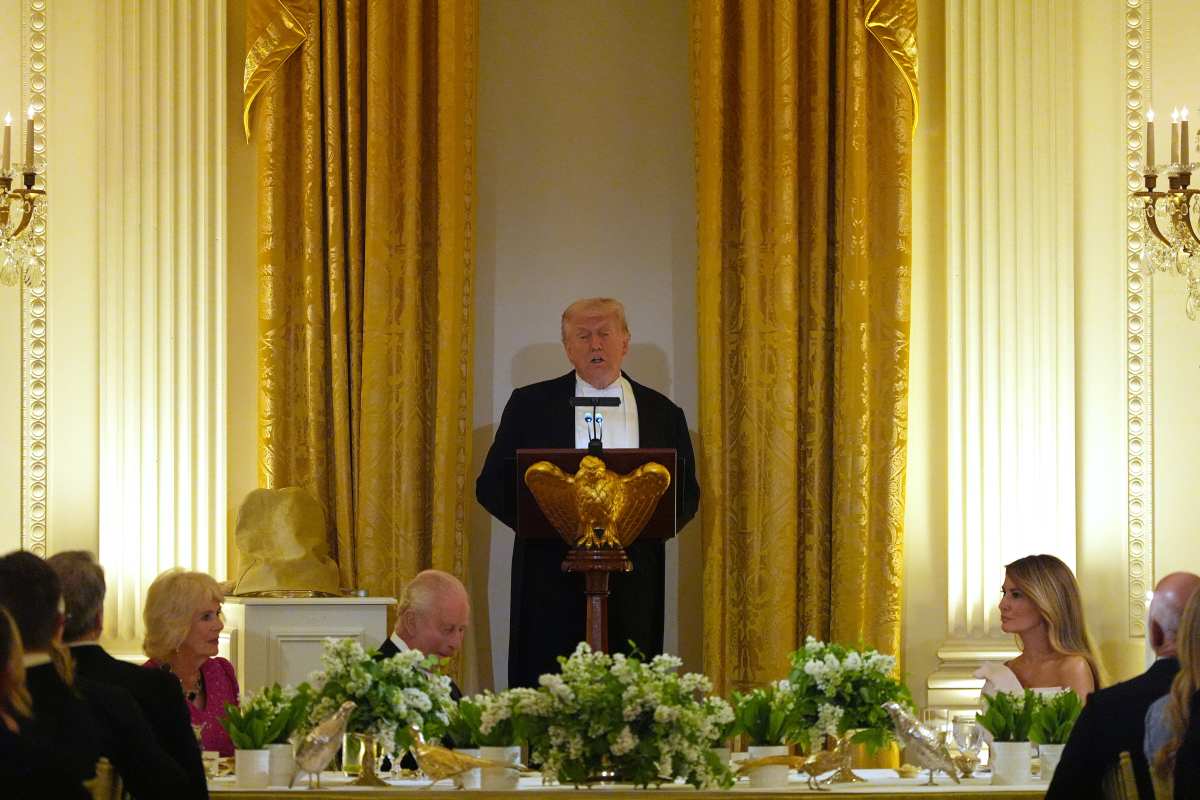
The statement quickly drew attention as it appeared to suggest alignment between the US president and King Charles on a major foreign policy issue.
No confirmation from King Charles as neutrality rules apply
However, there has been no confirmation from King Charles himself regarding Trump’s claim. In fact, the monarch is not expected to comment on such matters at all.
Under longstanding UK constitutional conventions, the King is required to remain politically neutral and does not publicly express views on government policy or international conflicts.
That makes Trump’s assertion difficult to verify and raises questions about how literally it should be taken.
While the King has been actively engaging in diplomatic and symbolic roles during his visit, direct commentary on issues like Iran’s nuclear program would fall outside his constitutional boundaries.
About royal neutrality and rising Iran tensions
The backdrop to Trump’s remarks is a period of heightened tension in the Middle East, particularly around Iran and its nuclear ambitions.
While the US continues to take a strong stance, the UK government has been more cautious about direct involvement.
British Prime Minister Keir Starmer has made it clear that the UK does not see itself as part of the conflict. “This is not our war,” Starmer said earlier this month. “We will not be drawn into the conflict.”

At the same time, Starmer has maintained the UK’s longstanding position on Iran’s nuclear program.
In early March, he urged Tehran to “abandon its aspiration to develop a nuclear weapon and cease its destabilising activities across the Middle East.”
He added, “That has been the longstanding position of successive British governments.”
King Charles’ visit aims to ease tensions
King Charles’s visit to the United States has been seen as an effort to reinforce ties between the two countries during a tense period.
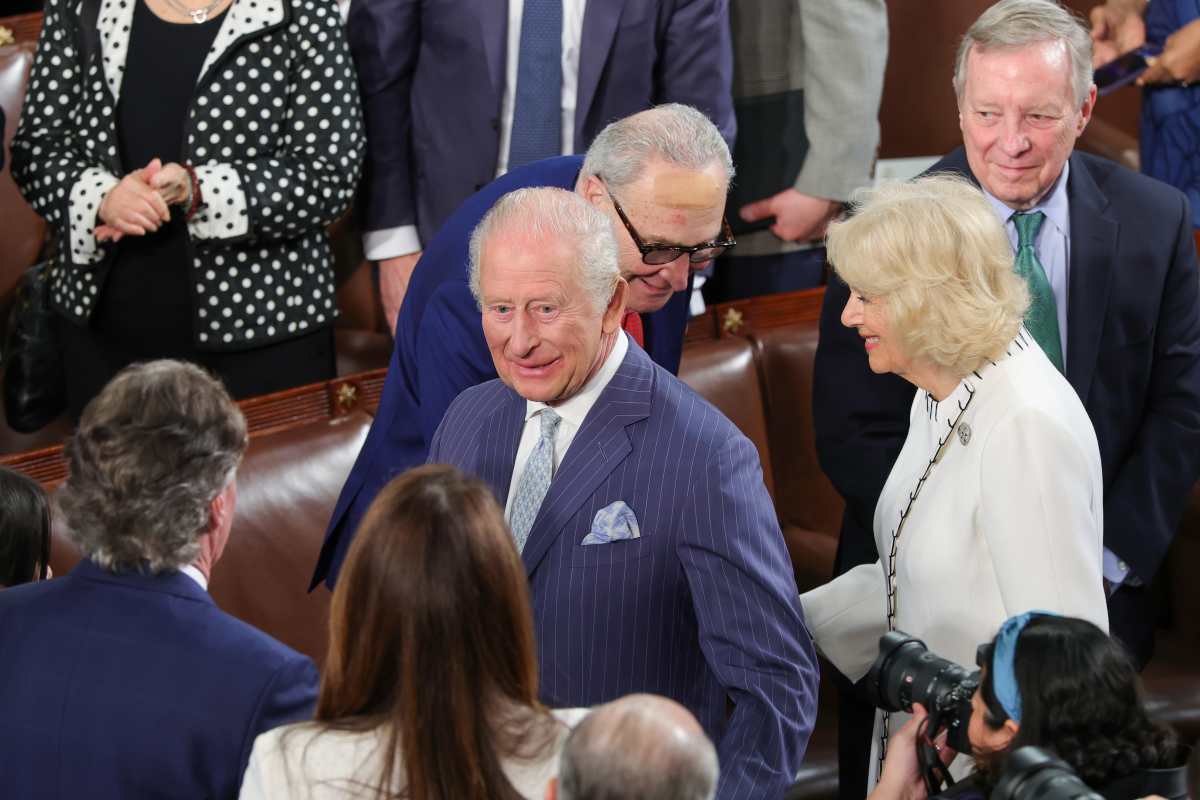
In a historic address to a joint meeting of Congress on Tuesday, the monarch focused on shared values, cooperation, and public service.
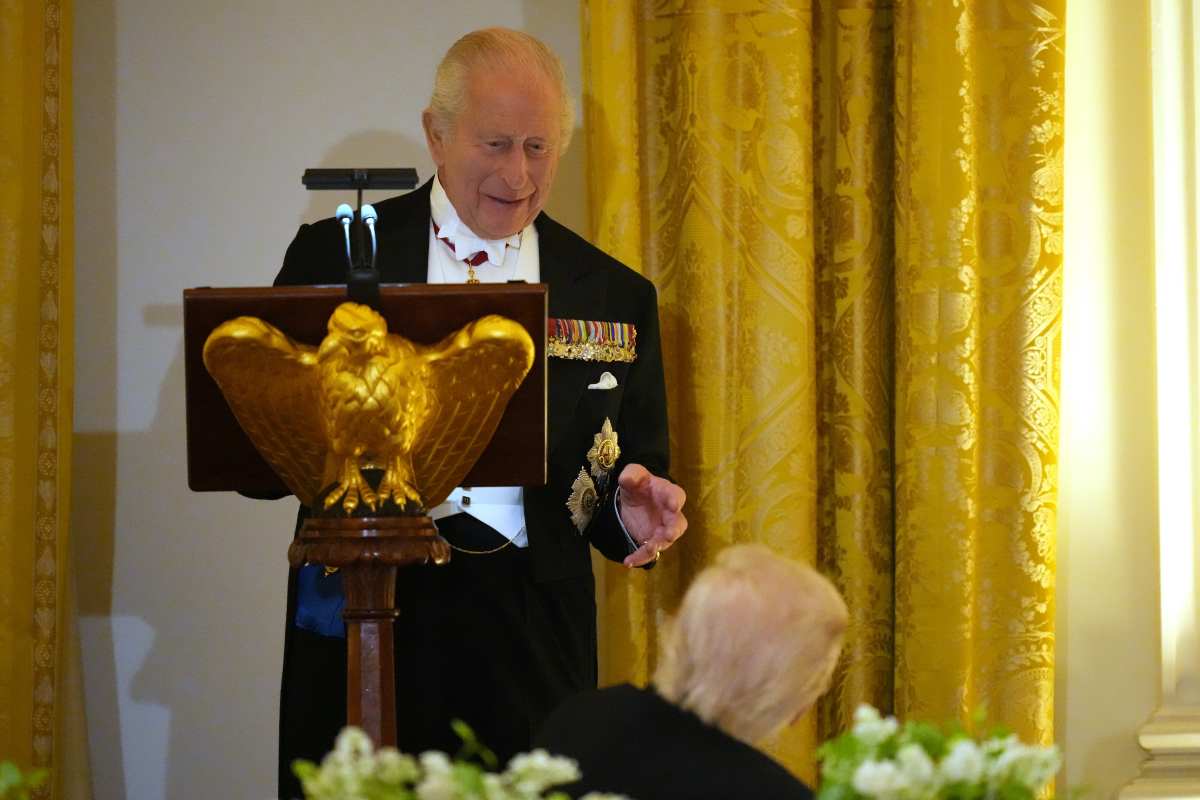
The visit itself had been billed as an opportunity to lower tensions between the traditionally close allies, especially as disagreements have surfaced over the handling of the Iran situation.
Trump, meanwhile, has floated ideas on foreign policy, including previously suggesting that the US could withdraw from NATO, a move that would require congressional approval and likely face opposition.