Trump signals Russia oil sanctions may return as G7 backs new pressure push
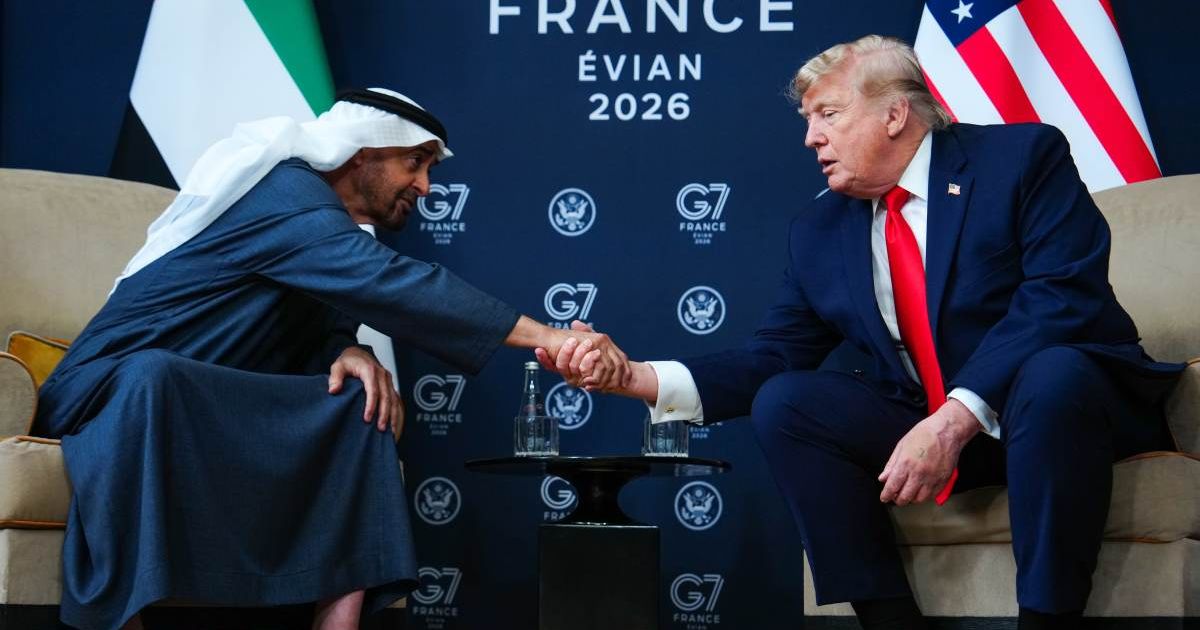
ÉVIAN-LES-BAINS, FRANCE: President Donald J Trump has signaled that the United States could soon reinstate aggressive energy restrictions on Russian petroleum exports, kickstarting a coordinated Western campaign to force Vladimir Putin to the negotiating table.
Speaking at the 52nd G7 summit in Évian-les-Bains, France, Trump suggested that the conclusion of the 100-day war in West Asia has dramatically altered the geopolitical landscape, allowing the administration to pivot its attention back to Eastern Europe.
Trump said he could move to strengthen sanctions against Russia once Washington is confident that global oil supplies will not be disrupted.
— Brian McDonald (@BrianMcDonaldIE) June 16, 2026
“We took sanctions off because obviously we’re not looking to impede the oil,” he said, adding that the US would be “in a position to do… pic.twitter.com/oR5vZTiIfH
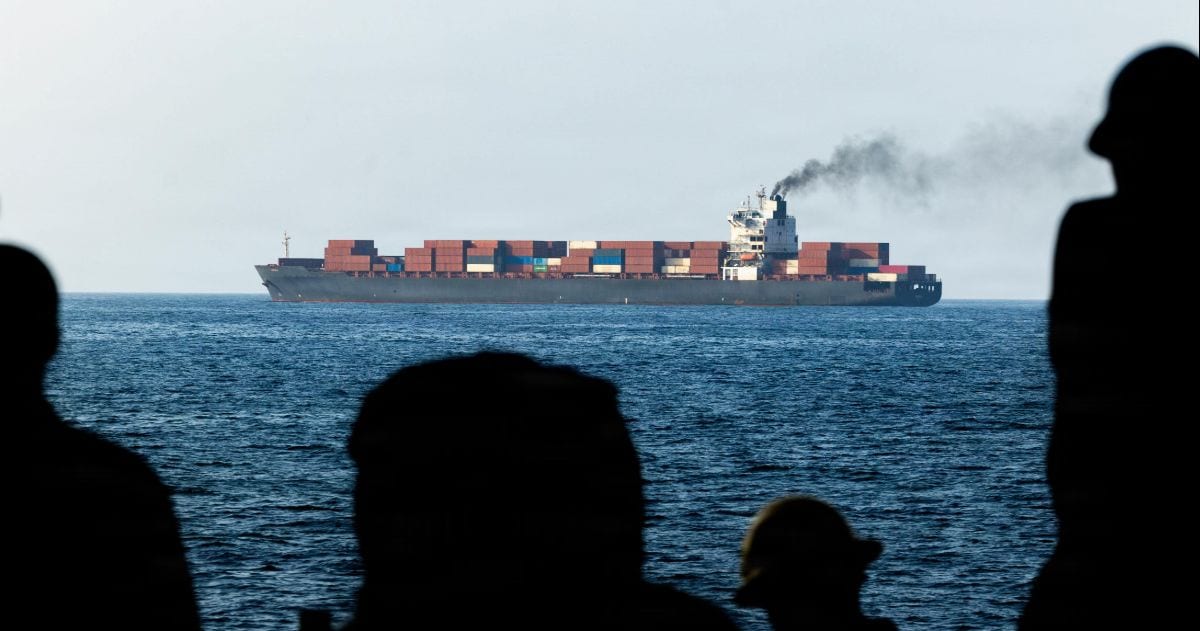
Washington had previously suspended key energy penalties to suppress global energy prices, which had skyrocketed during the height of the maritime conflict with Iran.
However, following the successful bilateral truce finalized over the weekend, international crude indices have rapidly deflated, providing G7 leaders a unique window to restrict Moscow's primary revenue stream without triggering domestic inflation.
Western allies align on secondary sanctions
"We took sanctions off because obviously we're not looking to impede the oil. But we're in a position to do that soon," Trump told reporters during a high-profile bilateral meeting with United Arab Emirates President Mohamed bin Zayed al-Nahyan.
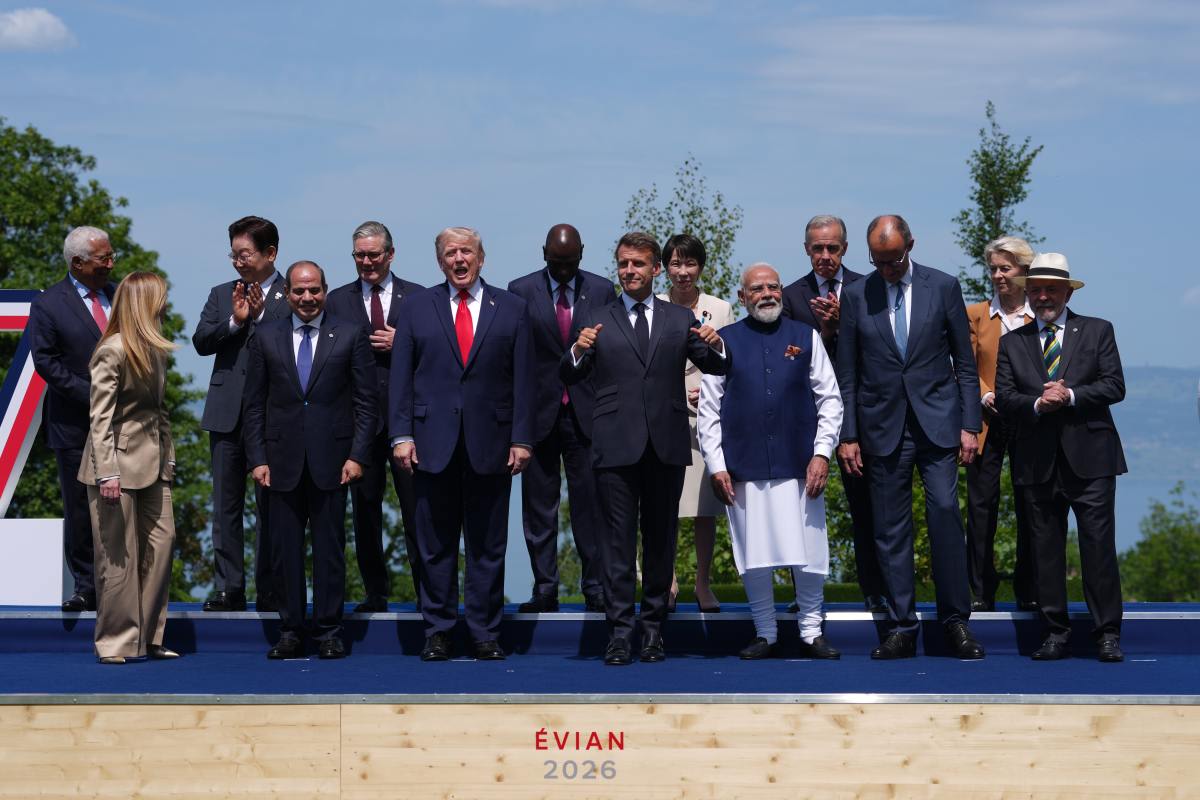
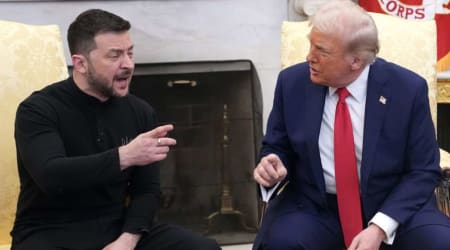
The executive shift was heavily reinforced by unified messaging from European Union and G7 heads of state, who convened a specialized working session with Ukrainian President Volodymyr Zelenskyy during the fifth year of the war.
European diplomats present at the alpine summit confirmed that member nations are entirely aligned on ramping up internal pressures.
The United Kingdom moved first by implementing a fresh batch of independent energy constraints, while Canadian Prime Minister Mark Carney unveiled restrictive measures blocking 162 targets tied directly to the Kremlin’s infrastructure.
Price cap pressures Kremlin finances
The prospective American reversal coincides with a broader push by the European Commission to structurally freeze the current purchasing cap on Russian oil at exactly $44 per barrel.
This institutional containment strategy aims to systematically deplete the liquid capital reserves used to sustain active combat maneuvers along the front lines.
With Trump scheduled to conduct direct, individual policy negotiations with Zelenskyy later this evening, the administration is indicating that the end of Middle Eastern maritime friction will mark the beginning of a far more aggressive economic quarantine against the Russian state.