Trump to pull 5,000 troops from Germany as Europe urges greater self-defense
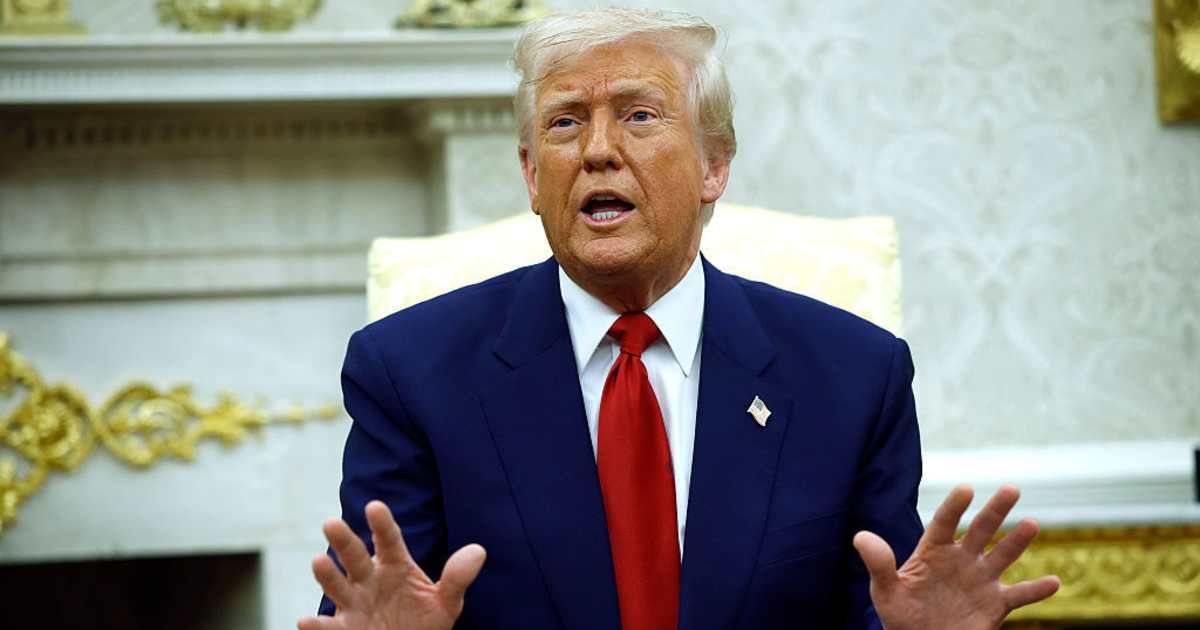
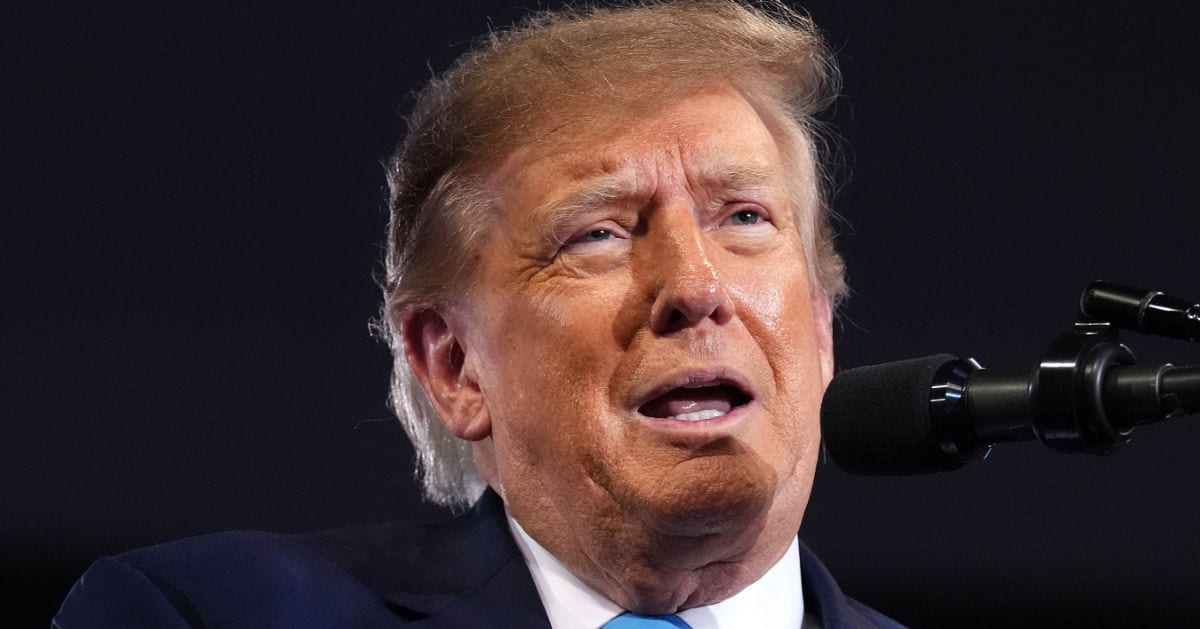
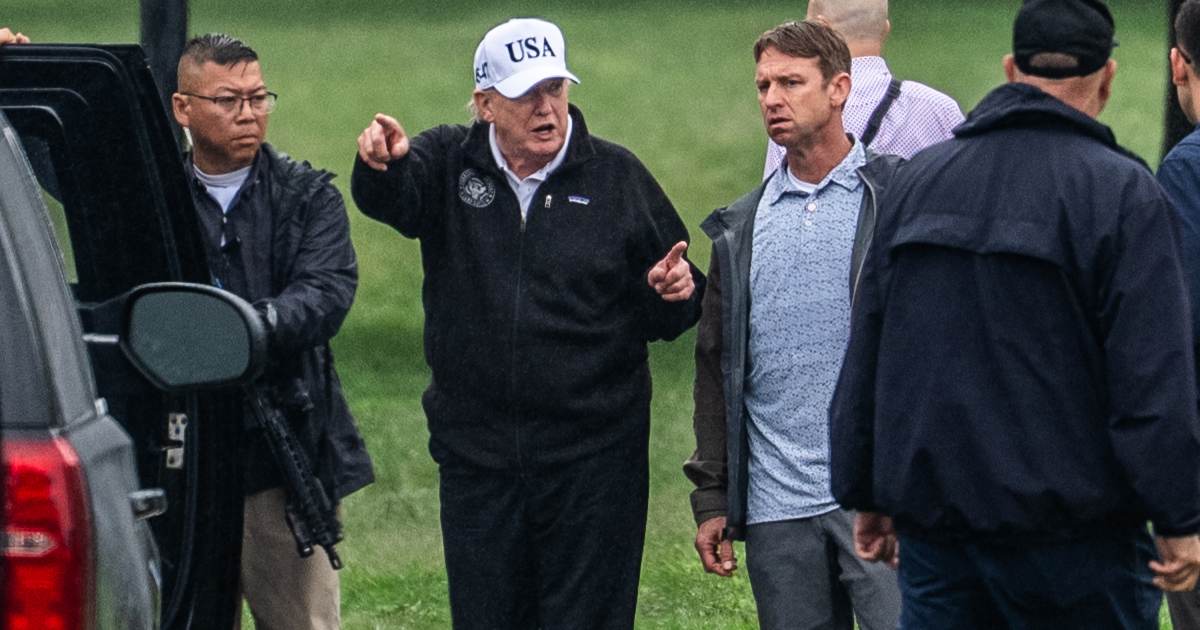
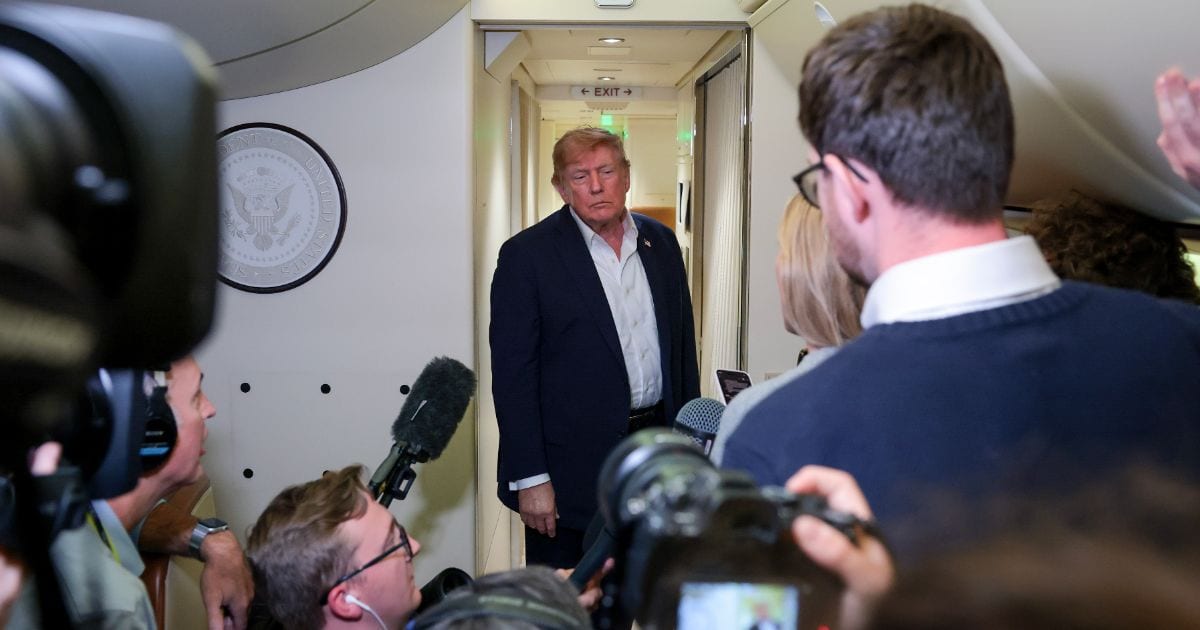
BERLIN, GERMANY: European leaders on Saturday called for the continent to strengthen its own defense capabilities after US President Donald Trump ordered the withdrawal of around 5,000 American troops from Germany.
The move follows remarks by German Chancellor Friedrich Merz suggesting the United States had been “humiliated” by Iran, triggering a diplomatic spat and underscoring weeks of friction between Washington and its European allies over the escalating Middle East crisis.
The decision comes against a backdrop of already strained relations, including disputes over tariffs, US pressure on Ukraine in its conflict with Russia, and Trump’s earlier push to take control of Greenland, a territory of NATO member Denmark.

Europe told to take more responsibility
German Defence Minister Boris Pistorius said the withdrawal had been anticipated and stressed the need for Europe to shoulder more responsibility for its own security.
Nearly 40,000 US troops remain stationed in Germany, the largest American military presence in Europe and a crucial logistics hub.
Berlin, Pistorius noted, is already boosting defense spending, modernising its forces, and investing in infrastructure.
For weeks, Trump has criticised NATO allies, particularly Germany, for what he sees as insufficient support in confronting Iran.
His administration has repeatedly warned that the alliance cannot function as a “one-way street,” even raising the prospect of a US exit from NATO.

Allies warn of growing transatlantic divide
The troop pullout drew mixed reactions across Europe, combining pragmatism with concern.
NATO spokesperson Allison Hart said the alliance is seeking clarity from Washington, while reiterating the need for European nations to increase defense spending, a goal members agreed to pursue at 5% of GDP.
Polish Prime Minister Donald Tusk warned of a “disastrous trend” of growing distance between Europe and the United States, cautioning that internal divisions pose a greater threat than external adversaries.
UK Prime Minister Keir Starmer also acknowledged Europe’s weaknesses, urging leaders to step up and calling for Britain to play a central role in strengthening regional defense cooperation.
Signal of strain, not strategic shift
The Pentagon said the troop reduction will take place over six to twelve months.
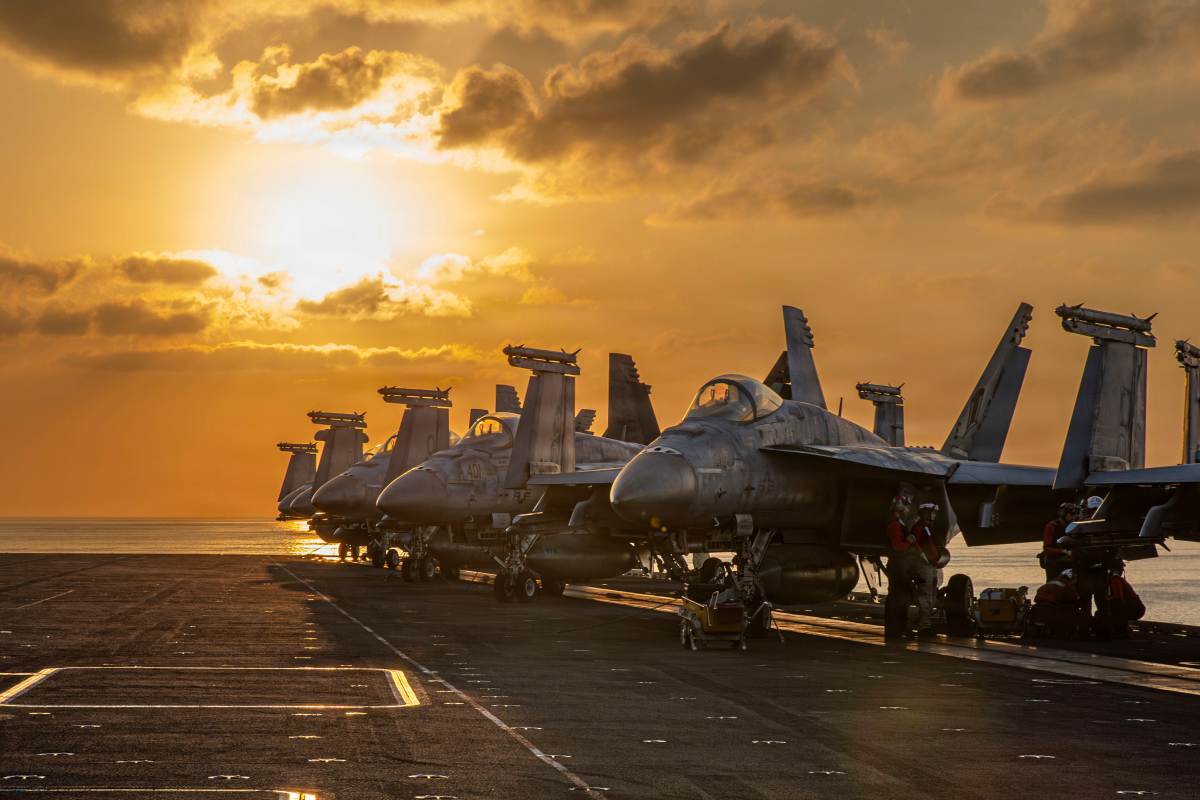
Despite the drawdown, the United States maintains tens of thousands of troops across Europe under NATO coordination, with Germany, Italy and Britain hosting the largest contingents.
Experts note that while Europe broadly agrees on the need to reduce dependence on the United States, divisions remain over how to achieve that goal, including the roles of NATO, EU institutions, and national militaries in shaping the continent’s future security architecture.