Tehran backs Friday accord signing, warns US trust remains ‘deep and unresolved’
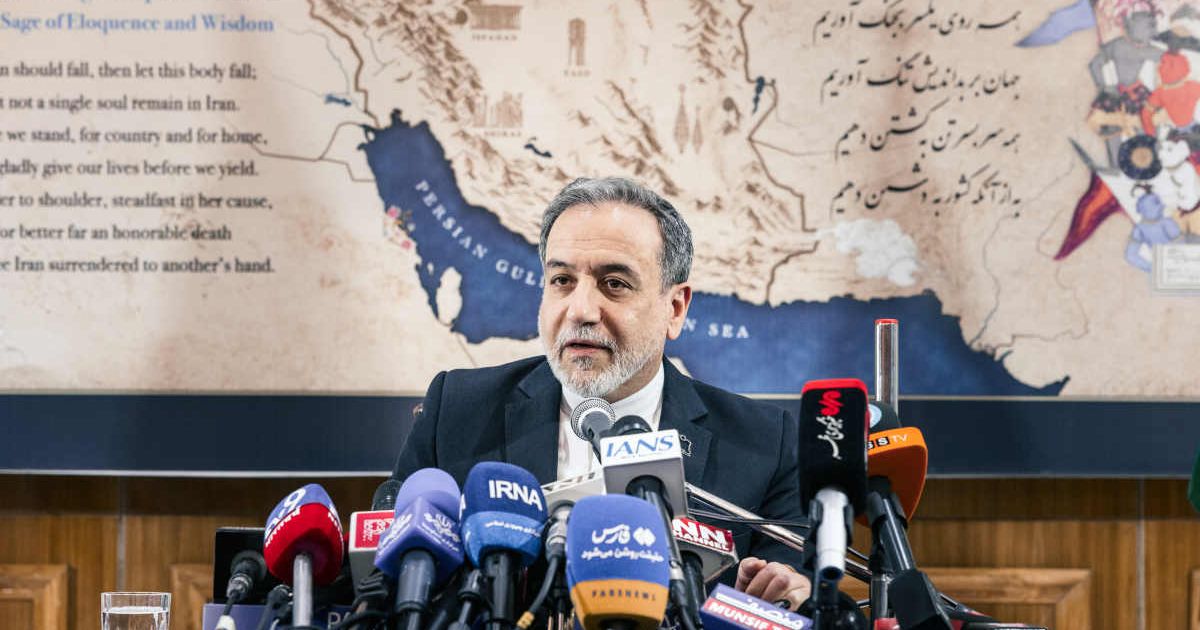
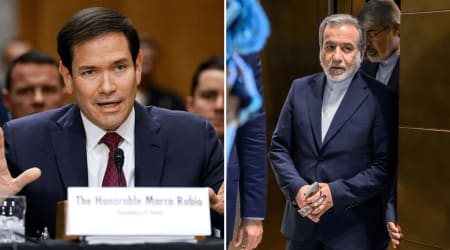
TEHRAN, IRAN: Iranian Foreign Minister Abbas Araghchi has offered the strongest confirmation yet that Tehran is actively preparing to sign a formal memorandum of understanding with the United States in Switzerland this Friday, June 19.
Speaking after a high-level session with the Iranian Parliament’s Economic Commission, Araghchi said the heads of the two diplomatic delegations are expected to meet for a bilateral summit to formally finalize the agreement, paving the way for the first round of comprehensive technical negotiations aimed at ending the 100-day war.
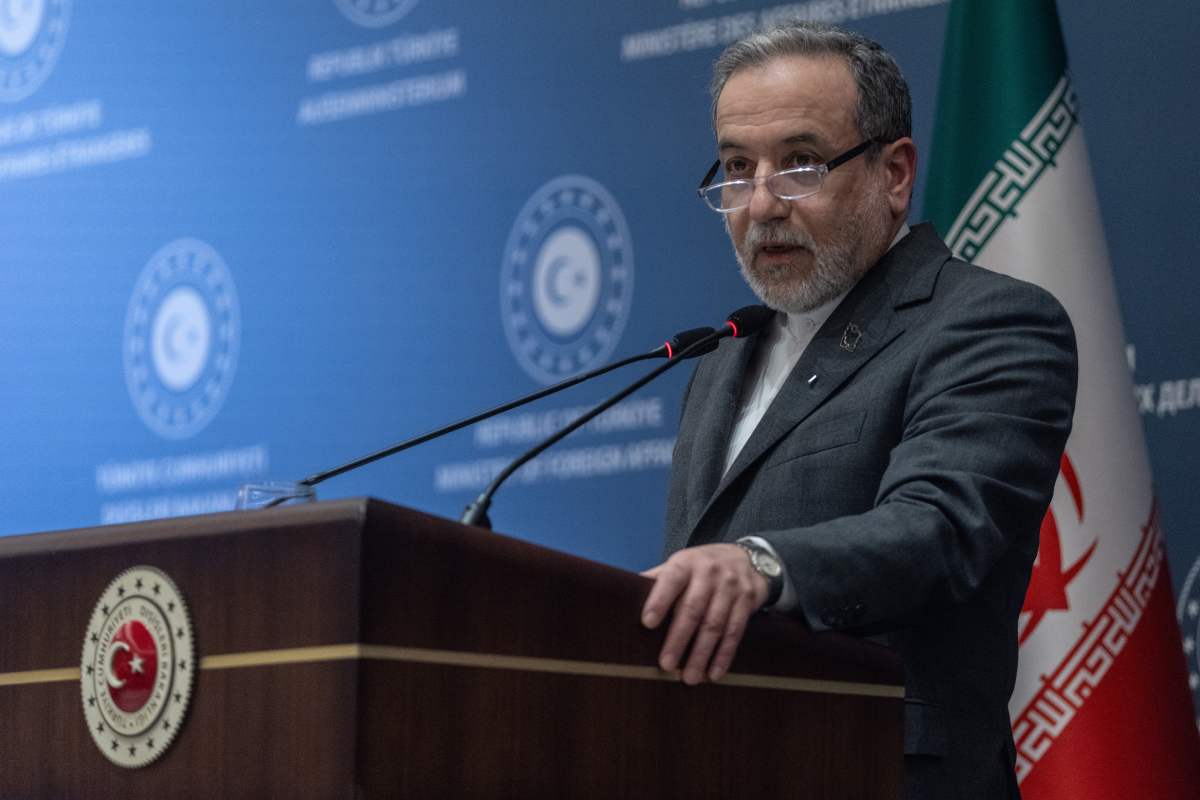
The unexpected scheduling announcement marks a dramatic shift from Tehran's intense public skepticism regarding Western timelines over the weekend.
However, the top diplomat balanced the sudden progress with a stern warning, insisting that decades of broken promises have left Iran deeply distrustful of Washington's true long-term intentions.
By framing the diplomatic breakthrough through a lens of profound caution, the Iranian leadership is making it clear that a willingness to advance the technical text does not equate to baseline confidence in the current administration.
Tehran designs a treaty around deep mistrust
"We have a history of broken promises, non-implementation and agreements being torn up," Araghchi declared, explicitly referencing Washington’s unilateral 2018 exit from the original nuclear pact.
He emphasized that Iranian negotiators are planning both the upcoming negotiation parameters and the long-term execution of the treaty on the structural basis of past breaches and previous experiences.
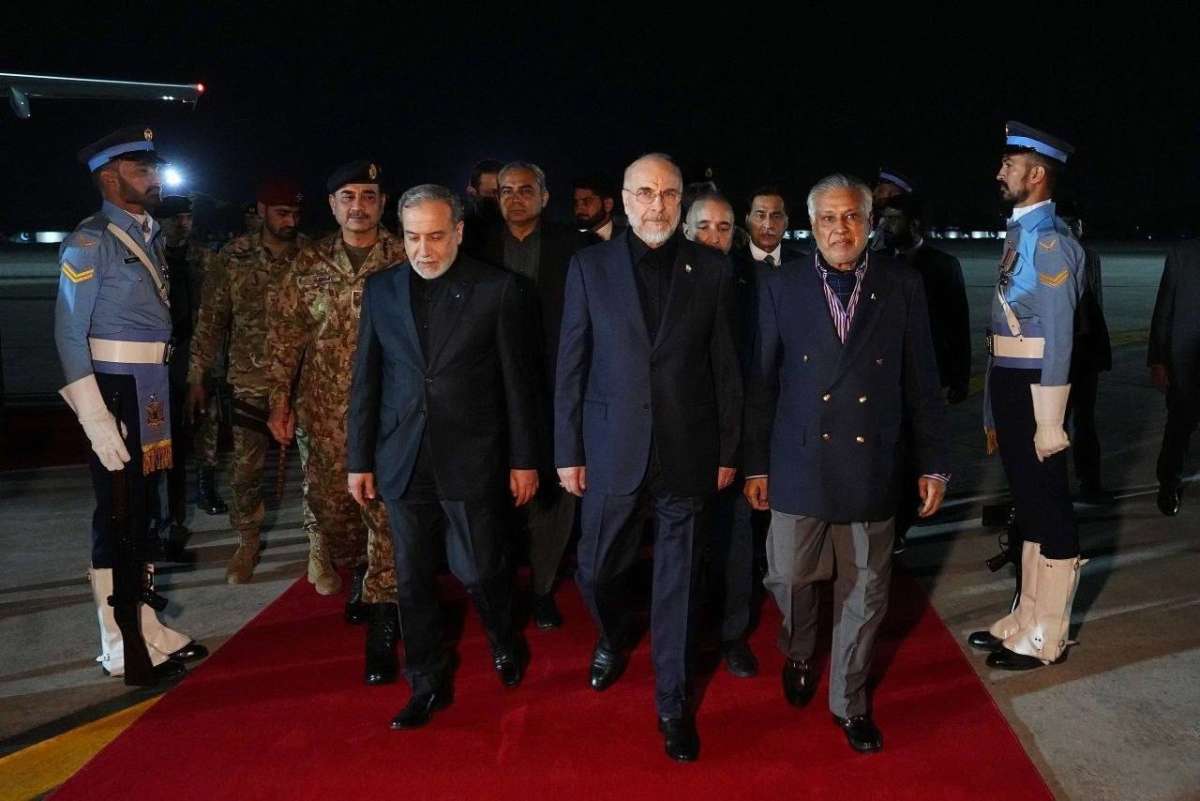
Araghchi acknowledged that while the pending framework may generate substantial commercial advantages for Iran, state planners are taking deliberate steps to isolate the domestic economy from foreign interference.
He cautioned municipal business sectors against creating any systemic dependence on agreements reached with Washington, vowing to maximize short-term trade access while methodically avoiding any strategic overreliance on Western compliance.
Speaker hails victory through resistance
The foreign ministry's cautious posturing coincides with an aggressive internal effort to frame the diplomatic transition as a total victory over American maritime leverage.
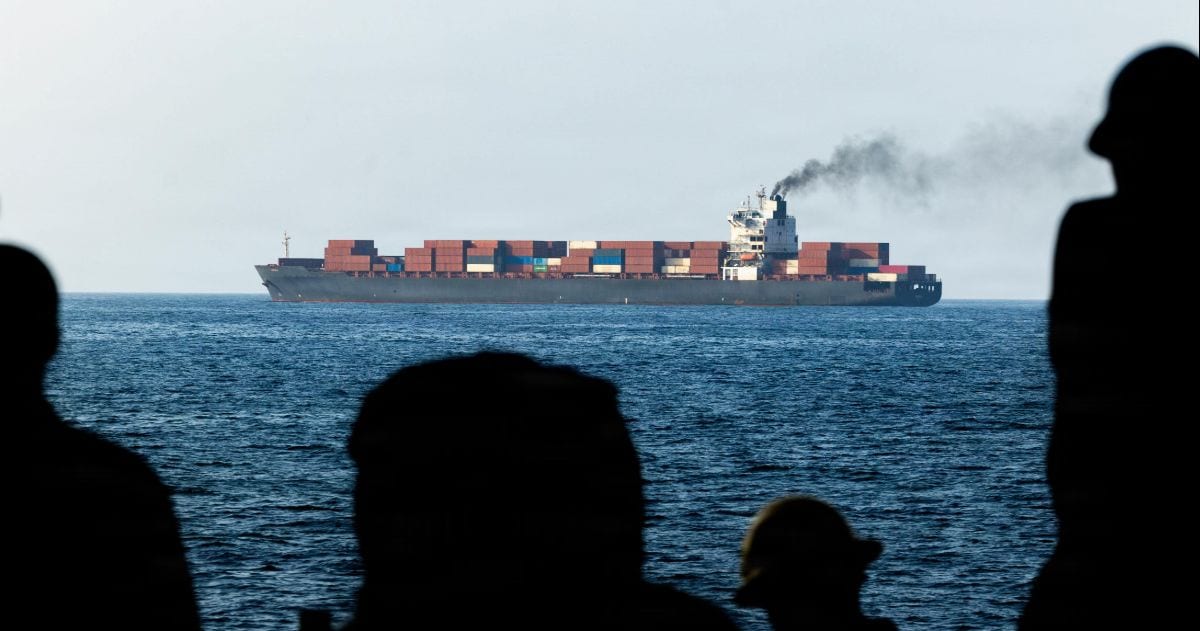
On Monday afternoon, Mohammad Bagher Ghalibaf, the powerful speaker of the Iranian parliament, issued an official statement claiming that the regime had successfully secured a historic triumph against the United States naval blockade.
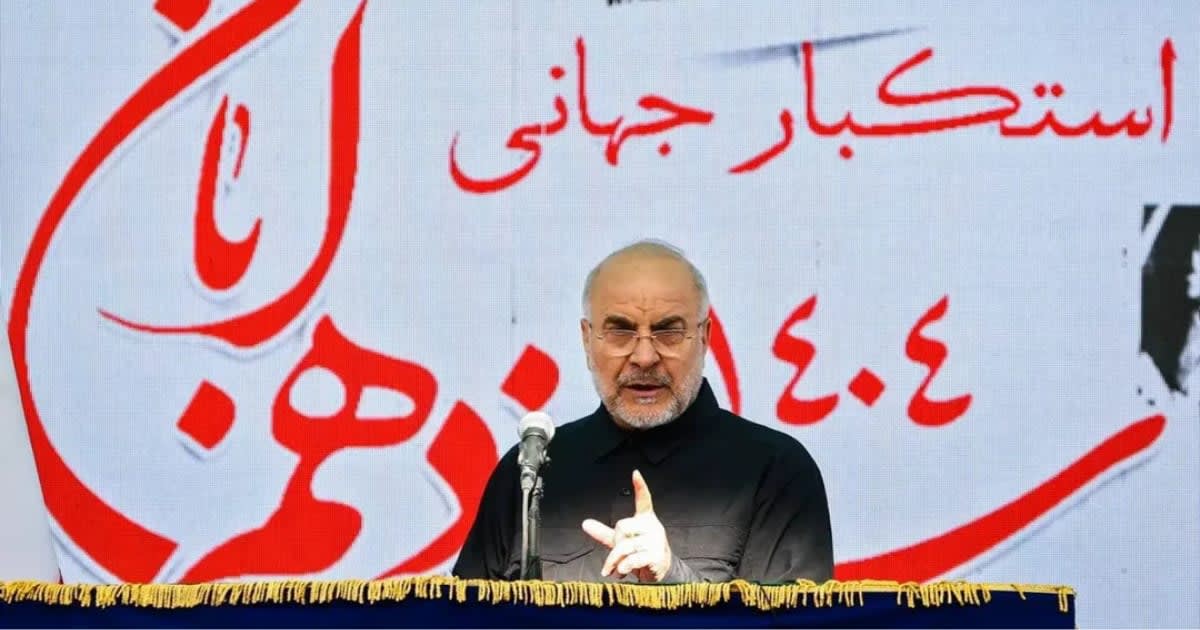
Addressing a domestic audience currently roiled by hardline street protests, Ghalibaf asserted that the pending Swiss breakthrough was earned entirely through the unwavering resilience of the civilian population and the structural bravery of the armed forces.
By projecting internal strength and framing the upcoming Geneva negotiations as a direct concession extracted from a desperate White House, Tehran's ruling elite is attempting to insulate itself from conservative domestic blowback while preparing to ease the economic constraints paralyzing its energy markets.