US rejects Iran strike claims as warships escort first ships through Hormuz
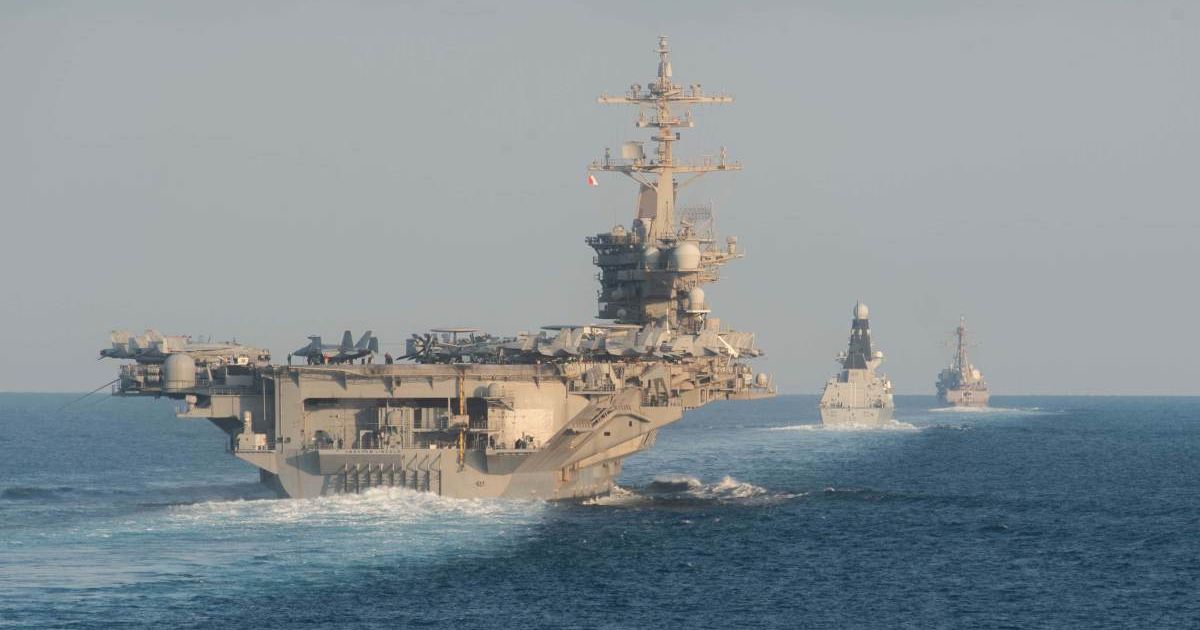
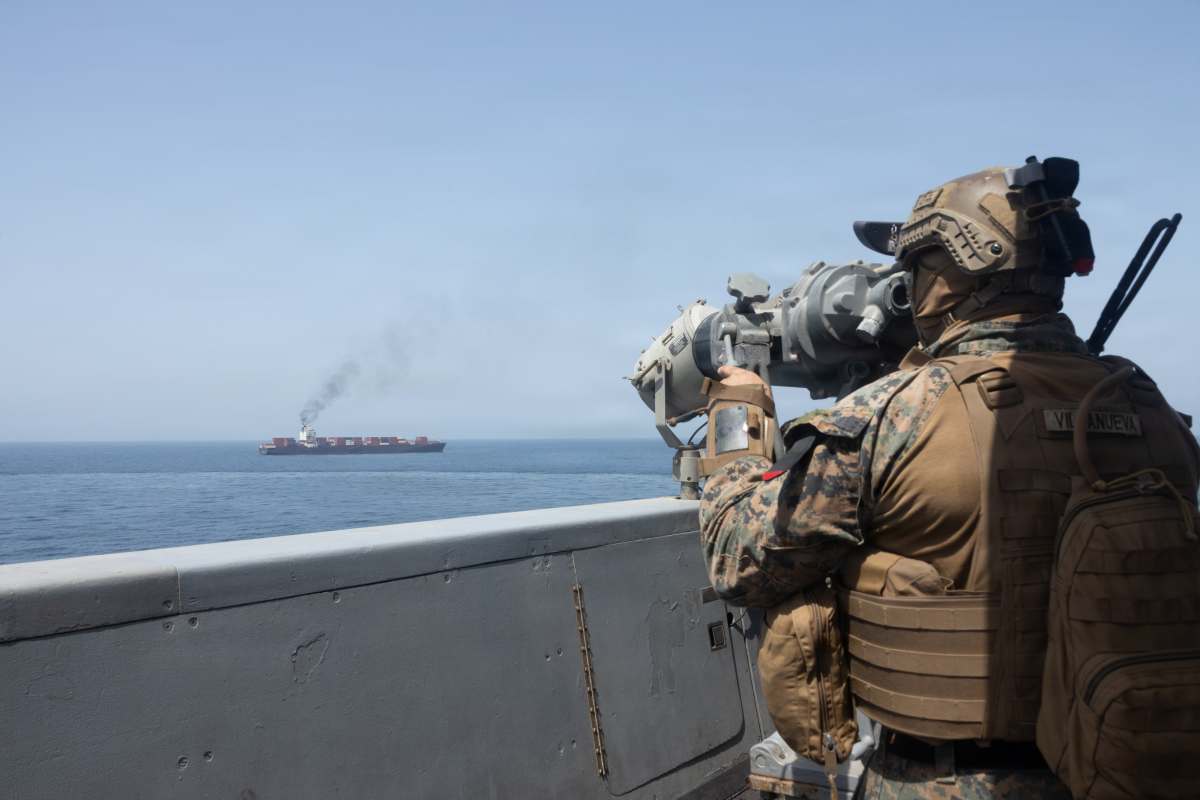
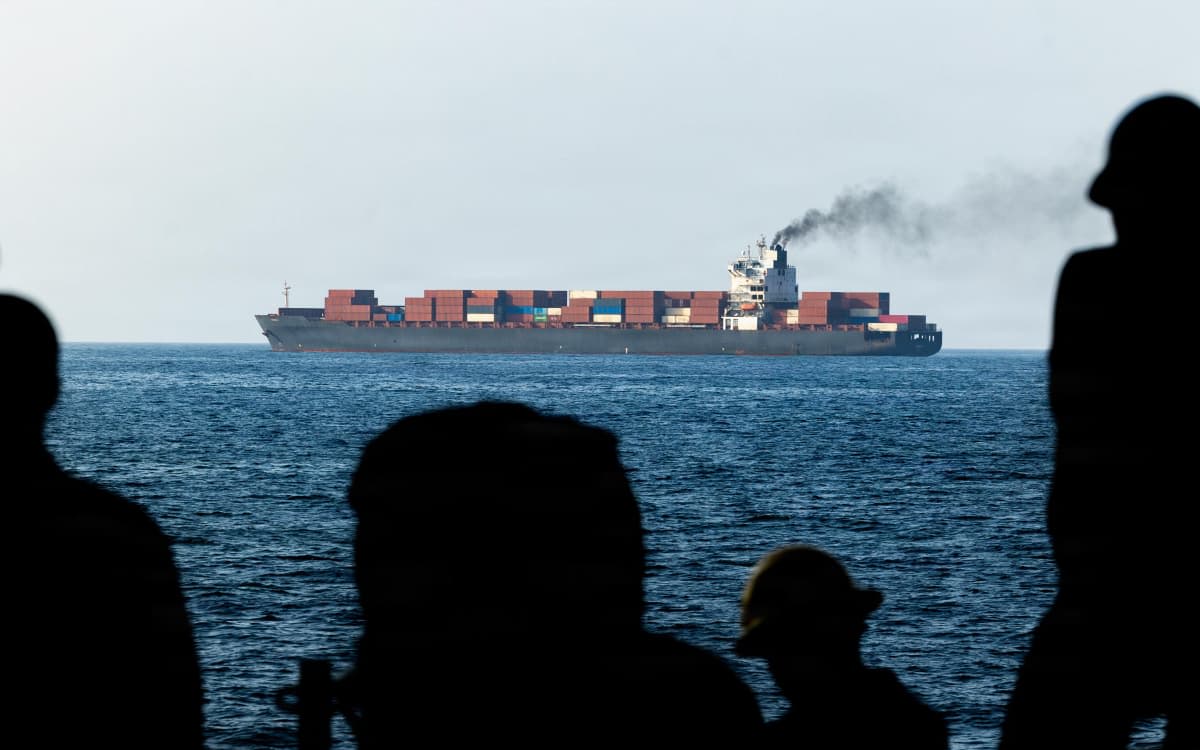
WASHINGTON, DC: The United States military on Monday rejected Iranian claims that it had struck an American warship near the Strait of Hormuz, even as the first commercial vessels began transiting the critical waterway under a new US-led escort mission.
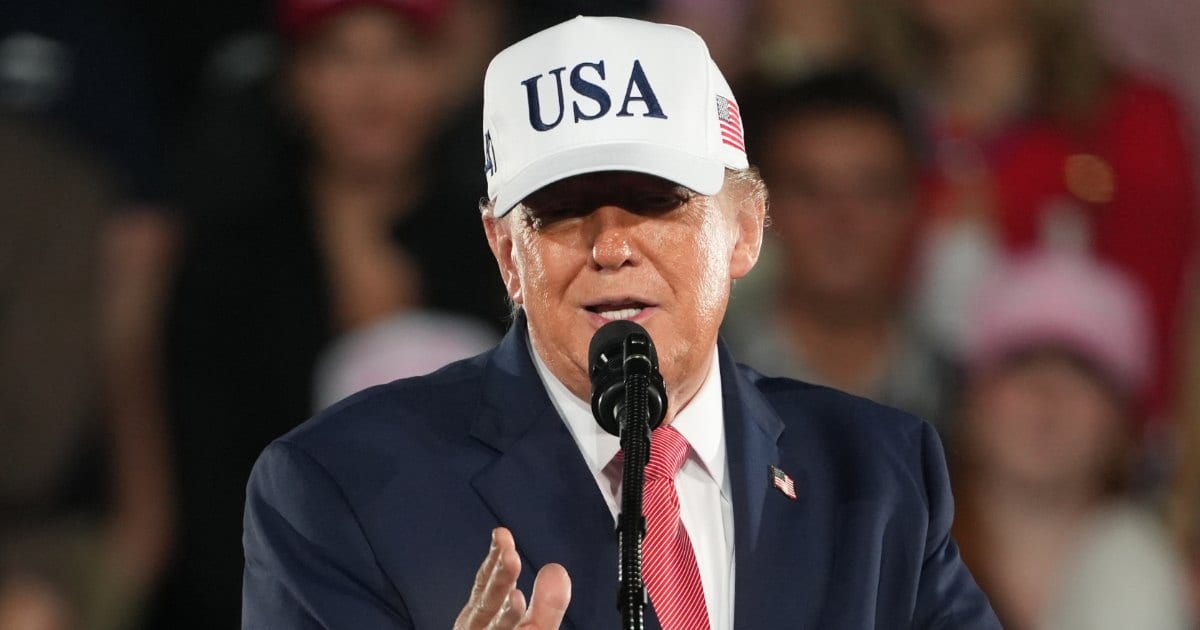
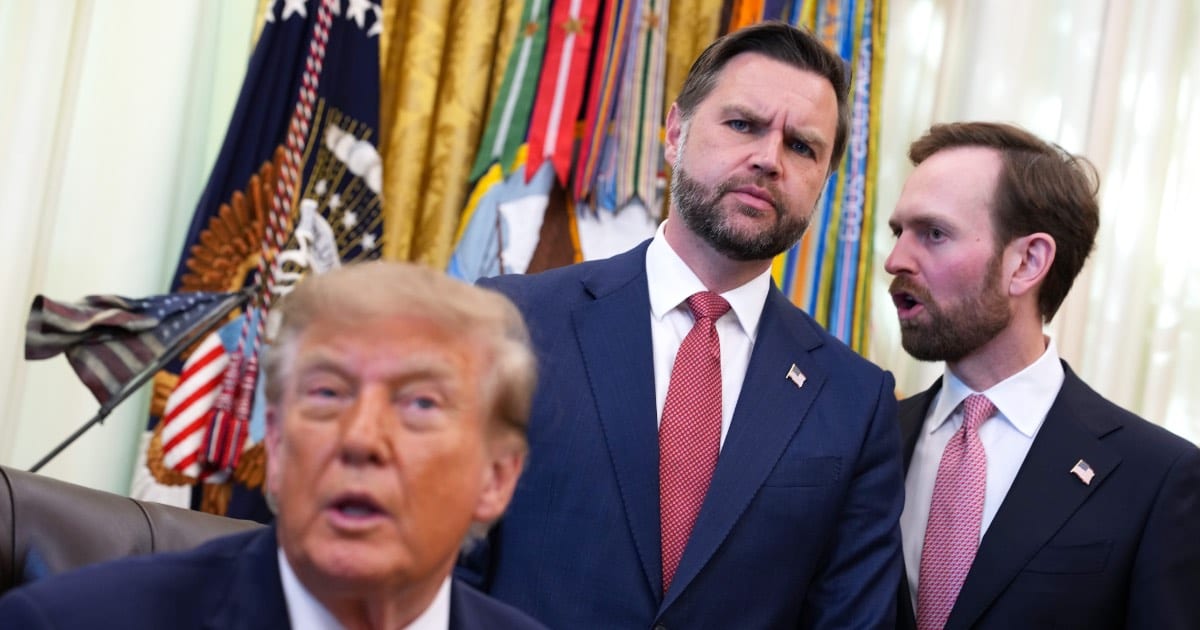
Donald Trump announced that American forces would step in to guide stranded ships through the chokepoint, where maritime traffic has been effectively frozen amid escalating tensions between Washington and Tehran.
The operation, dubbed “Project Freedom,” aims to restore the flow of global trade through one of the world’s most vital energy corridors.
US Central Command said no American naval assets had been hit, dismissing Iranian reports of missile strikes as false.
“No US Navy ships have been struck. US forces are supporting Project Freedom and enforcing the naval blockade on Iranian ports,” it said. Officials also confirmed that US-flagged merchant ships had completed an initial escorted transit through the strait.
Iran issues warning, claims control of strait
Iran responded with a series of aggressive statements and renewed warnings, signalling it would resist any attempt to undermine its influence over the strategic passage.
State media reported that Iranian forces had prevented a US destroyer from entering the strait and claimed missiles had struck near the vessel, assertions firmly denied by Washington.
Tehran also released a map outlining what it described as areas under its control, reinforcing its stance that all maritime movement must be coordinated with Iranian authorities.
“We warn that any foreign armed force, especially the aggressive military of America, attempting to approach or enter the Strait of Hormuz will be subjected to attack,” a senior Iranian military official said in remarks carried by state television.
Iran’s Revolutionary Guard echoed the threat, cautioning that any shipping activity outside its declared parameters would face “serious risks.”
Massive US deployment underway
The US operation involves a significant military buildup, including 15,000 personnel, guided-missile destroyers, more than 100 aircraft, and unmanned systems across multiple domains.
According to US officials, naval forces have already moved into the Arabian Gulf after transiting the strait, positioning themselves to escort commercial vessels.
The Joint Maritime Information Center said an “enhanced security area” had been established, advising ships to consider safer routes through Omani waters due to the risk of mines in traditional shipping lanes.
Trump described the mission as both strategic and humanitarian, noting that hundreds of vessels and thousands of seafarers have been stranded for weeks, many facing shortages of essential supplies.