Sen Adam Schiff pins 'both parties' for gutting war powers as Iran conflict runs without a vote
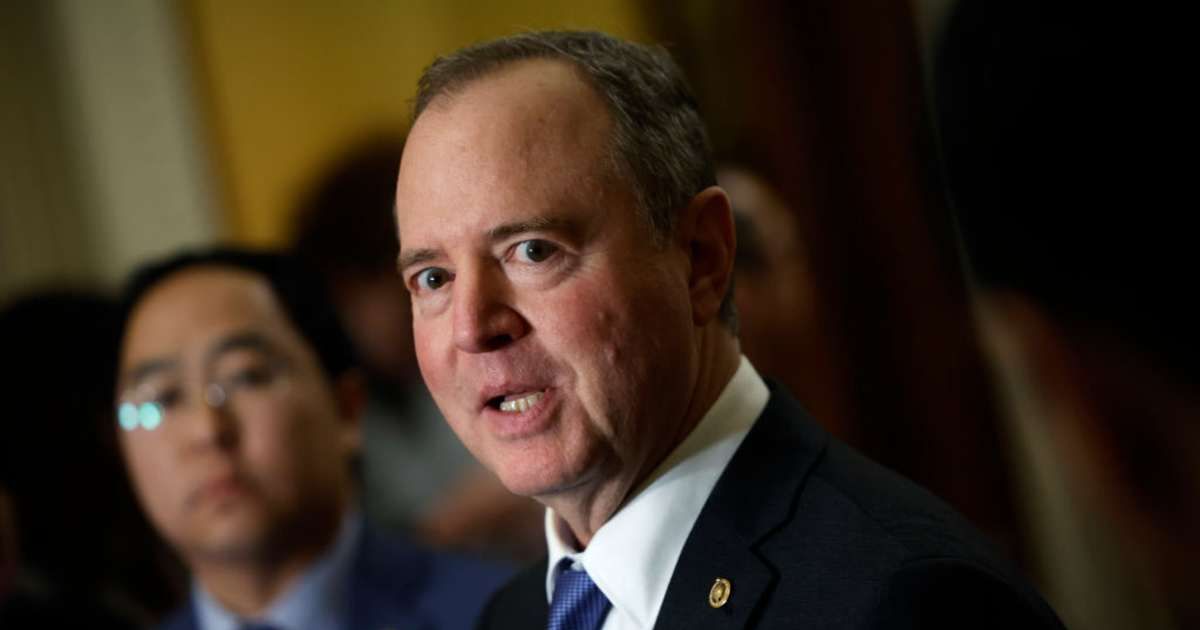
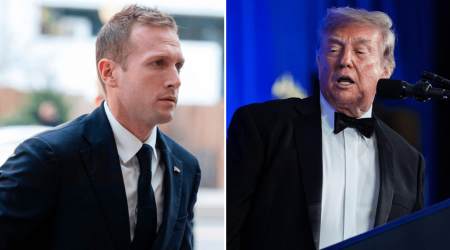
WASHINGTON, DC: Sen Adam Schiff acknowledged on Sunday, May 3, that lawmakers from both sides of the aisle shared responsibility for Congress steadily surrendering its constitutional authority over war decisions.
Schiff argued that the current US military engagement with Iran represented one of the clearest examples yet of executive overreach.
Senator .@SenAdamSchiff just admitted that multiple presidents have NOT gone to Congress for war authorization in the past…
— Erica 🇺🇸🇺🇸🇺🇸 (@EricaRN4USA) May 3, 2026
…yet President .@realDonaldTrump’s actions are a “clear violation” of the 1973 War Powers Act?
The hypocrisy is next-level.
Same rules for everyone… pic.twitter.com/ZXV9BEDwmF
Adam Schiff calls past mistake even bigger now
Appearing on NBC’s 'Meet the Press', Schiff said Congress had spent years failing to defend one of its most important constitutional responsibilities.
“Both parties have fallen down on the job in terms of asserting Congress’s war power,” Schiff said, adding that lawmakers had repeatedly allowed presidents from both parties to act militarily without meaningful congressional pushback.
Schiff said the pattern did not begin under President Donald Trump.
He pointed to actions taken under former President Barack Obama, recalling that he publicly objected when the Obama administration moved forward with military action in Libya without first seeking congressional authorization.
“I thought that was a mistake then,” Schiff said. “I think it’s an even bigger mistake now.”
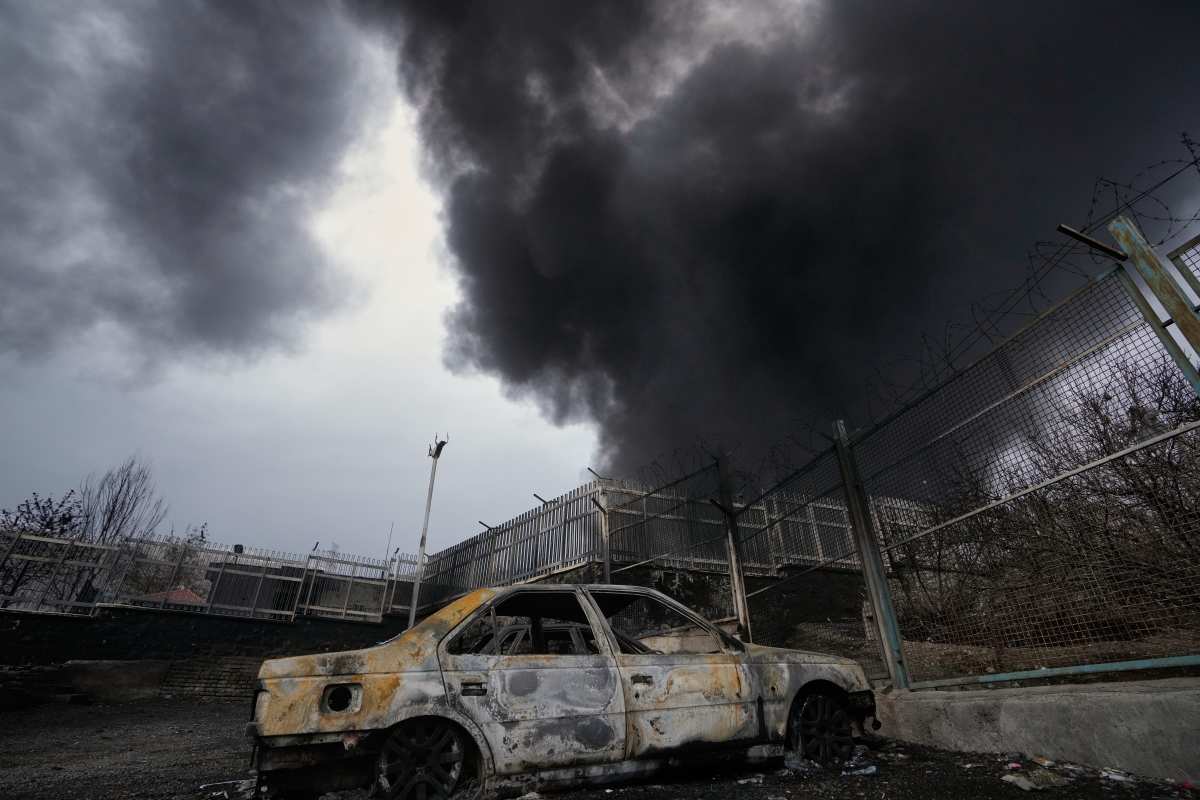
Adam Schiff calls Iran war 'a violation'
While admitting both parties helped create the current imbalance, Schiff argued that the present conflict with Iran goes further than previous disputes because, unlike past administrations that debated whether certain operations qualified as “hostilities,” he said the Trump administration has openly acknowledged the US is engaged in war.
According to Schiff, that makes the constitutional question even harder to ignore.
He called the current military campaign a “war of choice” and argued it should never have proceeded without congressional approval, saying the Constitution gives Congress, not the White House, the authority to authorize war except in cases of direct or imminent attack.
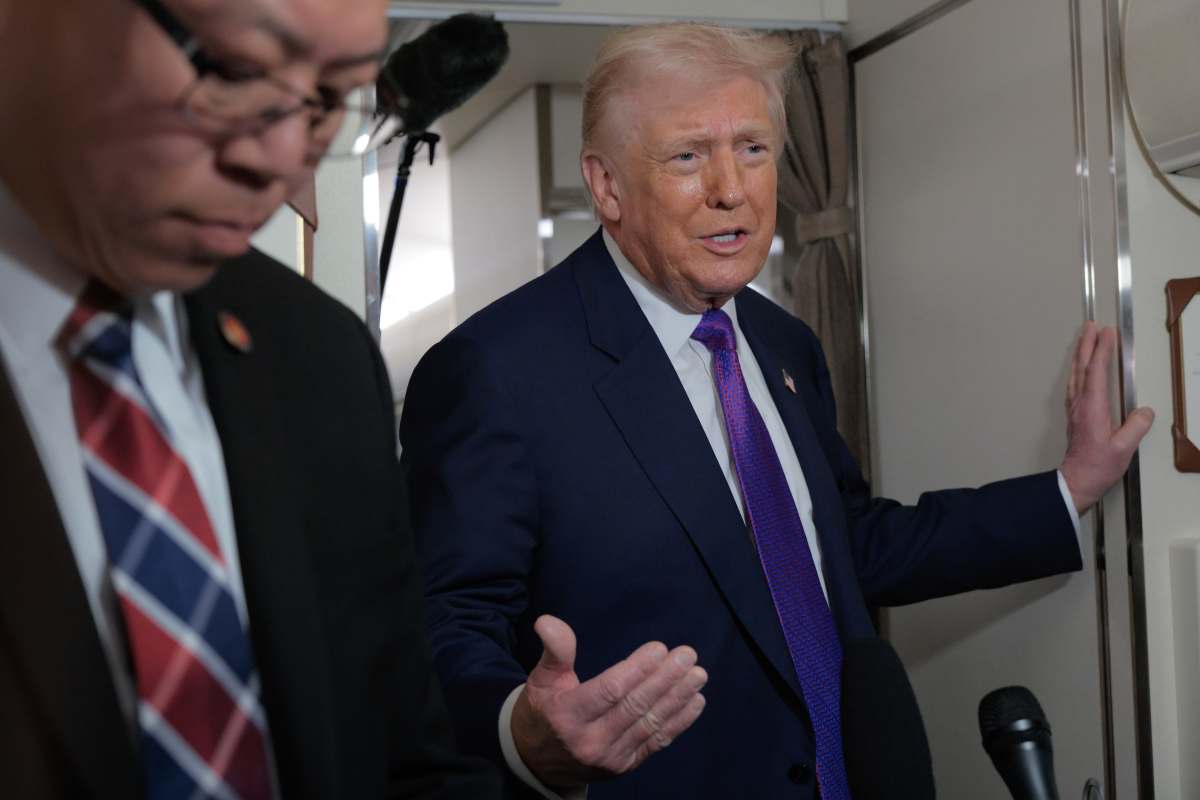
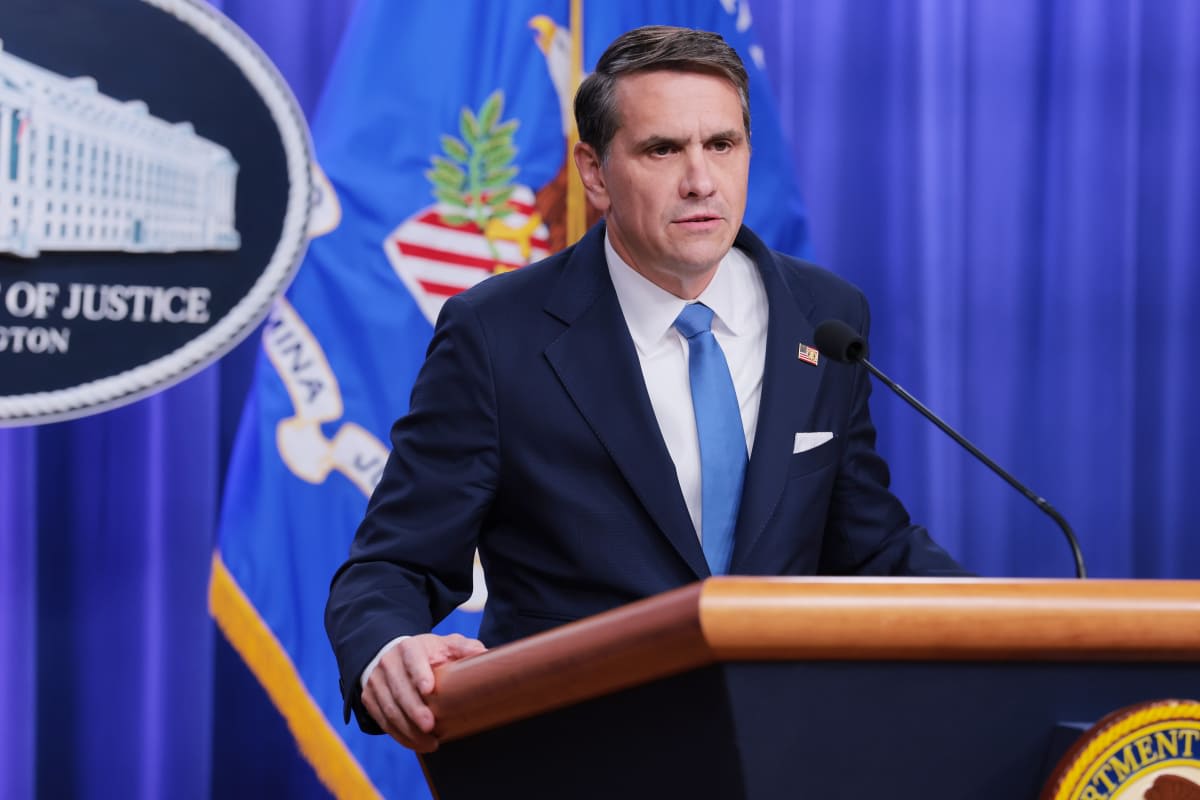
Schiff also directly challenged Acting Attorney General Todd Blanche, who earlier defended the administration’s handling of the conflict.
Schiff argued that the continued deployment of US naval forces near the Strait of Hormuz meant that the War Powers clock had not stopped.
“There is no exception for the US Navy to the War Powers Act,” Schiff said. “So what Mr Blanche said is absolutely wrong.”
The exchange comes as scrutiny grows over the Trump administration’s military campaign involving Iran, which began in late February and has since expanded into a regional standoff.
The administration has argued that temporary pauses in active bombing operations affect the legal timeline under the War Powers Act, while critics say the continued military presence keeps the law fully in effect.