Trump administration accelerates $8B arms package to Middle East under emergency declaration
US bypasses Congress to speed arms to Israel, Gulf allies amid Iran war
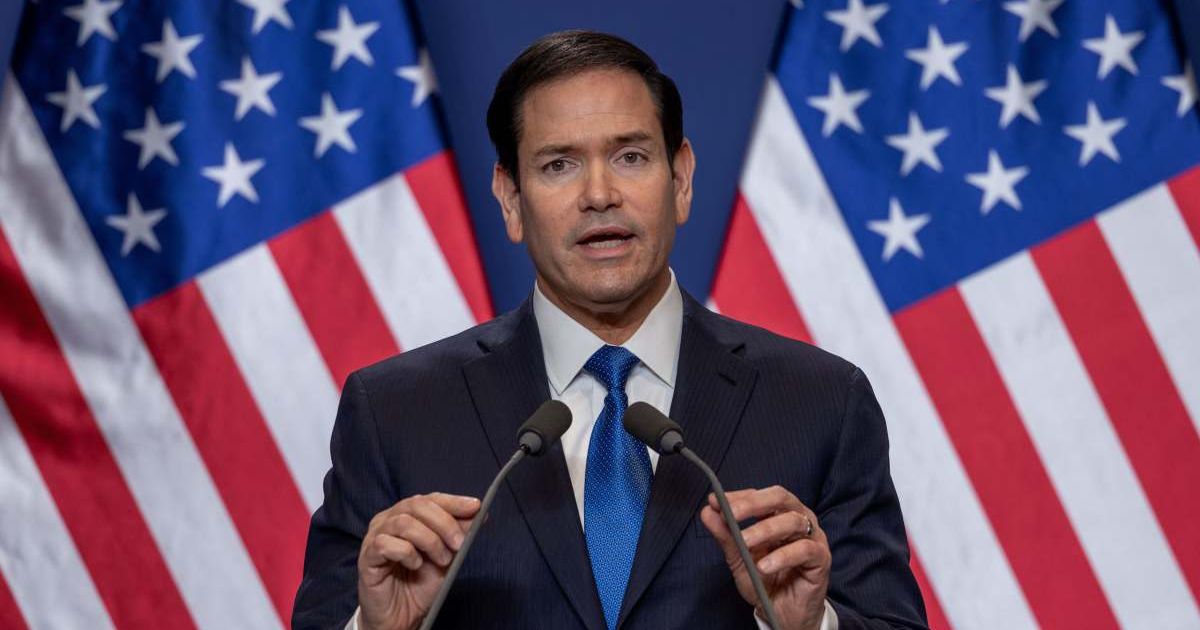
Secretary of State Marco Rubio addresses a joint press conference alongside Hungary’s Prime Minister Viktor Orbán in Budapest, February 16, 2026 (Photo by Janos Kummer/Getty Images)

WASHINGTON, DC: US President Donald Trump's administration has accelerated more than $8 billion worth of arms sales to key Middle Eastern allies, including Israel, Qatar, the United Arab Emirates and Kuwait, according to statements released by the State Department on Saturday, May 2.

The package spans a wide range of military hardware, from advanced air-defense systems destined for Kuwait and Qatar to laser-guided rockets earmarked for Qatar, the UAE and Israel.

The scale and speed of the approvals underscore Washington’s effort to reinforce regional partners as tensions linked to the Iran conflict continue to ripple across the Gulf.
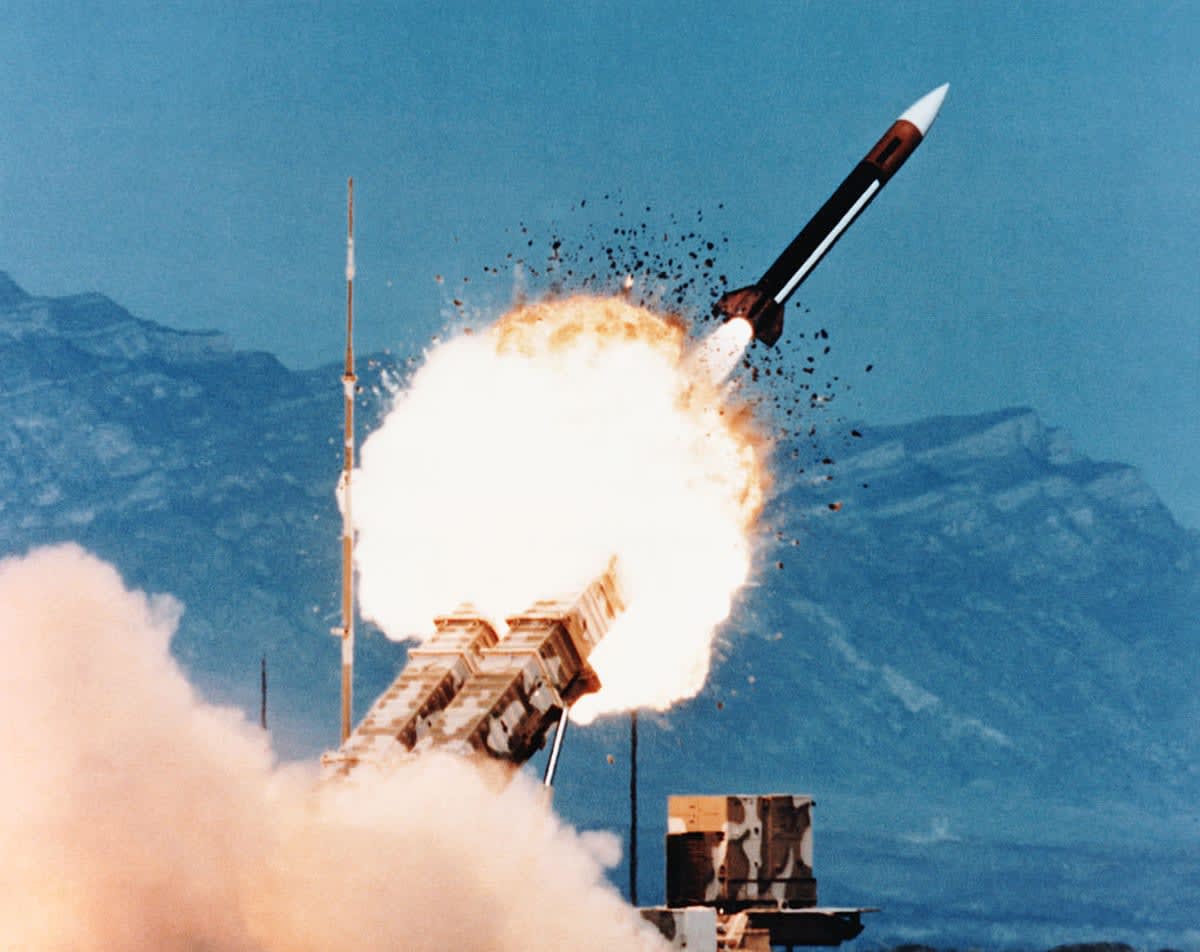
A Patriot missile is launched as part of the Patriot Air Defense System at White Sands Missile Range, New Mexico. (Photo by © CORBIS/Corbis via Getty Images)
A Patriot missile is launched as part of the Patriot Air Defense System at White Sands Missile Range, New Mexico (Photo by © CORBIS/Corbis via Getty Images)

Patriot missiles raise stockpile questions

Among the most notable elements of the deals are Patriot missile systems for Qatar, a move that comes even as US inventories of the high-demand air-defense system have reportedly been strained.

An April assessment by the Center for Strategic and International Studies indicated that American Patriot stockpiles had been significantly depleted after weeks of sustained military operations tied to the Iran war.

The decision to proceed with fresh transfers despite those constraints highlights the competing pressures facing Washington, maintaining its own readiness while bolstering allies confronting similar threats.
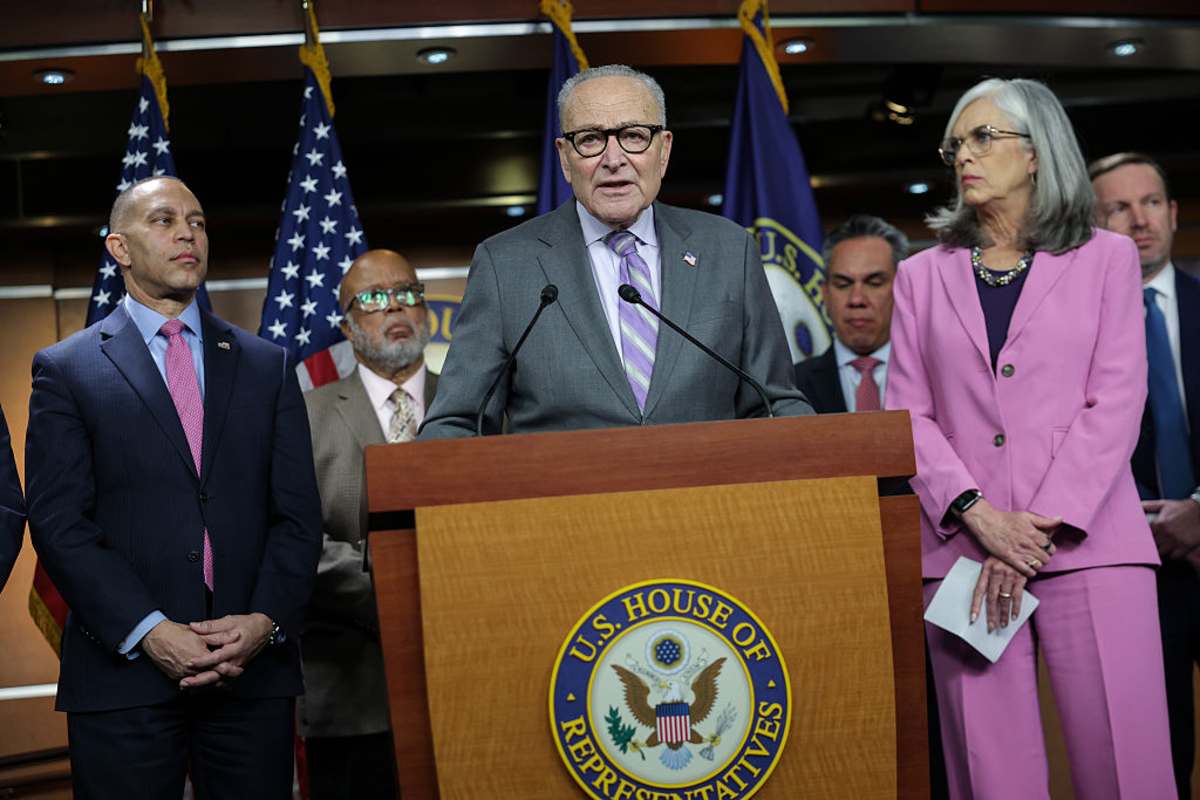
U.S. Senate Minority Leader Chuck Schumer (D-NY), joined by House Minority Leader Hakeem Jeffries (D-NY) and fellow congressional Democrats, speaks at a press conference on Department of Homeland Security (DHS) funding at the U.S. Capitol on February 04, 2026 in Washington, DC. The Democratic leadership outlined their demands for ICE accountability as Congress debates funding legislation for the DHS ahead of next week's deadline. (Photo by Kevin Dietsch/Getty Images)
US Senate Minority Leader Chuck Schumer (D-NY), joined by House Minority Leader Hakeem Jeffries (D-NY) and fellow congressional Democrats, speaks at a press conference on Department of Homeland Security (DHS) funding at the US Capitol on February 04, 2026, in Washington, DC (Kevin Dietsch/Getty Images)

Emergency powers used to bypass Congress

In each case, the State Department justified sidestepping congressional review by invoking emergency powers.

Secretary of State Marco Rubio determined that an urgent situation existed requiring the immediate sale of the weapons, according to official statements.

The use of such emergency provisions allows the administration to fast-track arms transfers without the customary scrutiny from lawmakers, a step that has drawn attention given the scale and frequency of these approvals in recent months.

This is not the first instance during the ongoing Iran crisis in which the administration has relied on emergency authority.

Officials argue that rapidly evolving security dynamics in the region necessitate swift action to ensure allied nations remain equipped to deter or respond to threats.
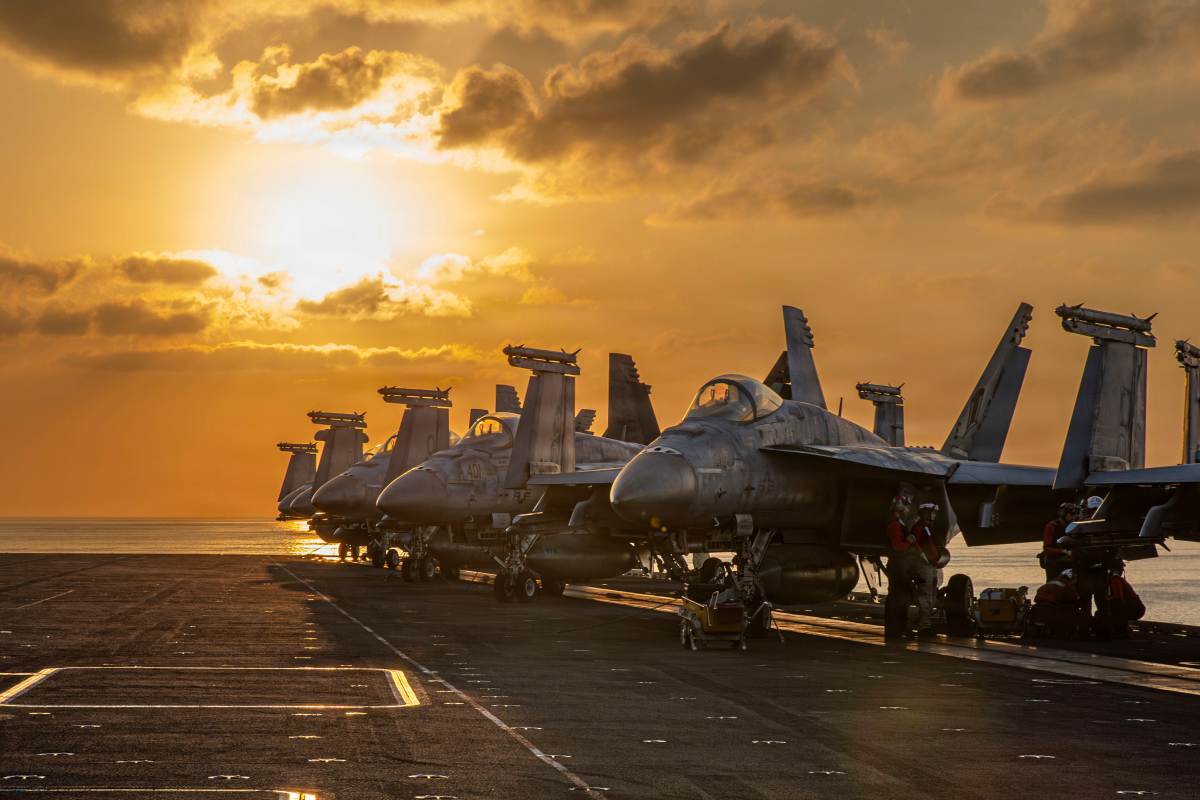
This image provided by U.S. Central Command shows aircraft on the flight deck of the USS Abraham Lincoln (CVN 72) that are operating in support of the war in Iran, on Tuesday, March 3, 2026. (U.S. Navy via AP)
This image provided by US Central Command shows aircraft on the flight deck of the USS Abraham Lincoln (CVN 72) that are operating in support of the war in Iran on Tuesday, March 3, 2026 (U.S. Navy via AP)

Pattern of accelerated arms deals since Iran war

The latest approvals follow a series of similar moves since the outbreak of hostilities with Iran.

In early March, the State Department invoked emergency powers to push through the immediate sale of 12,000 bombs to Israel.

Later that same month, Rubio again cited an emergency to expedite a multibillion-dollar package for the UAE and Kuwait, alongside aircraft and munitions support for Jordan.

RELATED TOPICS US STRIKES IRAN

GET BREAKING U.S. NEWS & POLITICAL UPDATES
STRAIGHT TO YOUR INBOX.

MORE STORIES

'This death threat against Trump is unacceptable', Rankin said, questioning whether the elected leader was unaware of events or fueling violence
55 minutes ago
Armed Services chairs say Germany troop cut undermines NATO, sends wrong signal
1 hour ago
'I'm trying to put a mirror up to Donald Trump and I think it's important, with a sense of humor as well', Newsom said
2 hours ago
Iran signals renewed conflict risk as Trump doubles down on Hormuz blockade
2 hours ago
Lawmakers erupted after a three-judge panel reversed federal policy and reinstated in-person abortion pill mandates
3 hours ago
Rep Chip Roy warned of a $39 trillion 'ticking time bomb' as new data showed federal debt hit a historic ratio not seen since 1946
4 hours ago
Leaders warn of transatlantic rift as US withdraws 5,000 troops amid Iran, NATO tensions
4 hours ago
The US administration has consistently maintained that it will not end the war without a deal ensuring Iran never develops nuclear weapons
5 hours ago
Anna Paulina Luna questioned the integrity of the initial investigation, noting it took place under then-President Joe Biden and involved the FBI
9 hours ago
Donald Trump claimed he was 'the only president to take a cognitive test,' adding that he underwent three separate evaluations and 'aced all of them'
10 hours ago