Trump’s Iran war faces broad public backlash as economic pressures mount, poll finds
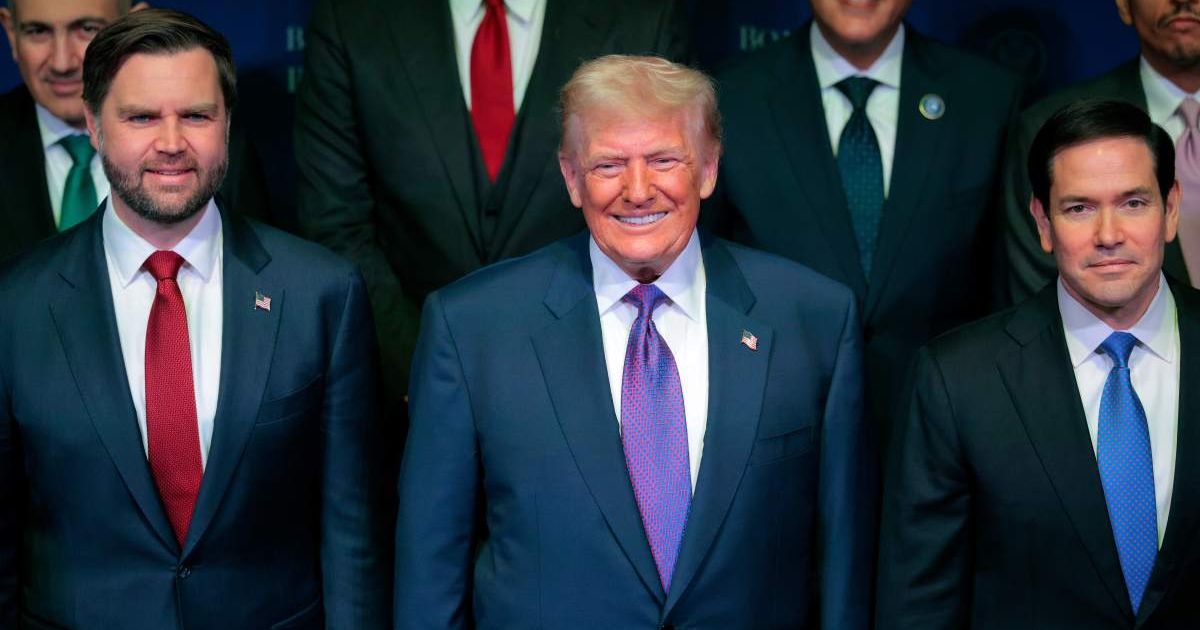
WASHINGTON, DC: A majority of Americans believe the United States’ military action against Iran was a mistake, according to a new Washington Post-ABC News-Ipsos poll released Friday, underscoring growing public skepticism over the conflict as it enters its third month.
The survey found that 61% of respondents disapproved of the decision to use force, while support remained sharply divided along party lines.
The findings come as President Donald Trump continues to defend the military campaign, while negotiations with Tehran remain unresolved and economic pressures tied to the conflict continue to mount.
Public opposition grows, divide widens
The poll found that six in ten Americans now view the military action against Iran as a mistake, placing public opposition at levels comparable to the Iraq War in 2006 and the Vietnam War in the early 1970s.
The data showed strong opposition among Democrats, with roughly nine in ten saying the war was a mistake, while 71% of independents shared that view.
Republicans, however, largely backed the administration’s decision, with 79% saying the military action was justified.
Among Republican-leaning independents, opinion was more divided, reflecting broader uncertainty over the long-term direction of the conflict.
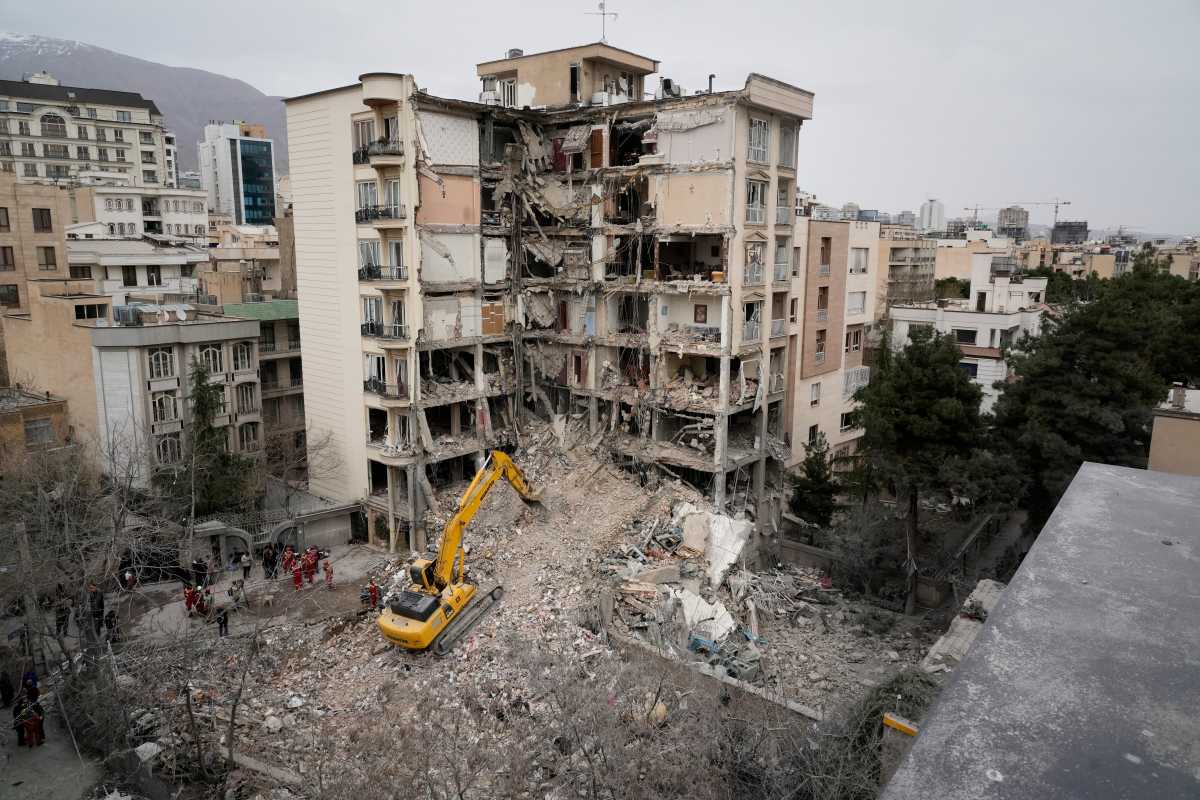
The survey also found limited confidence in the operation’s success.
Fewer than two in ten Americans said the military action had been successful so far, while about four in ten called it unsuccessful.
Another four in ten respondents said it was too early to determine the outcome.
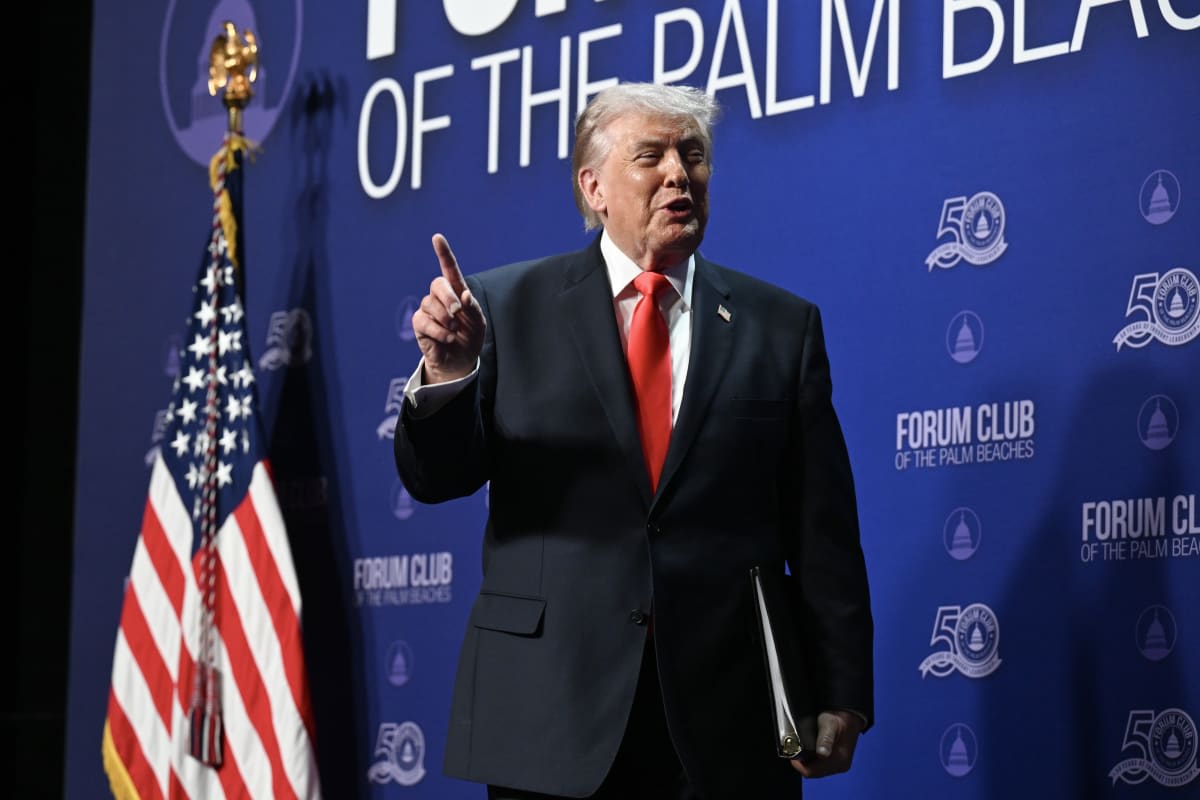
The divide extends to how Americans believe the US should proceed.
Forty-eight percent of respondents said Washington should seek a peace agreement with Iran, even if it results in a less favorable deal for the United States.
Meanwhile, 46% said the administration should continue pressing for stronger terms, even if that means resuming military operations.
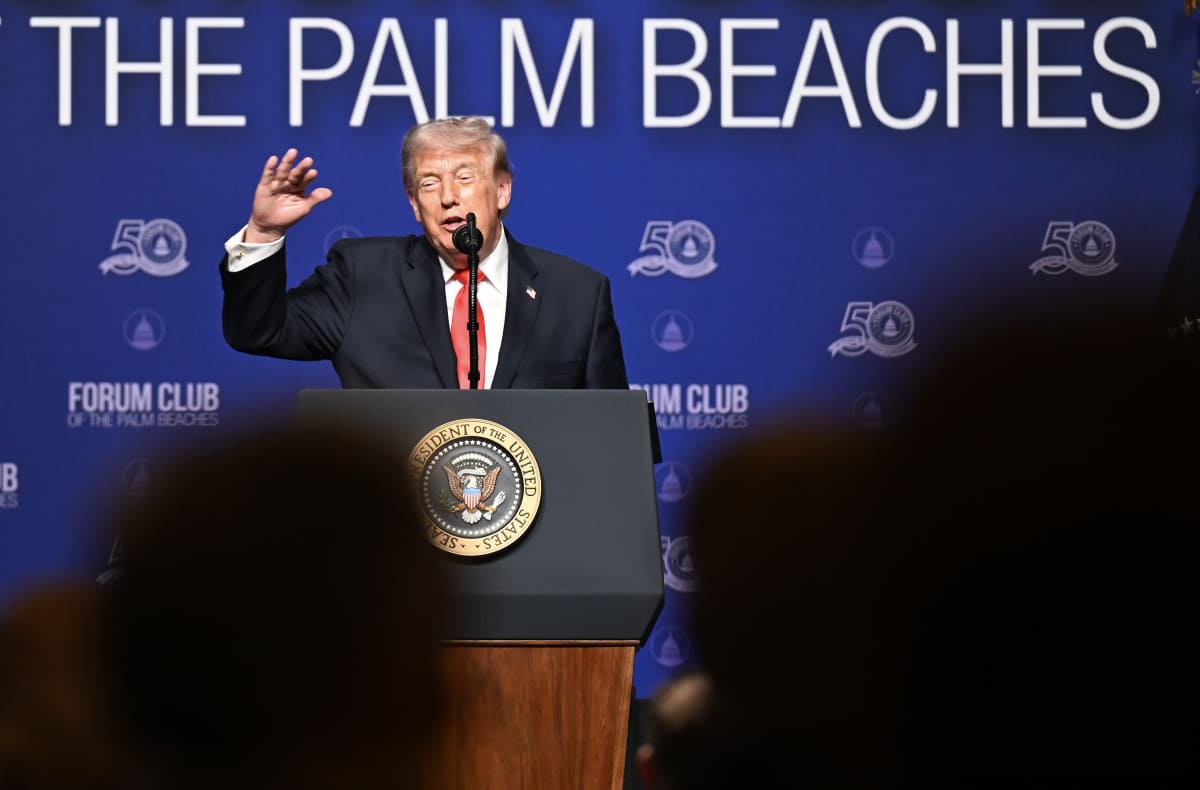
Trump has continued to insist that a deal remains possible, saying on Thursday, April 30, “Iran is dying to make a deal. I can only tell you that. They cannot be nuclear.”
Economic fallout, war fatigue, shape public sentiment
Beyond military concerns, the poll highlighted growing economic anxiety linked to the conflict.
Sixty percent of respondents said they believe the war has increased the risk of a US recession, while many reported changing spending habits because of rising fuel costs.
The survey found that 44% of Americans said they had reduced driving because of higher gas prices, while 42% said they had cut household expenses.
Another 34% reported changing travel or vacation plans.
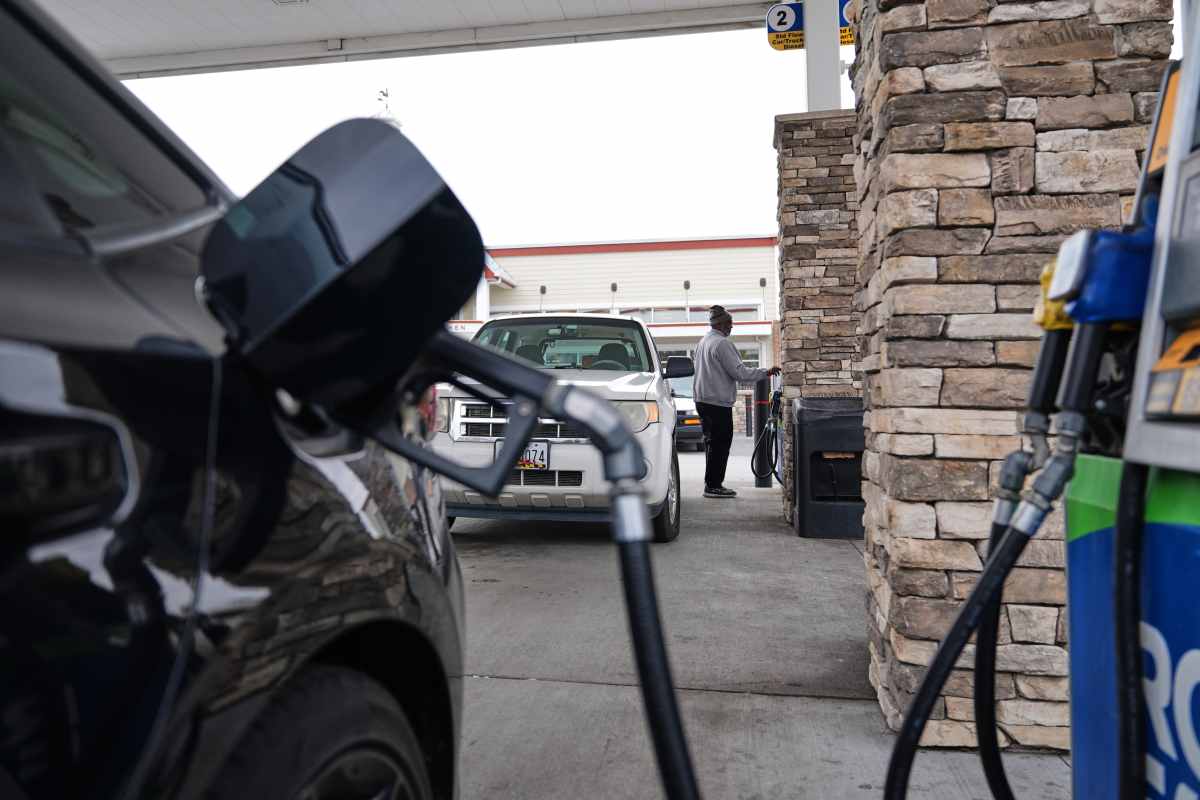
Half of those surveyed said they expect gas prices to rise further over the next year, while only 21% expect conditions to improve.
Financial pressure also appears to be increasing.
About 23% of respondents said they are falling behind financially, up from 17% in February, while 52% said they were only maintaining their current standard of living.
The poll also showed skepticism over the broader goal of preventing Iran from developing nuclear weapons.
A majority of respondents said they lacked confidence that any eventual agreement would successfully stop Iran’s nuclear ambitions.
Trump has acknowledged economic consequences tied to the war, saying this week, “We have to put out a fire.”