Trump raises EU auto tariffs to 25%, accuses European Union of breaking trade agreement
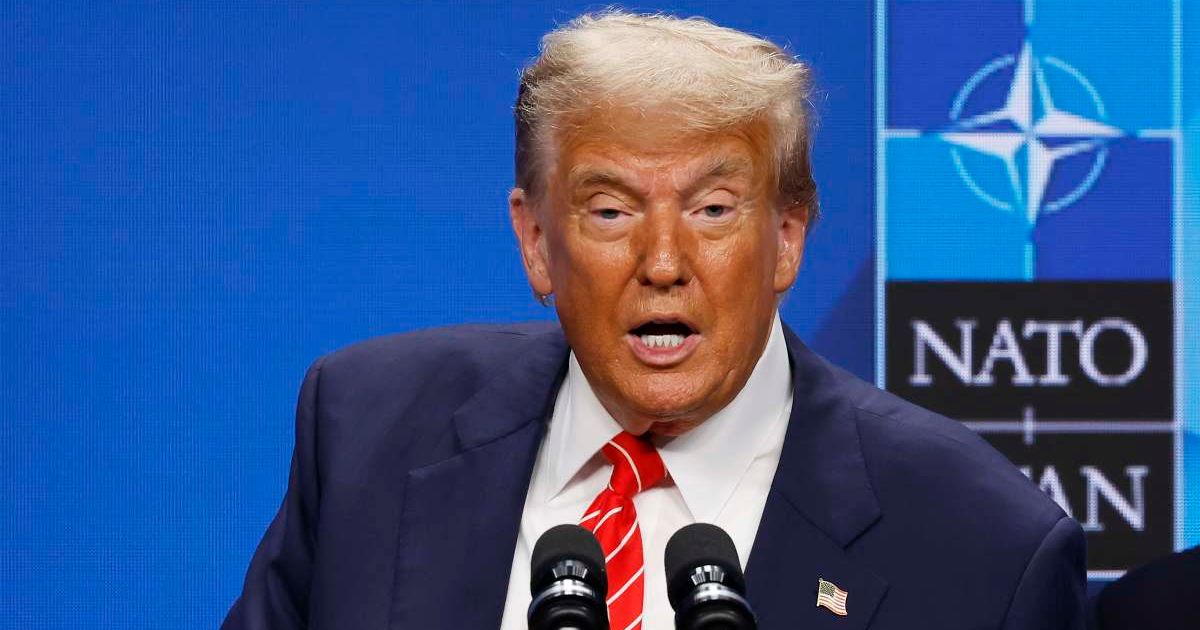
WASHINGTON, DC: President Donald Trump said on Friday, May 1, that his administration will raise tariffs on cars and trucks imported from the European Union to 25% next week, accusing the bloc of failing to comply with a previously agreed trade framework.
The announcement marks a sharp escalation in trade tensions between Washington and Brussels and reverses tariff reductions established under the US-EU trade agreement signed last year.
Trump made the announcement, saying the higher tariff rate would apply to vehicles entering the United States from the EU, while vehicles manufactured at American plants would remain exempt.

Trump cites trade deal and pushes domestic manufacturing
In his post, Trump said the tariff increase was directly tied to what he described as the European Union’s failure to comply with the bilateral trade agreement finalized in August 2025.
“I am pleased to announce that, based on the fact that the European Union is not complying with our fully agreed to Trade Deal, next week I will be increasing Tariffs charged to the European Union for Cars and Trucks coming into the United States,” Trump wrote. “The Tariff will be increased to 25%”
Trump added that automakers manufacturing vehicles within the United States would not face the higher duties.
“It is fully understood and agreed that, if they produce Cars and Trucks in the USA Plants, there will be NO TARIFF,” he said.
The president also pointed to domestic investment in manufacturing, stating that more than $100 billion is currently being invested in new automobile and truck plants across the country.
He described the level of investment as unprecedented and said those facilities would create jobs for American workers in the coming months.
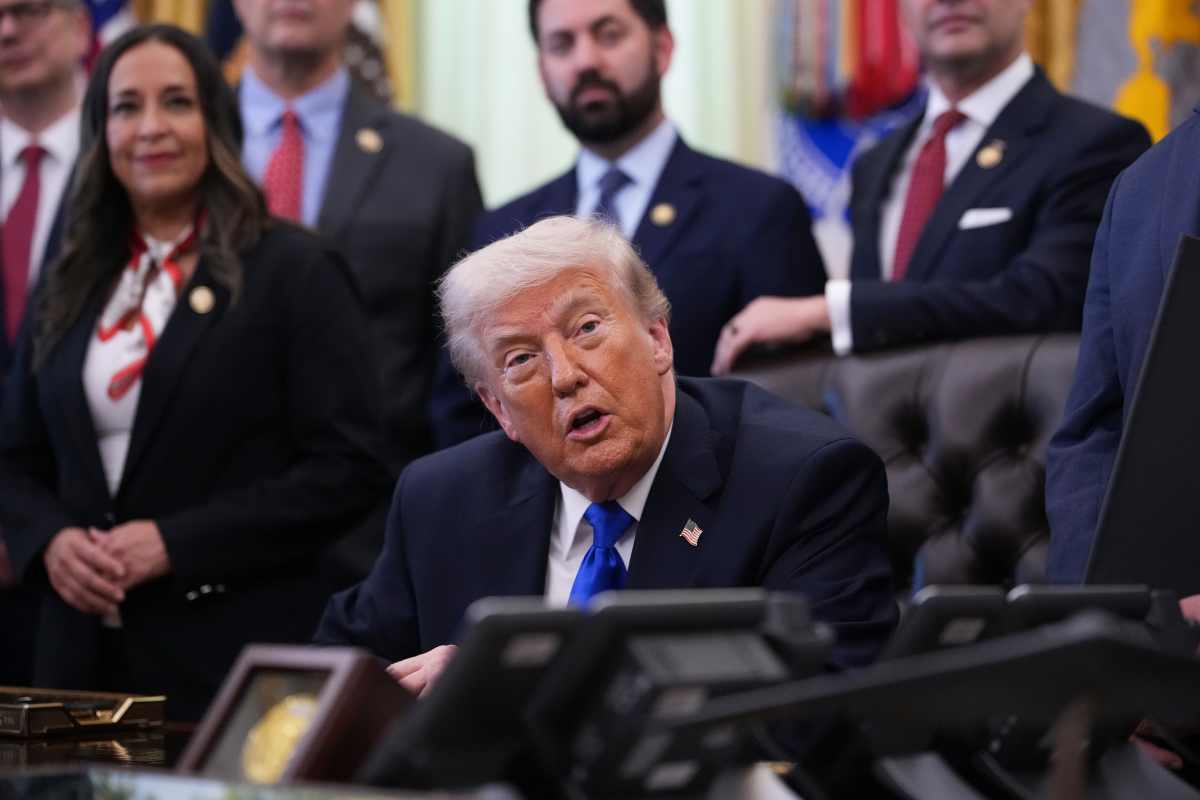
The tariff move effectively rolls back the 15% tariff rate established under the US-EU trade framework announced in July and formalized in August 2025. That deal had reduced the earlier 25% tariff level imposed under Section 232 national security measures.
EU automakers face renewed uncertainty as trade tensions rise
The proposed tariff increase is expected to affect several major European automakers, particularly German manufacturers that rely heavily on US exports.
German brands, including Volkswagen, BMW and Mercedes-Benz, remain among the largest EU vehicle exporters to the American market.
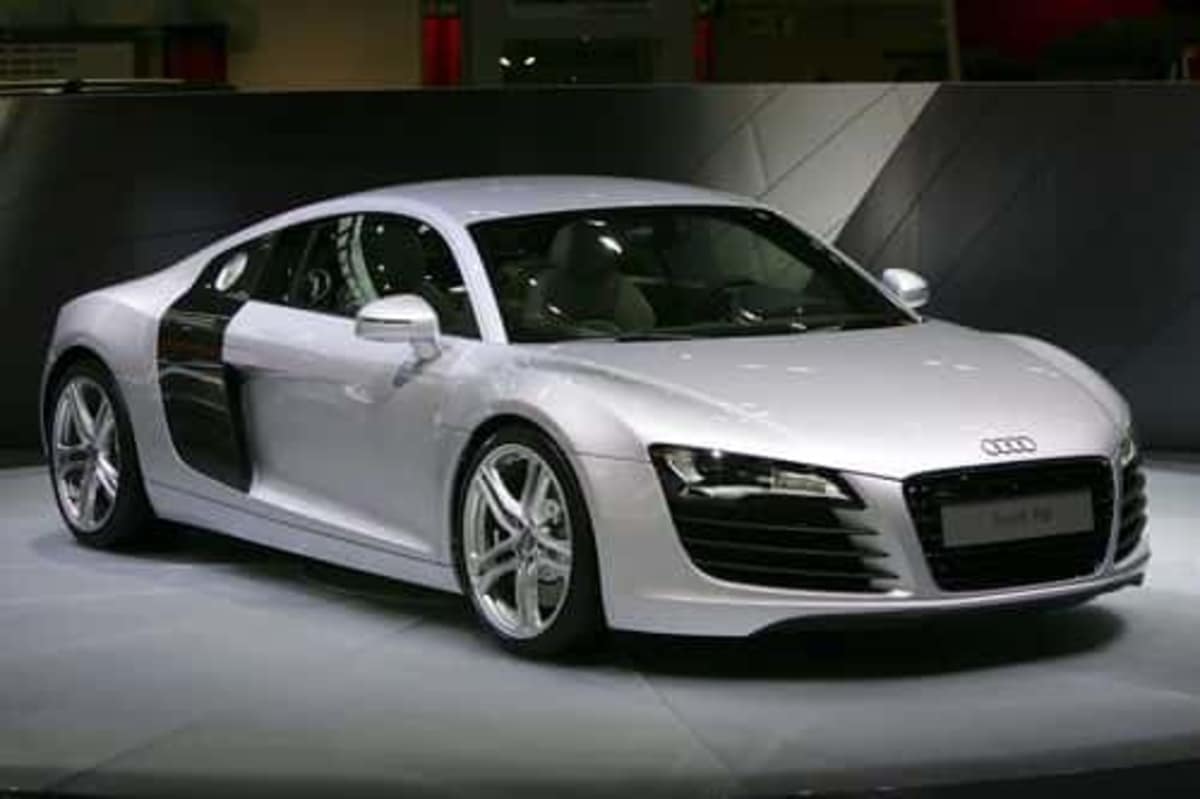
Industry figures show that the United States accounted for roughly 22% of the EU’s automotive exports in 2024, making it one of Europe’s most important overseas markets.
Luxury automakers such as Porsche and Audi may face additional pressure because much of their US-bound inventory is assembled outside the United States.
Companies with existing US production facilities, however, may be less affected under Trump’s exemption for domestically assembled vehicles.

The White House has not specified what specific compliance failures led to the tariff escalation, and the European Commission had not issued an immediate response.
The move also raises the possibility of retaliatory tariffs from the EU, as Brussels has previously responded to US tariff measures with duties on American goods.
Analysts say renewed tariffs could impact pricing, supply chains and consumer costs on both sides of the Atlantic.