Iran put Hormuz on the table and Trump said the terms are things he 'can't agree to'
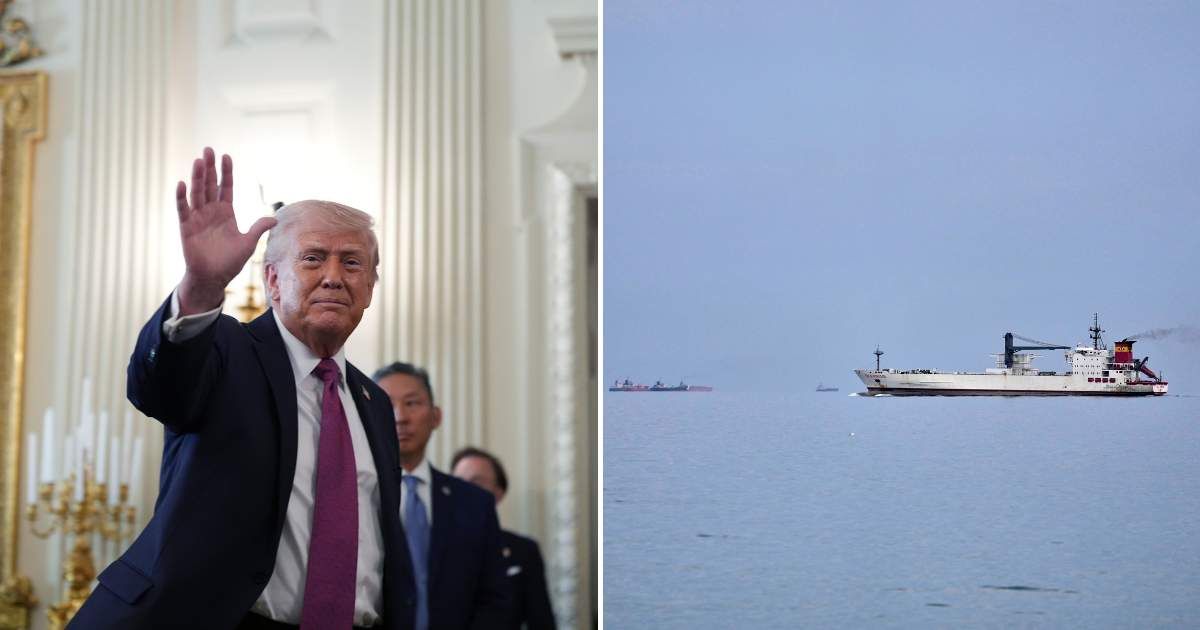
The US administration has consistently maintained that it will not end the war without a deal ensuring Iran never develops nuclear weapons
An Iranian proposal rejected by President Donald Trump would have reopened shipping in the Strait of Hormuz and ended mutual blockades (AP Photo)


WASHINGTON, DC: An Iranian proposal rejected by President Donald Trump would reopen shipping in the Strait of Hormuz and end mutual blockades, while postponing negotiations over Tehran’s nuclear program, according to a senior Iranian official.

The plan comes four weeks after the United States and Israel suspended their bombing campaign against Iran, yet no agreement has been reached to formally end the conflict, which has triggered the most severe disruption to global energy supplies on record.

Iran has restricted nearly all Gulf shipping except its own vessels for over two months, while Washington imposed a counter-blockade on ships linked to Iranian ports last month.
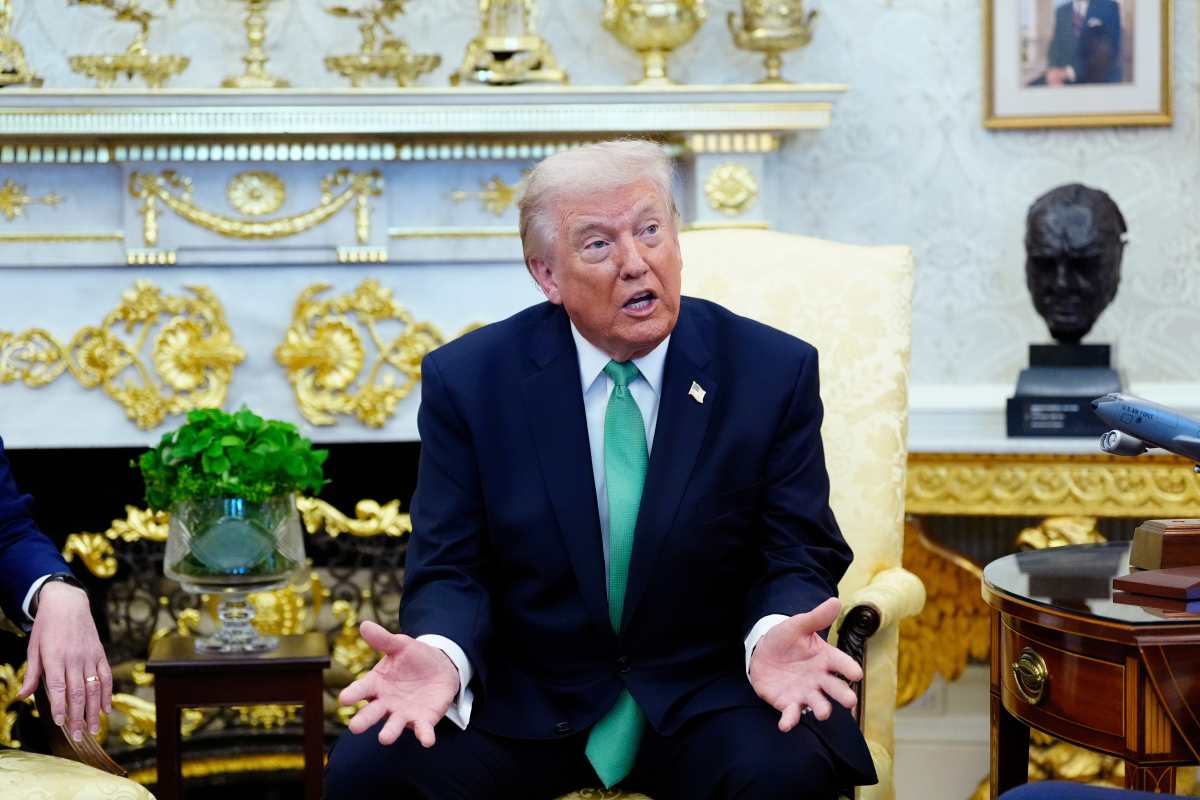
President Donald Trump speaks during a meeting with Irish Prime Minister Micheál Martin in the Oval Office of the White House, on St. Patrick's Day, Tuesday, March 17, 2026, in Washington. (AP Photo/Alex Brandon)
President Donald Trump speaks during a meeting in the Oval Office of the White House, on St Patrick's Day, Tuesday, March 17, 2026, in Washington (AP Photo/Alex Brandon)

Trump signals dissatisfaction with latest Iran talks

Trump said on Friday, May 1, that he was “not satisfied” with the latest Iranian offer, without detailing specific objections.

“They’re asking for things that I can’t agree to,” he told reporters at the White House.

The US administration has consistently maintained that it will not end the war without a deal that ensures Iran can never develop a nuclear weapon, the central objective cited by Trump when he ordered strikes in February during ongoing nuclear negotiations. Iran, however, continues to insist its nuclear programme is purely peaceful.
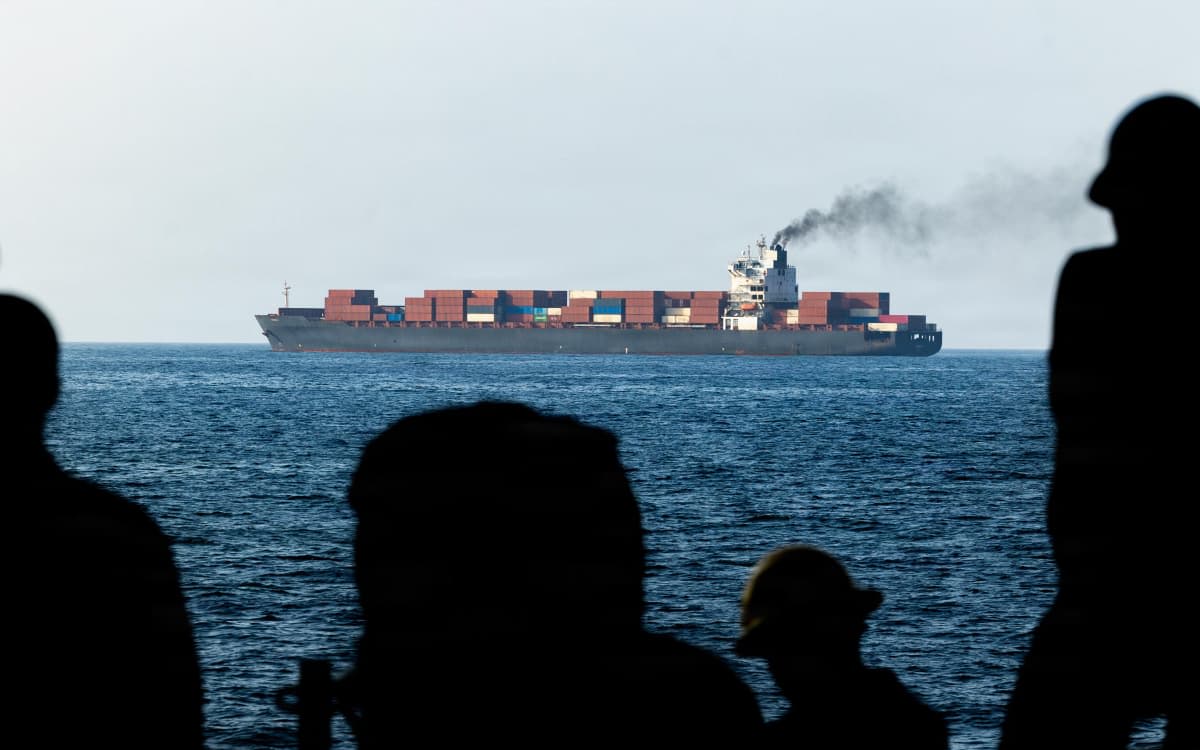
ARABIAN SEA - APRIL 20: (EDITOR'S NOTE: This Handout image was provided by a third-party organization and may not adhere to Getty Images' editorial policy.) In this handout photo provided by U.S. Central Command, U.S. forces patrol the Arabian Sea near M/V Touska on April 20, 2026, after firing upon the Iranian-flagged vessel that the U.S. accused of attempting to violate the U.S. naval blockade of Iranian ports near the Strait of Hormuz. (Handout Photo by the U.S. Navy via Getty Images)
In this handout photo provided by US Central Command, US forces patrol the Arabian Sea near M/V Touska on April 20, 2026, after firing upon the Iranian-flagged vessel that the US accused of attempting to violate the naval blockade of Iranian ports near the Strait of Hormuz (US Navy via Getty Images)

Tehran pushes phased negotiation strategy

The Iranian official described the proposal as a significant shift aimed at breaking the deadlock by deferring contentious nuclear issues.

Under the framework, the war would end with guarantees from the United States and Israel against future attacks. In return, Iran would reopen the Strait of Hormuz and the US would lift its blockade.

Subsequent negotiations would then focus on limits to Iran’s nuclear activities in exchange for sanctions relief. Tehran is seeking recognition of its right to enrich uranium for peaceful purposes, even if it agrees to suspend enrichment temporarily.
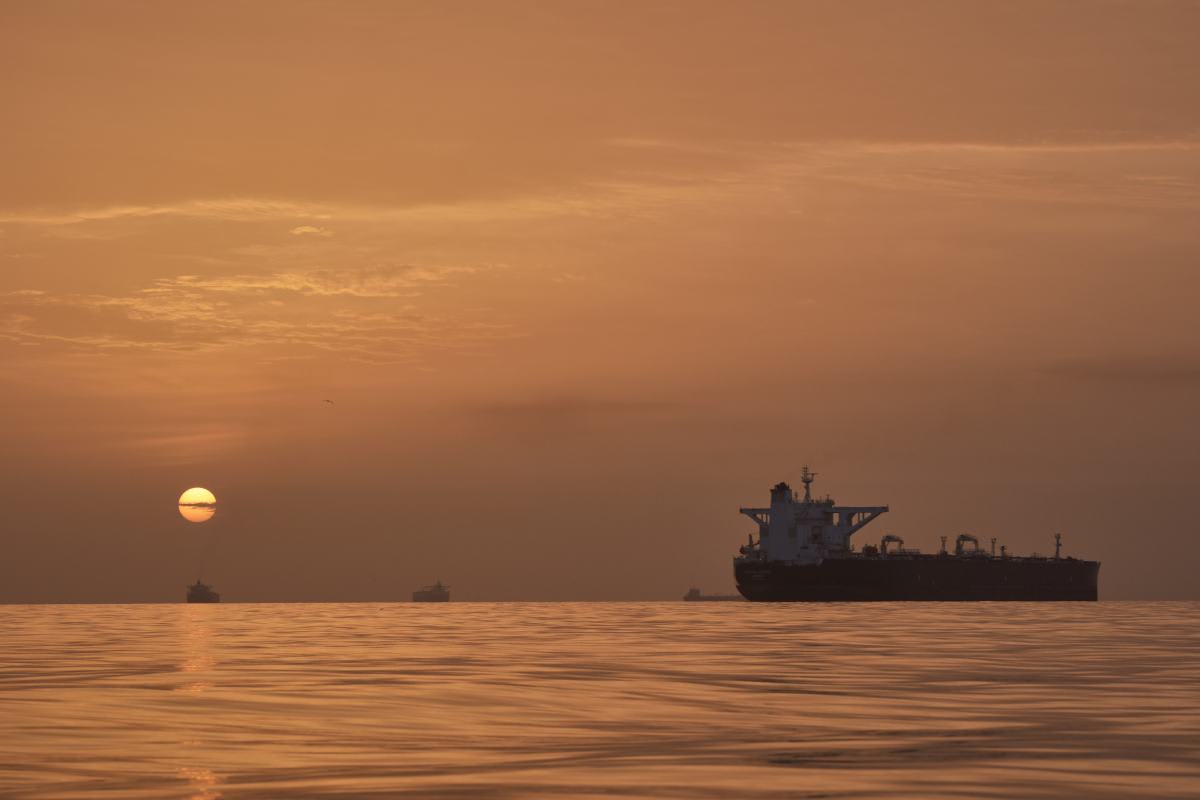
The sun rises behind tankers anchored in the Strait of Hormuz off the coast of Qeshm Island, Iran, Saturday, April 18, 2026. (AP Photo/Asghar Besharati)
The sun rises behind tankers anchored in the Strait of Hormuz off the coast of Qeshm Island, Iran, Saturday, April 18, 2026 (AP Photo/Asghar Besharati)

“Under this framework, negotiations over the more complicated nuclear issue have been moved to the final stage to create a more conducive atmosphere,” the official said.

The proposal, conveyed through mediators, formalizes earlier indications that Iran was willing to reopen the Strait before resolving nuclear disputes, a sequencing that appears to remain a key sticking point for Washington.

RELATED TOPICS US STRIKES IRAN

GET BREAKING U.S. NEWS & POLITICAL UPDATES
STRAIGHT TO YOUR INBOX.

MORE STORIES

Rep Chip Roy warned of a $39 trillion 'ticking time bomb' as new data showed federal debt hit a historic ratio not seen since 1946
33 minutes ago
Leaders warn of transatlantic rift as US withdraws 5,000 troops amid Iran, NATO tensions
40 minutes ago
Anna Paulina Luna questioned the integrity of the initial investigation, noting it took place under then-President Joe Biden and involved the FBI
5 hours ago
Donald Trump claimed he was 'the only president to take a cognitive test,' adding that he underwent three separate evaluations and 'aced all of them'
6 hours ago
Bill Maher told California Governor Gavin Newsom his defense of a Fox News lawsuit mirrored Donald Trump’s media tactics on HBO’s 'Real Time'
7 hours ago
The Department of Defence recently revealed that Iran has lost nearly $5 billion in oil revenue as a result of the US blockade of the Strait of Hormuz
9 hours ago
Donald Trump said the US may be better off without a deal with Iran, reiterating he is unsatisfied with Tehran’s latest proposal
10 hours ago
The president once again re-claimed that he won the 2020 election despite the fact that Joe Biden was the winner
11 hours ago
The statement about taking over Cuba follows similar remarks in March when Trump said he could do 'anything' with Cuba as the Island 'sees the end'
11 hours ago
Gavin Newsom rebukes Katie Miller’s claim tying him to the WHCD attack, shifting blame toward Donald Trump’s rhetoric
11 hours ago