US debt hit 100% of GDP since WWII as Roy called the Iran war tab a 'time bomb'
WASHINGTON, DC: The United States has crossed a grave economic threshold, with the national debt officially surpassing 100% of the country’s gross domestic product (GDP) for the first time since the aftermath of World War II.
Data released on Thursday, April 30, by the Bureau of Economic Analysis confirmed the debt reached 100.2% of GDP at the end of the first quarter, a milestone that Representative Chip Roy (R-Texas) described on Friday, May 1, as a "ticking time bomb" threatening to destroy the nation.

The fiscal situation has deteriorated rapidly in recent months, with the total national debt climbing above $39 trillion in March, a staggering $1 trillion increase in just five months.
While Roy acknowledged that recent legislative efforts, such as the 'Big Beautiful Bill', have successfully flattened discretionary spending and cut mandatory programs, he insisted that Washington must do "much more" to prevent an economic collapse.
CBO predicts massive debt acceleration
The long-term outlook remains grim according to the Congressional Budget Office (CBO), which warned that current spending trajectories will push the debt held by the public to 108% of GDP by 2030 and 120% by 2036.
Publicly held debt stood at $31.27 trillion as of March 31, a figure that continues to soar as the government operates on what Roy calls "autopilot."
Republican lawmakers began the current administration with the stated goal of deficit neutrality, yet the party remains divided on how to fund priorities without further inflating the debt.
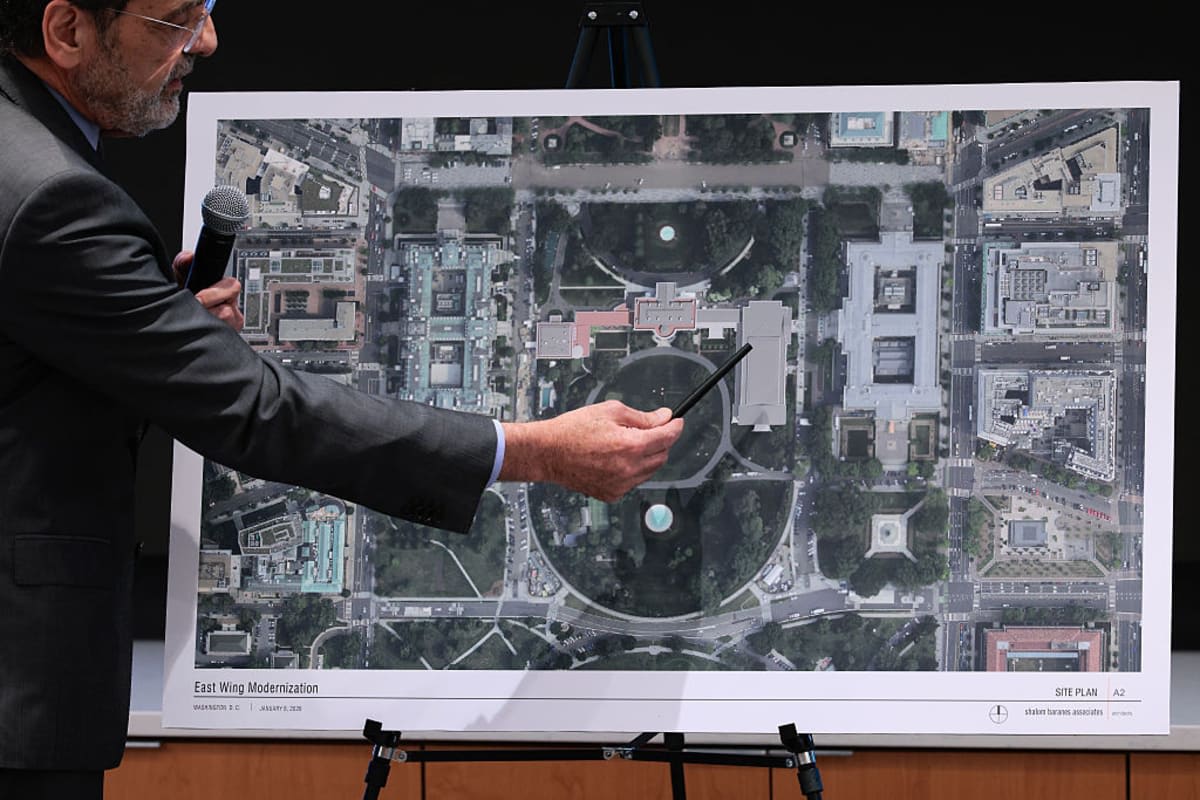
While some push for deeper cuts to offset the extension of the 2017 tax cuts, others are scrutinizing specific projects, such as the proposed $400 million White House ballroom.
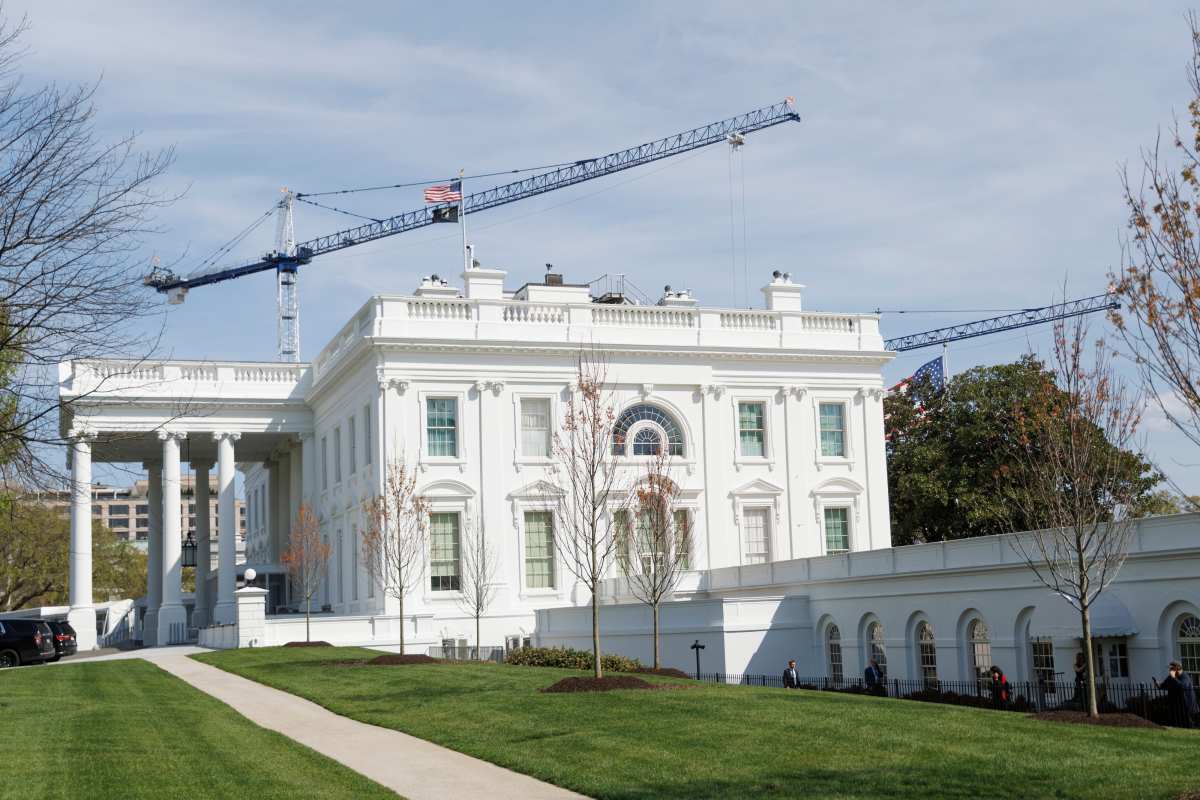
Senator Rick Scott (R-Fla) questioned the use of taxpayer funds for the project, noting that with $39 trillion in debt, Congress "ought to stop spending money."
War costs fuel deficit anxiety
Compounding the fiscal strain is the ongoing conflict in Iran, which has become a focal point for budget hawks in the Senate.
The Pentagon’s acting Chief Financial Officer Jules Hurst III informed the House Armed Services Committee on Wednesday that the war in Iran has cost $25 billion to date.
However, this figure has been met with skepticism by some lawmakers who believe the true cost is significantly higher.
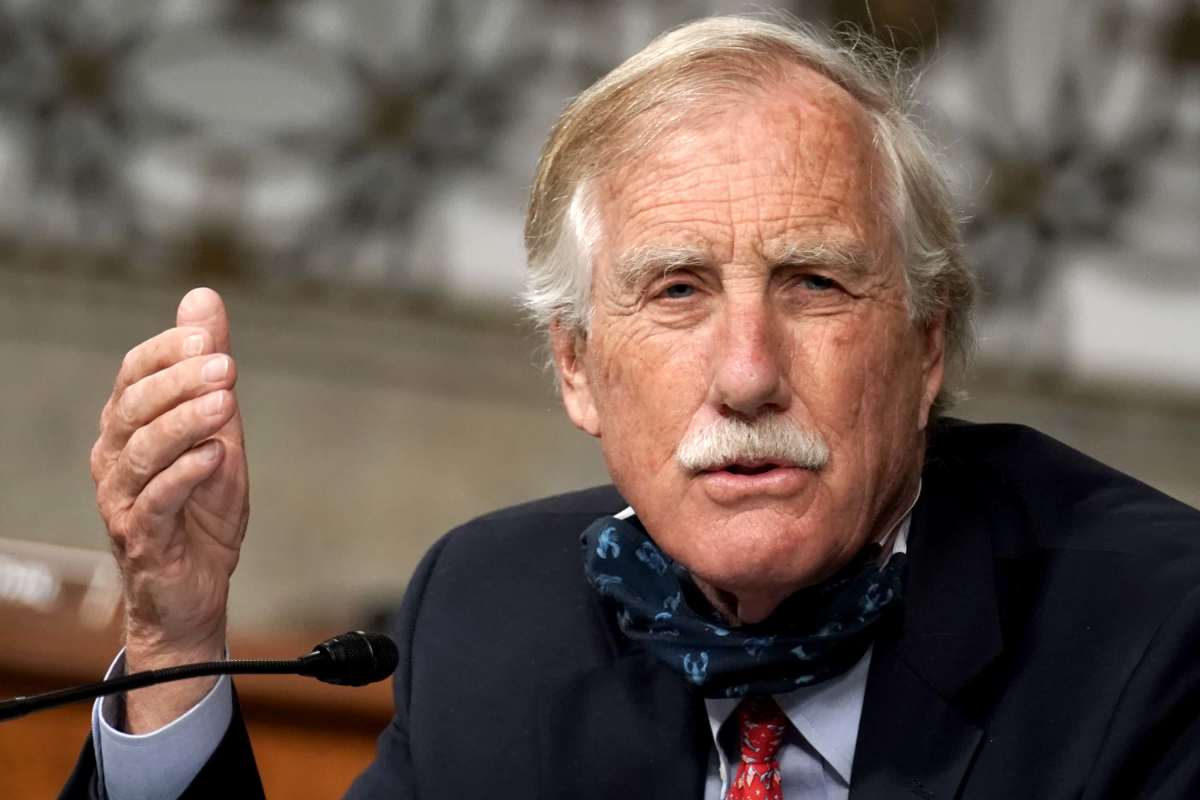
Senator Angus King (I-Maine) told CNN that other estimates suggest the conflict’s price tag has already exceeded $50 billion. King signaled he would investigate the discrepancy, noting that the $25 billion figure is "considerably below" all other estimates seen over the past two months.
This uncertainty over war spending arrives as the White House Office of Management and Budget has declined to provide a formal estimate of the total cost.
Chip Roy pushes for state power
In response to the ballooning deficit, Representative Roy has called for "returning power to the states and the people" as a primary method of reining in federal overreach.
He argues that flat discretionary funding, while a minor victory in the context of Washington politics, is insufficient for the general welfare of the American people.
As the national debt continues its historic climb, the pressure on the administration to balance military priorities with fiscal restraint is reaching a breaking point.