'$39 trillion debt': Republican Rick Scott invokes national debt to oppose Trump's WH ballroom
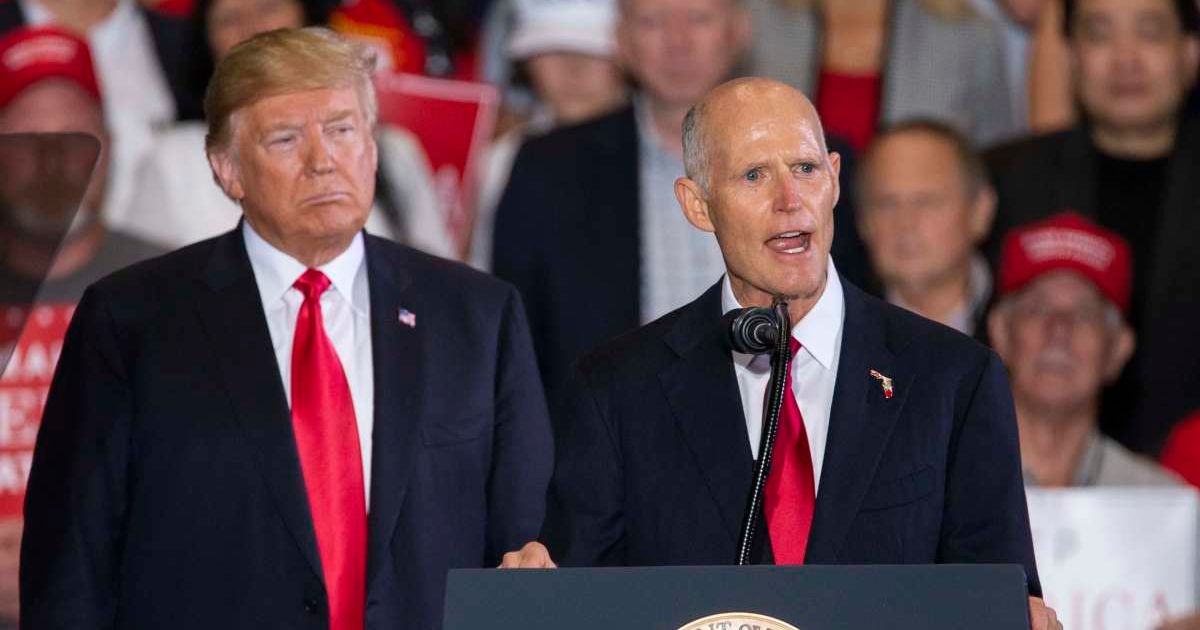
WASHINGTON, DC: A Republican campaign to steer federal money toward President Donald Trump's proposed White House ballroom is exposing cracks inside the party, with several conservative senators saying taxpayers should not be asked to foot the bill.
Leading that resistance, Rick Scott, on Monday, April 27, said Washington should be cutting spending, not financing an expensive construction project at a time of record debt.

Rick Scott questions public spending
Scott, while speaking to NBC News, said he sees no reason for taxpayers to be involved if private supporters are already willing to finance the plan.
“I don’t know why you would do it with taxpayer money if it’s all funded. We have $39 trillion in debt. Maybe we ought to stop spending money,” he said.
His remarks suggest some Republicans may support the ballroom idea, while rejecting any attempt to use public funds.
While Scott rejected the idea of using public funds for the ballroom, he criticized Democrats for outright dismissing the need.
It’s time for the Democrats to show up and start acting like AMERICANS.
— Rick Scott (@SenRickScott) April 27, 2026
STOP defunding DHS. STOP blocking the White House ballroom. STOP elevating people who call for political violence.
Stop letting TRUMP DERANGEMENT SYNDROME guide every single decision you make.
Enough is… pic.twitter.com/1ipIJKzF05
Rick Scott asserted, “STOP defunding DHS. STOP blocking the White House ballroom. STOP elevating people who call for political violence. Stop letting TRUMP DERANGEMENT SYNDROME guide every single decision you make. Enough is enough!”
Rick Scott is not the only Republican to express discomfort with Trump's ballroom plan.
Republican Josh Hawley also leaned toward private financing, while raising a separate legal issue over whether Congress must authorize major reconstruction work on White House grounds.
“I prefer that to the taxpayer being on the hook,” Hawley said of donor funding, while adding that authorization may still be required.
Sen Rand Paul took a similar position, saying he would not back taxpayers funding the full project.
“I am always conservative,” Paul said, adding that Trump has already raised money privately and should continue using that route.
Together, the comments indicate that skepticism is not limited to one senator.
Supporters raise security issues as Democrats oppose White House ballroom
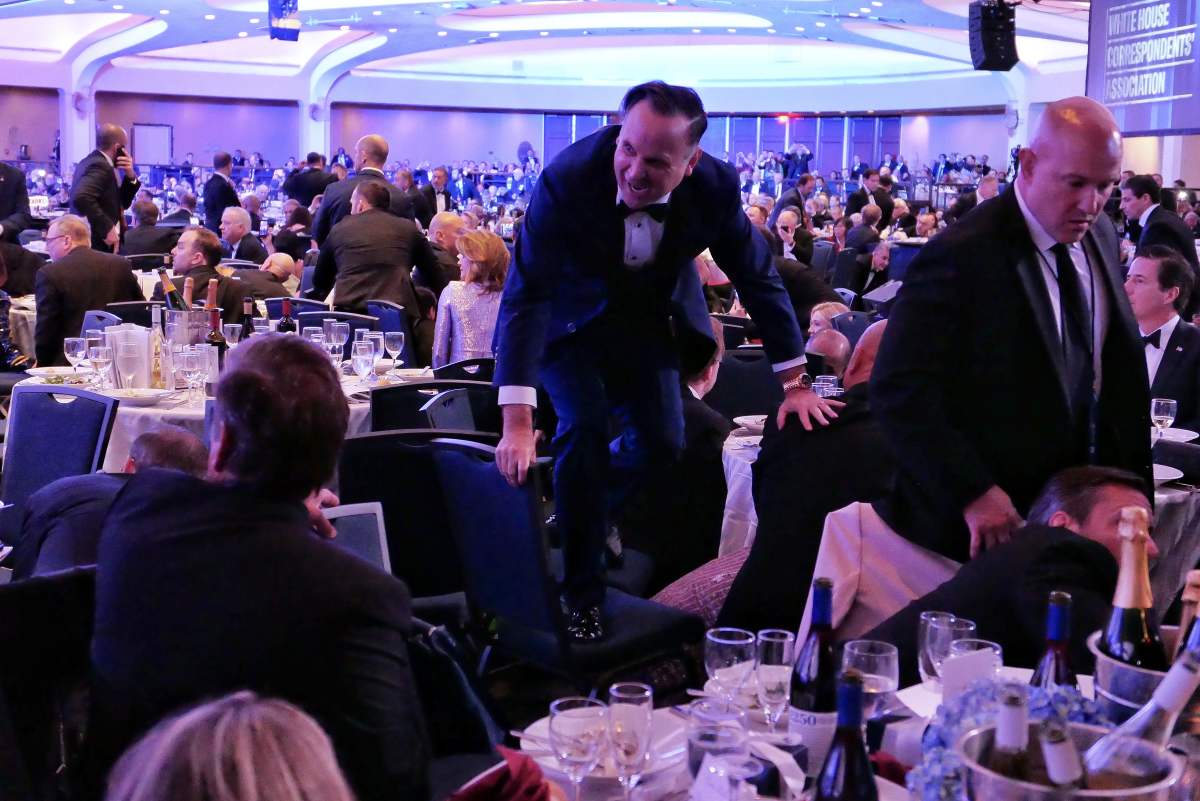
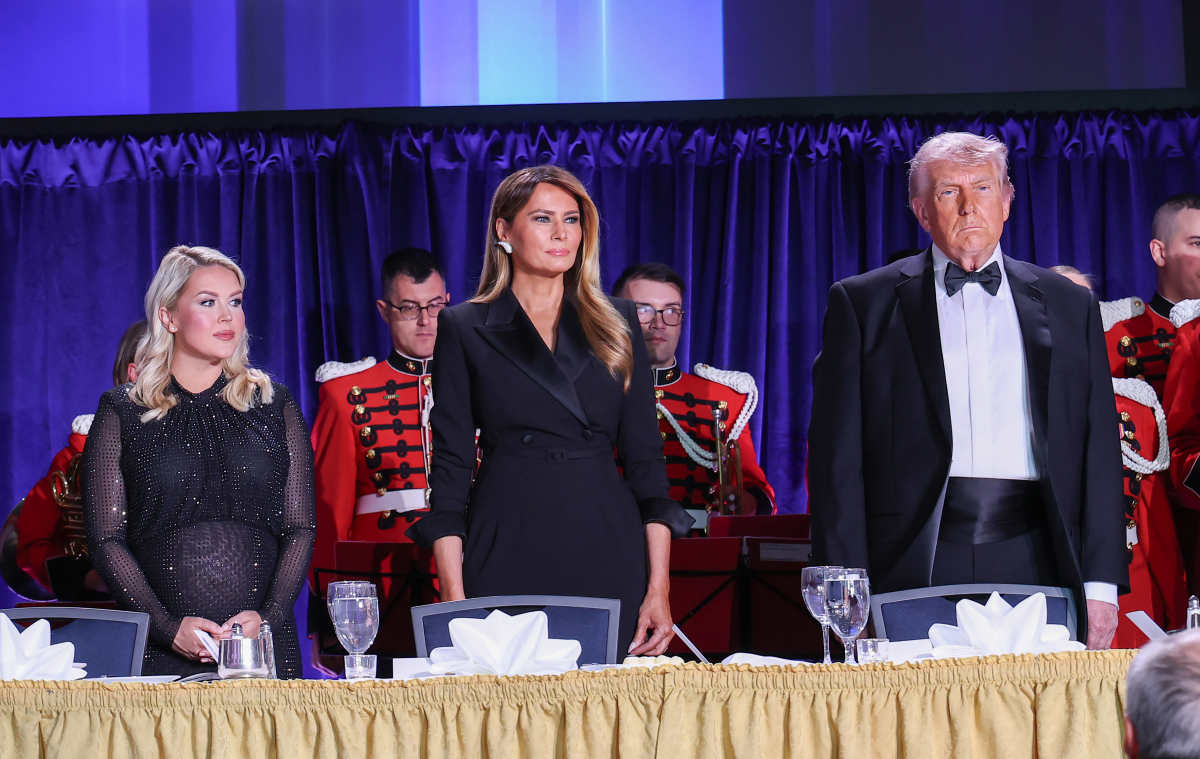
Backers of the plan say the proposal gained urgency after the recent shooting scare at the White House Correspondents' Dinner, where Trump, JD Vance and other top officials were present.
Lindsey Graham has argued that a secure event facility attached to the White House would be safer than relying on hotels or outside venues.
Supporters also describe the proposal as more than a ballroom, saying it could include emergency infrastructure, communications systems and expanded United States Secret Service capabilities.
Democrats remain strongly opposed. They argue Trump moved ahead with demolition and planning without proper congressional approval, while lawsuits have also challenged aspects of the project.
They have additionally warned that relying on wealthy private donors to fund presidential construction projects could create corruption risks or the appearance of influence-buying.
Even among Republicans open to the idea, there are procedural hurdles.
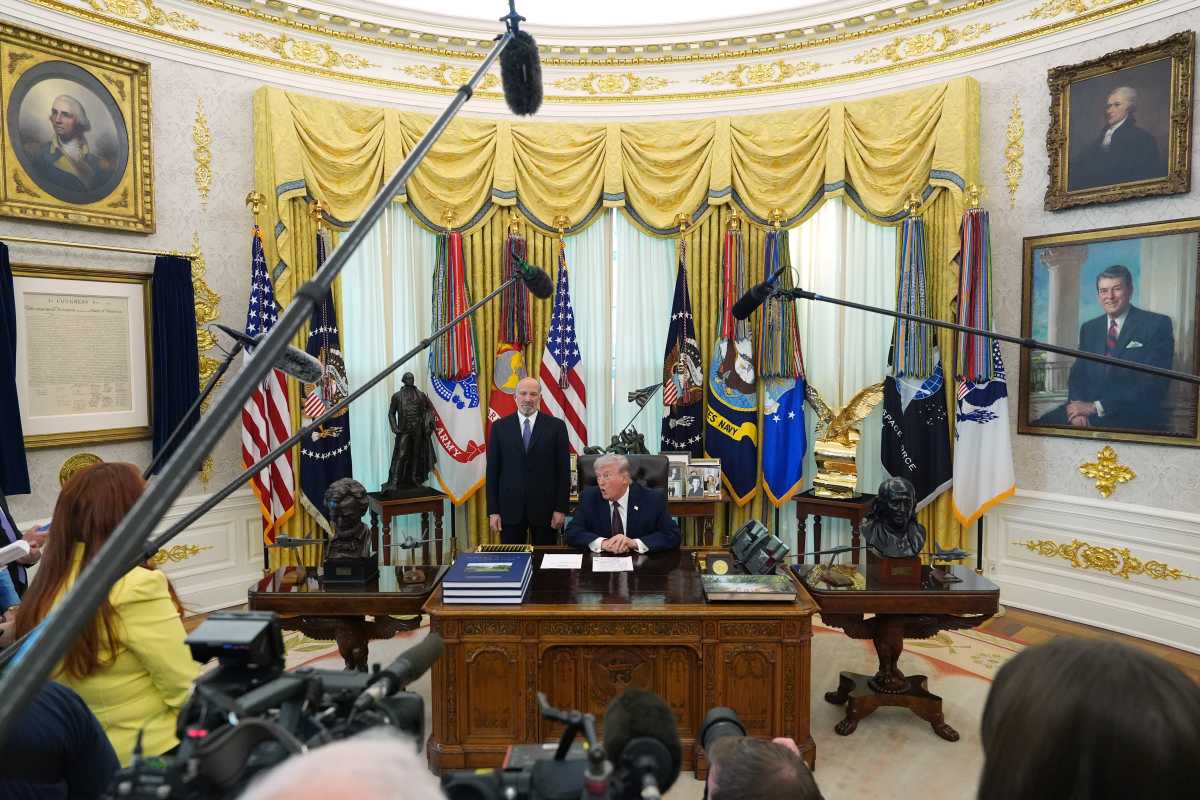
Senate Majority Leader John Thune said he is unsure whether the ballroom could be funded through budget reconciliation, noting current instructions are limited to other committees.