Iran proposes 30-day war end, refuses to yield on Strait of Hormuz
TEHRAN, IRAN: Iran has proposed a 30-day framework to resolve its conflict with the United States, according to state-linked Iranian media, in what marks the latest diplomatic effort to move beyond the current ceasefire and formally end hostilities.
The proposal, sent through Pakistani mediators, outlines a 14-point plan addressing sanctions, military presence, and maritime restrictions in the Gulf.
President Donald Trump confirmed on Saturday, May 2, that he was reviewing the proposal but indicated skepticism over its viability.
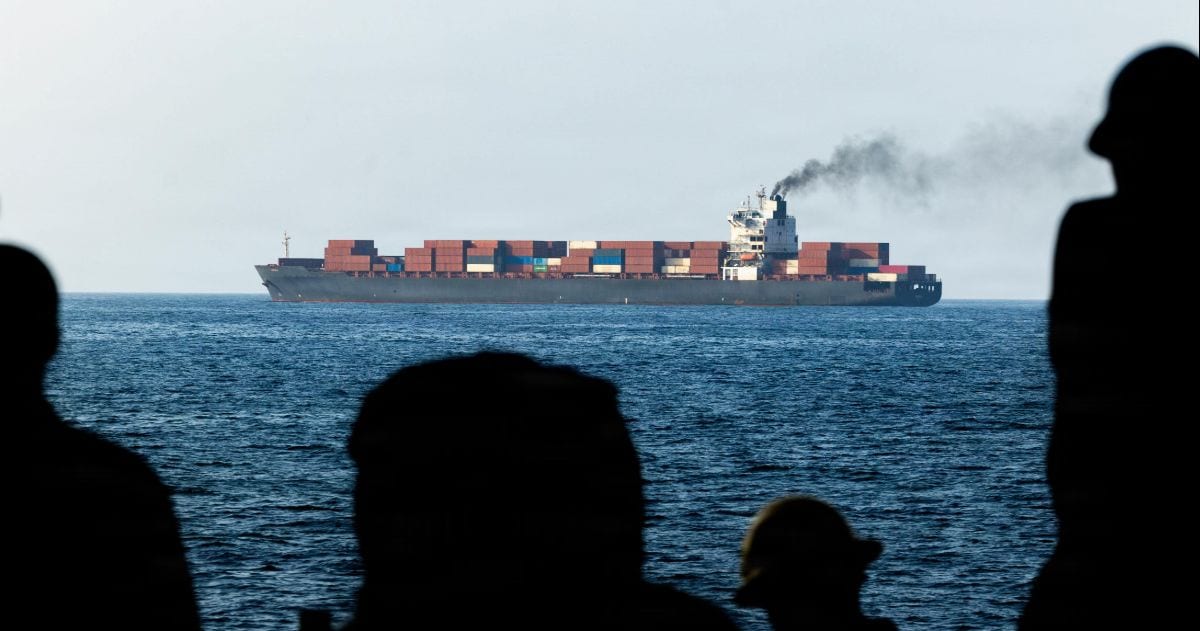
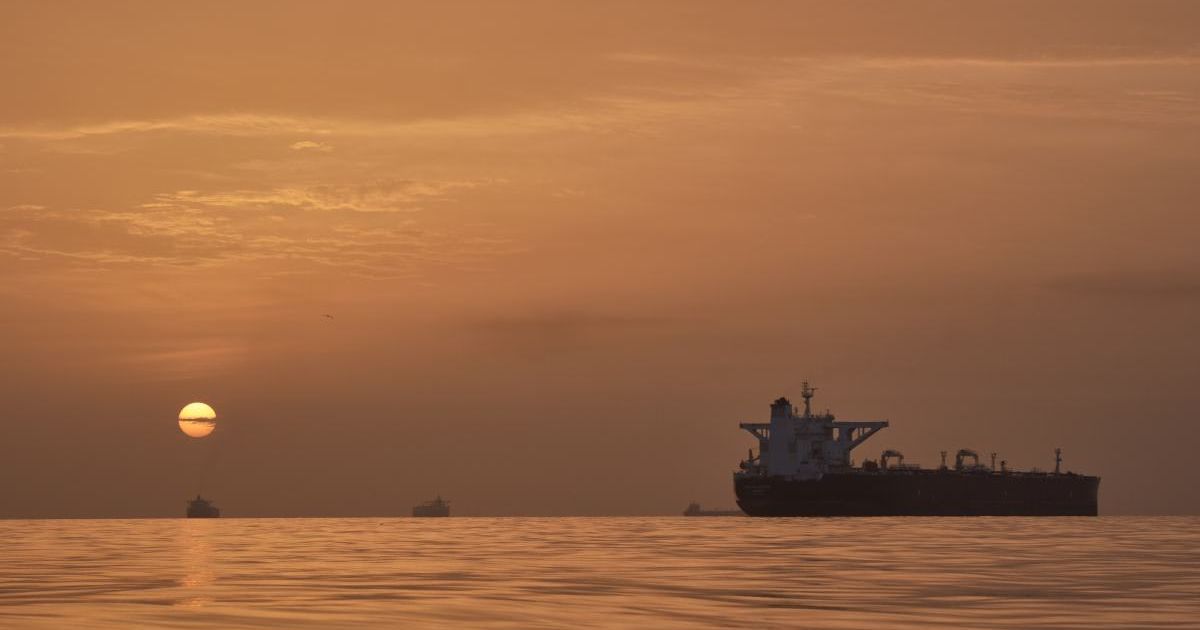
The development comes as tensions over the Strait of Hormuz remain central to both diplomatic and military calculations.
Iran submits 14-point proposal
Iran’s latest proposal reportedly seeks to resolve outstanding issues with Washington within 30 days, aiming to transition from the current ceasefire into a permanent end to the war.
According to Iran’s state-linked media, the proposal is a response to an earlier US nine-point framework and includes calls for the lifting of sanctions, an end to the US naval blockade of Iranian ports, the withdrawal of American forces from the region, and the cessation of hostilities involving Israel in Lebanon.
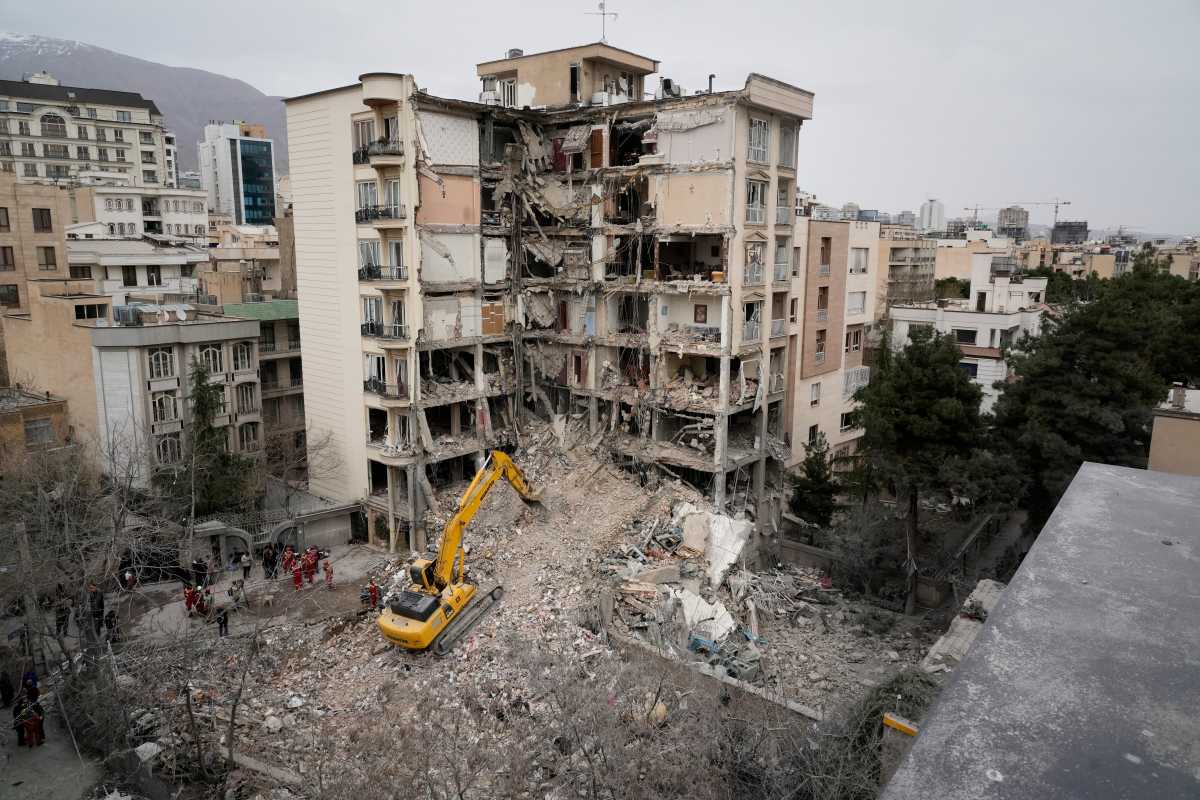
The proposal does not address Iran’s nuclear program or its stockpile of enriched uranium, an issue that has remained at the center of US-Iran tensions for years.
Iranian media indicated that those discussions would be addressed separately at a later stage.
Trump on Iran: “They have not yet paid a big enough price for what they have done…” pic.twitter.com/FB8TifLG4K
— Chief Nerd (@TheChiefNerd) May 2, 2026
Trump said that he had received the proposal and was reviewing it, but publicly questioned whether it would meet US conditions.
“They have not yet paid a big enough price for what they have done to Humanity, and the World, over the last 47 years,” Trump wrote on social media, signaling continued resistance to Tehran’s terms.
The proposal was transmitted via Pakistan, which has recently hosted direct and indirect talks between US and Iranian officials as part of broader efforts to contain the conflict.
Hormuz remains key flashpoint
Iran’s deputy parliament speaker Ali Nikzad said on Sunday, April 3, that Tehran would maintain its position on the Strait of Hormuz, underscoring the strategic significance of the waterway.
“Iran will not back down from our position on the Strait of Hormuz, and it will not return to its prewar conditions,” Nikzad said while visiting port facilities on Larak Island near the strait.
Nikzad reiterated Tehran’s position that ships not linked to the US or Israel would be permitted passage after paying a toll, a policy that has drawn warnings from Washington.
The US has cautioned shipping firms that payments to Iran for passage could trigger sanctions.
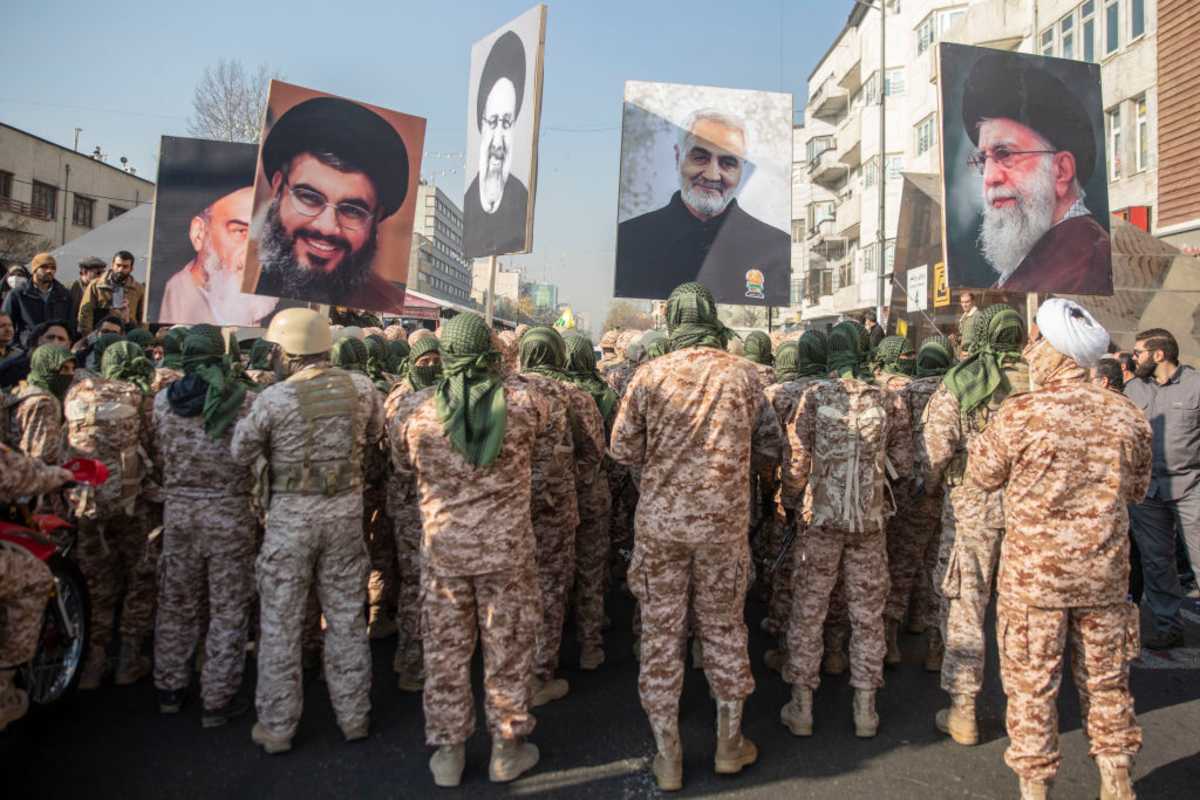
The White House, meanwhile, defended its maritime strategy. Top economic adviser Kevin Hassett said the naval blockade remained effective and was increasing pressure on Tehran.
“The fact is that what the president is seeing is that the blockade is working, it’s putting an enormous amount of pressure on Iran,” Hassett said.

Hassett also said Iran’s threats involving naval mines in the Strait of Hormuz had disrupted humanitarian shipments and worsened domestic economic conditions inside Iran, describing the country’s economy as being under severe strain.