Iran threatens ‘decisive’ response to US bases after president apologizes to Gulf neighbors
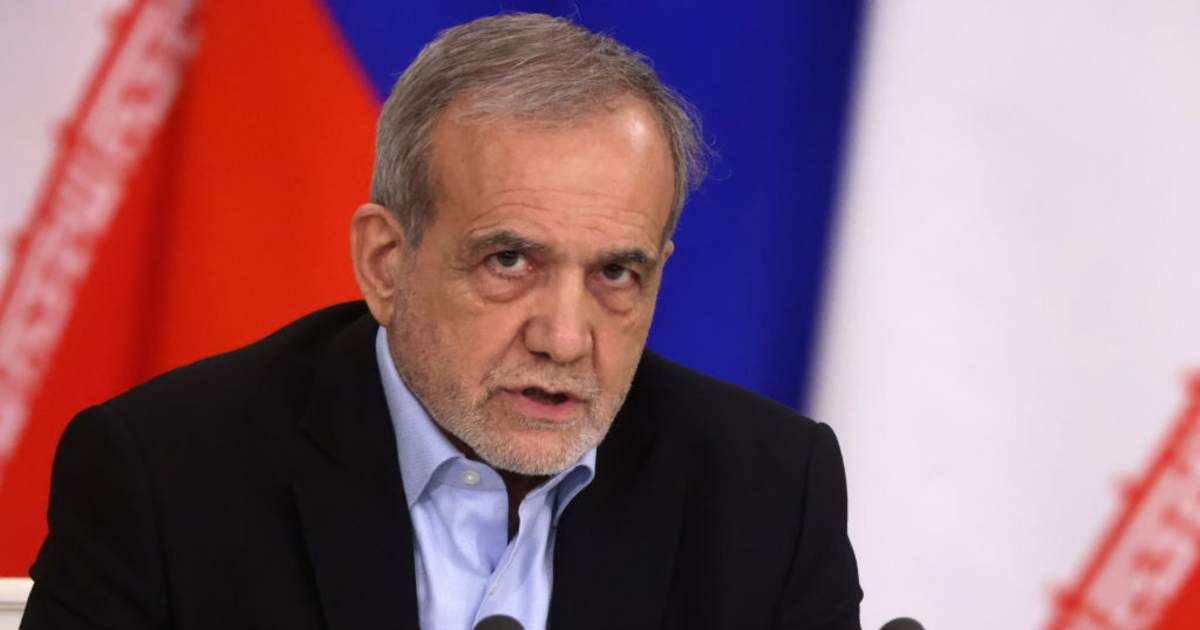
TEHRAN, IRAN: Iran has warned it will respond “decisively” to any aggression from US bases in the region, hours after President Masoud Pezeshkian apologized to Arab Gulf nations and said Tehran would halt attacks on neighboring countries unless they were used to launch strikes against Iran.
In a statement issued by the deputy head of the president’s office on Saturday, March 7, Iranian officials sought to clarify Pezeshkian’s remarks after US President Donald Trump claimed the comments showed that Iran had effectively “surrendered” to its neighbors.
“We will respond decisively to any aggression from American bases,” the statement said.
Tehran seeks to reassure Gulf neighbors
According to the president’s office, Pezeshkian’s message was intended to signal that Iran does not intend to target nearby states if they stay out of the conflict.
“The message from President Pezeshkian is clear: if regional countries do not cooperate in America’s attack on us, we will not attack them,” the statement said.
In a post on X, Pezeshkian reiterated that Iran has long sought friendly relations with neighboring states but stressed that Tehran retains the right to defend itself against both the United States and Israel.
“We will stand and resist to the last drop of our lives to defend our country,” he wrote. “We have not attacked our friendly and neighboring countries; rather, we have targeted US bases, facilities and military assets in the region.”
Apology delivered in televised address
Earlier Saturday, Pezeshkian delivered a rare televised address in which he directly apologized to Arab Gulf nations for Iranian strikes that have hit the region during the past week.
“I personally apologize to the neighboring countries that were attacked by Iran,” he said on state television. “We do not intend to attack neighboring countries. As I have repeatedly said, they are our brothers,” he said.
He added that Iran’s temporary three-member leadership council, currently overseeing the country during the transition following the death of Ayatollah Ali Khamenei, had instructed the armed forces to avoid targeting neighboring states unless attacks on Iran originated from those territories.
“The armed forces have been told that from now on there should be no attack on neighboring countries or missile strikes unless they want to attack us from those countries,” he said.
Call for diplomacy amid rising tensions
Pezeshkian also urged Gulf governments not to align themselves with Western powers against Iran.
“I think we need to solve this with diplomacy rather than fighting and having problems with neighboring countries,” he said, warning regional states not to become a “plaything in the hands of imperialism.”
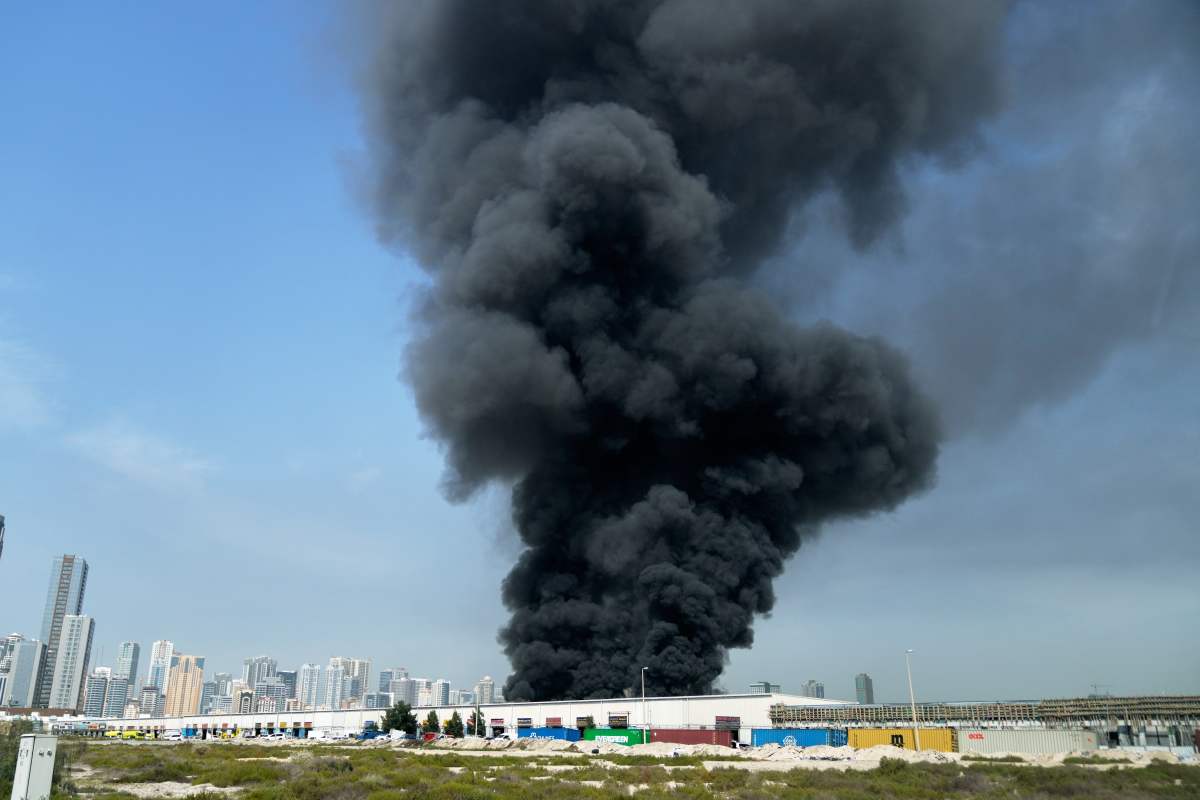
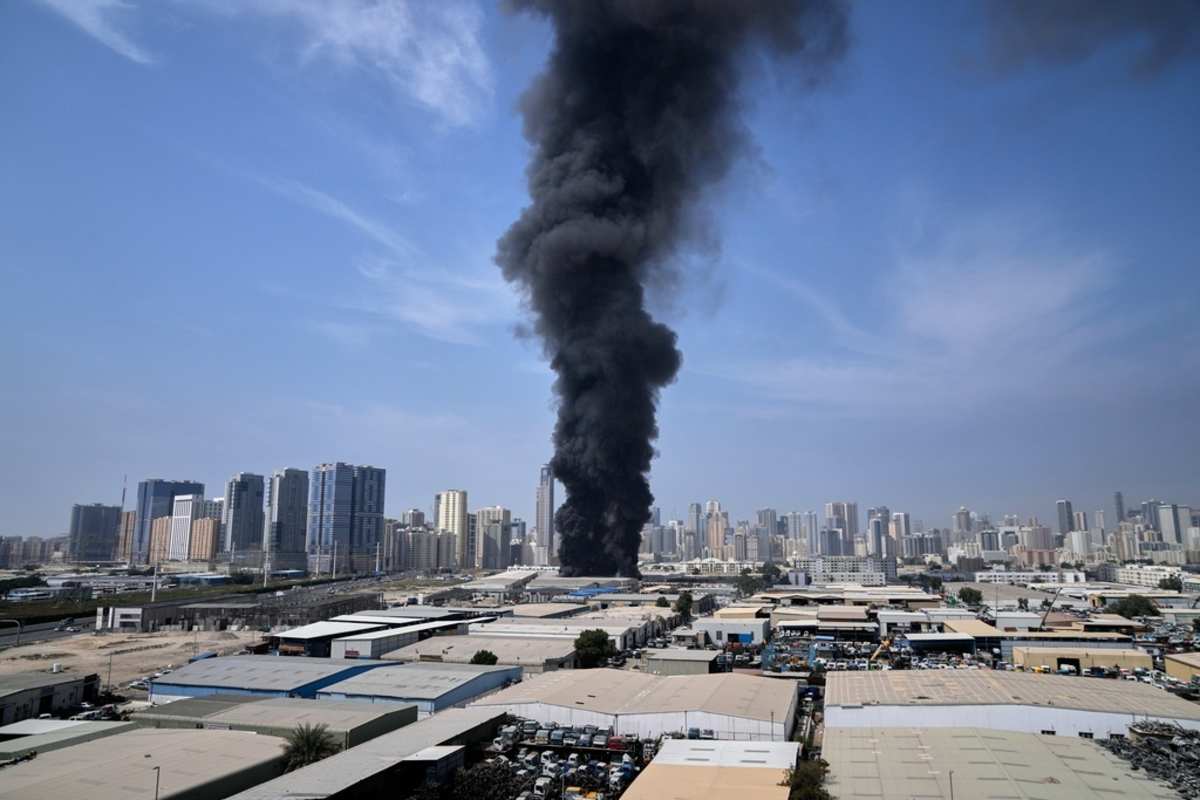
It was unclear whether the policy shift would take immediate effect. Shortly after the address, missile interceptions were reported over the United Arab Emirates while warning sirens sounded in Bahrain.
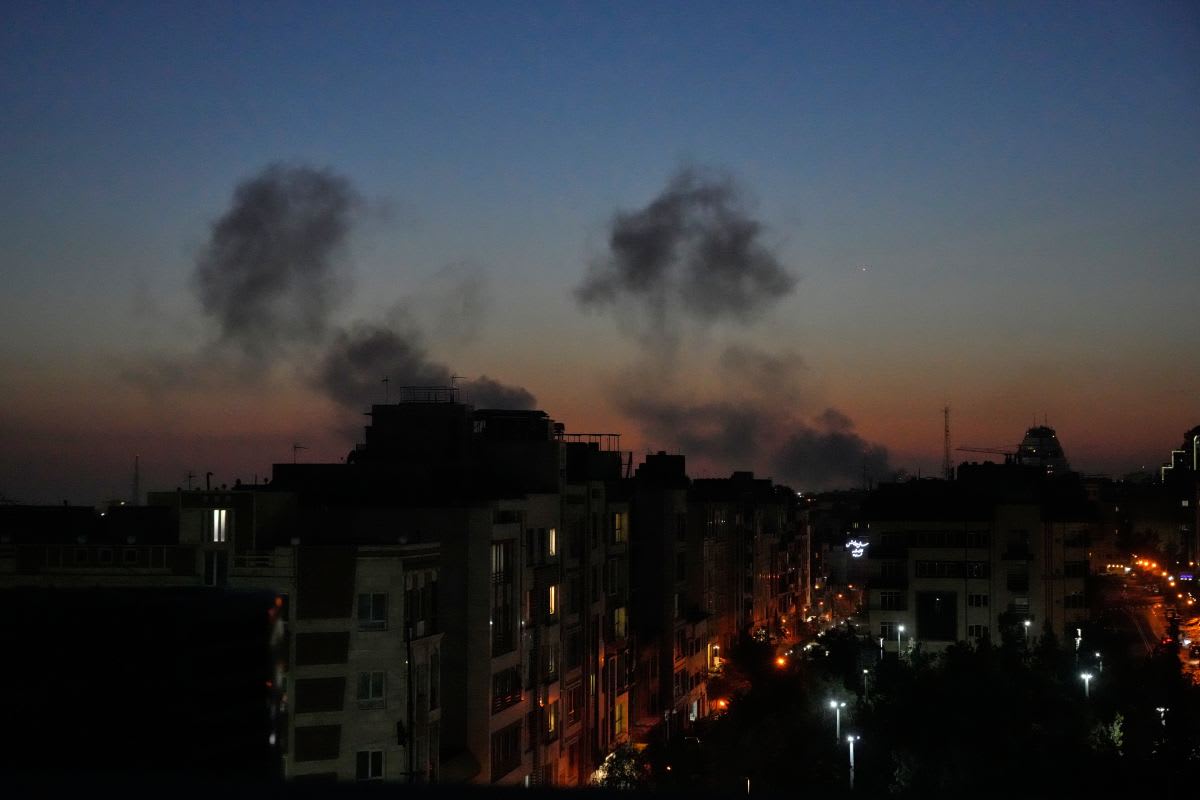
The remarks came after nearly a week of sustained Iranian missile and drone attacks targeting sites across the Gulf region, which have repeatedly shut down regional airspace and prompted a rush of travelers seeking to leave the Middle East.
The escalating conflict has heightened tensions between Iran, the United States and Israel while placing Gulf states at the center of the confrontation.