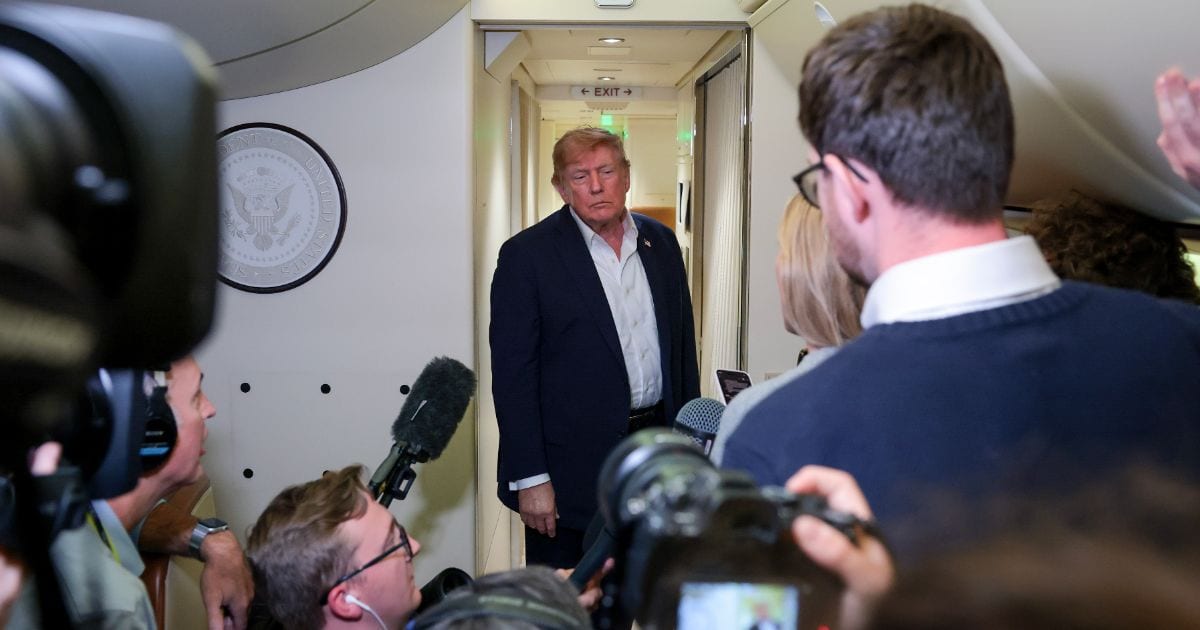
Vance defends Iran pact against Obama deal comparisons, cites leverage
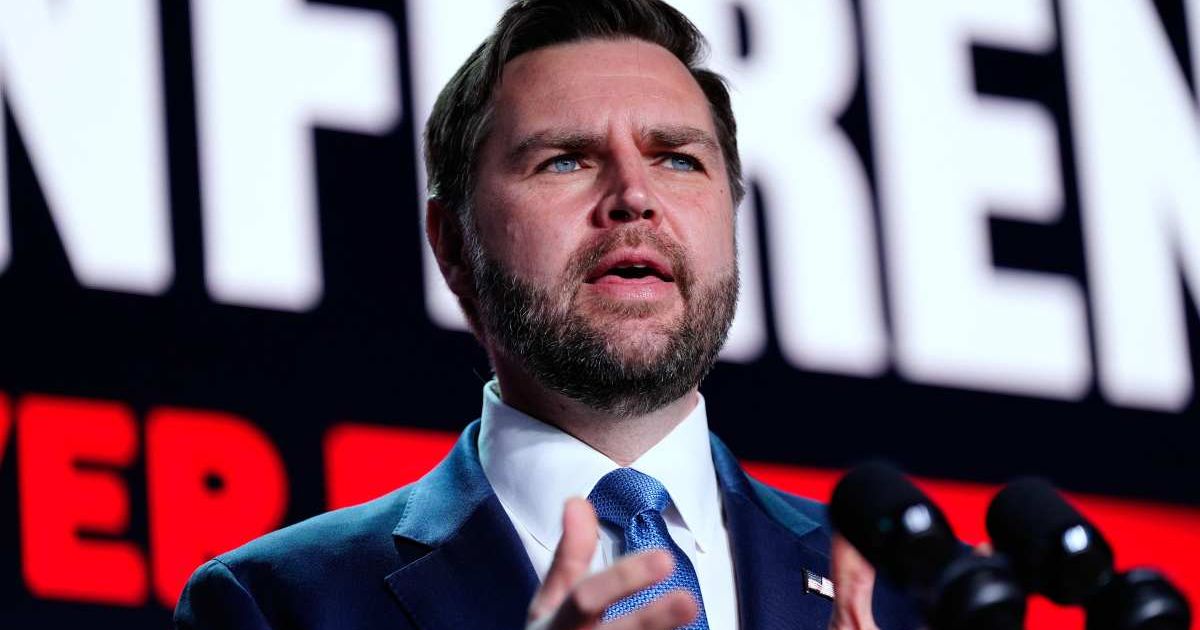
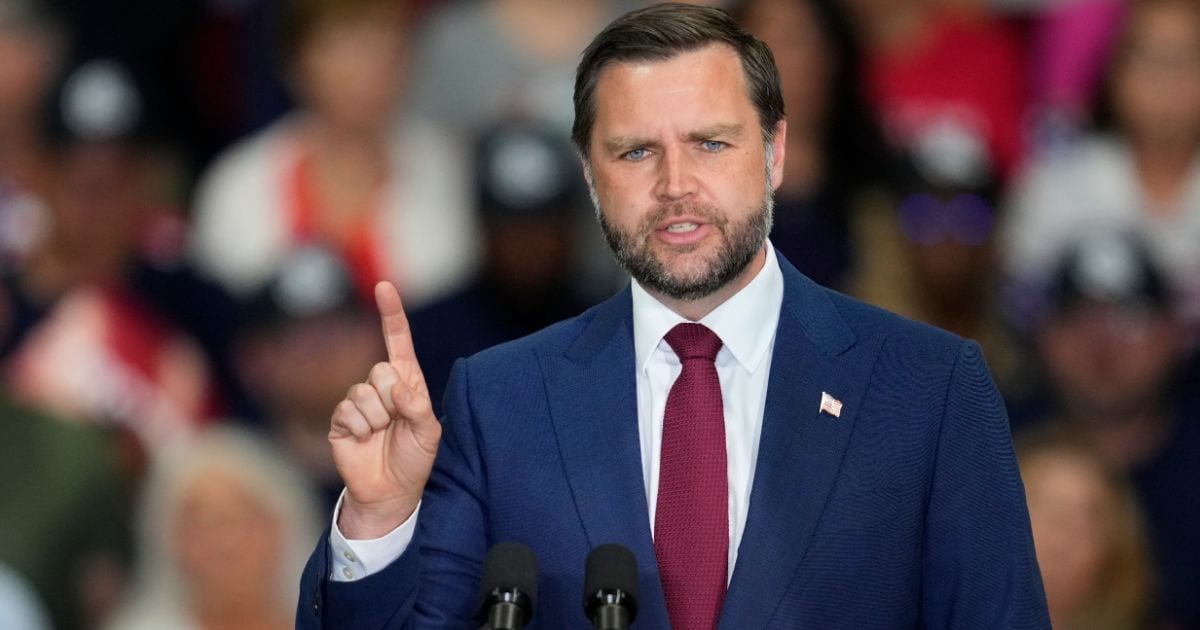
WASHINGTON, DC: Vice President JD Vance has launched a detailed defense of the administration's newly finalized Persian Gulf framework, forcefully rejecting comparisons to Barack Obama’s 2015 nuclear agreement.
On Monday, June 15, Vance appeared on several television networks and argued that critics are misinterpreting the geopolitical landscape.
He asserted that the United States entered these negotiations from a position of complete structural leverage, having already dismantled Iran’s nuclear development capabilities through targeted military operations conducted the previous year.
"We have comprehensively destroyed [Iran's] nuclear program and this agreement is about ensuring that they don't rebuild it. The JCPOA [signed under President Obama] was fundamentally about bribing them to stop the construction or to cease a nuclear program that was already in… pic.twitter.com/vGm1MdE0Ip
— StudiGo (@StudiGo_LLC) June 15, 2026
The strategic pushback marks a coordinated effort by the White House to redefine the narrative before domestic opponents can frame the accord as a recycled Joint Comprehensive Plan of Action (JCPOA).
While Obama recently dismissed the breakthrough as a circular return to the original 2015 baseline, Vance insisted that the current transaction operates on a fundamentally altered trajectory.
Rather than paying Tehran to pause an active program, Vance explained that the new treaty is designed to prevent a completely broken apparatus from ever being rebuilt.
Military action creates new baseline
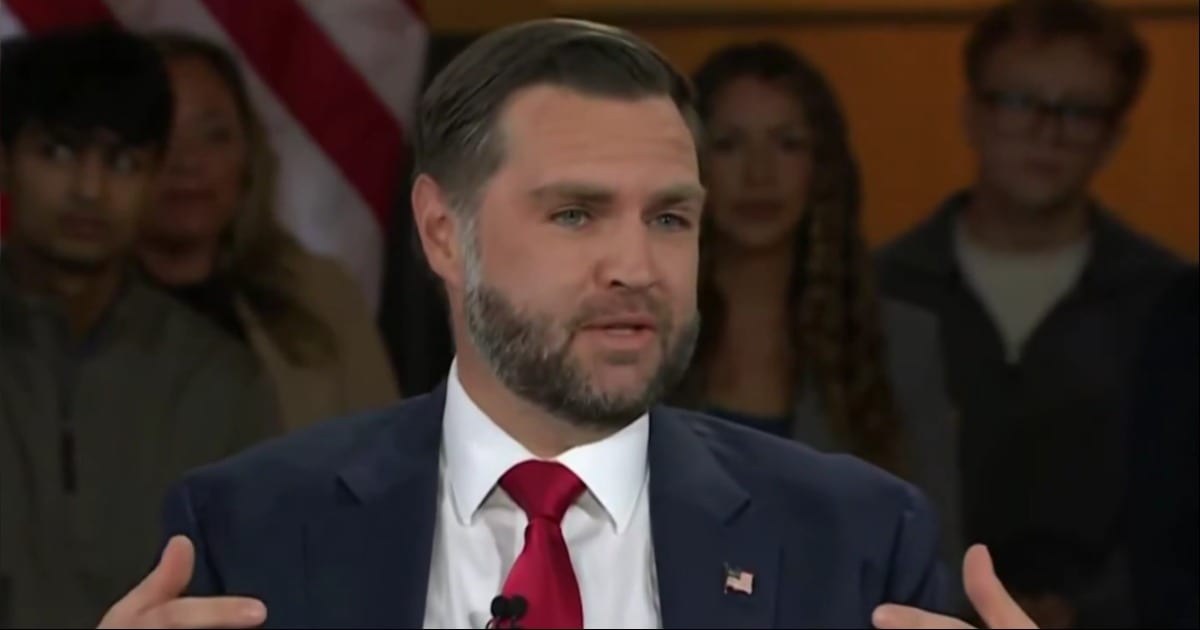
"We have comprehensively destroyed their nuclear program, and this agreement is about ensuring that they don’t rebuild it," Vance stated on CBS News, drawing a sharp contrast with past executive strategies.
He argued that the previous administration relied on financial payouts to halt ongoing enrichment pipelines.
.@VP: The agreement with Iran is “performance-based.”
— Rapid Response 47 (@RapidResponse47) June 15, 2026
“We have to remember, their economy is fundamentally destroyed. Their nuclear program is fundamentally destroyed. If they don’t do the right things [in the deal], they’re never going to have the money to rebuild their nuclear… pic.twitter.com/s53FetVYyV
By contrast, the current framework utilizes unyielding maritime leverage to lock in long-term non-proliferation mandates.
Vance cautioned that hardline factions within the Iranian system will deliberately distort the text to emphasize economic relief while hiding the massive structural concessions they were forced to make.
Gulf coalition funds reconstruction drive
Unveiling fresh financial parameters of the pending pact, Vance revealed that a massive $300 billion reconstruction fund could be made accessible to revive the regional economy.
Q: “ The Iranians are saying that they're gonna have access to a $300 billion reconstruction fund. True or false?”
— The Bulwark (@BulwarkOnline) June 15, 2026
Vance: “That's the sort of thing they could have access to, funded by the Gulf Coast Coalition, so long as they honor their end of the obligation.” pic.twitter.com/hQW0WzwOZS
However, the vice president emphasized that this capital will be entirely financed by a coalition of Gulf Coast nations rather than American taxpayers.
Access to this structural capital remains strictly conditioned on absolute compliance with verification protocols.
Vance explicitly denied reports that the current draft guarantees an upfront release of $24 billion in frozen assets, reassuring nervous congressional defense hawks that no cash distributions will materialize until international inspectors verify the total decommissioning of targeted facilities.
Sanctions relief tied to compliance
The vice president emphasized that while the administration is willing to discuss unfreezing specific state accounts down the road, the primary economic incentive centers on a phased rollback of energy sanctions.
CBS Mornings: “[Iran] say[s] they're going to get $24B in frozen funds if they hit certain benchmarks. Is that true?
— RedWave Press (@RedWavePress) June 15, 2026
Vice President JD Vance: “We're open to a lot of things that are on the table, but that that $24B just doesn't appear anywhere in any of the texts that we've… pic.twitter.com/MzM5G4Sgoc
If Tehran honors its commitment to permanently abandon its nuclear ambitions, the US will permit the long-term normalization of its domestic economy.
Technical teams are scheduled to convene next week to finalize the operational steps, ensuring that financial benefits only accrue after compliance is independently certified on the ground.