Thune backs 'regime change' in Iran as Trump reviews military 'contingencies'
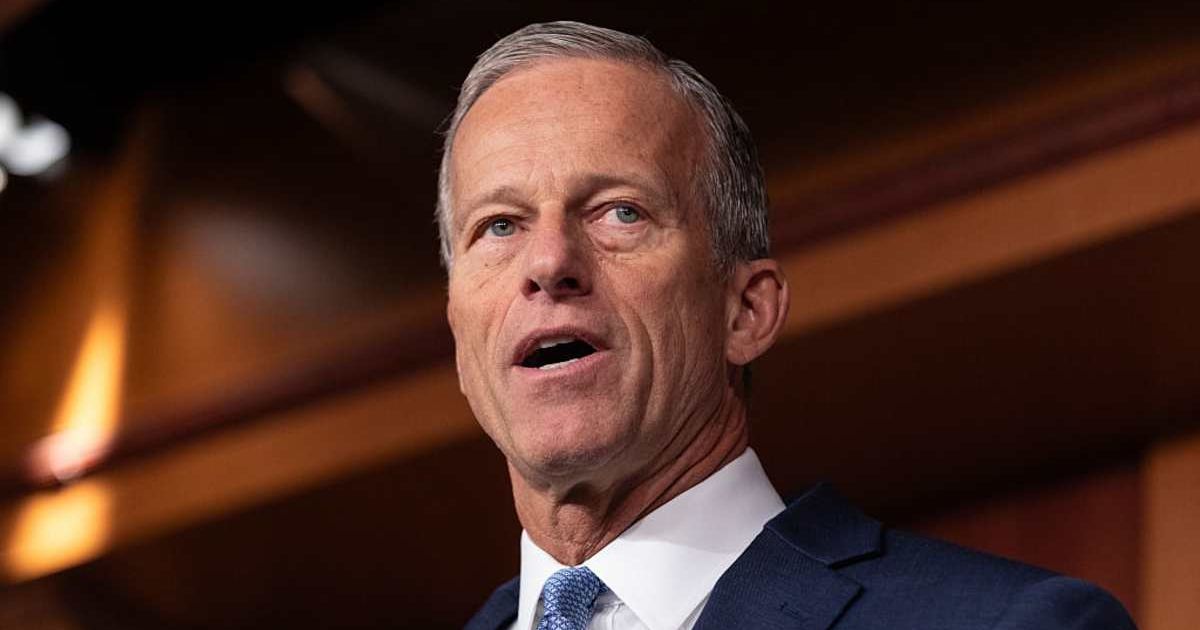
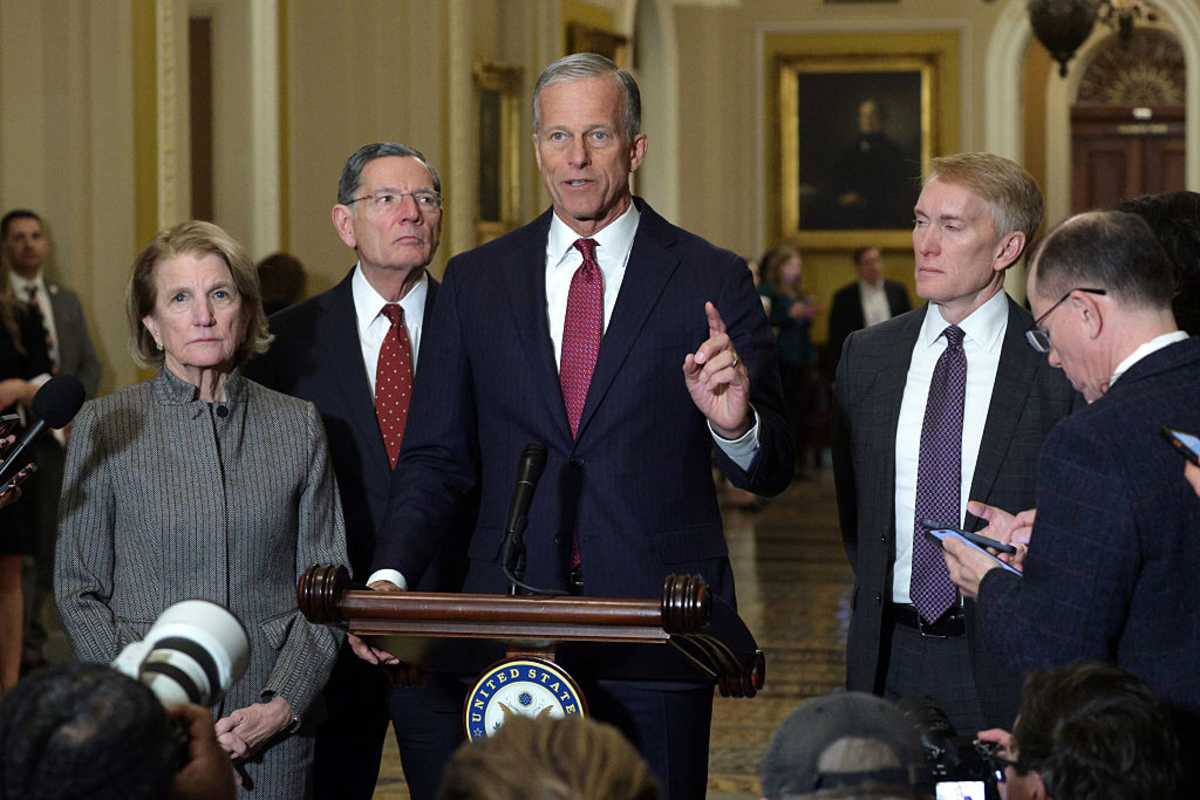
WASHINGTON, DC: Senate Majority Leader John Thune said on Thursday, February 26, that if the United States carries out military strikes against Iran, the objective should extend beyond limited action and aim at replacing the country’s leadership.
His remarks come amid rising expectations in Washington that President Donald Trump could authorize military action if diplomatic efforts failed to curb Iran’s nuclear program.
The comments were made as US and Iranian delegations met in Geneva for another round of negotiations.
Thune said that no final decision has been made, but indicated that contingency planning was underway. “In my view, if you’re going to do something there, you'd better well make it about getting new leadership and regime change,” he said.
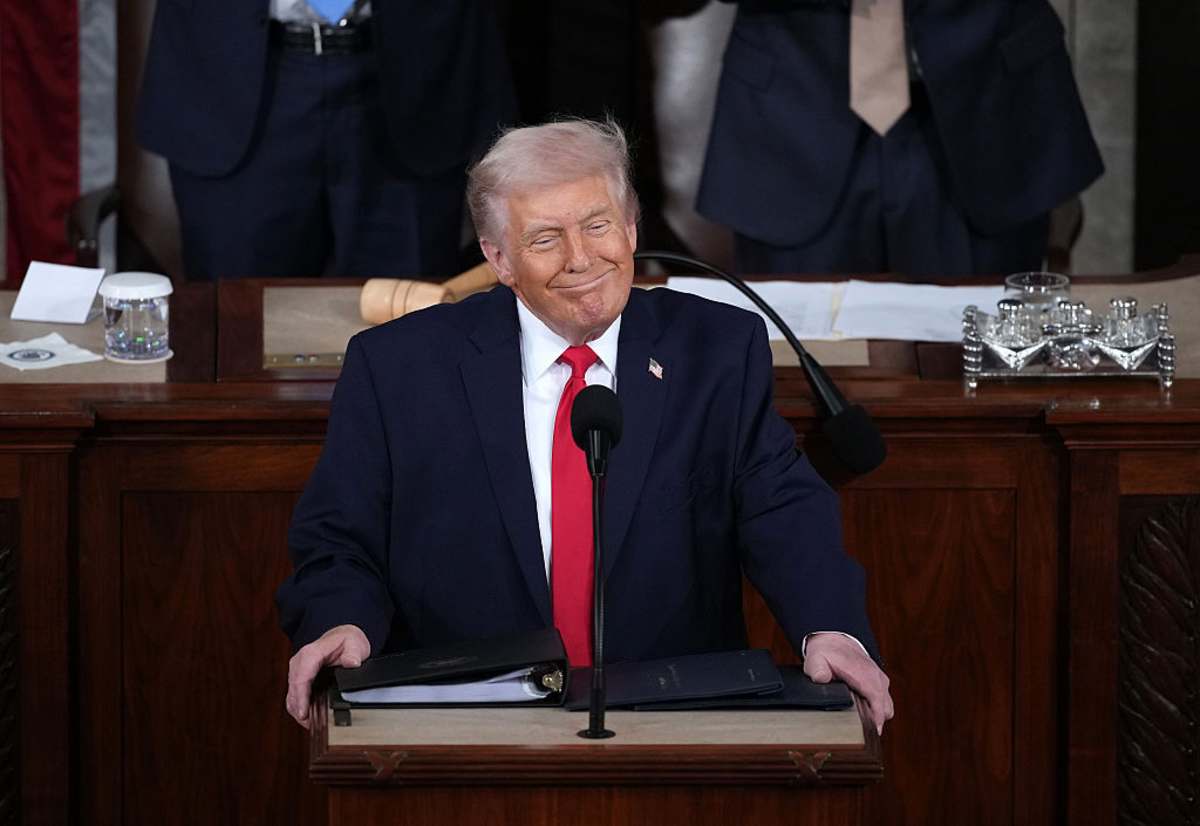
John Thune says strikes should deliver ‘transformational change’
Thune said that any military action should seek a broader strategic outcome in the region.
“If you’re going to take some sort of action, I think you want to achieve a result that actually brings about the transformational change that I think we want in the region,” he said.
Thune noted that, to his knowledge, the president has not made a final determination about ordering strikes.
“The president, I don’t think, to my knowledge, has made any decisions, but I think they’re gaming out what contingencies might look like and what’s in our national security interests,” Thune said.
He added that preventing Iran from obtaining nuclear weapons remains the primary objective.
“Of course, first and foremost is to prevent them from having a nuclear capability, but there are also other threats that they represent in the region,” he said, pointing to the significant US military presence in surrounding waters, including the Persian Gulf, Arabian Sea and Mediterranean Sea.
Senator Ted Cruz also voiced support for taking advantage of what he described as Iran’s internal instability. Recounting a recent conversation with Trump, Cruz said, “I said, ‘Listen, the regime has never been weaker. They are teetering.’”
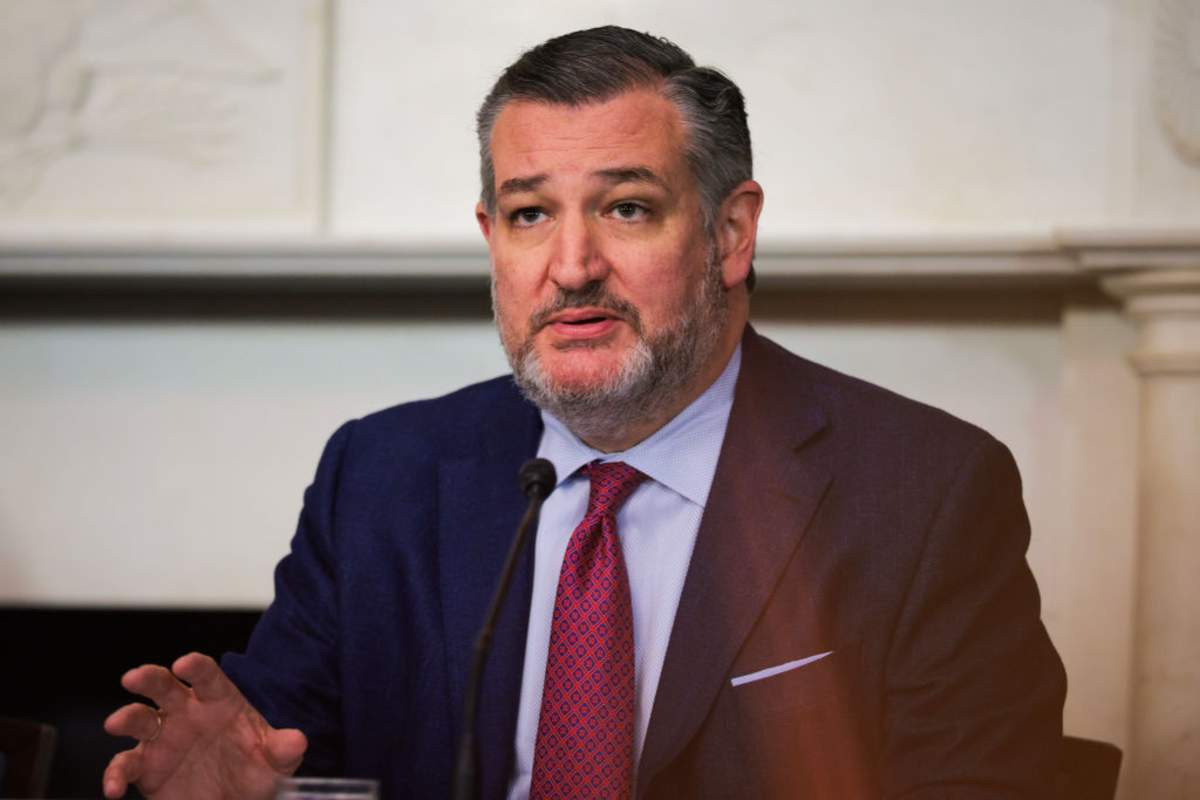
“We are at a moment … where in the next six months we could realistically see the regimes in Iran, Venezuela, and Cuba all fall and we could see them replaced with governments that want to be friendly with America,” Cruz said.
He added, “If that happened, that would be the biggest geopolitical shift since the fall of the Berlin Wall.”
Nuclear talks continue as direct engagement reported in Geneva
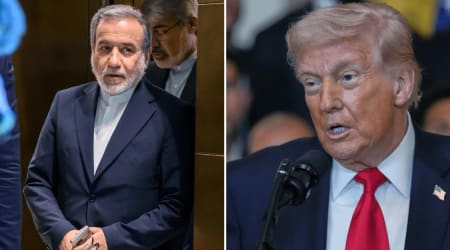
US Special Envoy Steve Witkoff and Iranian Foreign Minister Abbas Araghchi held “direct talks” during the third round of discussions, according to a source familiar with the matter.

The source did not disclose details about the length or substance of the meeting.
Nuclear negotiations between Washington and Tehran have generally been conducted indirectly, often with mediation from Oman rather than face-to-face meetings.
Any confirmed direct contact between senior officials would represent a notable development amid heightened tensions.
Neither US nor Iranian officials have publicly confirmed the reported exchange. The White House has indicated that diplomatic options remain under consideration even as military assets are positioned in the region.