Senate GOP leader Thune dismisses Trump proposal to nationalize US elections
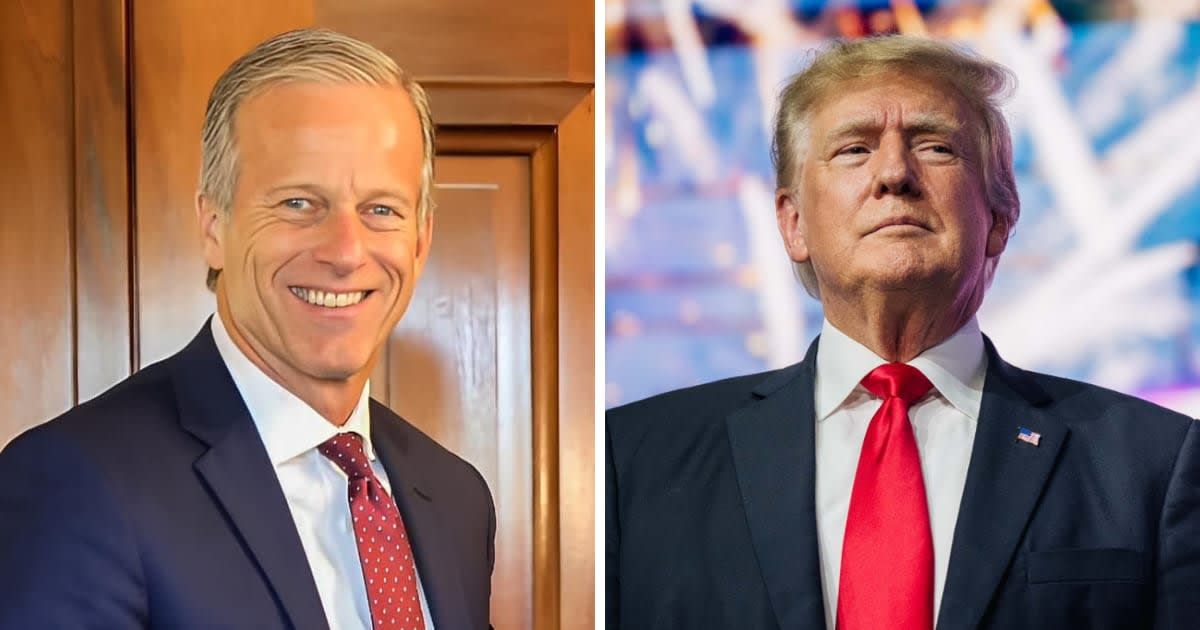
WASHINGTON, DC: Senate Majority Leader John Thune on Tuesday pushed back against Donald Trump's call to nationalize US elections, saying he does not support federalizing voting systems and warning that such a move would raise serious constitutional issues.
“I’m not in favor of federalizing elections,” Thune, a South Dakota Republican, told reporters when asked about Trump’s remarks a day earlier. “That’s a constitutional issue,” he added.
Under Article I of the Constitution, elections for members of Congress are administered by the states, though Congress retains limited authority to set federal standards. States oversee voter registration, ballot counting, election security and fraud prevention, forming the backbone of the decentralized US election system.

Thune says he is not in favor of federalizing elections
Thune, the top Republican in the Senate, said the current system has long served the country well and aligns with his broader governing philosophy.
“I’m a big believer in decentralized and distributed power,” he said. “It’s harder to hack 50 election systems than it is to hack one. So, in my view at least, that’s always a system that’s worked pretty well.”
The White House did not immediately respond to a request for comment on Thune’s remarks.
Johnson defends state control, flags ‘blue states’
House Speaker Mike Johnson echoed Thune’s support for state-run elections but struck a different tone when asked separately about Trump’s comments.
“It’s always been the responsibility of the states to administer elections, and it’s a system that works well,” Johnson said, adding that the system depends on states prioritizing election integrity. “We have real concerns about some of the blue states, frankly, that have not been doing that well.”
Johnson said Trump was “expressing that frustration” and indicated that Republicans are searching for policy responses. “We’re looking for solutions,” he said.
The speaker pointed to the Safeguard American Voter Eligibility, or SAVE, Act, which would require states to obtain proof of citizenship during voter registration.
While voting by non-citizens is already illegal, election experts and voting-rights advocates warn that stricter documentation requirements could make it harder for eligible citizens to cast ballots, particularly those without easy access to required documents.
Trump renews push to nationalize the voting
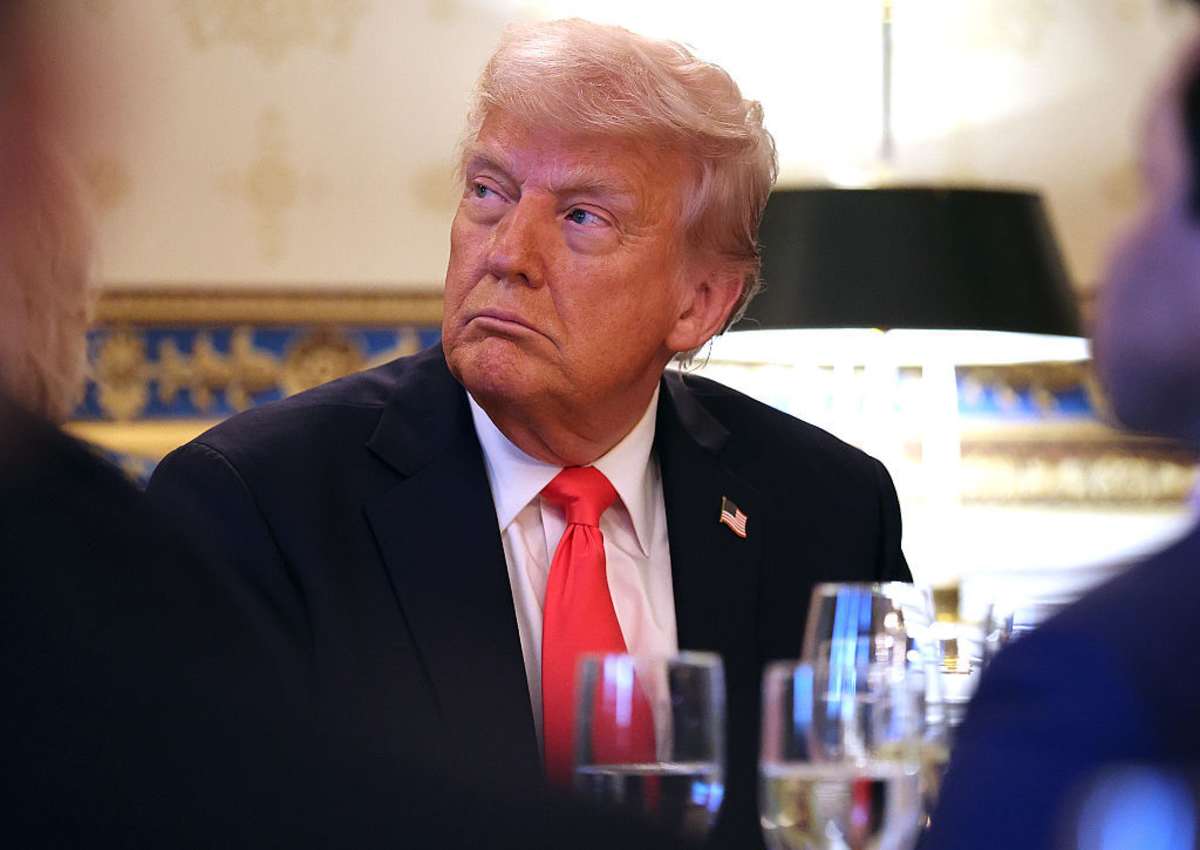
Trump’s comments came during a Monday appearance on a podcast hosted by former Deputy FBI Director Dan Bongino, where he launched into a lengthy critique of election administration and revived long-debunked claims of widespread voter fraud.
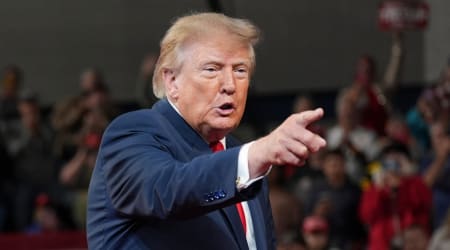
“The Republicans should say, ‘We want to take over,’” Trump said. “We should take over the voting in at least 15 places. The Republicans ought to nationalize the voting.”
He pointed to an FBI search last month at a Fulton County election facility as proof of wrongdoing. “You’re going to see some interesting things,” Trump said, suggesting ballots were improperly handled.
The FBI said it was conducting “court-authorized law enforcement activity” at the Fulton County Election Hub and Operation Center while county officials said agents were seeking records related to the 2020 election.