Trump slams Counterterror Center chief Joe Kent as ‘weak’ after his shock Iran war resignation
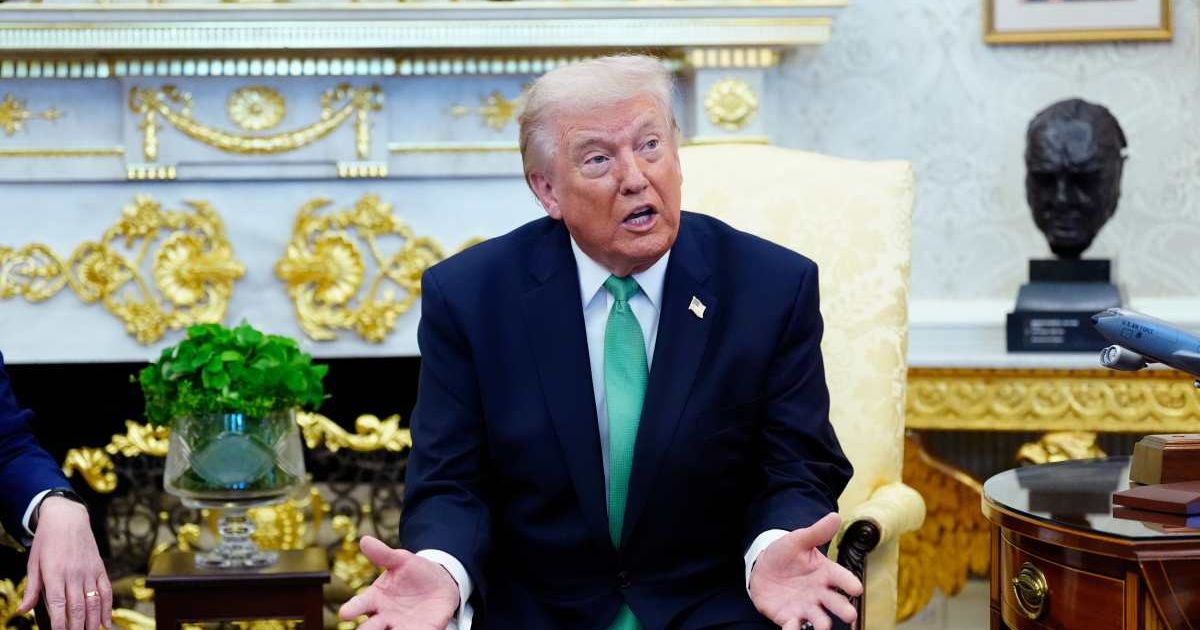
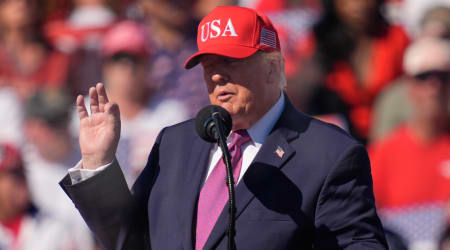
WASHINGTON, DC: President Donald Trump on Tuesday, March 11, lashed out at US Counterterrorism Center Chief, Joe Kent, following a dramatic resignation over the war in Iran, calling him “very weak on security” and saying “it’s a good thing that he’s out.”
Speaking at the White House alongside Irish Taoiseach Micheál Martin during St. Patrick's Day events, Trump dismissed the departure and sought to downplay its significance.
“I always thought he was weak on security, very weak on security,” Trump relied. “It’s a good thing that he’s out,” Trump said.
First major Trump administration resignation over Iran war
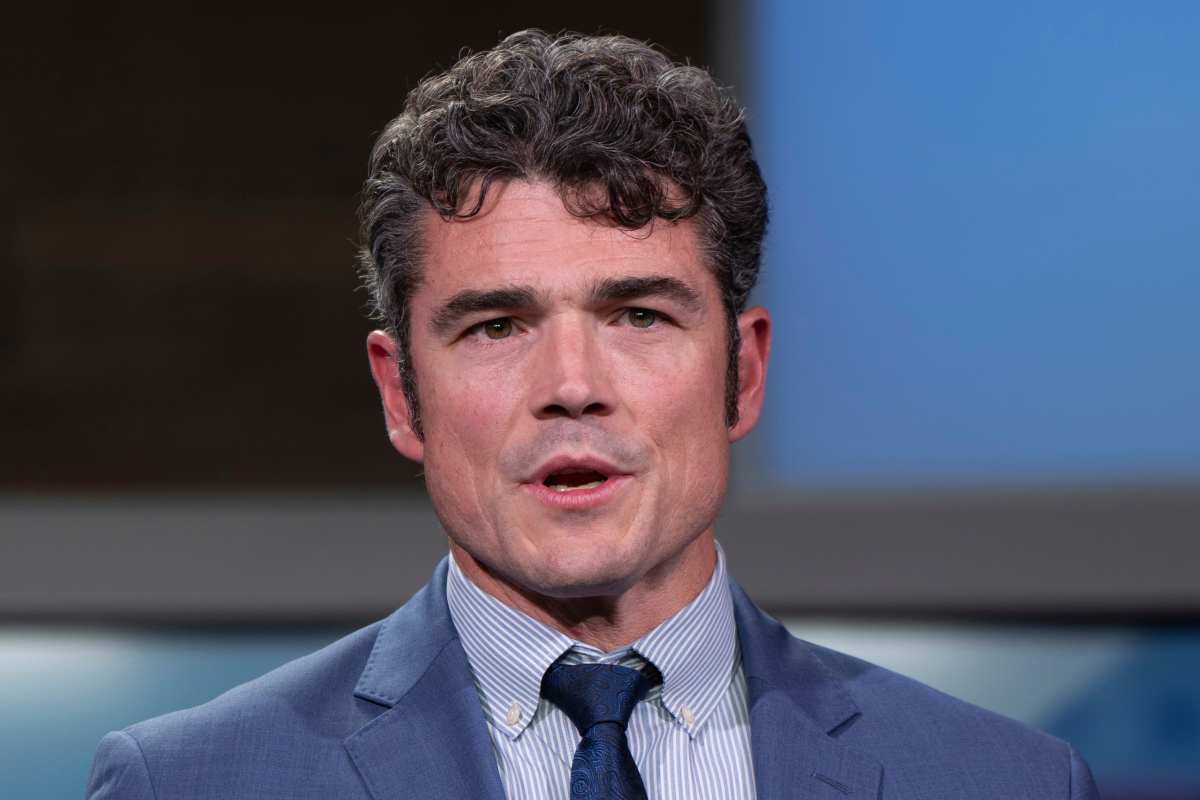
Earlier in the day, Joe Kent, director of the National Counterterrorism Center, resigned in protest, becoming the first senior administration official to step down over the US-Israel military campaign against Iran.
In a sharply worded letter made public on social media, Kent said he could not support the conflict. “I cannot in good conscience support the ongoing war in Iran,” he wrote.
Joe Kent challenges Iran war justification
Kent directly challenged the administration’s rationale for the war, arguing that Iran posed no imminent threat to the United States.
He also alleged that the conflict was driven by external pressure, including from Israel and influential lobbying forces in Washington, rather than clear national security needs.
A former Army Ranger with 11 combat tours, primarily in Iraq, Kent later served with the CIA before entering politics as a Republican congressional candidate and commentator aligned with Trump’s agenda.
His personal story, including the loss of his wife in 2019 in Syria, had shaped his views on US military engagement abroad.
Resignation highlights internal strains
Kent’s exit is expected to intensify scrutiny of the administration’s Iran strategy and expose internal divisions at a critical moment in the conflict.
While Trump brushed off the resignation, the departure signals unease within parts of the national security establishment as the war continues.