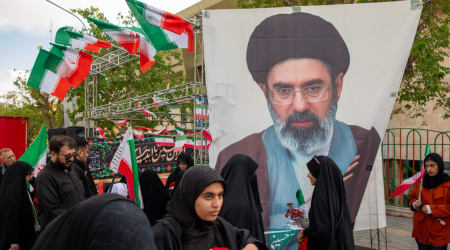
Trump administration imposes new sanctions on Iran ahead of Geneva nuclear talks
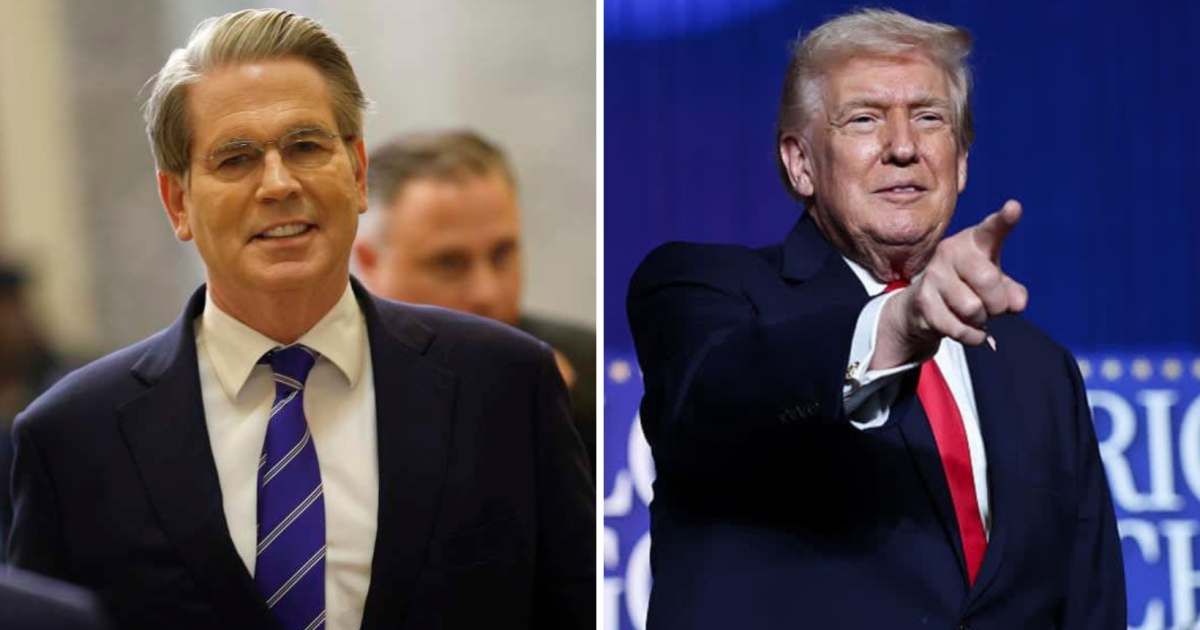
WASHINGTON, DC: The Trump administration imposed a new round of sweeping sanctions against Iran on Wednesday, February 25, targeting over 30 individuals, entities, and vessels linked to the regime's illicit activities.
The move comes just one day before high-stakes diplomatic negotiations are set to begin in Geneva, signaling a firm stance from the White House.
The US Treasury Department described the measures as a critical component of the administration's "maximum pressure" campaign.
These sanctions are designed to cripple the financial resources Iran uses to fund domestic repression and weapons programs while ratcheting up pressure for Tehran to accept a new nuclear agreement.
Targets of the shadow fleet
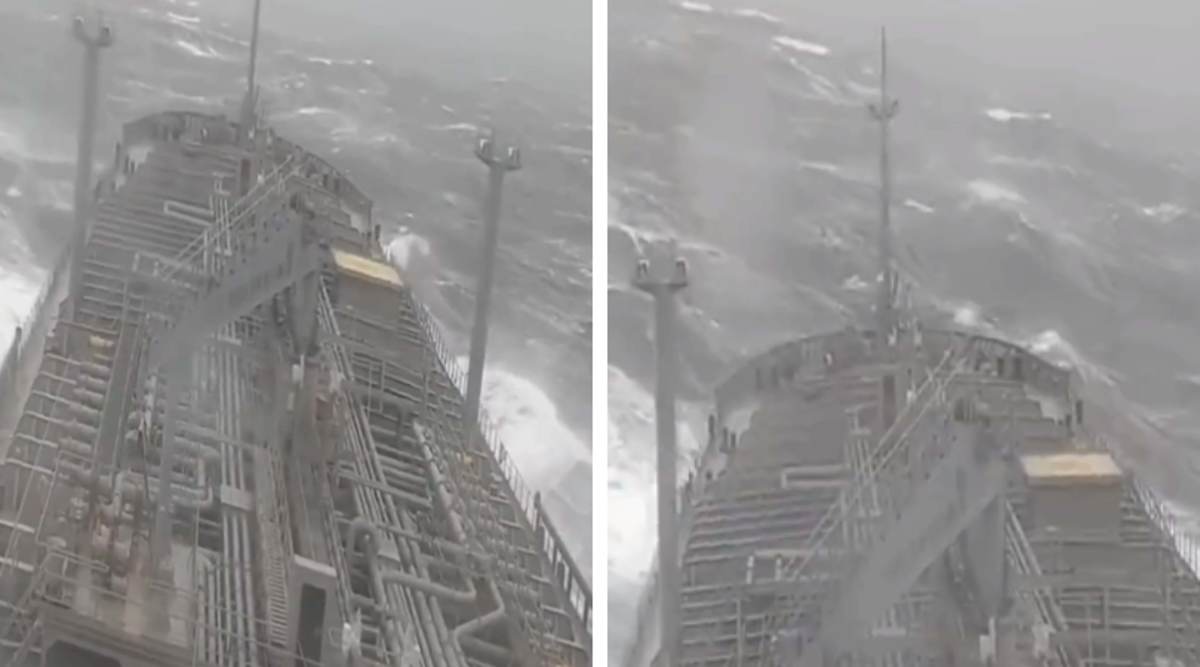
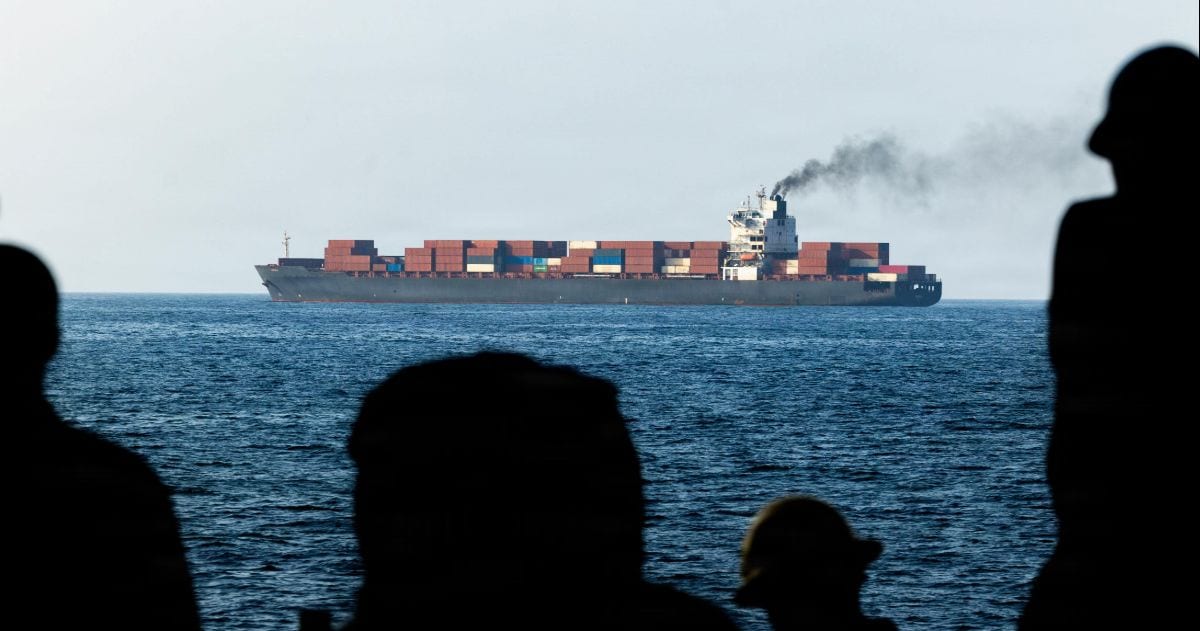
The primary focus of today's Treasury action is Iran’s "shadow fleet," a collection of vessels used to transport petroleum and petroleum products to foreign markets.
According to the Treasury's Office of Foreign Assets Control (OFAC), these sales serve as the regime's main revenue source for financing terrorist proxies and weapons development.
By blacklisting these vessels, the administration aims to cut off the "illicit" oil sales that have allowed Tehran to bypass previous economic restrictions.
This targeted disruption is intended to leave Iran "financially defenseless" as it enters a new round of international scrutiny.
Ballistic missile networks under fire
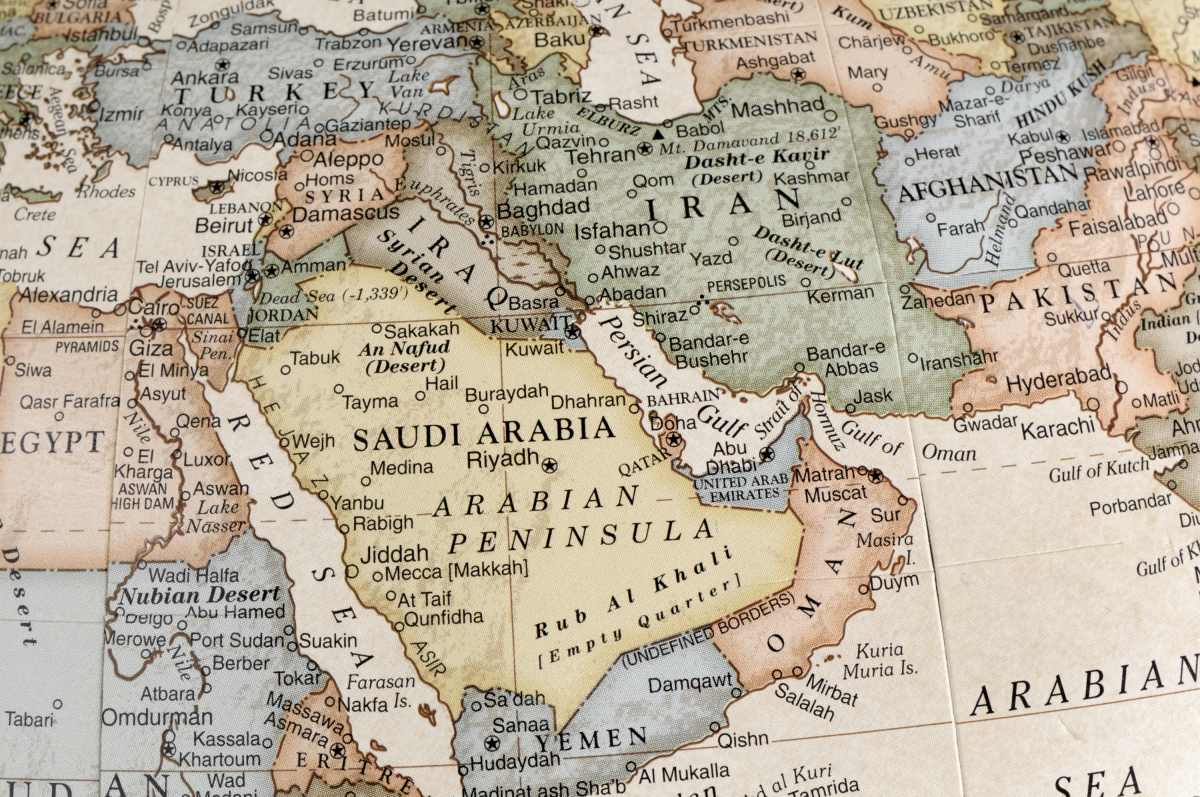
The sanctions also hit multiple networks operating in Iran, Turkey, and the United Arab Emirates.
These groups allegedly enable the Islamic Revolutionary Guard Corps (IRGC) and the Ministry of Defense and Armed Forces Logistics (MODAFL) to secure sensitive machinery and precursor materials.
Treasury officials stated these materials are vital for reconstituting ballistic missile and advanced conventional weapons (ACW) production capacity.
Furthermore, the networks are accused of aiding the proliferation of unmanned aerial vehicles (UAVs) to third countries, expanding Iran's military reach.
Support for snap back sanctions
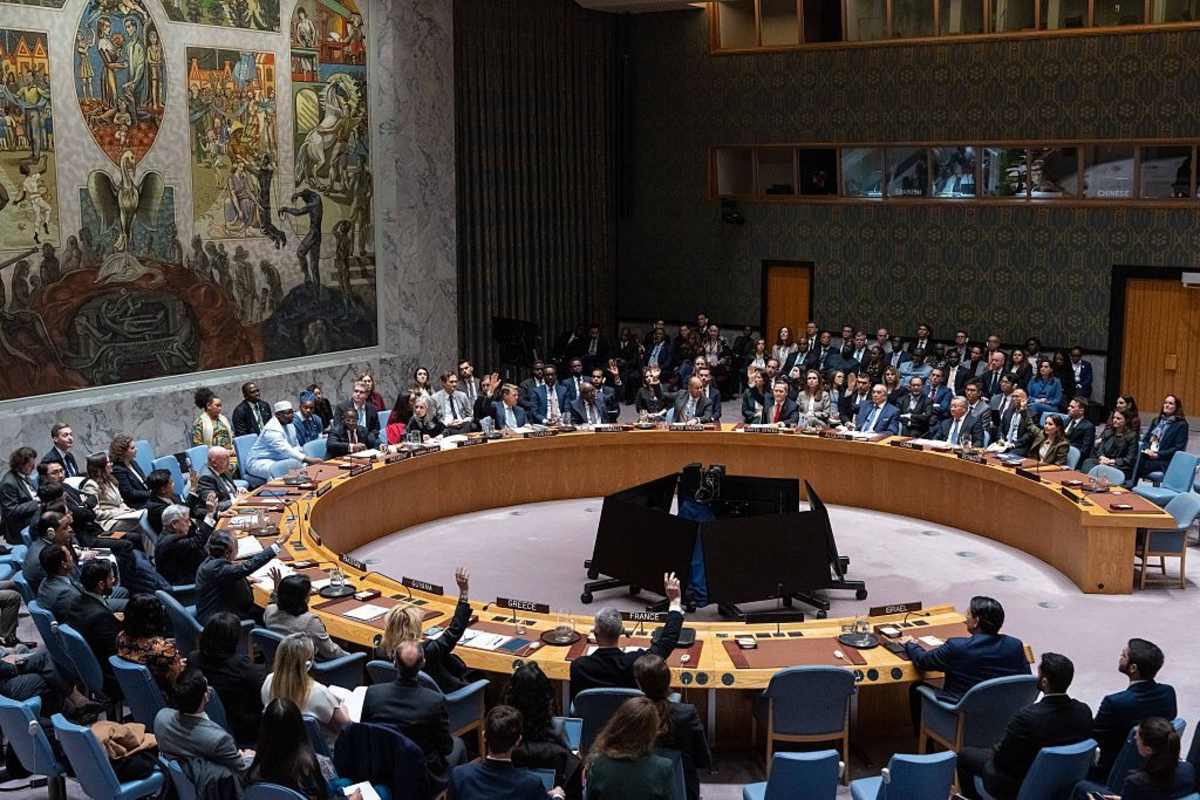
These new measures were imposed in coordination with the "snap back" of UN sanctions following the collapse of the 2015 Iran nuclear deal.
The Treasury Department confirmed that the latest actions align with broader efforts to hold Tehran accountable for its continued pursuit of nuclear and ballistic capabilities.
The administration has repeatedly stressed that it will use all available "lethal force" and economic tools to prevent Iran from obtaining a nuclear weapon.
Today's announcement serves as a direct legislative and economic reinforcement of the warnings delivered by President Trump in recent days.
Tehran responds to "big lies"
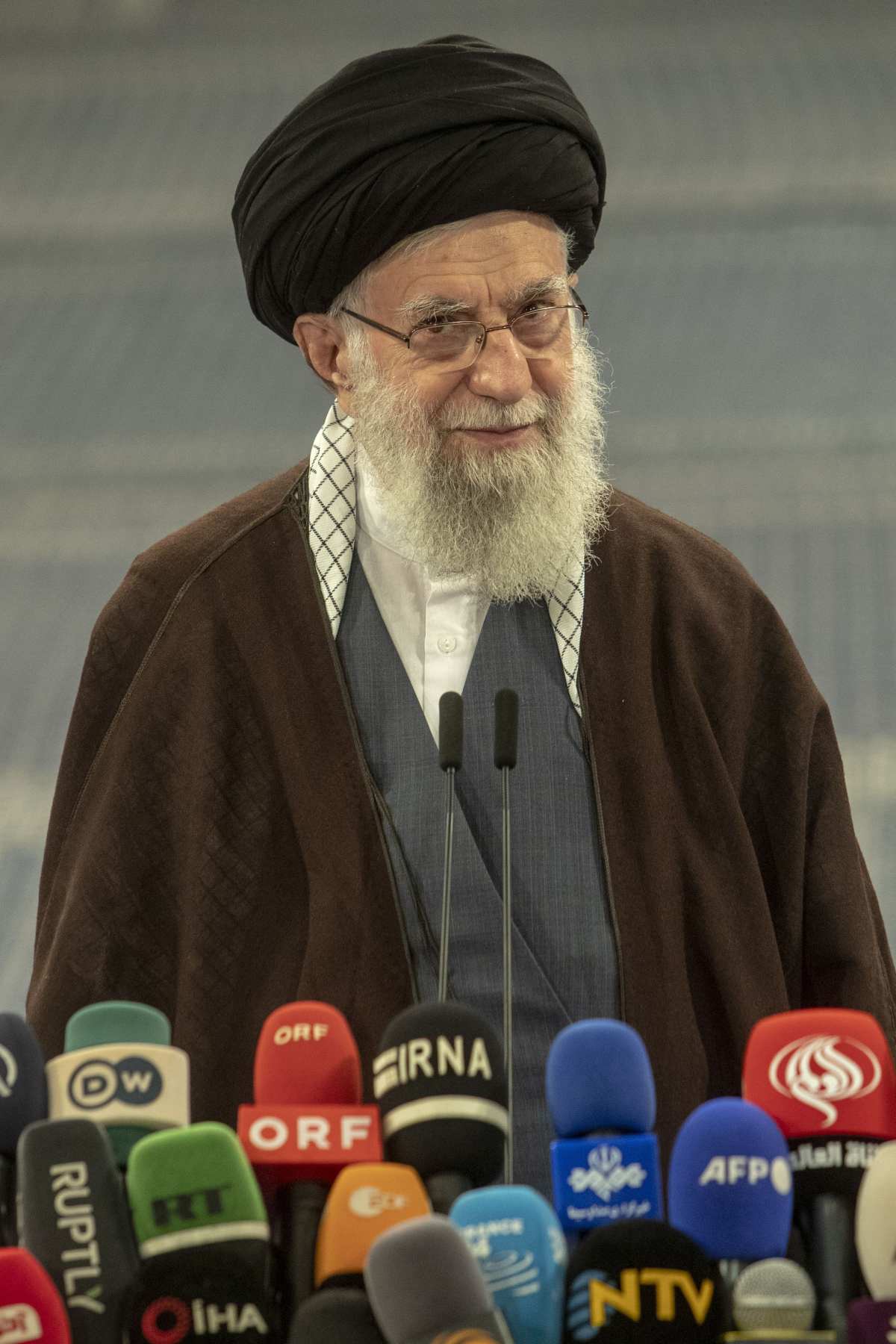
In response to the mounting pressure, Iran issued a statement accusing Trump of reiterating "big lies" about their nuclear program.
The rebuke specifically addressed comments made during Tuesday's State of the Union address, where the President highlighted the "stunning example" of Iranian aggression.
Despite the heated rhetoric, delegations from both nations are still slated to meet in Geneva tomorrow.
The upcoming round of negotiations will test whether the "maximum pressure" of today's sanctions can force a breakthrough in the long-standing nuclear stalemate.